Table of Contents
1. Opting for the Wrong System for Your House
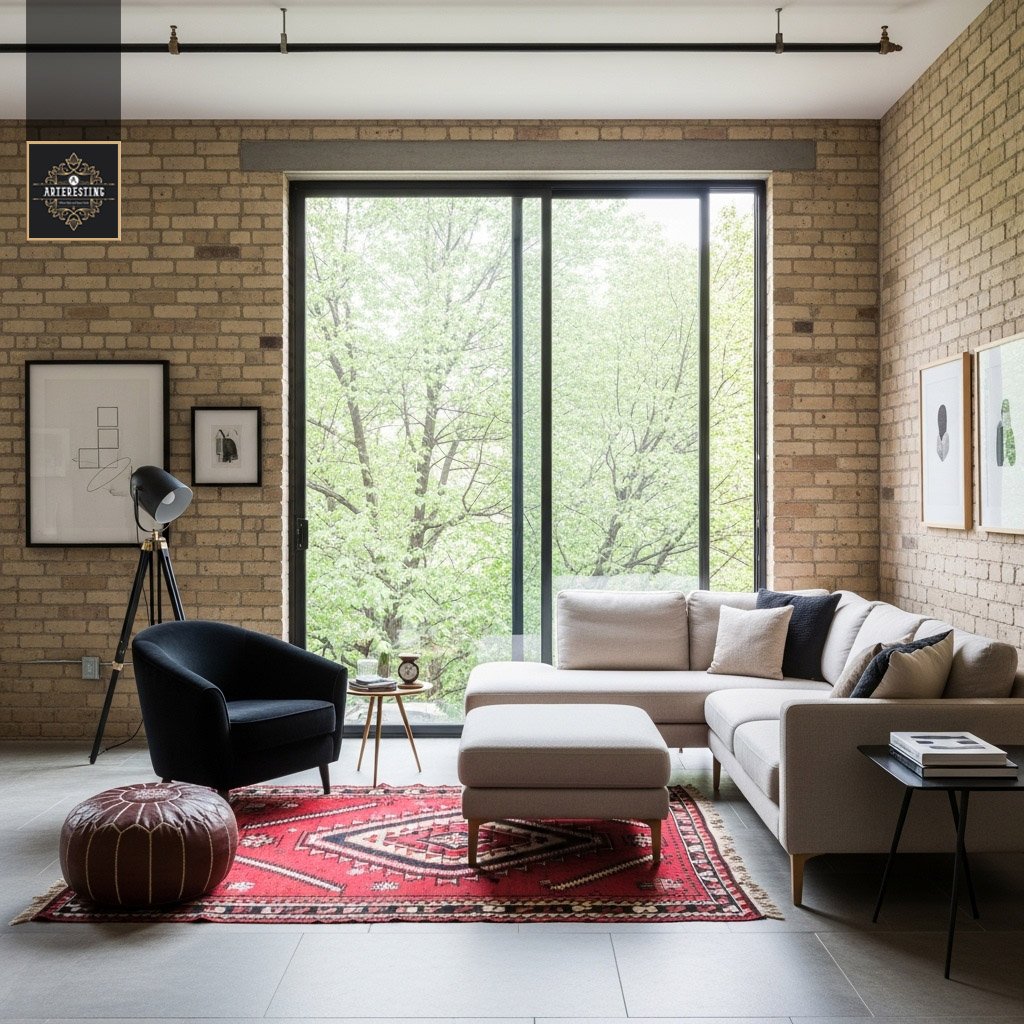
Each home possesses a unique character, and the windows and doors chosen must reflect this individuality. What may work beautifully for one property can look utterly out of place on another. It is crucial to explore various systems, such as bifold versus sliding doors, and make selections that complement your home’s architectural style. As Suzanne Brewer, a seasoned architect, notes, even professionals can err; she recalls nearly installing bifold doors only to realize their visual clutter would detract from the space’s tranquility. Instead, they pivoted to a more harmonious sliding glass system, illustrating the importance of thoughtful consideration in this decision-making process.
Always consider the visual weight of window frames and their impact on the overall design; lighter frames often yield a more spacious feel.
2. Failing to Research the Many Different Types of Glazing
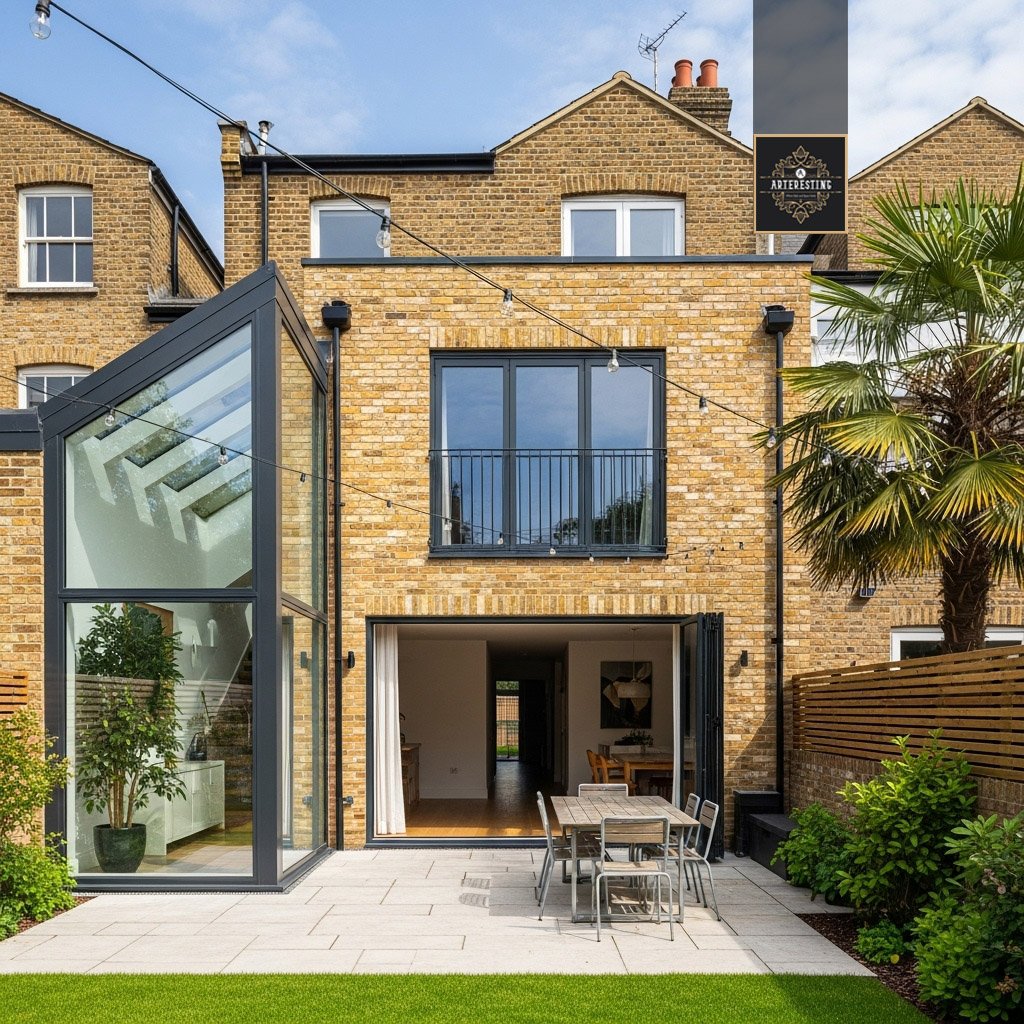
Gone are the days of being limited to simple single, double, or triple glazing; today’s market offers a plethora of glazing options, each serving distinct functions. Understanding the capabilities of these modern materials not only enhances your living experience but also plays a critical role in navigating building regulations. Edward Stobart, a technical expert in glazing, emphasizes the importance of considering solar gain and thermal efficiency, especially in urban settings where overheating can be a significant concern.
Consider incorporating tinted or reflective glazing in sun-drenched areas to maintain comfort without sacrificing natural light.

3. Not Taking the Bigger Picture Into Account
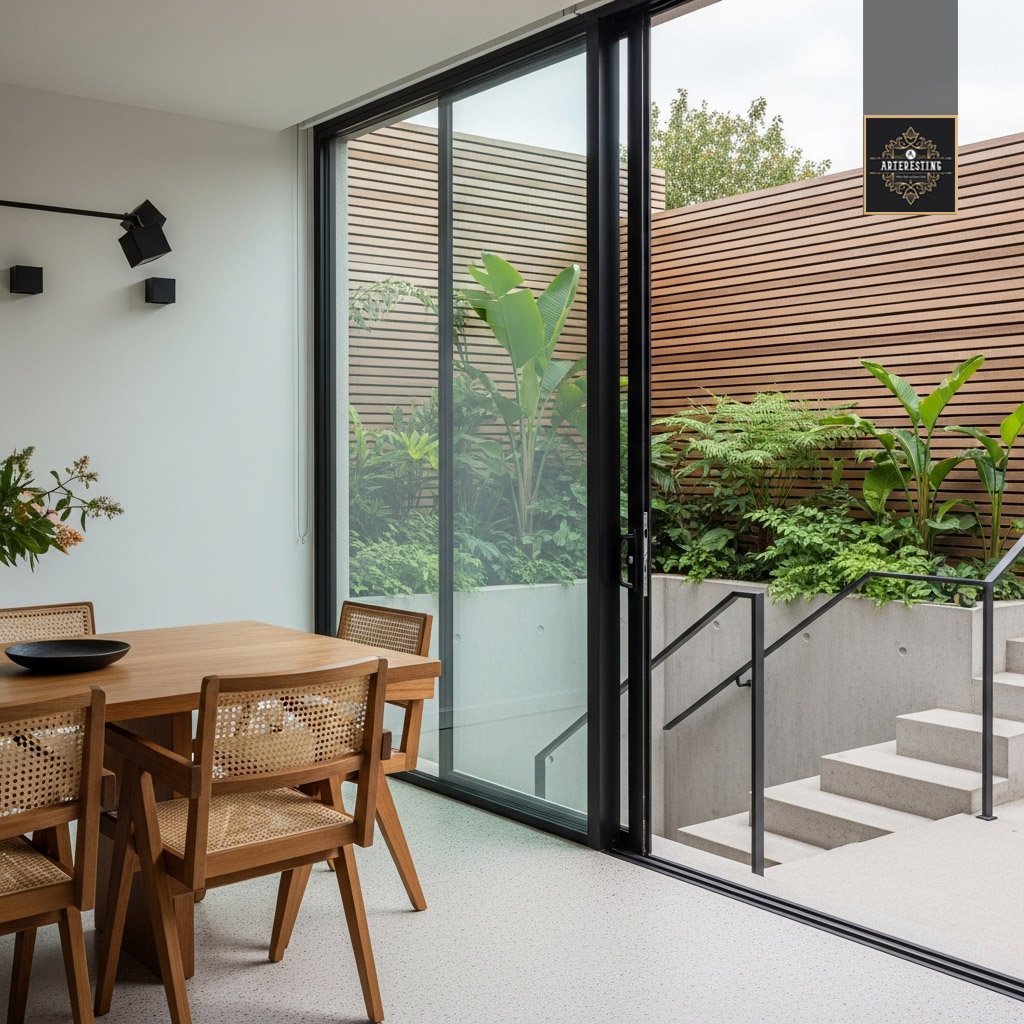
Choosing the right windows isn’t merely about aesthetics; it’s about ensuring they work harmoniously within the broader context of your home. Simon Graham, a prominent architect, cautions against neglecting the interaction between window design and overall spatial flow. For example, mismatched window proportions or poorly considered placements can disrupt the visual coherence of a room, making it essential to evaluate how these elements will function in daily life and within the existing architectural framework.
Always visualize furniture arrangements alongside window placements to ensure both elegance and functionality in your space.
4. Overlooking Seemingly Small Details
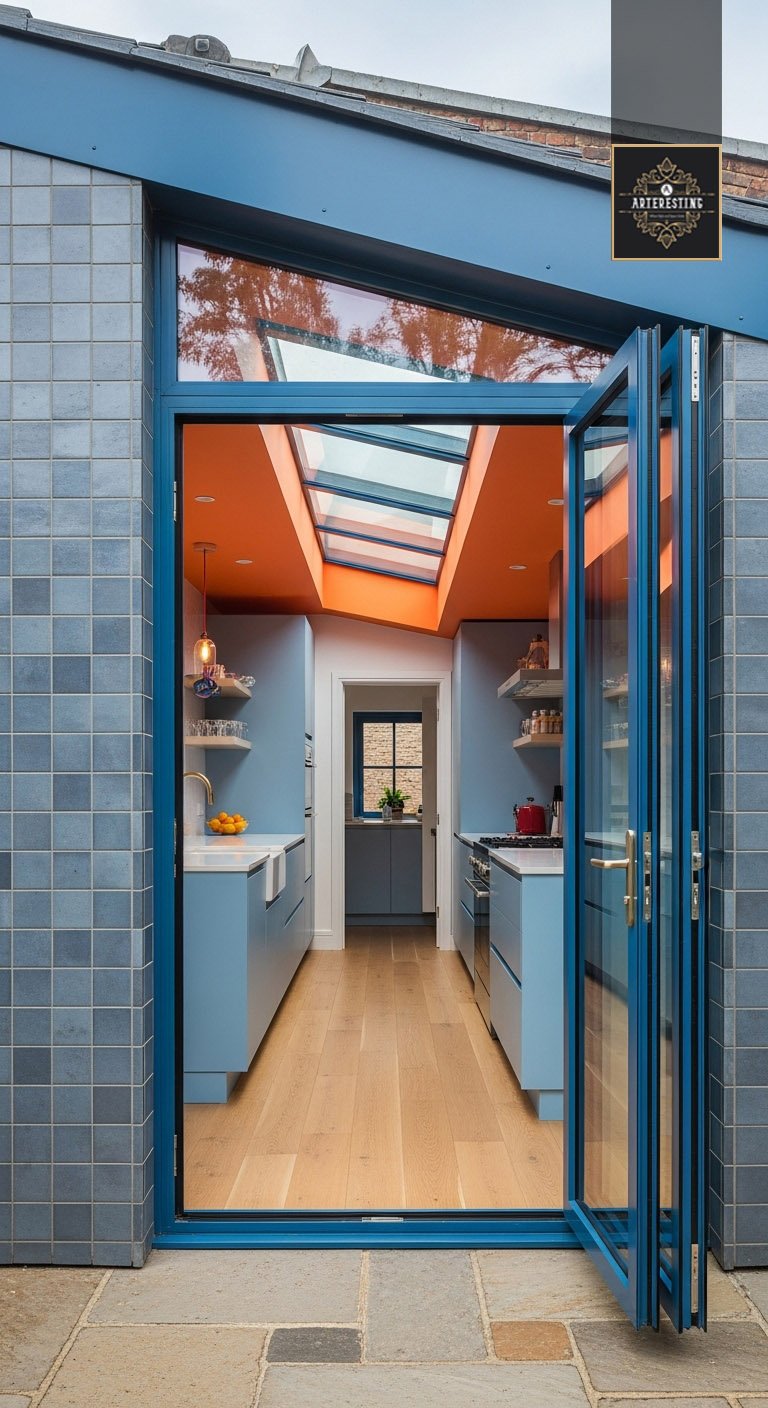
In the realm of windows and doors, it is often the minutiae that wield the greatest influence on performance. As James Munro notes, meticulous planning and communication among all parties involved—designers, suppliers, and installers—are paramount. Factors such as frame junctions and installation access must be meticulously considered to prevent future complications. A well-thought-out approach can alleviate the risk of mismeasurement and ensure seamless installation, allowing your designs to flourish without compromise.
Plan for practical needs like access and maintenance routes when selecting window positions to avoid future headaches.

5. Viewing Window Treatments as an Afterthought
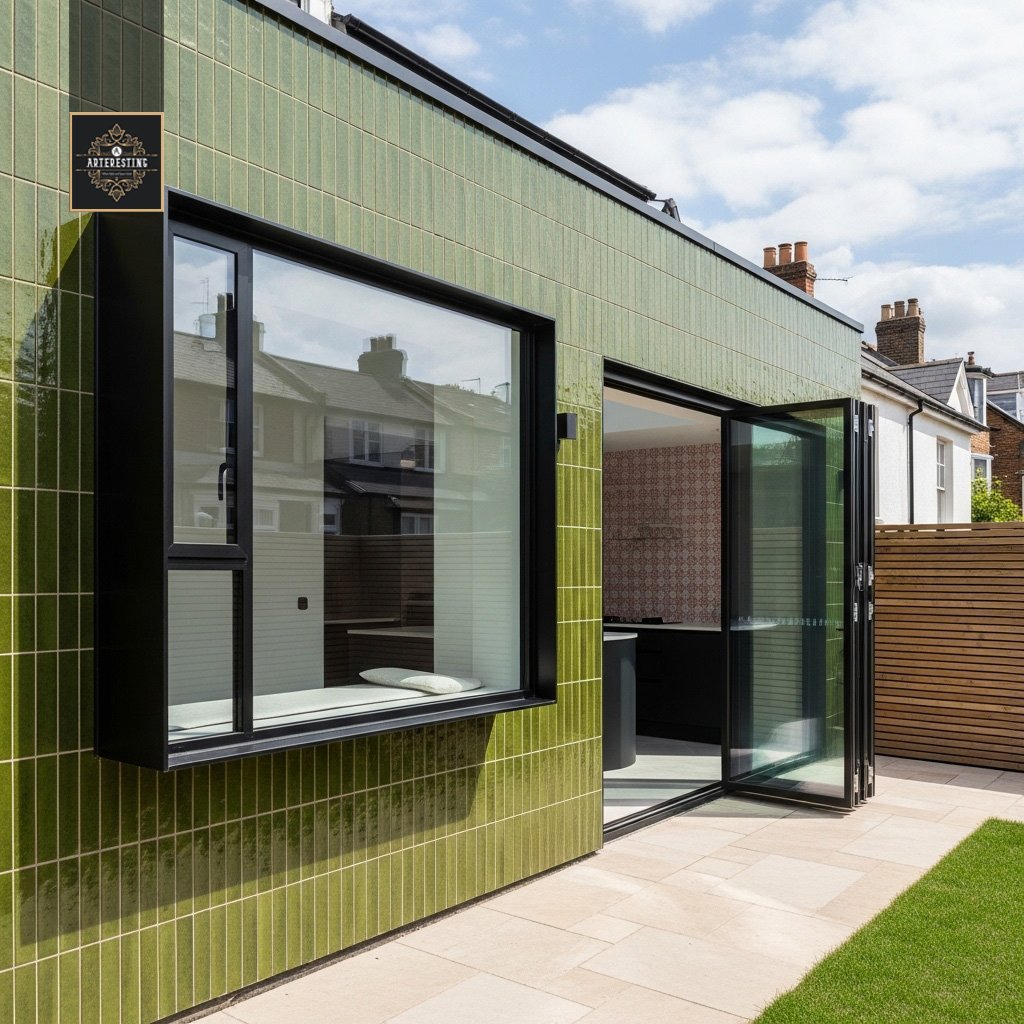
As homeowners increasingly embrace expansive glazing, the consideration of window treatments should not be relegated to a secondary thought. James Munro emphasizes the necessity of integrating provisions for curtains or blinds during the design phase to ensure aesthetic coherence and functionality. The right window treatments not only enhance privacy but also regulate light and maintain comfort, making it imperative to incorporate them into the overall design strategy from the outset.
Incorporate hidden tracks for window treatments during construction for a sleek, unobtrusive look.