Table of Contents
How to Plan Your Kitchen Island
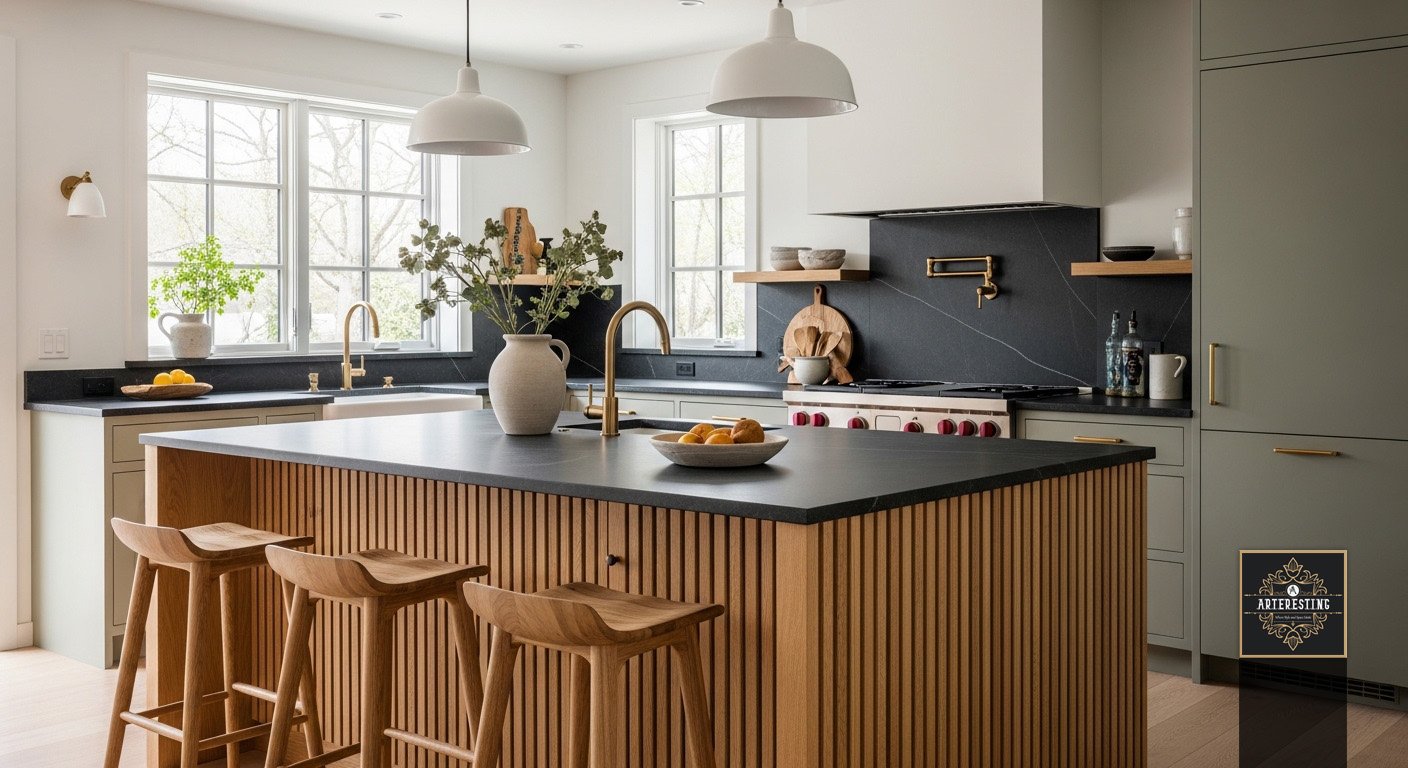
The kitchen island is no longer a mere surface for food prep; it’s a statement piece that can redefine the entire space. Whether you’re starting with a blank canvas or renovating an existing kitchen, strategic planning is essential for achieving a design that is harmonious with both your lifestyle and aesthetic desires. Consider the size and shape that best fit your space, as well as the materials that will enhance both functionality and style.
Choose materials that complement both the cooking and seating areas of the island to create a cohesive and inviting atmosphere.
Analyze How You Live
Understanding your family’s dynamics is crucial in determining the ideal design for your kitchen island. For busy households, a larger island equipped with multiple zones for food preparation, cooking, and even homework can be a game-changer. Mixing materials allows you to create distinct areas within the island, such as durable surfaces for food prep and softer finishes for seating, which invites family members to linger and enjoy each other’s company.
Incorporate comfortable seating to encourage gathering, especially among teenagers who may be more inclined to join family activities.
Reverse Engineer Your Process
To ensure that your island serves both functional and aesthetic purposes, begin by determining the largest size that can comfortably fit in your kitchen. Consider whether you want to include a cooktop, a wet zone, or seating. It’s vital to find the right balance—overcommitting to features that don’t fit may compromise the overall design. Sometimes, opting for a purely functional island is the most sensible approach.
Avoid cramming in seating if space does not allow; a well-proportioned island is more visually appealing and functional.
Plan the Functionality of the Space
The layout of your kitchen island should enhance efficiency and flow. Positioning it conveniently between the refrigerator and range, while ensuring it does not obstruct pathways, is key to a well-functioning kitchen. This concept, often referred to as the “cooking triangle,” facilitates an intuitive workflow that keeps the kitchen organized and pleasant.
Keep work zones clear of traffic areas to maintain an efficient cooking environment.
Highlight with Architectural Features and Overhead Fixtures
To elevate the aesthetic of your kitchen island, consider incorporating architectural elements such as pendant lighting and ceiling beams. These features not only delineate the space but also add a sense of weight and structure. In a kitchen that often brims with activity, maintaining visual clarity can transform a chaotic atmosphere into a serene gathering space.
Select fixtures that not only illuminate but also complement the overall design scheme of your kitchen.
More Features Homeowners Are Prioritizing in 2026
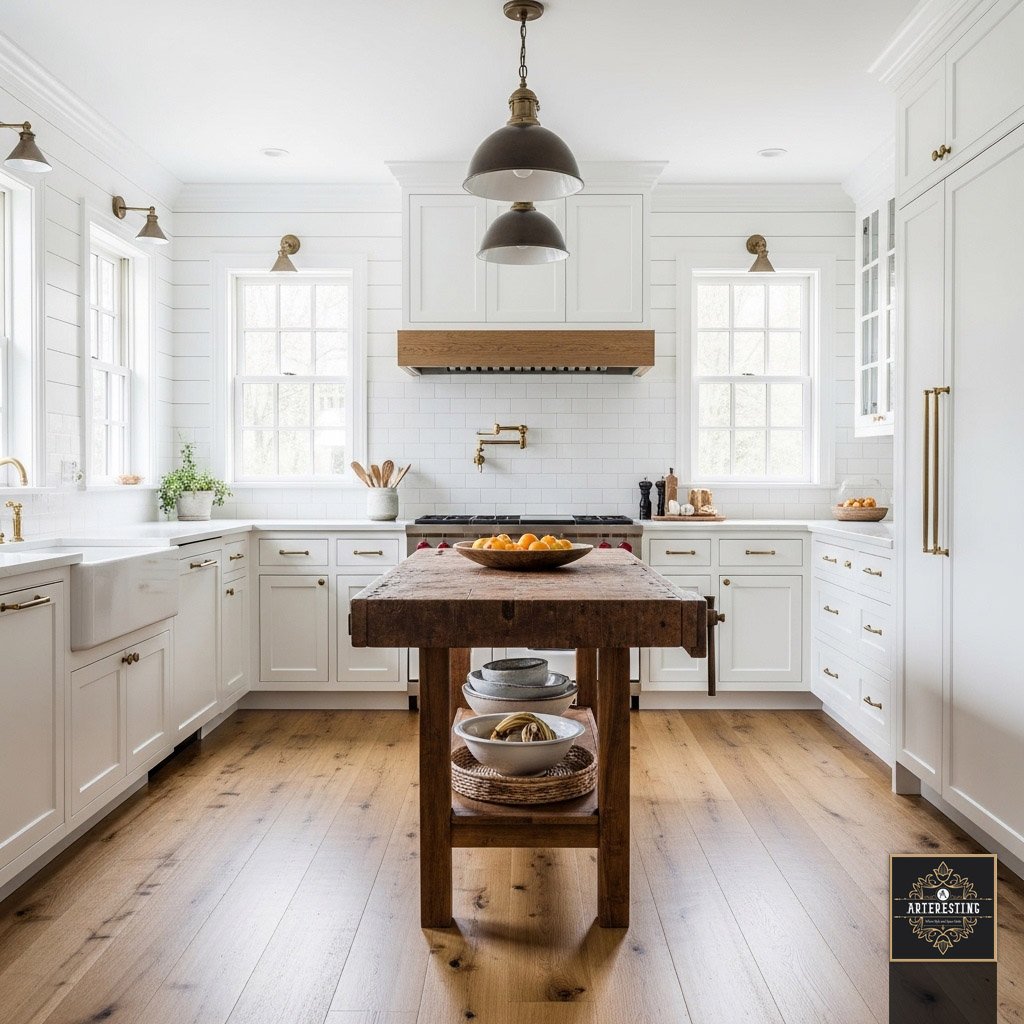
As we look toward 2026, homeowners are increasingly focused on design-forward choices for their kitchen islands. Butcher block countertops are gaining traction, particularly those with end-grain styles that offer both durability and aesthetic appeal. Homeowners are opting for islands that make a statement, favoring unique designs over conventional options. Creative seating arrangements are also becoming popular, encouraging conversation by allowing guests to face one another rather than sit side by side. For those with ample space, dual islands serve distinct purposes—one for preparation and cleanup, and another dedicated to entertaining, ensuring the cooking process remains discreet. Additionally, the demand for large, multipurpose sinks is increasing, with innovative features designed to streamline meal preparation. Ultimately, larger surface areas are becoming the norm, as homeowners seek to eliminate upper cabinetry in favor of islands that keep everything within easy reach, marrying practicality with style.

Embrace unique designs and features that resonate with your personal style, creating a kitchen that is not only functional but also a true reflection of your unique personality.