Table of Contents
The Layout of Conversation
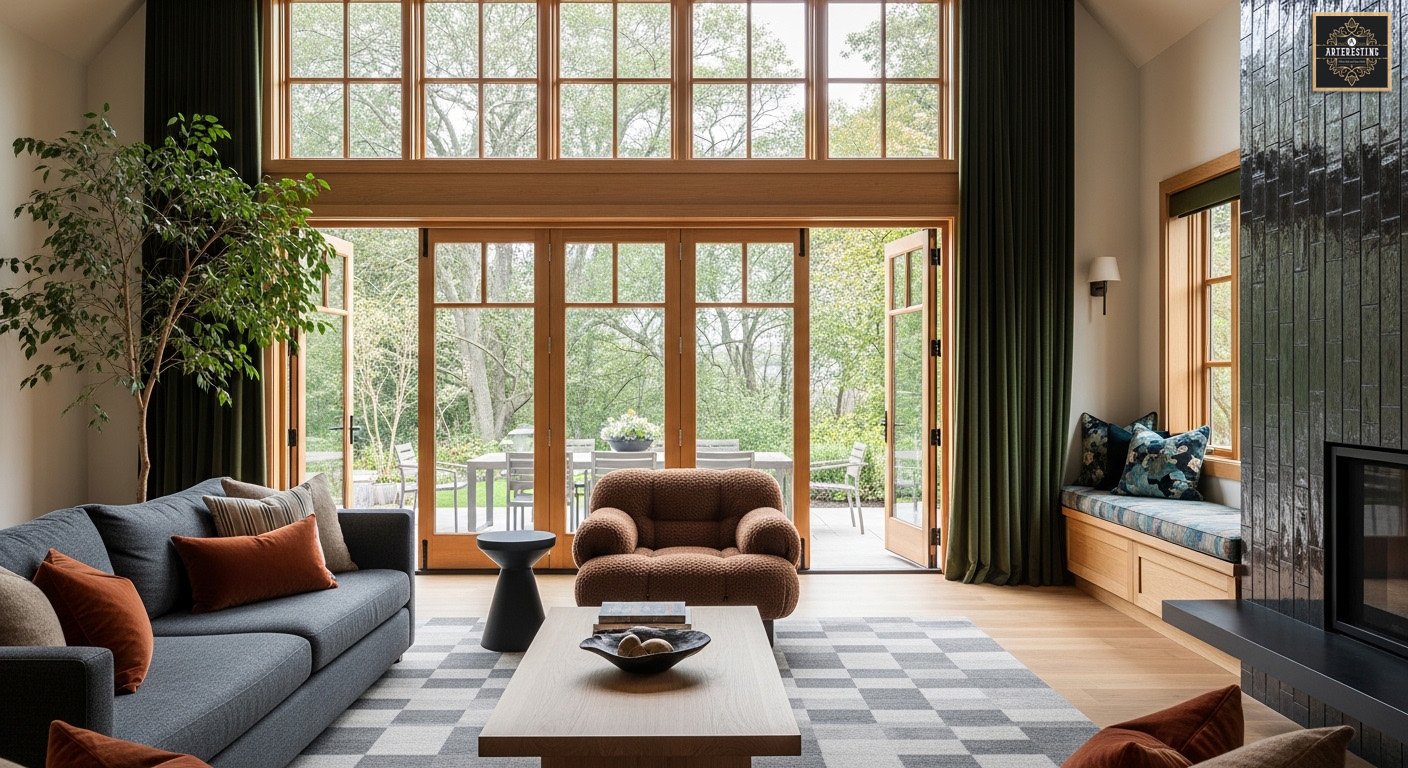
As John Hare, principal designer at V&R Interiors, eloquently states, “The layout of a space is the unsung hero of successful conversations.” An inviting atmosphere begins with a thoughtful arrangement that encourages guests to connect effortlessly. The layout should foster intimacy without the awkwardness often felt in disorganized spaces.
Consider how each piece of furniture interacts with others; a well-placed chair can spark a delightful conversation.
1. Don’t Place Everything Against the Walls
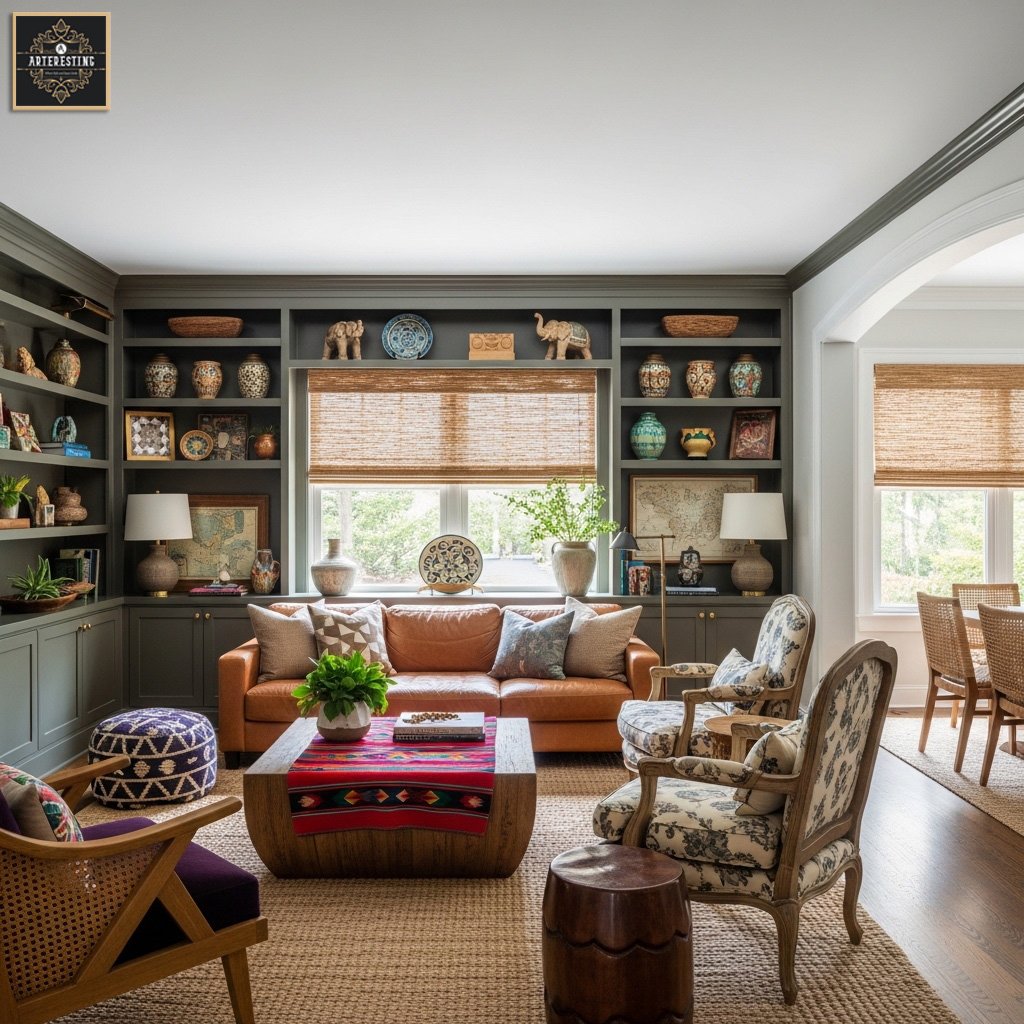
Resisting the urge to place furniture against the walls is crucial for creating a warm and inviting atmosphere. Amie Freling-Brown of Meme Hill Studio highlights this mistake, noting that such arrangements can make conversations feel strained. Instead, let your furniture ‘float’ in the space, anchored by a coffee table that encourages guests to engage naturally.
Creating intimate clusters around a central point makes your space feel more connected and engaging.
2. Organize Intimate Seating Arrangements
Strategically grouping seating fosters personal connections and engaging dialogue. By opting for smaller clusters, you eliminate the distant feeling often present in larger spaces. Additionally, integrating varied seating heights allows your guests to feel more comfortable and approachable, thus enhancing their experience.
Mix different seating types to create a dynamic and inviting atmosphere that encourages mingling.
3. Rely on Rugs
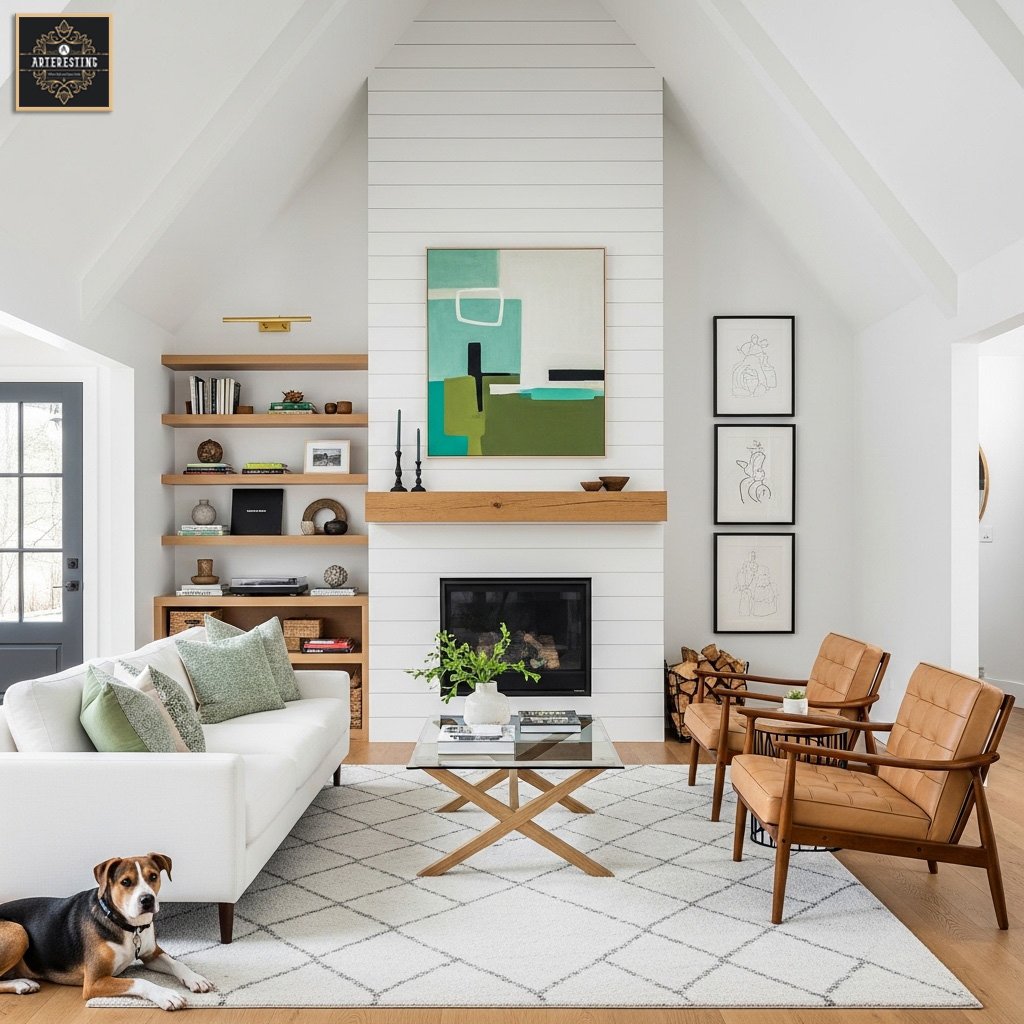
Area rugs are instrumental in defining conversational zones, adding both warmth and clarity to your layout. The right size is crucial; a rug that is too small can render your furniture arrangement disjointed, while one that is too large may overwhelm the space. Ideally, the front legs of all seating pieces should rest on the rug, creating an inviting, cohesive area.
Choose rugs that ground your furniture and establish a clear sense of space.
4. Focus on Creating Flow and Accessibility
Ensuring a natural flow through your space is essential, particularly during gatherings. Guests should never feel confined or have to navigate around obstacles to engage with one another. Aim for clear pathways of 2-3 feet, allowing everyone to move freely and participate in the festivities without interruption.
Position food and drinks strategically to enhance accessibility without disrupting ongoing conversations.
5. Incorporate Versatile Furniture
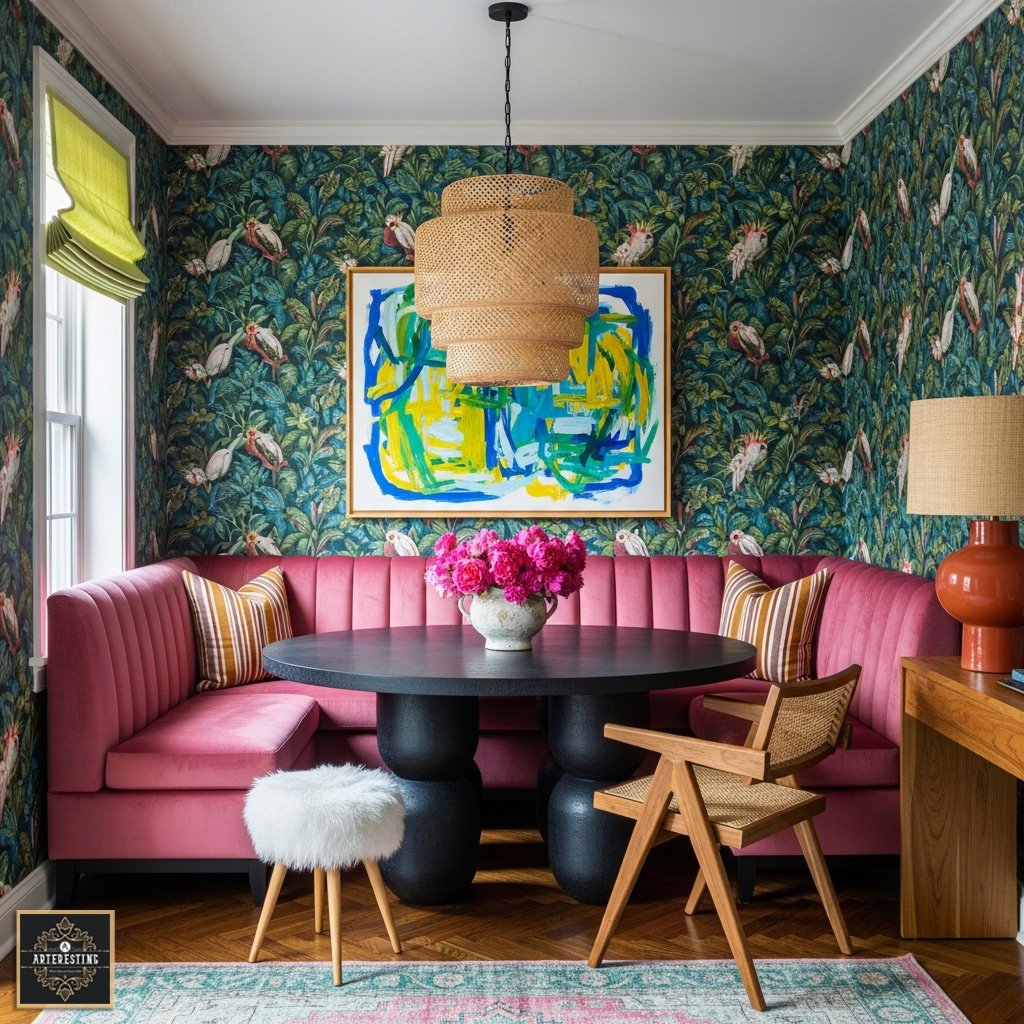
Choosing adaptable furniture can significantly enhance the functionality of your space. Lightweight accent chairs and nesting tables can easily transition from casual to formal settings, providing additional seating as needed. This flexibility allows you to effortlessly accommodate unexpected guests or adapt your layout for different activities during a gathering.
Invest in multi-functional furniture to enhance adaptability and ease of rearrangement during gatherings.
6. Choose a Round Dining Table
In the dining area, a round table facilitates conversation more naturally than traditional rectangular options. It eliminates the concept of a ‘head of the table,’ encouraging a more relaxed and social environment. This arrangement not only enhances engagement but also improves movement around the table, especially in smaller spaces.
Opt for round tables in dining spaces for an inviting and inclusive dining experience.
Additional Design Considerations for Enhancing Conversation
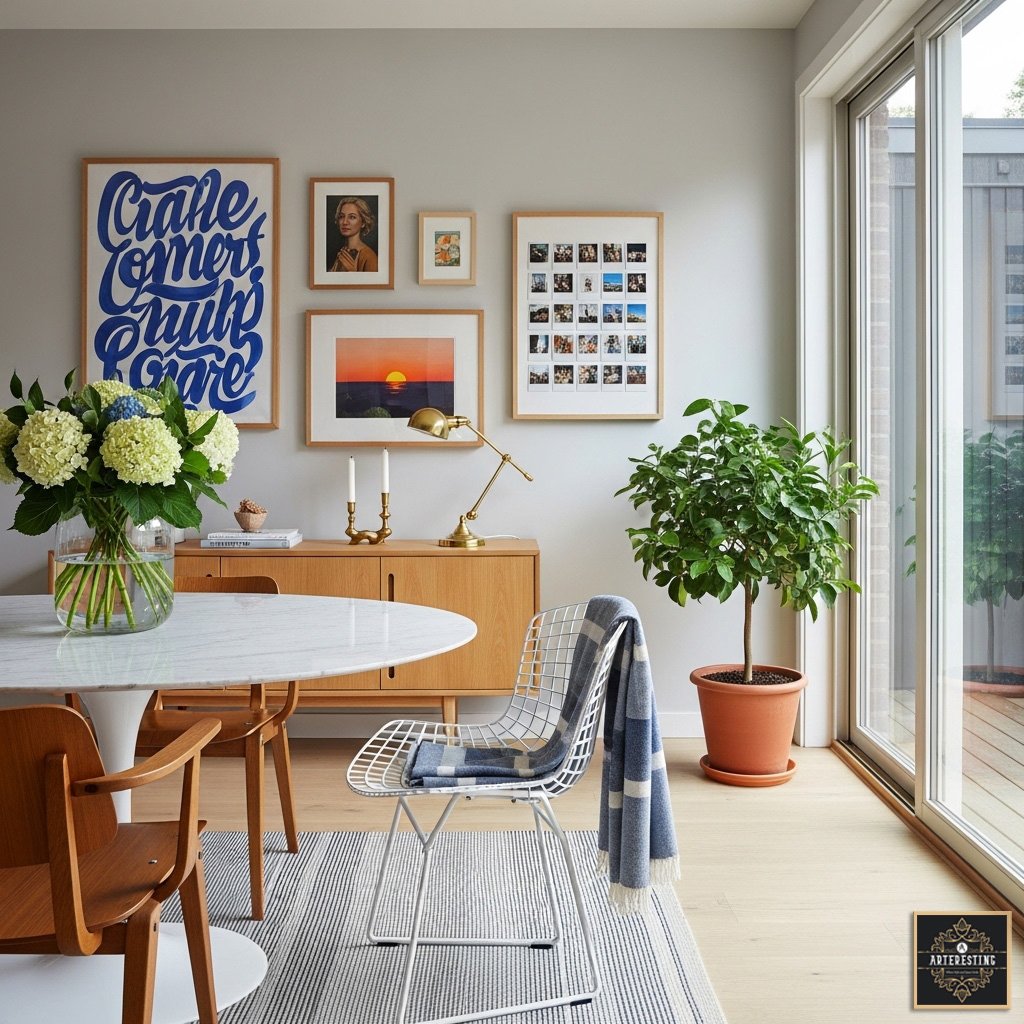
While layout is paramount, other elements can elevate the conversational ambiance of your space. Soft, warm lighting creates a welcoming environment that encourages relaxation; consider using dimmers and a variety of light sources. Incorporating acoustic elements, such as plush furnishings, can absorb sound and minimize background noise, making conversations effortless. Lastly, personal touches through artwork and unique decor not only beautify your space but can also spark engaging discussions among guests.
Enhance your space’s ambiance with subtle lighting and engaging decor to inspire conversation.