Table of Contents
Choosing the Wrong Tiles
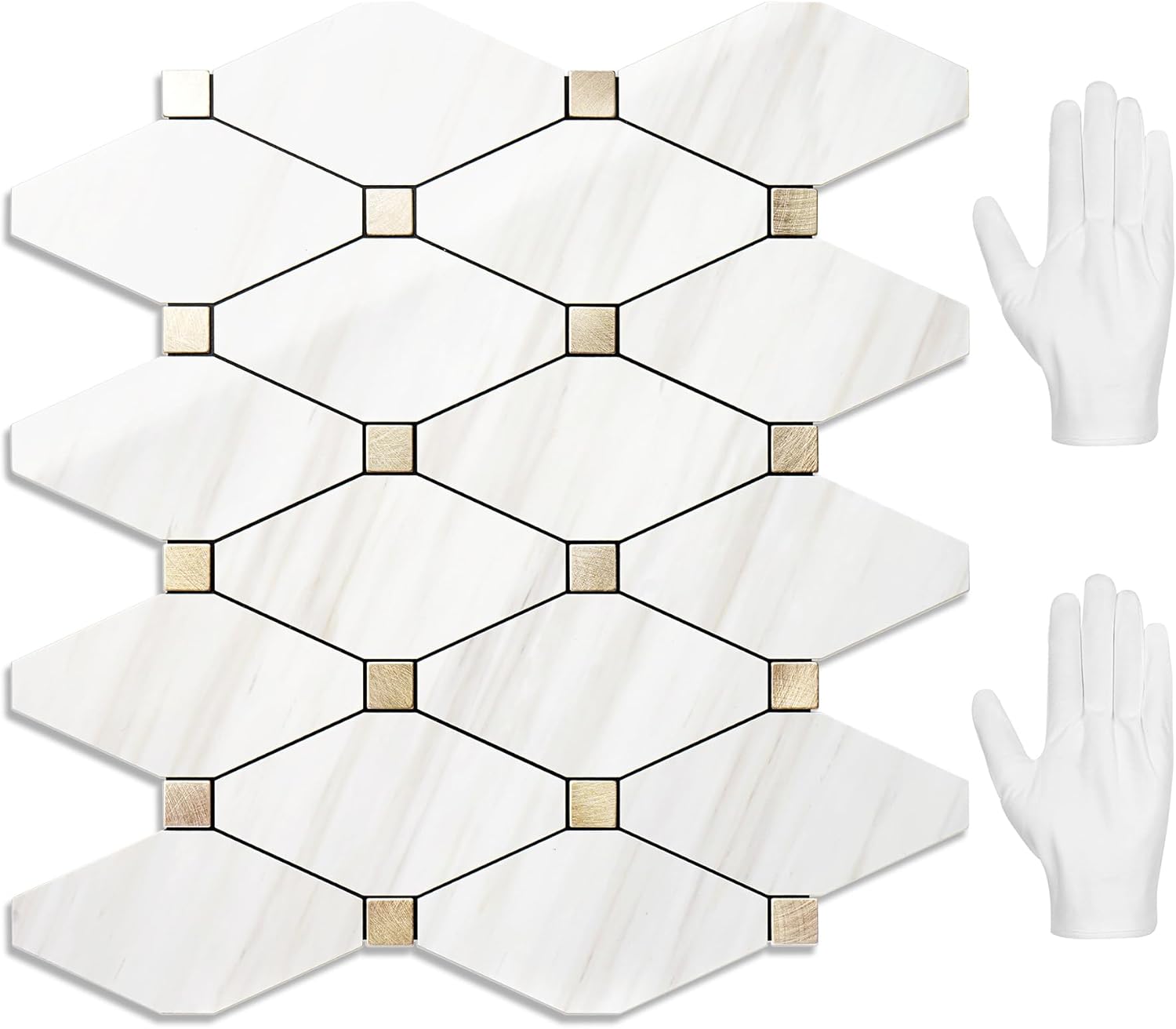
Often, homeowners overlook the specific requirements for fireplace tiles. It is essential to choose tiles that offer high heat resistance, with porcelain and ceramic being the most suitable options. Porcelain, in particular, provides a slight advantage due to its superior heat-handling capabilities, ensuring that your fireplace remains not just beautiful, but safe as well.
Opt for a tile that complements your overall design aesthetic; consider colors and textures that harmonize with the rest of your décor.
Using the Wrong Adhesive
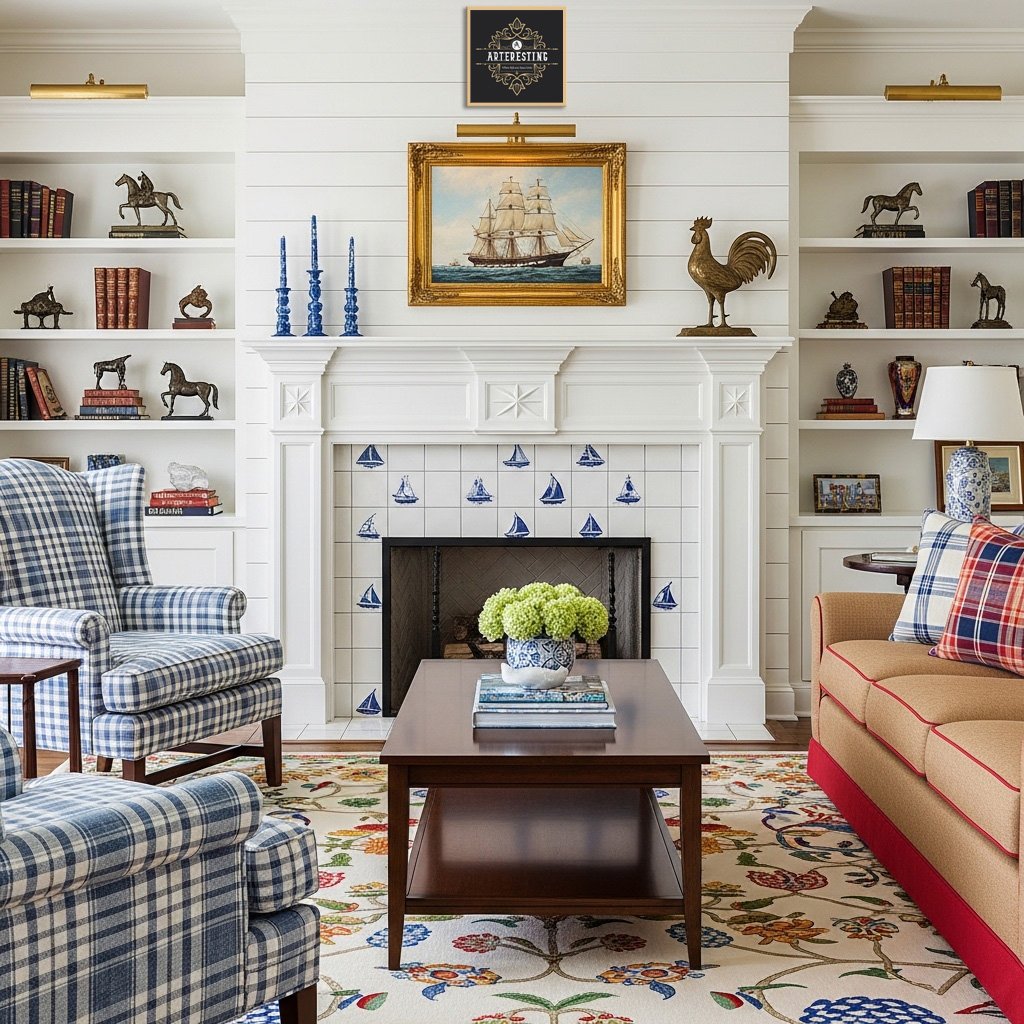
The adhesive you choose plays a pivotal role in the longevity of your tiled fireplace. Selecting an adhesive without heat resistance can lead to disastrous results once the fireplace is in use. Therefore, it’s imperative to narrow your choices to adhesives compatible with your selected tile and to verify their heat resistance before making a final decision.
Consider using a premium-grade adhesive specifically designed for high-temperature applications to ensure the best results.
Choosing the Wrong Grout or Caulk
As you embark on your tiling project, remember to select heat-resistant grout and caulk. These materials are not just a matter of aesthetics, but essential for safety, as they protect against the potential heat hazards associated with fireplaces. Taking this precaution ensures that your fireplace tile installation is both beautiful and secure.
Choose grout colors that enhance your tile selection while considering the overall color palette of your room for a seamless look.
Skipping Surface Preparation
The success of your tile installation hinges significantly on surface preparation. A clean and smooth surface will ensure a stronger bond between the tiles and the adhesive. Take the time to thoroughly clean the area, eliminating dust and debris, which will ultimately enhance the longevity and appearance of your tiles.
Consider using a primer designed for tile adhesion as an additional step to enhance bonding.
Reusing Compromised Backer Materials
If you are replacing old tiles, it is essential not to compromise on the quality of the backer materials. If the existing backer is cracked or dirty, invest the time to remove and replace it. New backer materials will provide a stable foundation for your new tiles, ensuring both safety and longevity.
When selecting a new backer board, ensure its thickness aligns with your design vision for a polished finish.
Not Checking Building Codes
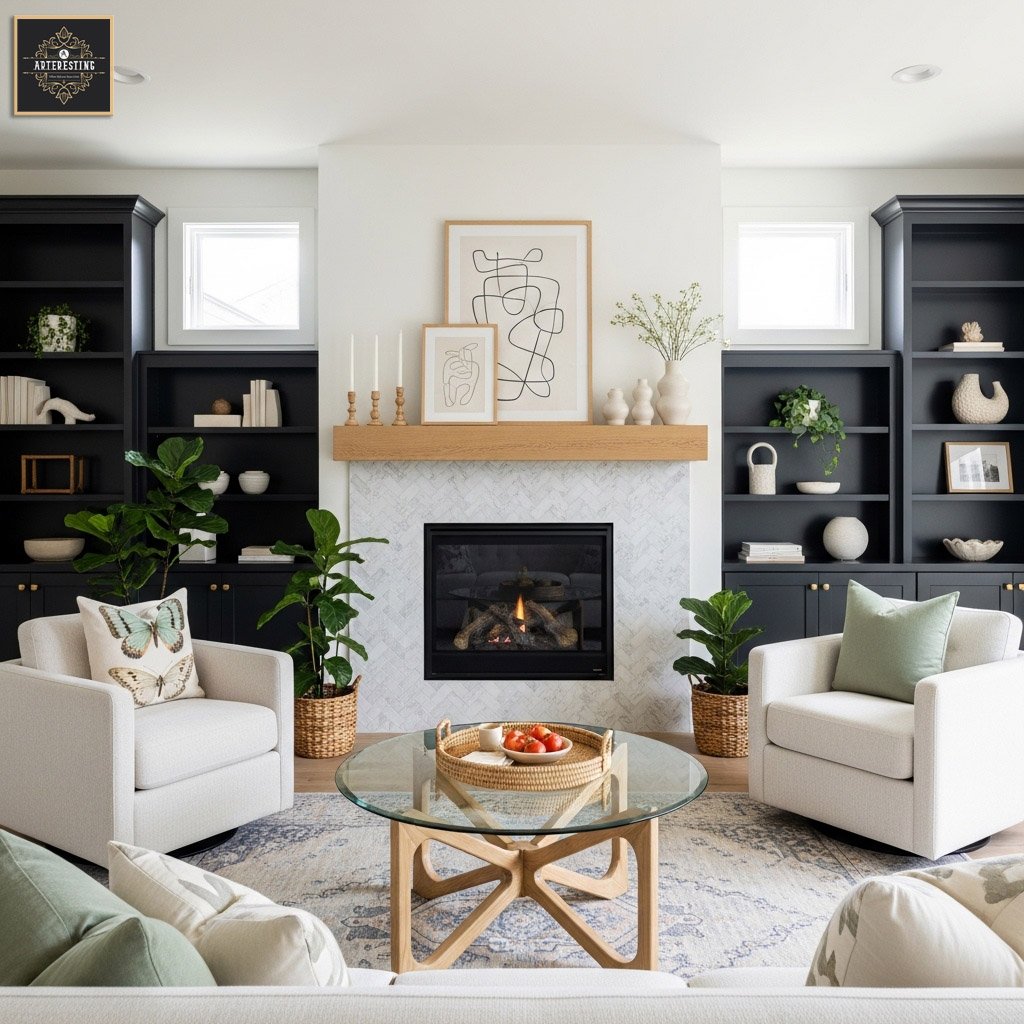
Before embarking on your tiling project, it is prudent to familiarize yourself with local building codes. These regulations may dictate specific materials and installation practices necessary for safety and compliance. Ignoring these guidelines can lead to complications, especially when it’s time to sell your home.
Consult with a local contractor or inspector to ensure your project aligns with all applicable codes for a stress-free process.
Not Dry-Fitting Tiles
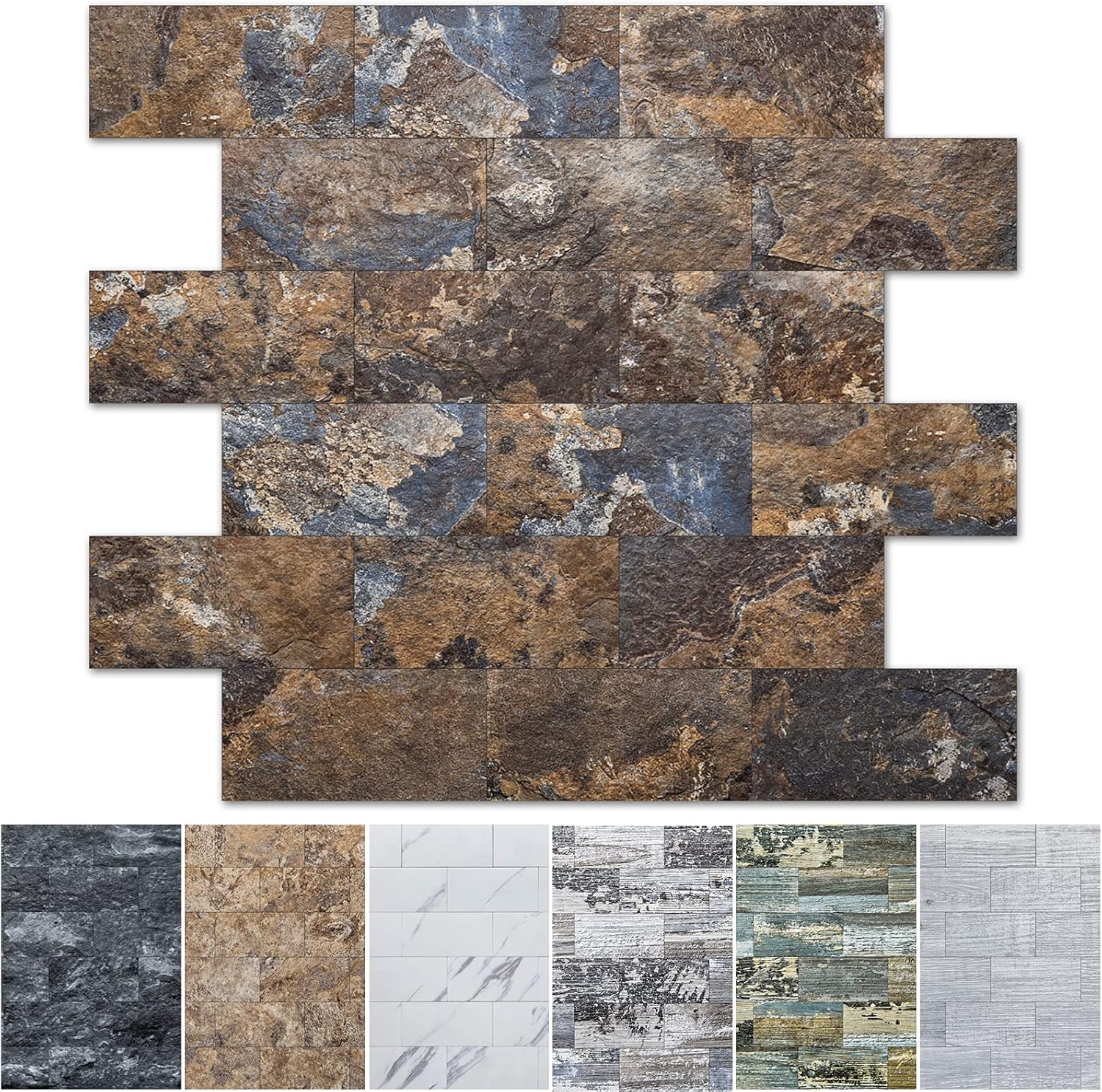
A common oversight in tiling projects is neglecting to dry-fit the tiles before installation. This essential step allows you to visualize how the tiles will look in your space and helps determine the best layout. By dry-fitting, you can also ensure you have ordered the correct amount of tile, avoiding unnecessary waste and frustration.
When dry-fitting, do not forget to account for adhesive thickness and to use tile spacers for accurate spacing.
Not Grouting Properly
Lastly, many underestimate the importance of proper grouting in fireplace tile installations. Beyond aesthetics, grout serves as a critical barrier that protects against heat transfer to the backer materials, which may be flammable. Pressing sufficient grout between each tile not only enhances the surface’s appearance but also fortifies its safety.
Ensure a thorough application of grout to create a seamless finish that enhances both beauty and safety.