Table of Contents
Wellness as Home
Once synonymous with gyms and spas, wellness has seamlessly woven itself into the very fabric of our homes. Designer Julee Ireland asserts that the longing for a profound bond with nature and overall wellness is not a fleeting trend but a permanent shift in how we think about home design. As highlighted in Zillow’s 2026 Home Trend report, mentions of wellness features in home listings have surged by an impressive 33%, underscoring a collective yearning for environments that foster both aesthetics and well-being.
Integrate natural elements into your decor—think organic materials and plants—to create a calming atmosphere that promotes well-being.
Comforting Color Palettes
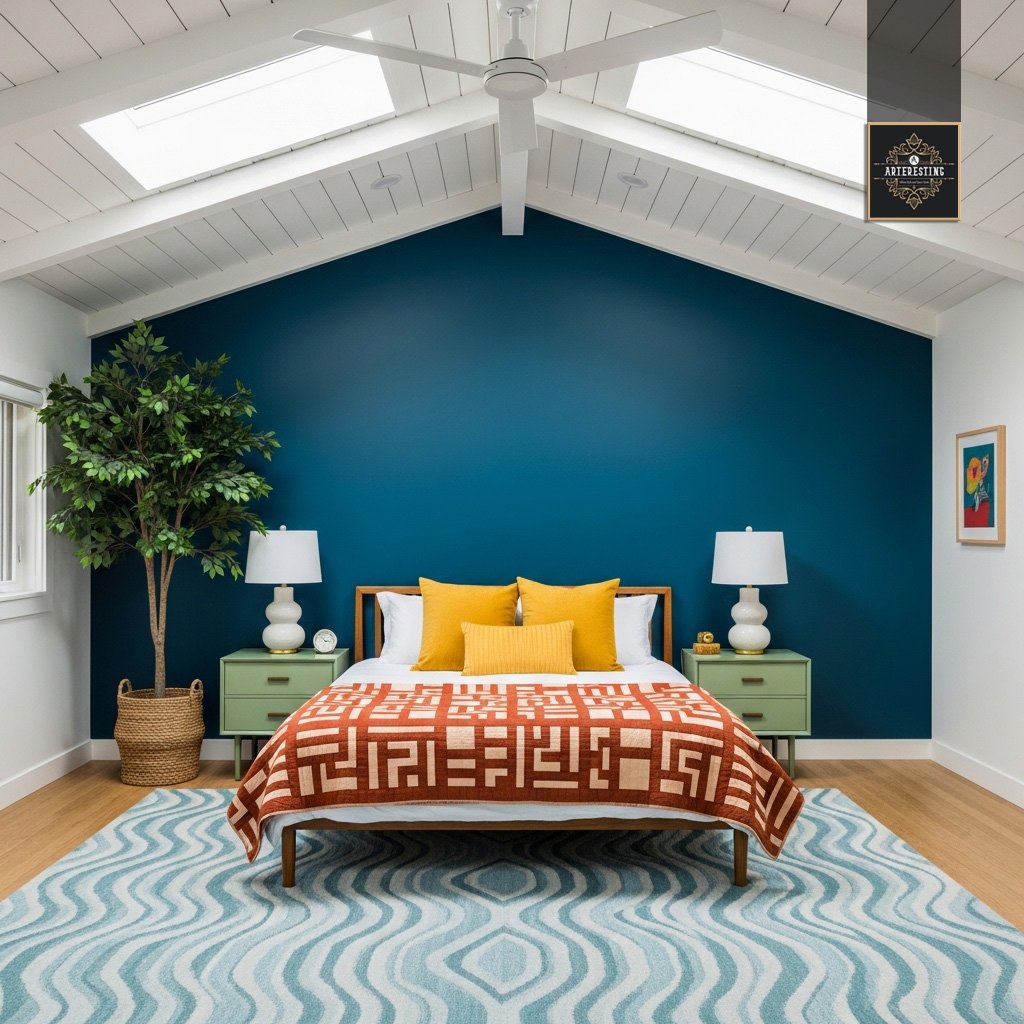
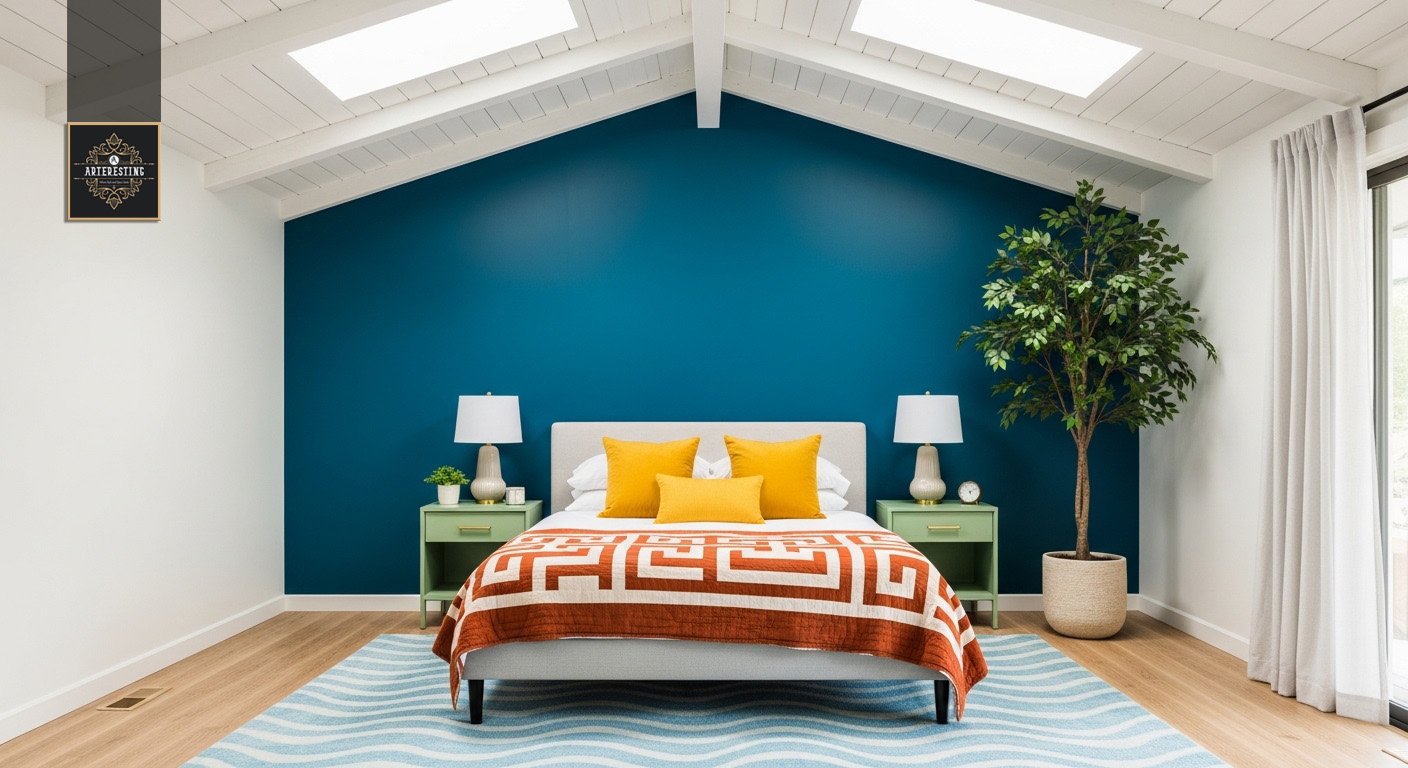
Color serves as a potent tool in the wellness arsenal, steering homes away from the stark whites and grays that once prevailed. Designer Andrea Goldman notes a shift toward rich, cocooning hues like deep greens, blues, and burgundies, which envelop spaces in tranquility. Even traditionally lighter rooms, such as bathrooms, are embracing these calming tones, fostering restorative environments that echo the serenity found in nature.
Consider painting an accent wall in a deep, soothing color to create a focal point that enhances the room’s overall tranquility.
Lighting Designed for Health
Lighting has evolved into a cornerstone of wellness-focused design, outgrowing its traditional role as a mere aesthetic choice. Ireland emphasizes the importance of lighting that mimics natural daylight, adjusting throughout the day to align with our circadian rhythms. This innovative approach not only enhances mood but also allows for dynamic adjustments tailored to different activities, thereby creating a more enriching home experience.
Incorporate dimmable smart lighting to create an adaptable ambiance that complements various moods and activities throughout the day.

Spa-Inspired Bathrooms
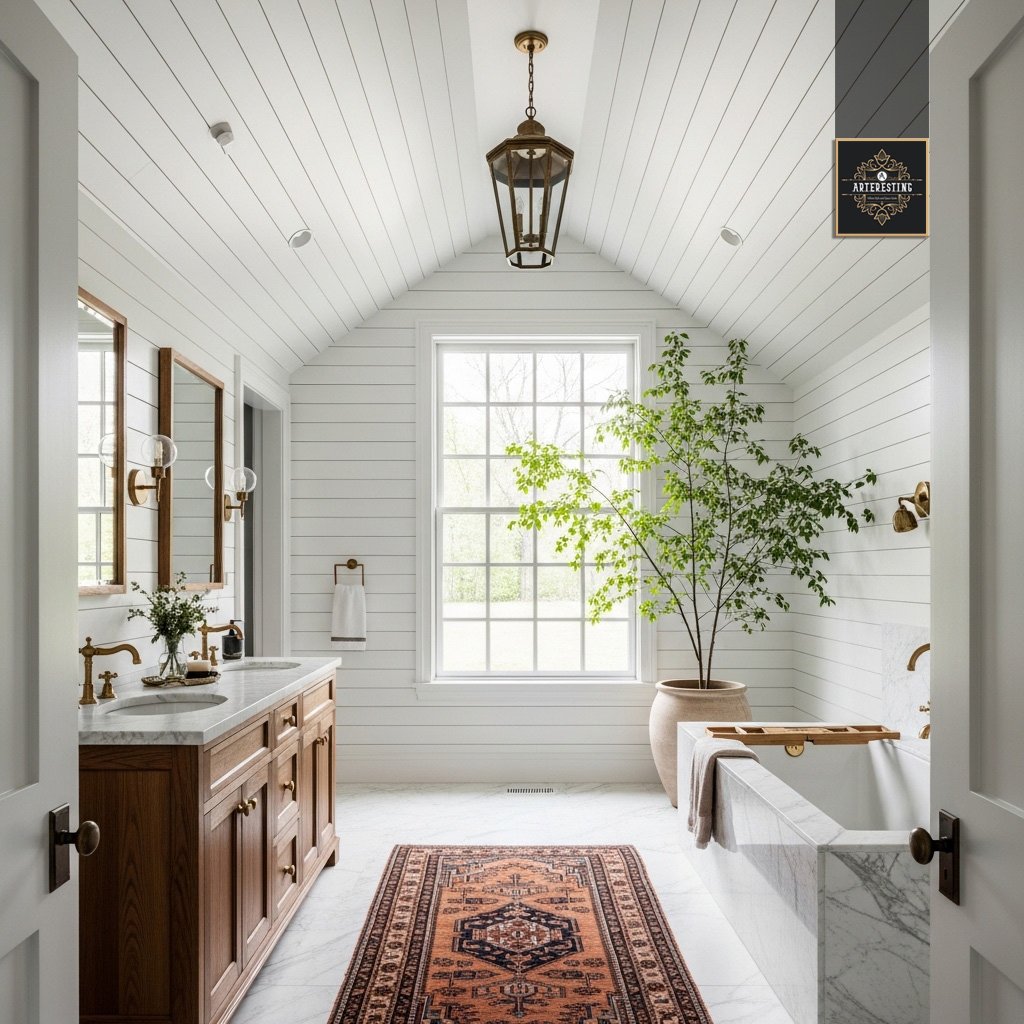
Bathrooms are rapidly transforming into personal sanctuaries, designed explicitly for relaxation and rejuvenation. The 2026 Bath Trends Report highlights the bathroom’s evolution into a retreat, where features such as steam showers, aromatherapy, and integrated seating are no longer luxuries but essential components of daily self-care rituals. The demand for smart toilets and therapeutic tubs further illustrates the growing expectation for holistic wellness in these intimate spaces.
Consider adding a freestanding soaking tub to create a spa-like focal point, enhancing both relaxation and aesthetic appeal.
Sensory Improvements
Sensory design plays a vital role in enhancing our connection to our homes. This approach emphasizes the importance of incorporating comforting textures and tranquil scents, creating a personal sanctuary that nurtures the spirit. Furthermore, by introducing elements that reduce sensory overload—such as quieter appliances and sound-absorbing materials—homes can become more conducive to relaxation and mindfulness.
Incorporate natural fibers in textiles and choose soothing color palettes to create a sensory-friendly environment that promotes calmness.
Biophilic Design and a Deeper Connection to Nature
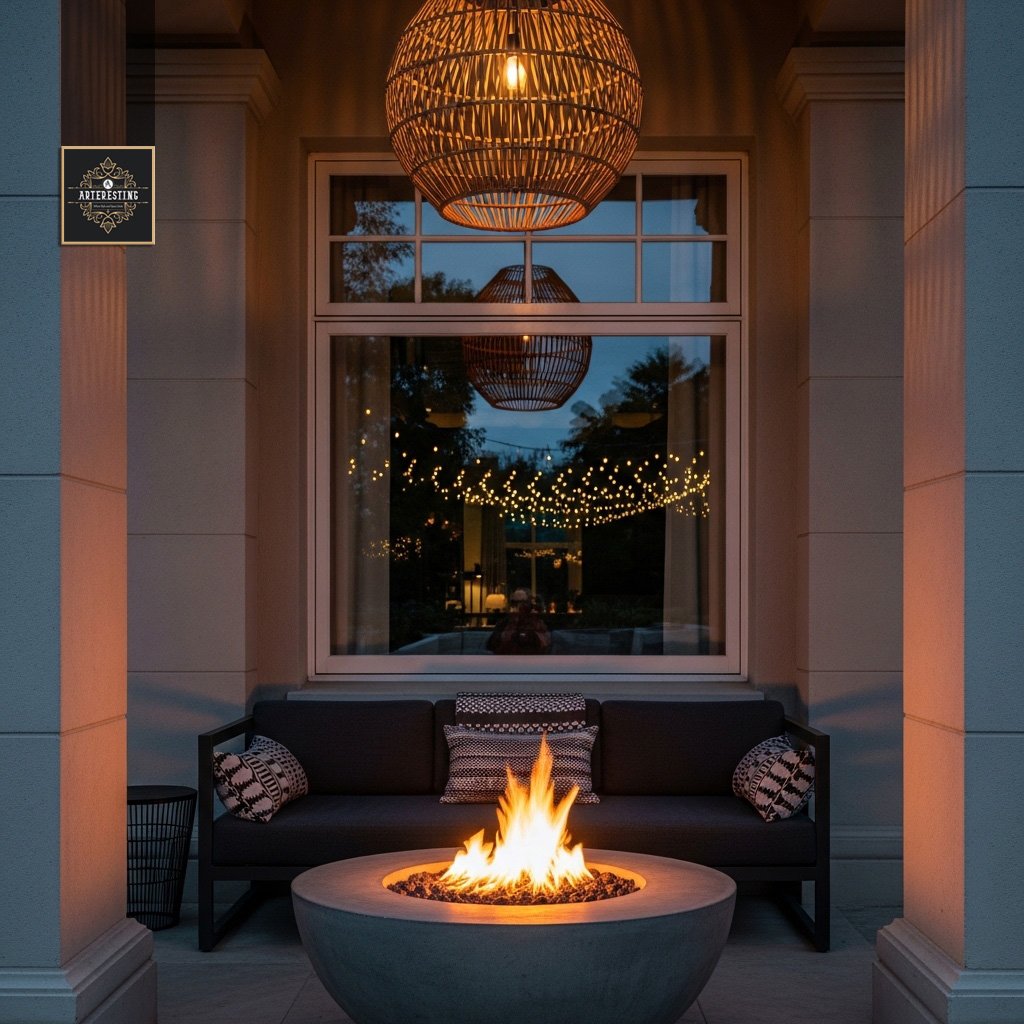
Biophilic design stands as one of the most transformative influences in the realm of wellness-centered homes. By integrating natural elements—such as abundant daylight, organic materials, and direct connections to the outdoors—this approach fosters a profound sense of well-being. Architectural features like expansive windows and lush greenery encourage occupants to engage with their environment, seamlessly bridging the gap between indoor comfort and outdoor beauty.
Incorporate large windows or glass doors to invite natural light and views of nature, enhancing both the aesthetic and well-being of your space.

Spaces for Movement, Unplugging, and Dedicated Self-Care
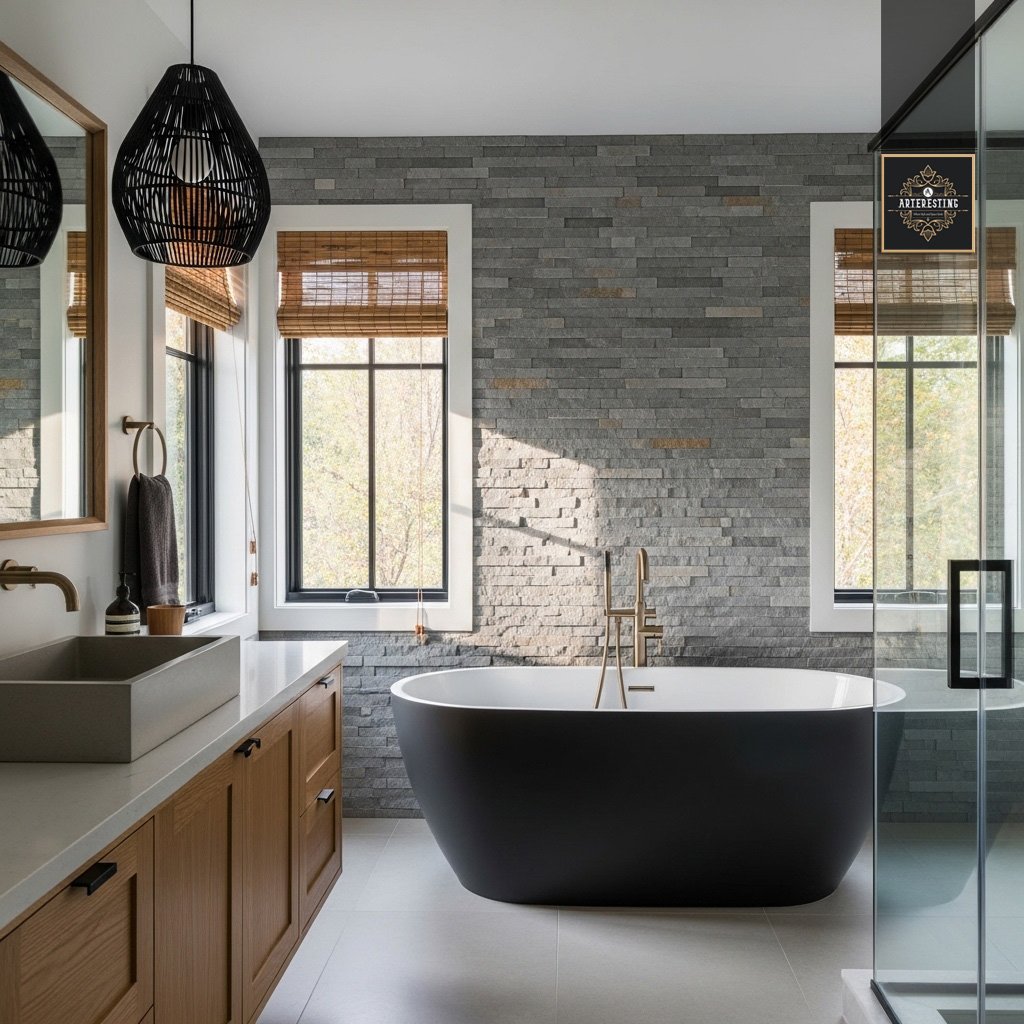
Dedicated spaces for wellness, movement, and relaxation are becoming increasingly prevalent in modern homes. The 2026 trend report reveals a notable rise in features like golf simulators and quiet reading nooks, highlighting the desire for areas that facilitate unplugged relaxation. Moreover, creating wellness rooms specifically designed for yoga, meditation, or hobbies fosters a sense of mindfulness and well-being, allowing individuals to reconnect with themselves in a tranquil setting.
Designate a tech-free zone in your home, perhaps a cozy nook with soft seating and good lighting, to encourage relaxation and unplugging from the digital world.
Healthier Materials and Indoor Air Quality
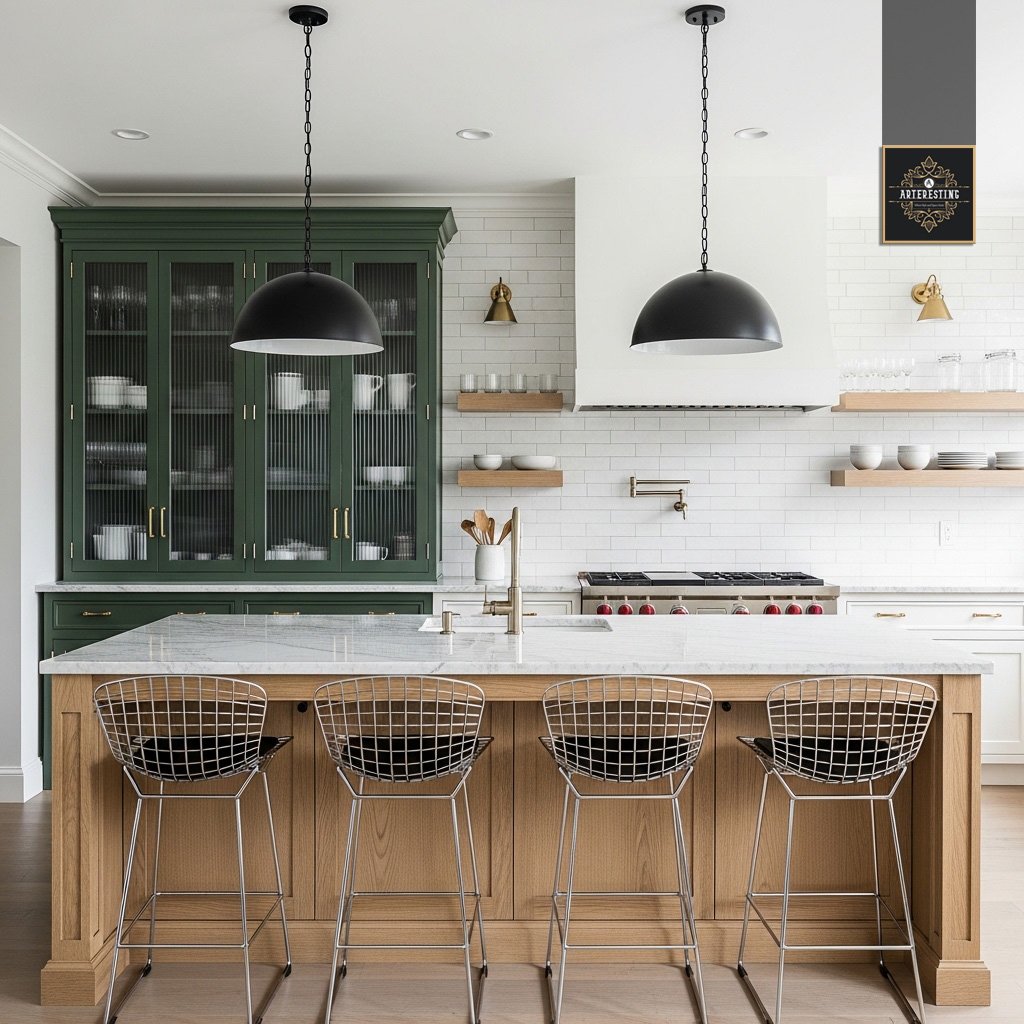
The selection of materials is increasingly scrutinized through a wellness lens, with a growing emphasis on how they impact indoor air quality and long-term health. Homeowners are gravitating towards low-VOC products, ensuring that their environments are free from harmful chemicals. Moreover, the demand for natural materials with inherent health benefits—ranging from antimicrobial properties to hypoallergenic textiles—has surged, reflecting a collective commitment to creating healthier living spaces.
Opt for natural materials and finishes that promote health and well-being, such as bamboo flooring or organic cotton textiles.

Kitchens That Support Healthier Living
As the heart of the home, the kitchen plays an instrumental role in promoting health and well-being. The NKBA’s 2026 Kitchen Trends Report reveals a shift towards intelligent, personalized kitchen spaces that encourage healthier eating habits. From advanced refrigeration systems designed to keep produce fresher to cooking appliances that utilize steam and air-fry technology, modern kitchens are evolving to support not just culinary creativity but also a more health-conscious lifestyle.
Incorporate elements such as a herb garden or a designated prep area to inspire healthy cooking and enhance the kitchen’s functionality.