Table of Contents
This exploration into the art of organization unravels the essential behaviors to avoid for a serene, structured home environment, guided by insights from seasoned professional organizers.
Make Impulse Purchases
Individuals who have mastered the art of organization understand the perils of impulse buying. Kristen Ziegler, founder of Minima in Richmond, Virginia, emphasizes the importance of mindfulness when it comes to purchases. A discerning approach involves contemplating whether an item truly serves a purpose or ignites joy, paired with ensuring it has a designated place in the home. This practice not only prevents clutter from accumulating but also cultivates a more intentional lifestyle.
Before making a purchase, ask yourself if the item will enhance your space and if you truly have a place for it—this simple question can save you from future clutter.

Hold Onto Items Due To Guilt
Letting go of possessions, especially those tied to guilt or obligation, is a hallmark of well-organized individuals. Ziegler highlights that freeing oneself from these burdens not only clears physical space but also liberates mental energy. This philosophy is particularly relevant when it comes to unwanted gifts, as releasing such items can rejuvenate one’s living environment and mindset.
Consider a ‘one in, one out’ rule—when a new item enters, let go of another, ensuring you maintain a curated collection.
Keep Piles Of Paper
In organized homes, paper clutter is a rarity. Alexandria Brouard of Cozy Home Studios in Washington, D.C., suggests implementing a straightforward system: recycle, file, or take action on documents and mail. This proactive approach prevents the overwhelming sensation of paper piles and guarantees that essential items are always accessible.
Create a designated inbox for all incoming papers and set aside time weekly to process them, ensuring nothing important slips through the cracks.
Buy Organizational Solutions Too Soon
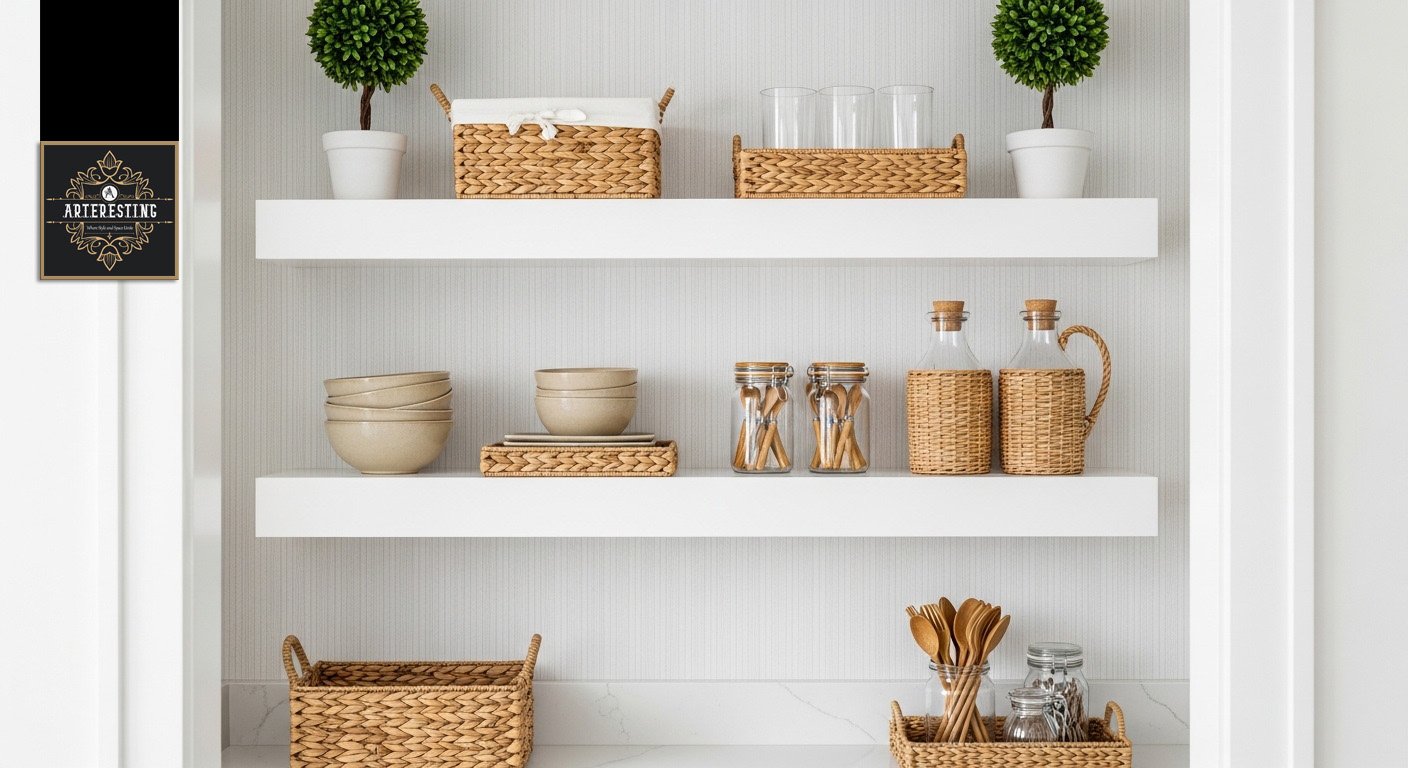
The thrill of purchasing bins and baskets can often overshadow the more critical steps of organizing. Brouard advises patience, suggesting that one should first declutter and categorize items before investing in storage solutions. This approach prevents unnecessary clutter and ensures that the chosen organizational tools truly meet the needs of the space.
Assess your space before purchasing any organization products; often, repurposing what you already own can be just as effective.
Leave Dishes In The Sink Overnight
Maintaining a clean kitchen is a vital aspect of an organized home. Jennifer Truesdale, founder of STR8N UP Professional Organizing Services in Charleston, South Carolina, emphasizes that taking just a few moments to wash dishes before bed can transform your mornings. Waking up to a tidy kitchen fosters a sense of calm and readiness for the day ahead.
Establish a nightly ritual that includes tidying up the kitchen; it’s a small effort that yields great rewards.
Leave Tasks For The Morning
Organized individuals typically do not leave tasks for the morning rush, as noted by Lesley Deseyu of Clean Lines Organizing and Design. Preparing the night before mitigates stress and cultivates a more peaceful start to the day. By encouraging all family members to anticipate the next day’s demands, everyone can enjoy a more restful night’s sleep and a harmonious morning.
Create a family checklist each night to streamline morning routines and ensure everyone is prepared.
Not Have A Home For Certain Items
In an organized home, every item is assigned a specific place. Angela Nguyen of Bring It Home Style in Northern Virginia explains that when each item has its designated spot—be it a chic basket for keys or a labeled bin in the pantry—putting things away becomes second nature. This effortless organization is fundamental to maintaining order, even amidst life’s busyness.
Invest in stylish and functional storage solutions that encourage everyone in the household to maintain organization effortlessly.

Follow Organizing Trends
Truly organized individuals are not swayed by fleeting organizing trends but rather focus on what best suits their lifestyle. Rachel Rosenthal of Rachel Organizes notes that a system should cater to one’s unique needs; for instance, while alphabetizing spices may appear appealing, it may not be practical. By grouping items based on how they are actually used, organization becomes sustainable and effective.
Choose organizational methods that align with your daily habits; practical systems will always outlast trendy ones.
View Organizing As A One-Time Project
Lastly, it’s crucial to recognize that organization is not a one-time endeavor but a continuous process. Rosenthal articulates that a single decluttering session each year will not suffice; rather, it is essential to regularly revisit and adjust systems as life evolves. This commitment to maintenance ensures a perpetually organized home.
Set aside time each month to reassess your organizational systems, ensuring they still serve you and your lifestyle.