Table of Contents
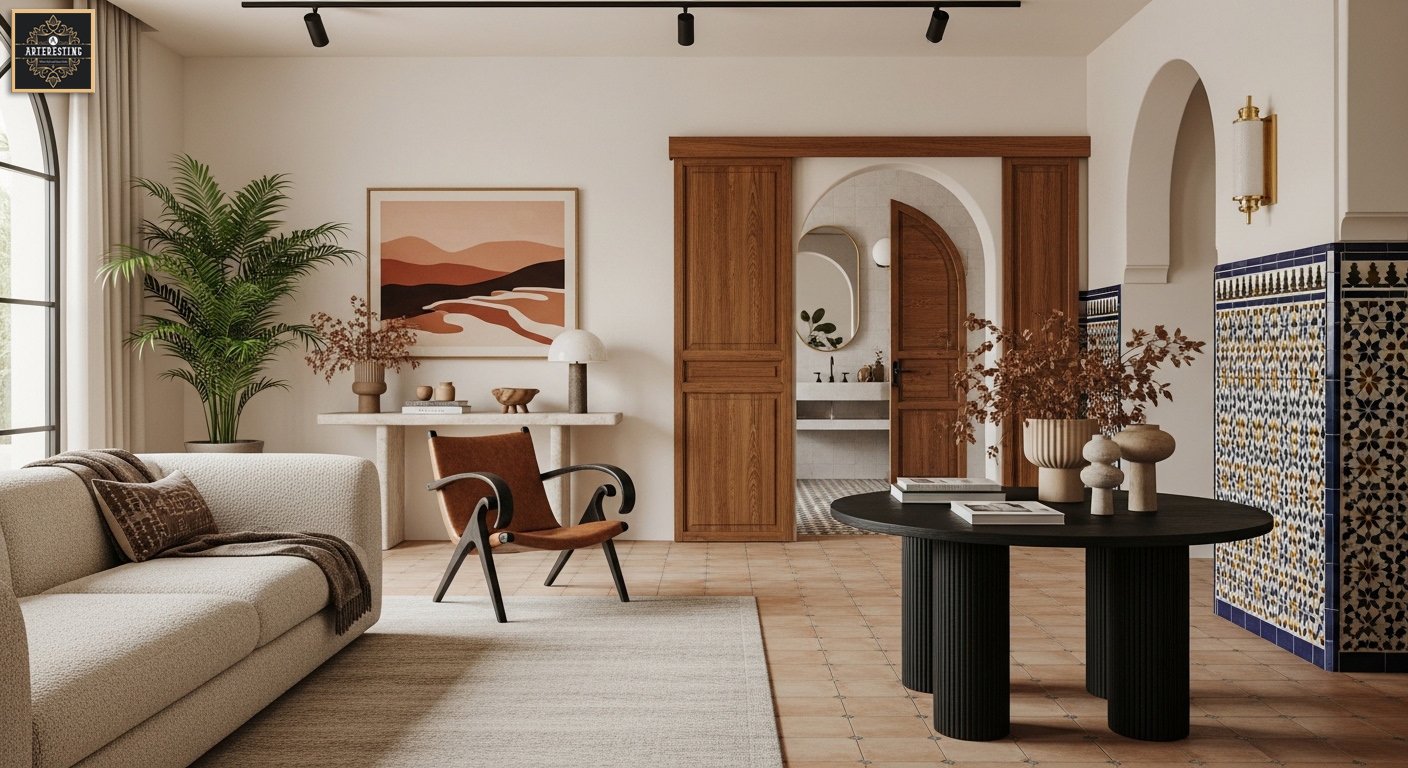
Fortunately, there are elegant solutions available that allow you to create intimate, well-defined areas within your existing open-concept layout, transforming your home into a sanctuary of comfort and style.
Why Are Homeowners Moving Away From Open Concept?
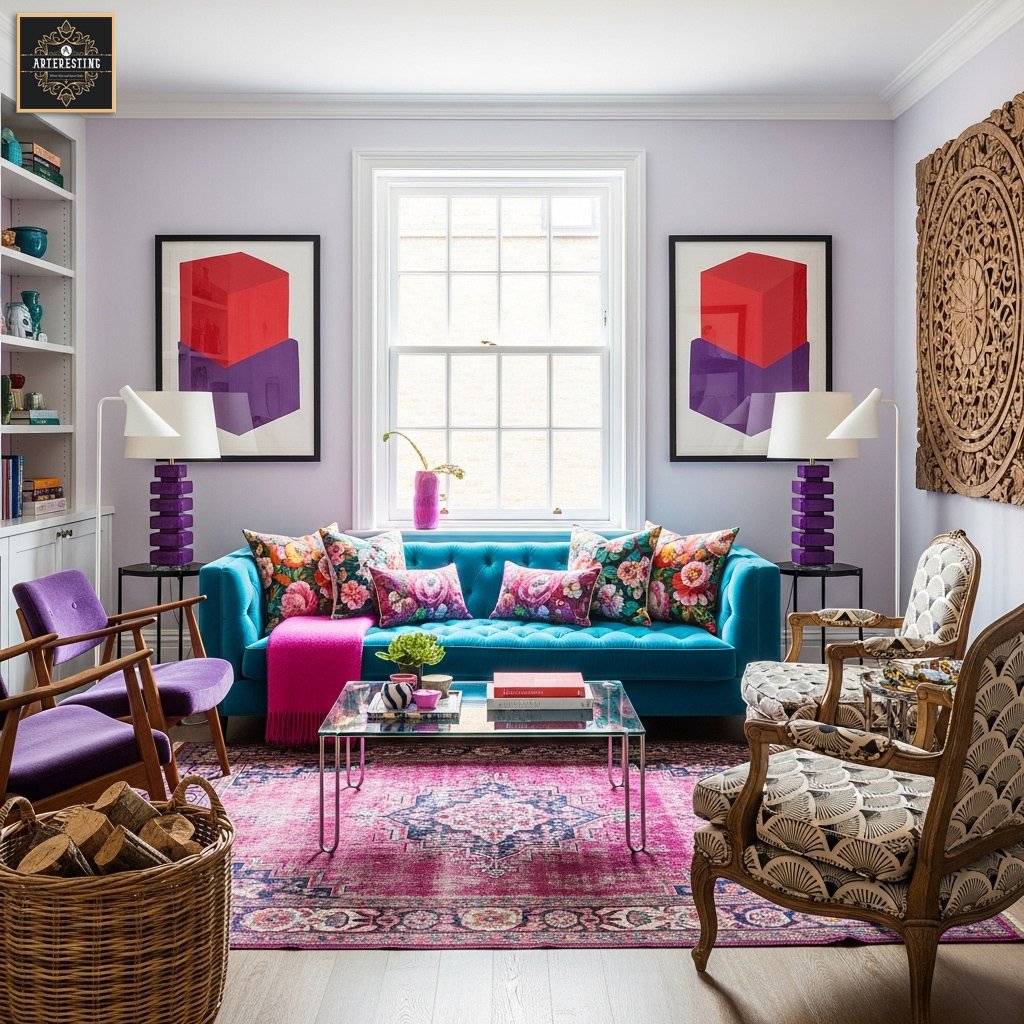
The recent shift in homeowner preferences toward more traditional floor plans can largely be attributed to the lifestyle changes brought on by the global pandemic. As families adapted to remote work and schooling, the desire for distinct spaces became more apparent. Designer Lindsay Speace of Lindsay Speace Interior Design notes that the return to defined gathering spaces allows for each room to develop its unique atmosphere, rich with textiles and art. This newfound appreciation for traditional layouts highlights a trend that reflects our evolving needs in a post-pandemic world.
Introduce a variety of textures and colors in each defined space to create a unique atmosphere that invites comfort and conversation.

Benefits of Defined Gathering Spaces
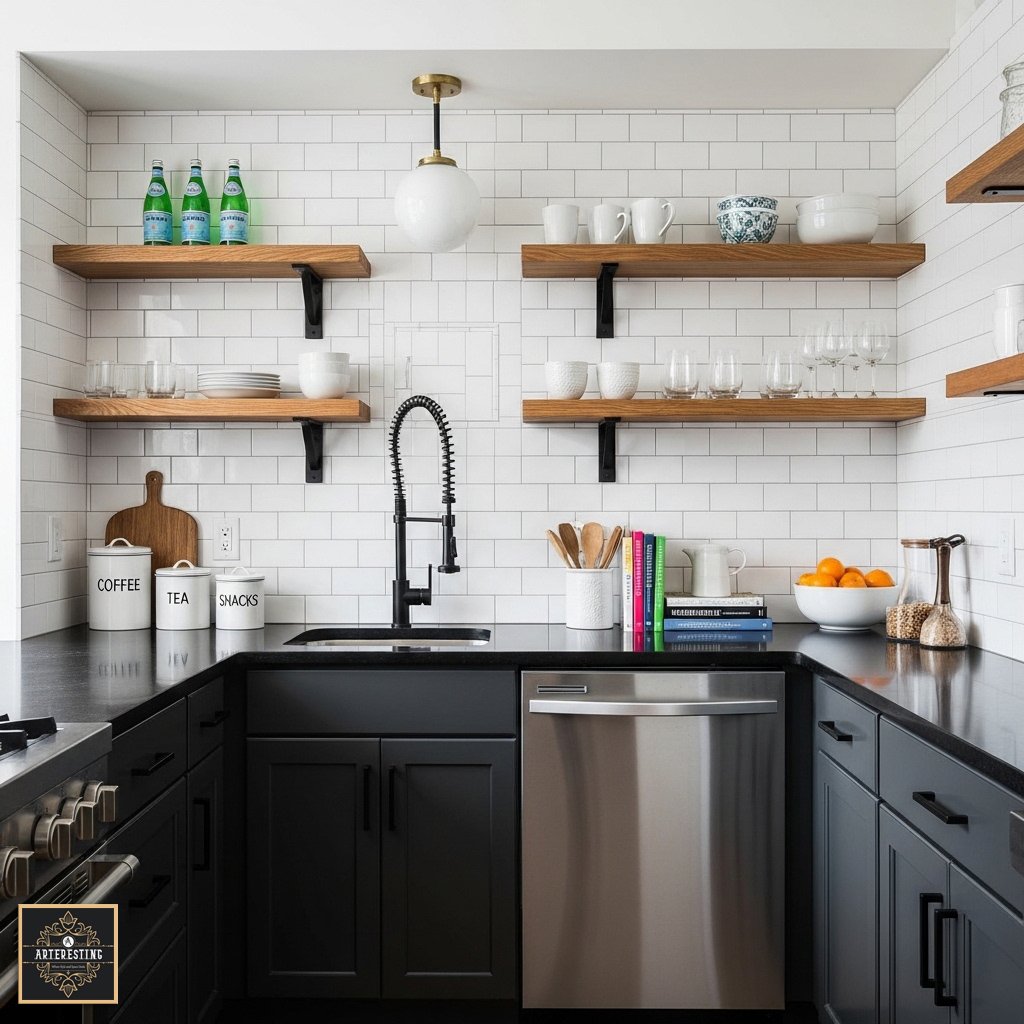
Defined rooms offer a myriad of advantages, particularly in terms of functionality and aesthetics. With walls to contain noise and clutter, these spaces become sanctuaries of peace amidst the hustle and bustle of daily life. Designers emphasize that separate areas can also facilitate more personalized decor choices, allowing for a richer expression of style and character. As Kathryn Lott of Kathryn Lott Designs articulates, having specific areas for living, dining, and working enhances the overall experience of the home, providing each space with its distinct purpose.
Utilize furniture placement to create natural boundaries, using larger pieces to delineate spaces without the need for walls.
Benefits of an Open-Concept Design
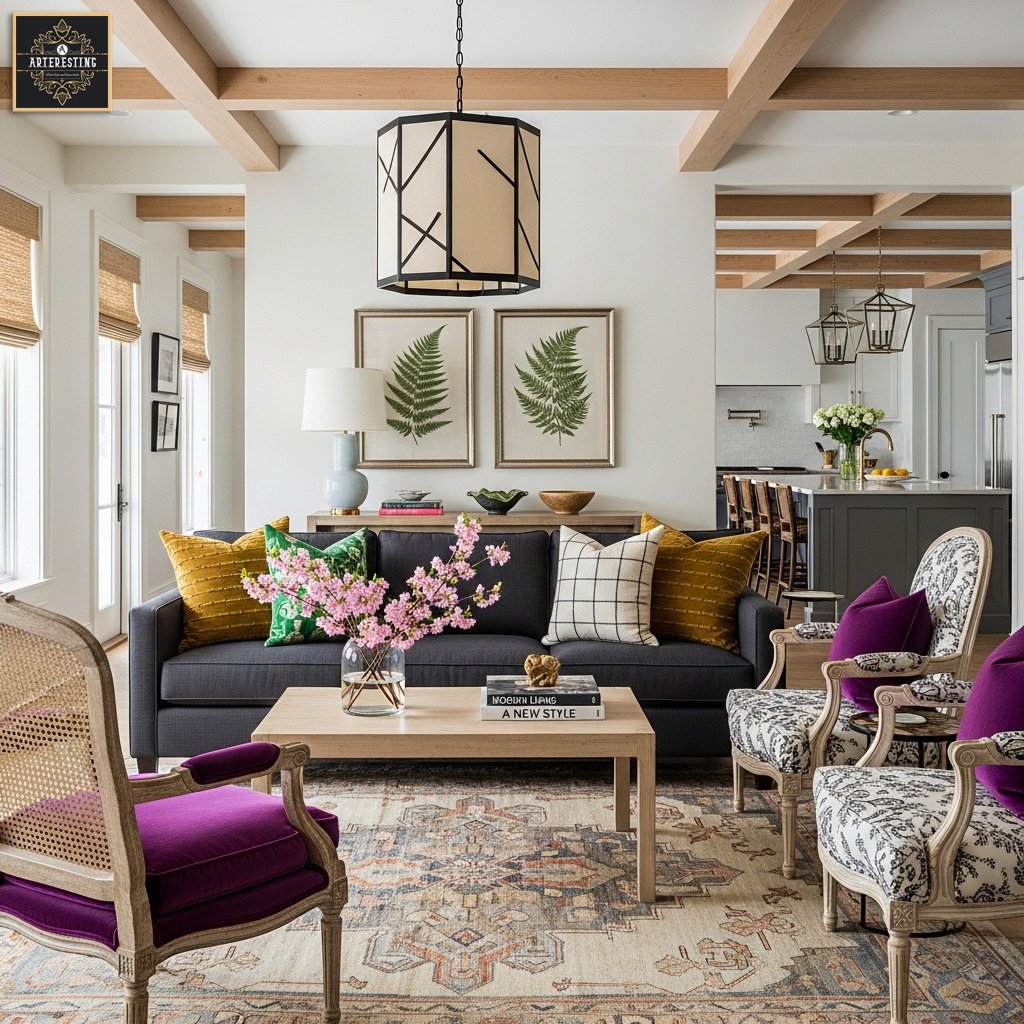
While many are embracing the charm of traditional layouts, the allure of open-concept designs remains strong for numerous homeowners, particularly families. The absence of barriers fosters a sense of connectivity, allowing everyone to engage with one another throughout the home. The informal nature of these designs aligns well with modern lifestyles, as highlighted by Speace, who notes the increasing trend toward casual, multifunctional spaces that accommodate both everyday life and entertaining.
Incorporate multifunctional furniture that can adapt to various activities, enhancing the usability of open spaces.

How to Create Defined Living Spaces No Matter a Home’s Layout
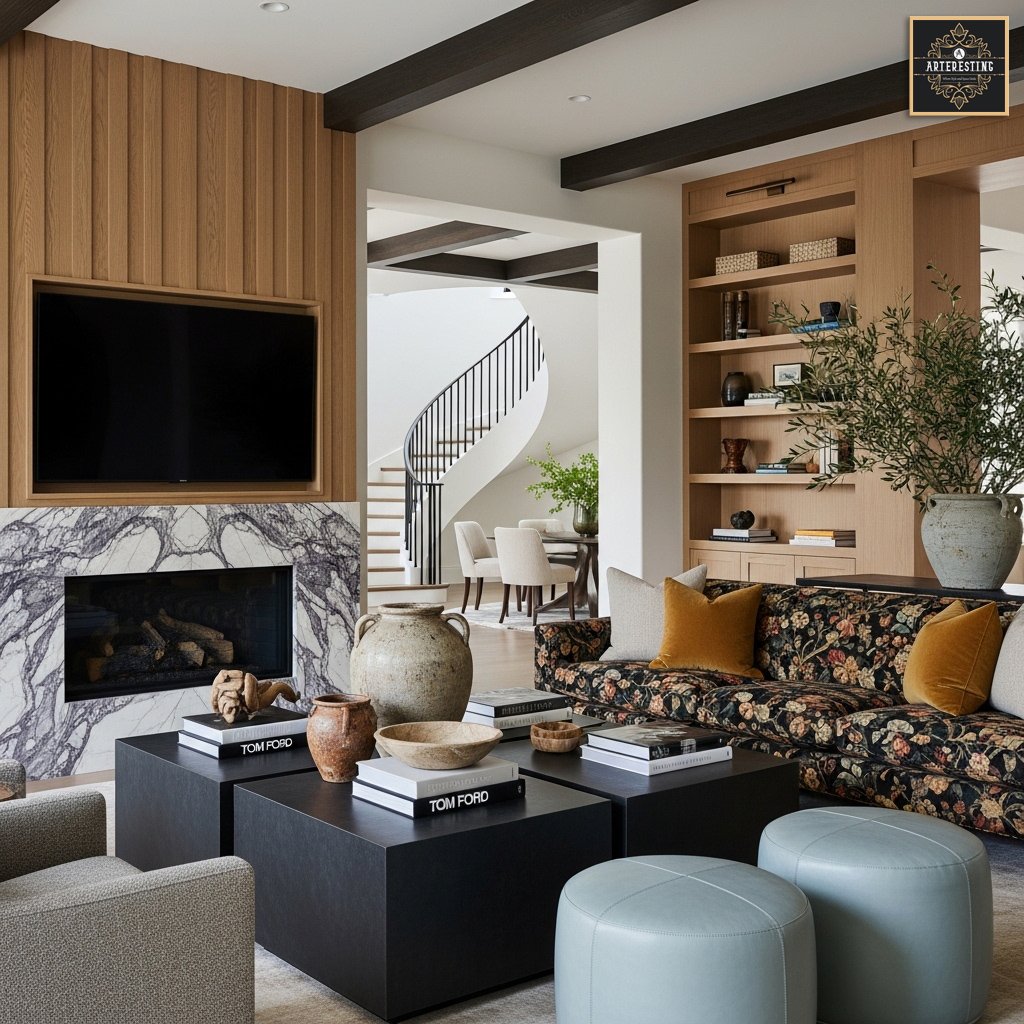
If you’ve found yourself yearning for more defined spaces within your open-concept home, you need not despair, for creative design can work wonders. Utilizing furniture and decor strategically can establish visual boundaries that evoke the feeling of separate rooms. For instance, positioning a console table behind a sofa can create a sense of division between the living and dining areas. Incorporating rugs to demarcate zones not only adds warmth but also enriches the overall aesthetic, setting the stage for intimate gatherings that feel both cozy and sophisticated.
Use layered lighting to create ambiance and define different areas, enhancing the overall mood of your space.