Table of Contents
Key Points
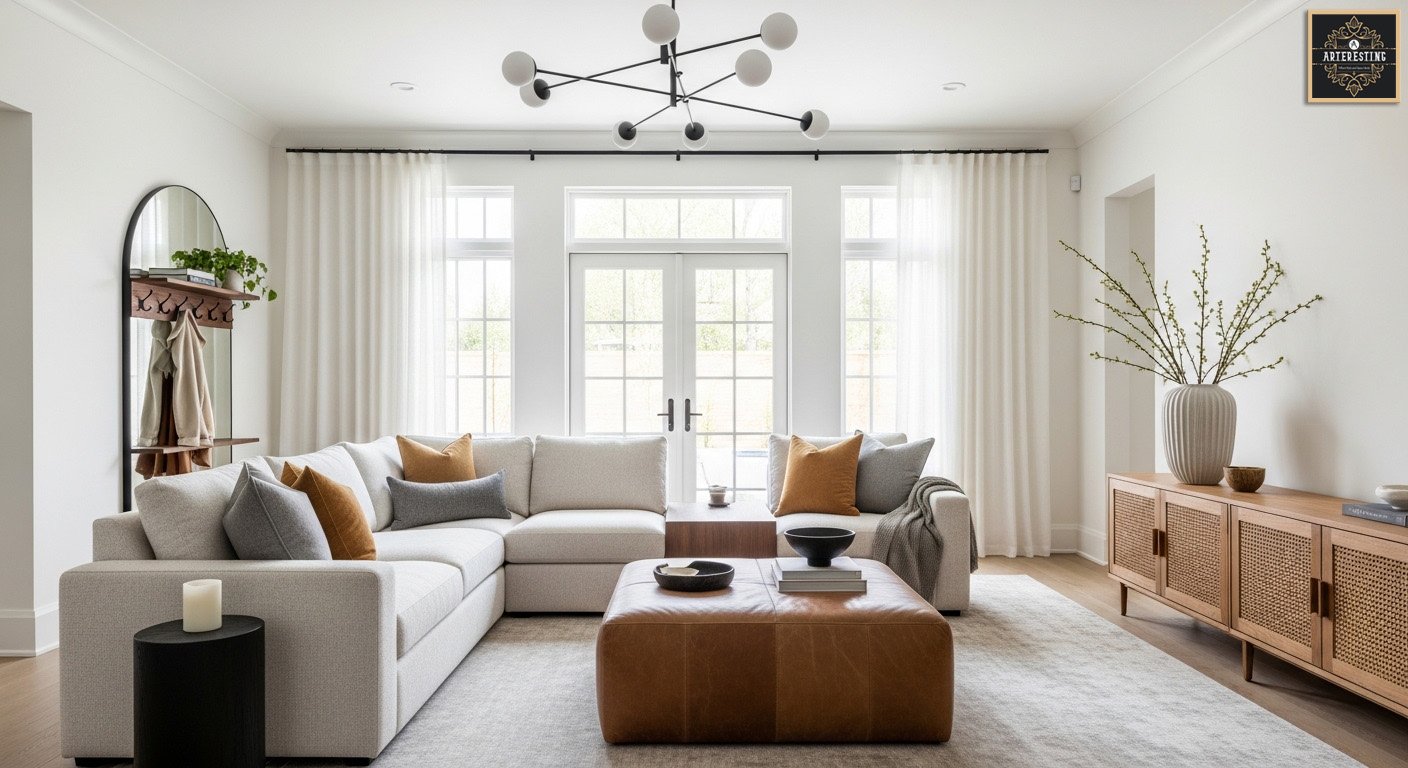
One of the guiding principles of interior design is that wood tones are most visually appealing when they complement rather than mirror each other. While there are instances where matching wood tones can work, such as in staircases, furniture legs, and vanities, it is essential to maintain a consistent color palette and temperature. This ensures that various wood shades can coexist beautifully within your space, creating a seamless visual narrative.
When working with multiple wood tones, aim for a balance in hue and warmth—this will unify the space and enhance its overall elegance.
Is It a Bad Idea for All Woods to Match?
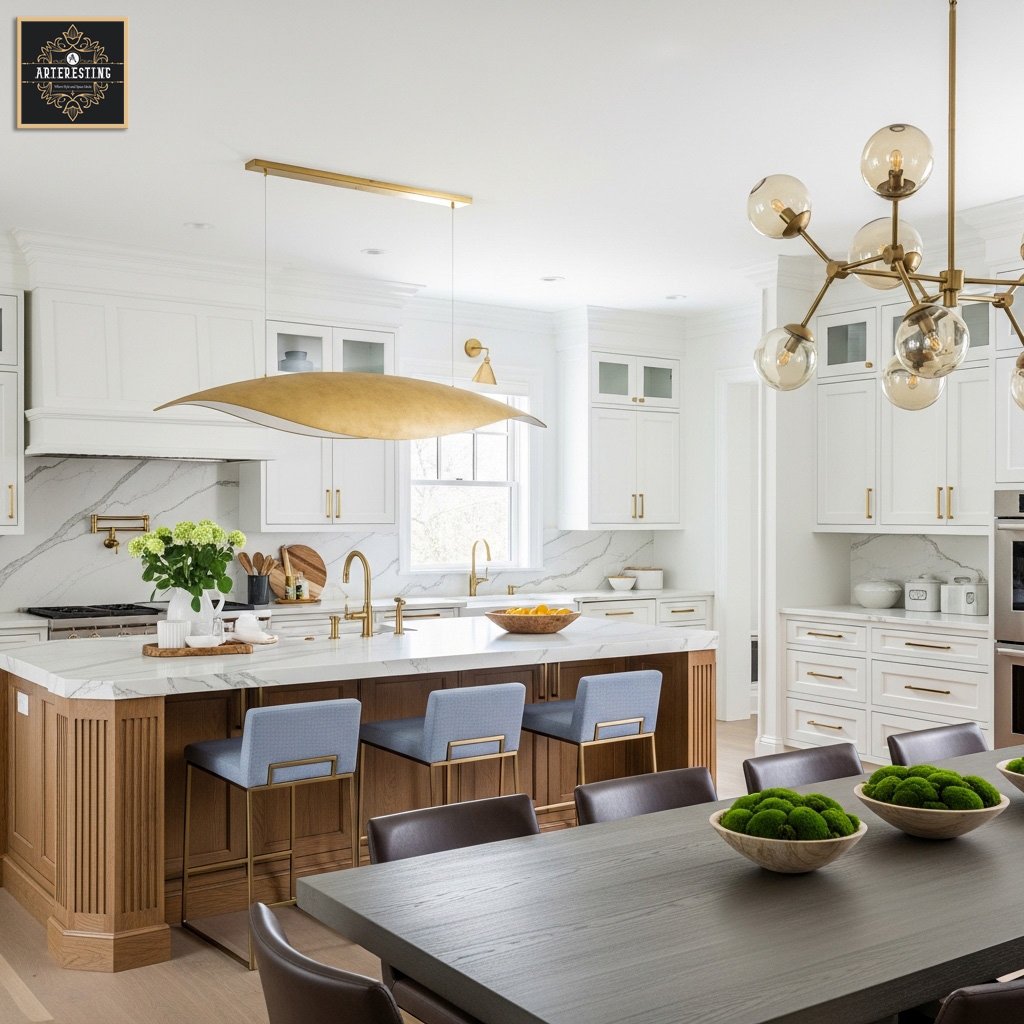
In the realm of interior design, the question often arises: Is it wise for all wood tones to match? While the allure of uniformity may tempt some, embracing variety can elevate the aesthetic appeal of a room. The key lies in selecting wood tones that share a similar color temperature or undertone, allowing them to coexist in a manner that feels intentional rather than chaotic. This nuanced approach invites intrigue and depth into your design.
Consider using a unifying element, such as a shared finish or sheen, to tie mismatched woods together elegantly.
When Woods Should Definitely All Match
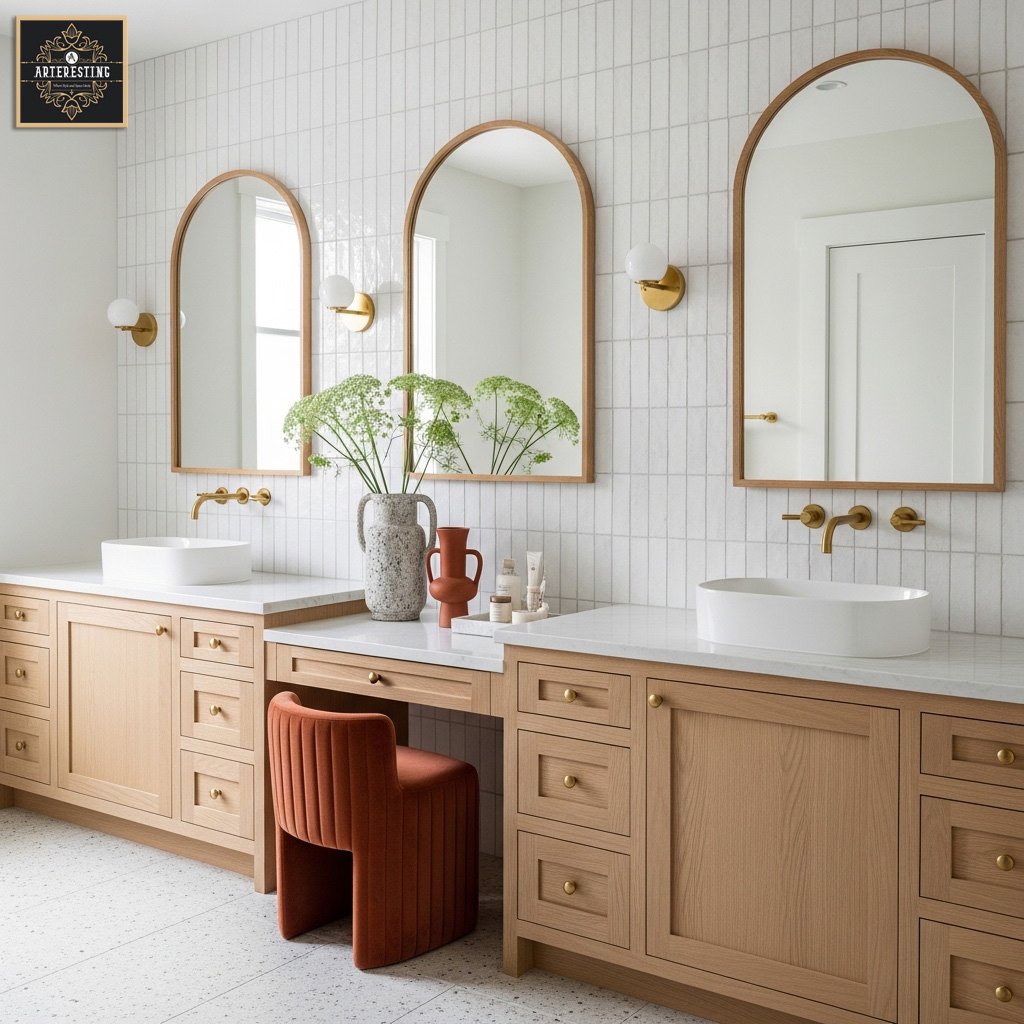
There are specific applications where matching wood tones is not merely acceptable but strongly recommended. For instance, in spaces such as bathrooms or small, intimate areas, using wood in the same shade can create a sense of unity and tranquility. This approach enhances the overall aesthetic and evokes a serene ambiance that is both inviting and polished.
In smaller spaces, consider using matching wood tones to visually expand the area while maintaining a cohesive look.

How to Style Mismatched Wood Furniture
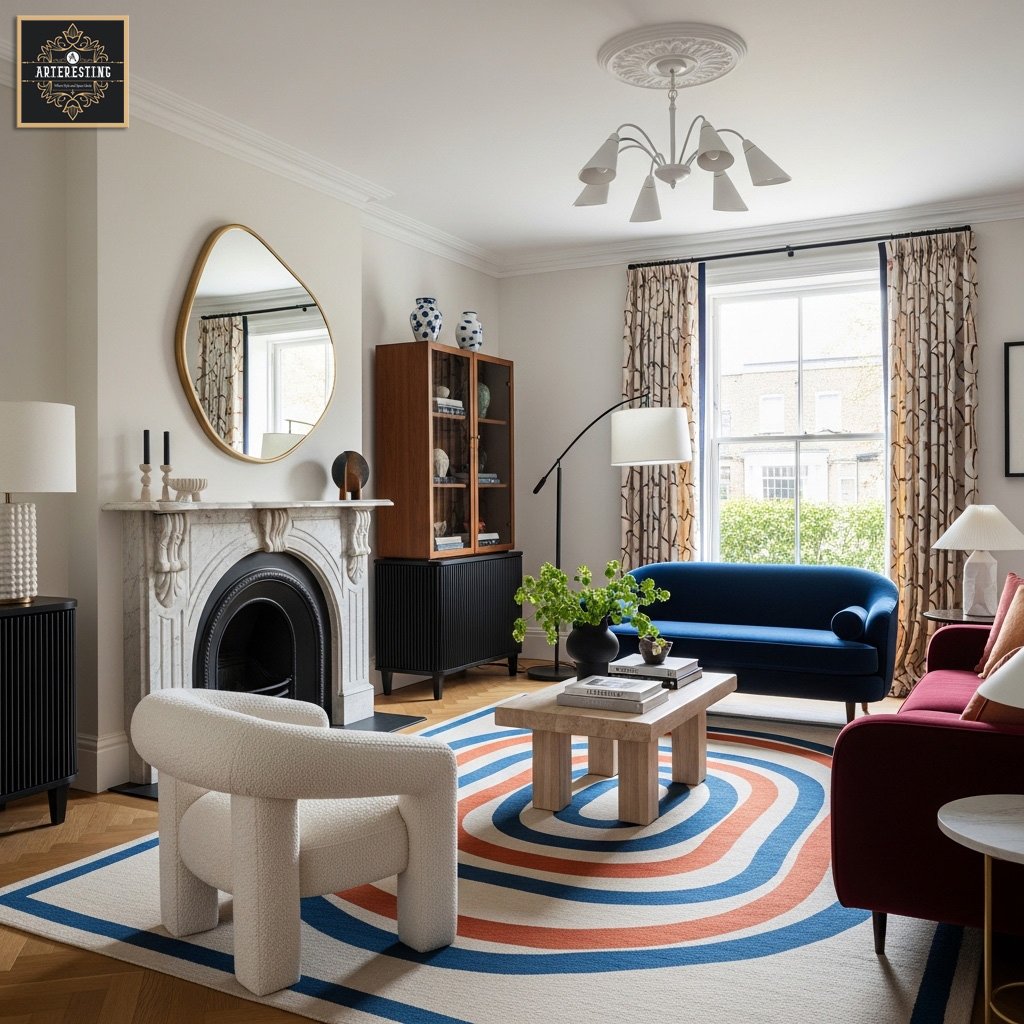
Styling mismatched wood furniture can be a delightful challenge, inviting creativity and personal expression into your space. To achieve harmony, consider selecting a dominant wood tone that acts as the anchor for your design. Then, layer in complementary pieces that share similar undertones, allowing them to coexist in a balanced manner. This thoughtful approach transforms potential discord into a symphony of textures and colors.
Incorporate textiles or accessories in neutral tones to bridge the gap between mismatched woods, creating a cohesive look.
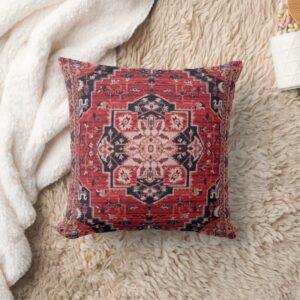
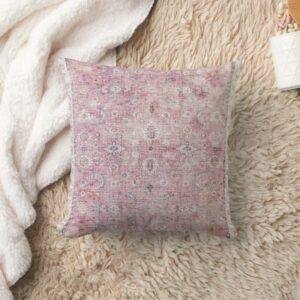
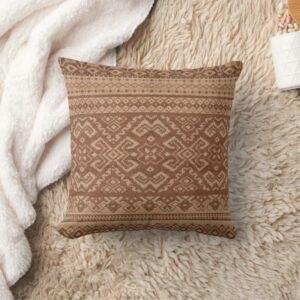
Shop The Look
4 Tips for Styling Wood Furniture With Wooden Floors
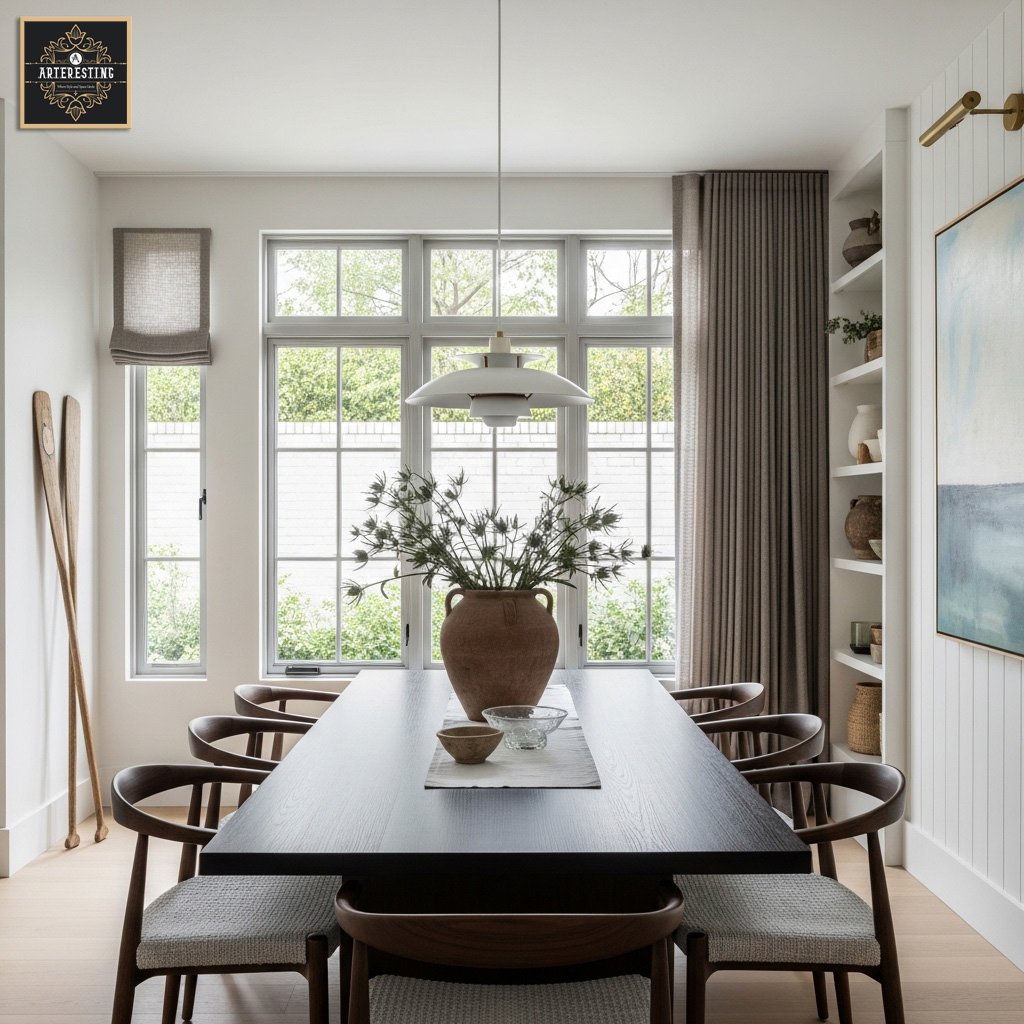
When it comes to styling wood furniture against wooden floors, a few guiding principles can pave the way for aesthetic harmony. First, aim for contrast; pairing light wood furniture with darker floors creates a striking visual effect. Additionally, consider the grain patterns; combining woods with varied textures can add depth and interest. Pay attention to the overall color palette, ensuring that the hues play well together for a unified look. Lastly, utilize area rugs to define spaces and create visual breaks between different wood tones.
Select area rugs that complement both your furniture and flooring to create a cohesive and layered look.
Custom Designer Curtains
Never treat window treatments as an afterthought. Transform your space with our curated collection of custom-printed curtains. From vintage florals to modern aesthetics, available on luxurious Cypress Cotton Canvas or Belgian Linen.