Table of Contents
Undefined Zones
The kitchen is often regarded as the heart of the home, a place for gathering and connection. Yet, as interior designer Jessica Whitley from Athens, Georgia, highlights, a lack of defined areas can lead to chaos. In smaller kitchens, this bottleneck effect is exacerbated, where the proximity of hot pans and foot traffic can disrupt the flow and create an uncomfortable atmosphere. To cultivate a seamless experience, it’s essential to establish clear zones that allow for both cooking and socializing without feeling cramped.
Consider adding a designated seating area or a small breakfast nook to create a natural flow and an inviting space for gathering.
All Closed Cabinetry
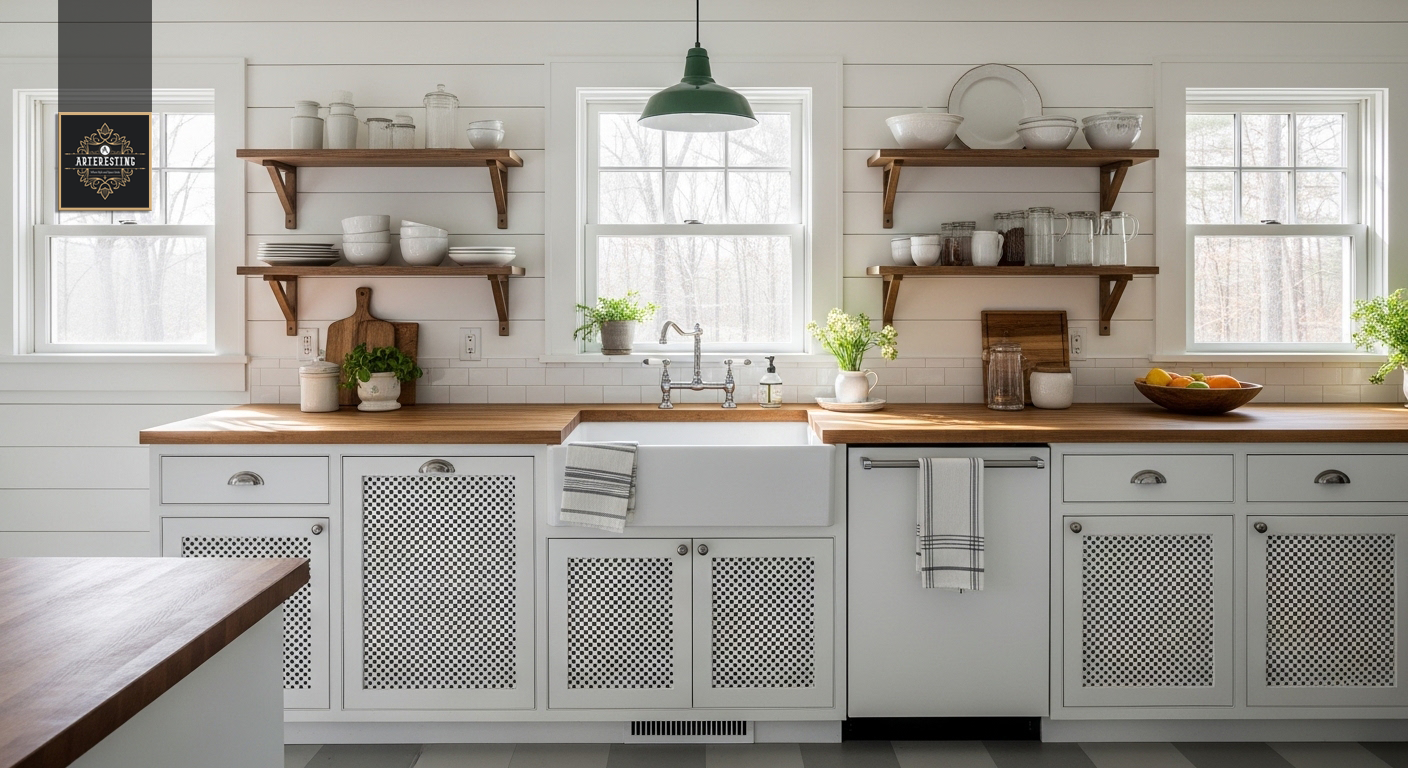
In the world of small kitchens, storage is paramount. Esther Ellard, principal designer of Effortless Designs, emphasizes the importance of wall-to-wall cabinetry to maximize storage without sacrificing style. Yet, she advocates for a balanced approach—incorporating a mix of closed cabinetry with glass fronts or open shelving. This strategy not only enhances storage capabilities but also creates an illusion of airiness, alleviating the feeling of confinement that can plague smaller spaces.
Choose open shelving for decorative items or frequently used utensils to add both function and charm to your kitchen.

Uncomfortable Islands
The kitchen island is a coveted feature in many modern homes, yet Heather Chadwick, a senior designer at O’Hara Interiors in Austin, Texas, warns against common pitfalls. Islands should have a minimum overhang of 12 inches, but for optimal comfort, an 18-inch overhang is recommended. This ensures that stools can tuck in neatly and guests can sit comfortably without feeling crammed. Furthermore, maintaining sufficient space between the island and surrounding cabinets is crucial to avoid a congested environment.
Ensure there is at least 36 inches of clearance around your island to facilitate easy movement and prevent the kitchen from feeling cramped.
Lack of Flow
Functionality is paramount in small kitchens, as highlighted by Jessica Whitley. A well-thought-out kitchen design allows for a harmonious interaction between appliances and storage elements. Poor placement of cabinet doors, appliance doors, and drawers can create unnecessary friction, forcing you to navigate around obstacles. For instance, a cabinet door that swings into the path of a dishwasher can complicate simple tasks, leading to frustration. A thoughtful layout, where everything is within reach and high-traffic areas are clear of hot zones, can significantly enhance the usability and comfort of the space.
Ensure that essential kitchen tools are stored near their respective areas of use to streamline your cooking process.
Dark Cabinetry
While dark finishes can bring an element of sophistication to a kitchen, they can also inadvertently make the space feel smaller. Esther Ellard notes that an abundance of dark colors can absorb natural light, creating a claustrophobic atmosphere. To achieve a balanced aesthetic, consider incorporating lighter elements or contrasting textures that allow for depth without sacrificing openness. For those who favor darker hues, using them sparingly on backsplashes or countertops can provide the desired effect without overwhelming the room.
Pair dark cabinetry with lighter countertop materials to create a striking contrast that enhances light and space.
Big Furniture
Choosing the right scale for your kitchen furnishings is vital. As Chadwick advises, oversized tables and chairs can overwhelm a small kitchen, making it feel even more confined. To maintain an airy atmosphere, ensure there is ample space between furniture and walls. A minimum of three feet between a wall and a seated chair is ideal, allowing for ease of movement and preventing the space from feeling cluttered.
Opt for lightweight, minimalist furniture that complements the kitchen’s scale to ensure a harmonious balance.

Small Cabinetry
Cabinets and drawers are essential components of any kitchen, yet their size and functionality are of utmost importance. Dusti Jones emphasizes that if cabinetry is too small to accommodate essential items, such as a cast-iron skillet or cooking utensils, they defeat the purpose of storage altogether. Instead of simply adding cabinets for the sake of filling space, consider the practical needs of your kitchen, ensuring that everything you install can be put to good use, thereby minimizing countertop clutter.
Choose cabinetry that not only fits the space but is also practical for your cooking needs, allowing for a seamless kitchen experience.