Table of Contents
Key Takeaways
When choosing the right bathtub, consider your family’s specific needs, the dimensions of your space, and the intended use. From soaking to speedy showers, understanding the purpose of your tub can guide your decision. Accessibility features, such as low entry points and grab bars, are critical considerations that ensure safety and comfort for all family members.
Consider a bathtub with a built-in seat for added comfort, especially when catering to varying age groups in your household.
Standard Bath Sizes
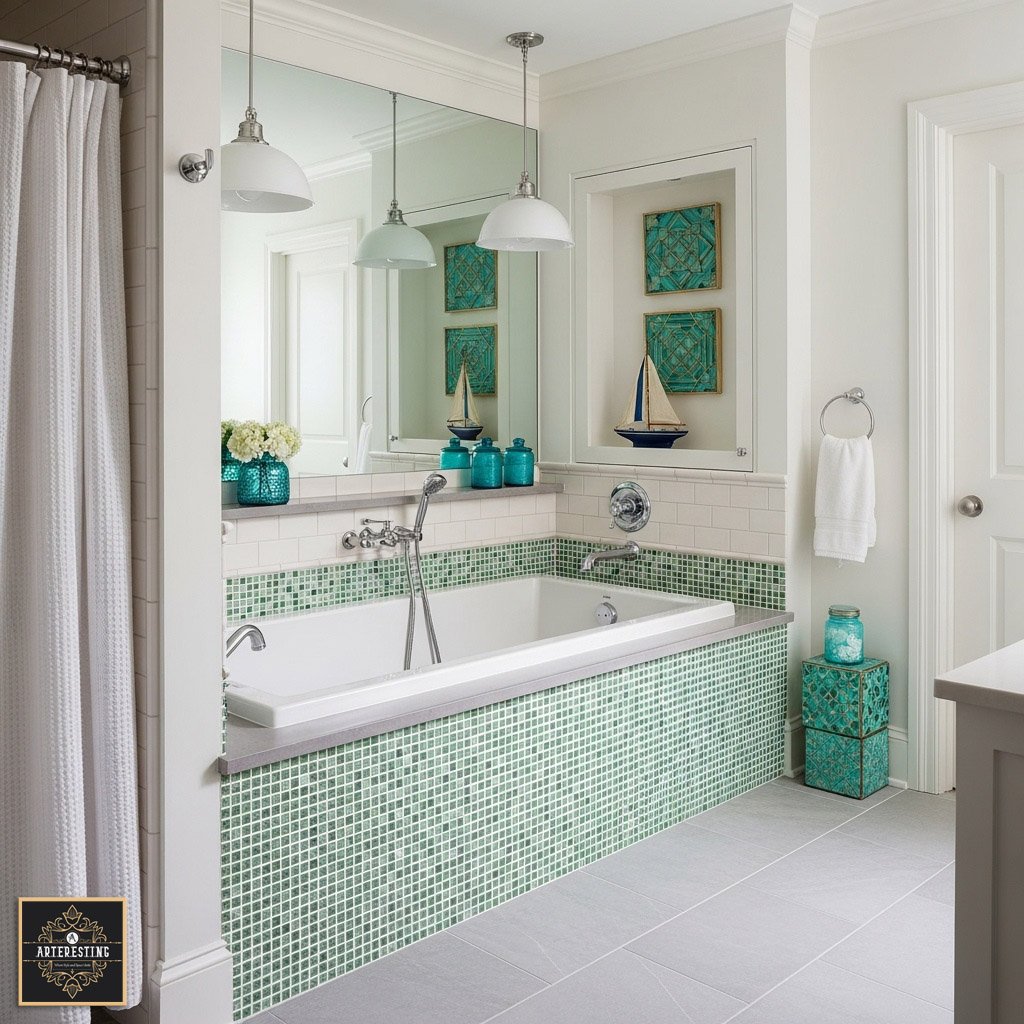
Standard bathtub sizes can vary greatly depending on your geographical location and the type of tub you choose. In the U.S. and Canada, the alcove tub reigns supreme, typically measuring around 60 inches in length and 30 to 32 inches in width. However, it’s important to verify dimensions with manufacturers, as each may differ slightly. Vintage or luxury options may offer deeper and wider designs, creating a luxurious bathing experience that standard tubs cannot match.
When choosing a tub, opt for one that complements the overall design aesthetic of your bathroom, enhancing the space rather than overwhelming it.
Custom Tub Considerations
For those considering a custom tub, the decision often hinges on the specific needs of the household. Factors such as the height and build of the users, as well as the layout of the bathroom, play critical roles in this choice. A taller individual may require a longer tub for comfort, while unique bathroom dimensions may necessitate bespoke solutions that standard models simply cannot provide.
Consider custom materials that align with your home’s style—think cast iron for a vintage feel or acrylic for modern minimalism.
Determining Tub Depth
Choosing the depth of your bathtub is essential, particularly when considering who will use it most frequently. Families with young children might benefit from shallower tubs that allow easy access, while athletes seeking muscle recovery may require deeper, more spacious designs. The height of the tub’s edges can significantly impact comfort and usability, making it vital to assess the needs of your household before making a decision.
Test out various tub depths in showrooms to find what feels most comfortable for your unique bathing preferences.
Accessibility Features to Review
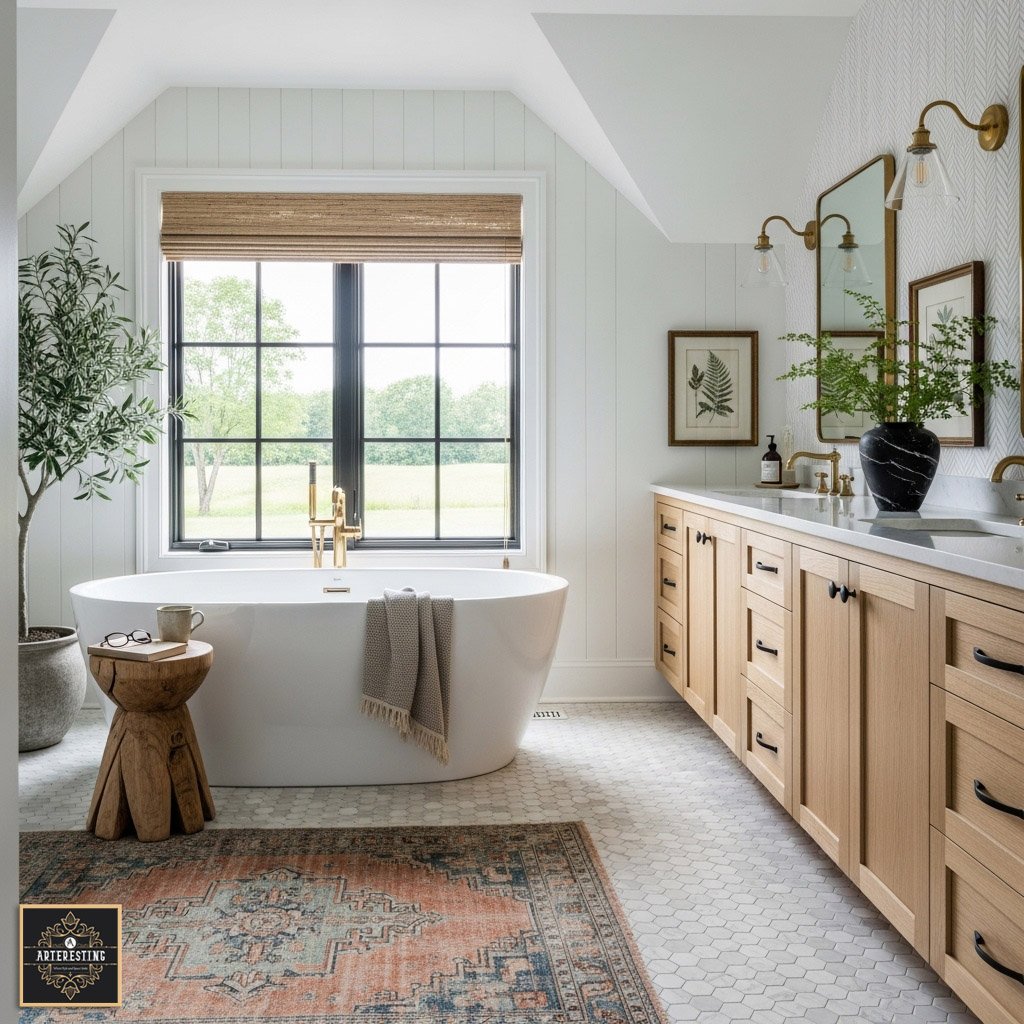
As families evolve, so too do their needs for a bathtub that accommodates all ages and abilities. Walk-in tubs, for example, allow individuals to enter without the risk of stepping over a high edge, proving invaluable for those with mobility issues. Accessibility features can enhance the usability of a tub without compromising size, but careful planning is essential to integrate these elements seamlessly into your bathroom’s design.
Incorporate grab bars and non-slip surfaces for enhanced safety, especially if the tub will be used by seniors or those with special needs.

Evaluate If the Tub Is for Soaking, Showering, or Both
The intended use of your tub will heavily influence your choice. For frequent showerers, a shallower alcove model might suffice, while dedicated bathers may prefer a deeper soaking tub that allows full immersion. Understanding how the tub will be used daily helps in selecting one that meets both functional and aesthetic demands, ultimately enhancing the bathing experience.
If soaking is a priority, consider a tub with built-in jets for a luxurious hydrotherapy experience.