Table of Contents
The Aesthetic Breakdown
Elegant / Minimalist
Serene Joy
Cotton.
Azure, Coral, Charcoal
Closed Kitchens: The Return to Classic Design
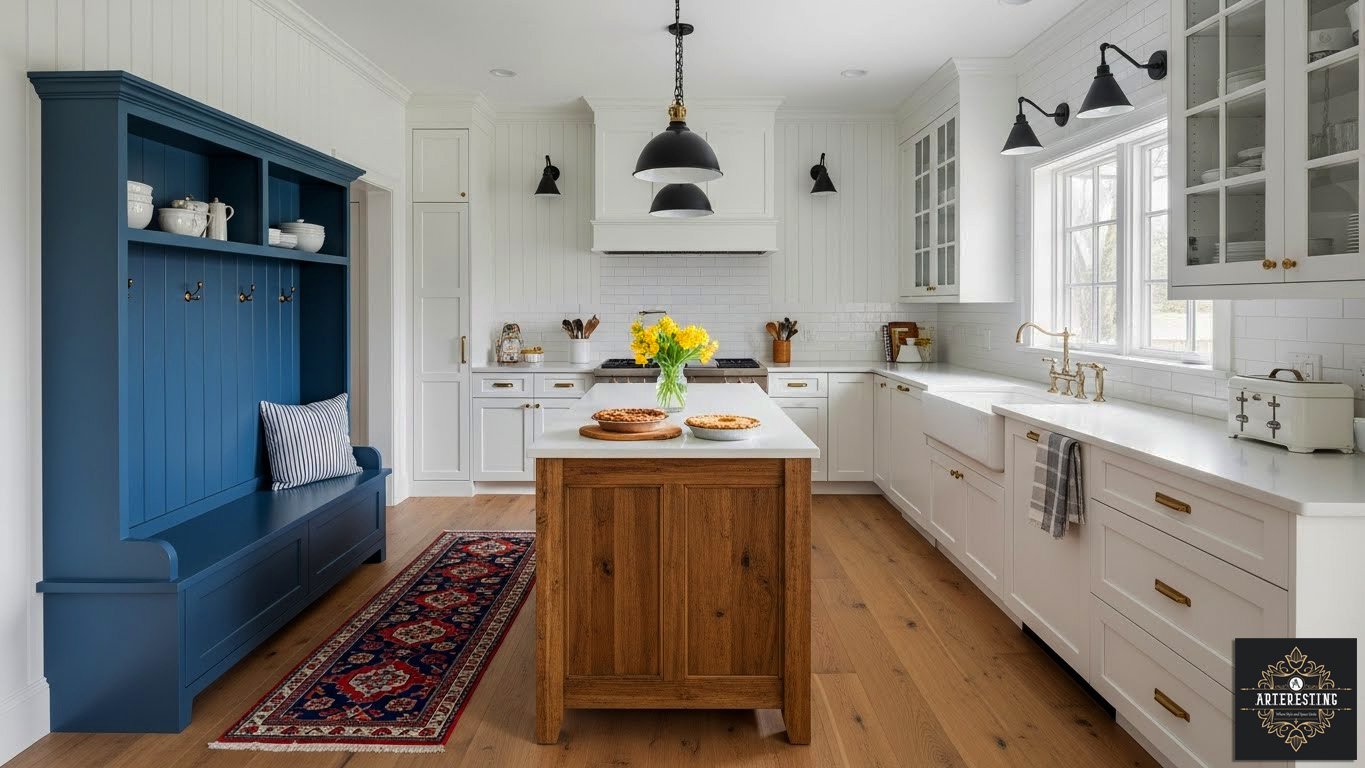
For years, open-concept kitchens have dominated the home design landscape, seamlessly merging cooking, dining, and entertaining into one cohesive space. Yet, a shift is underway as homeowners and designers increasingly gravitate toward the charm of closed kitchens. This resurgence is not merely a trend; it speaks to a desire for functionality, architectural integrity, and a touch of traditional elegance.
Understanding Closed Kitchens
A closed kitchen is a distinct room dedicated to culinary activities, set apart from other living spaces by walls or doors. In contrast to the open kitchen, which fosters an uninterrupted flow into dining and living areas, the closed kitchen offers a more traditional, intimate setting. According to Yoko Oda, a designer from California, this separation allows for a focused cooking environment, free from distractions.
Historically, closed kitchens were prevalent in American homes, but they lost favor during the mid-20th century. Homeowners sought brighter, more interconnected spaces that encouraged family interaction. This evolution turned kitchens into vibrant hubs for social gatherings, where cooking was as much a part of entertaining as dining itself.
The Allure of Closed Kitchens
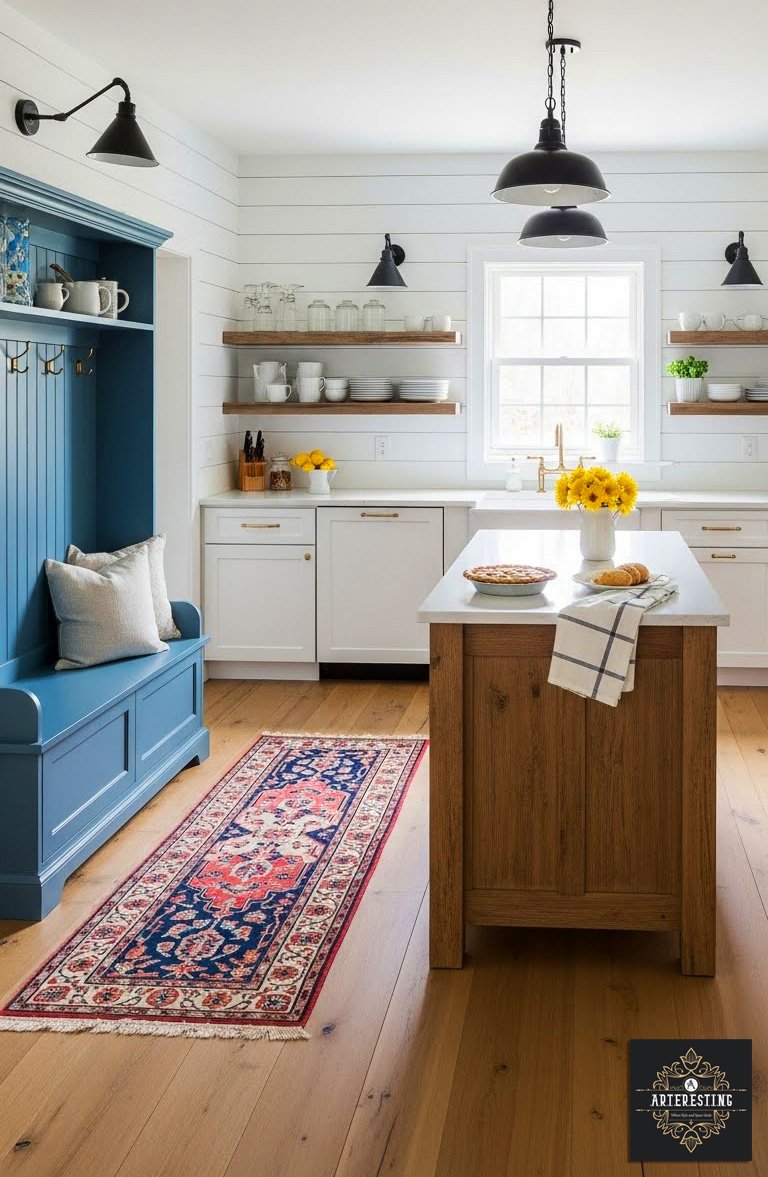
As we witness the pendulum swing back toward classic design, closed kitchens are finding their place once more. They evoke a sense of warmth and timelessness, allowing each room in a home to develop its own unique character. Designers note that this trend provides a refreshing alternative to the expansive “big open box” style that has become synonymous with modern homes.
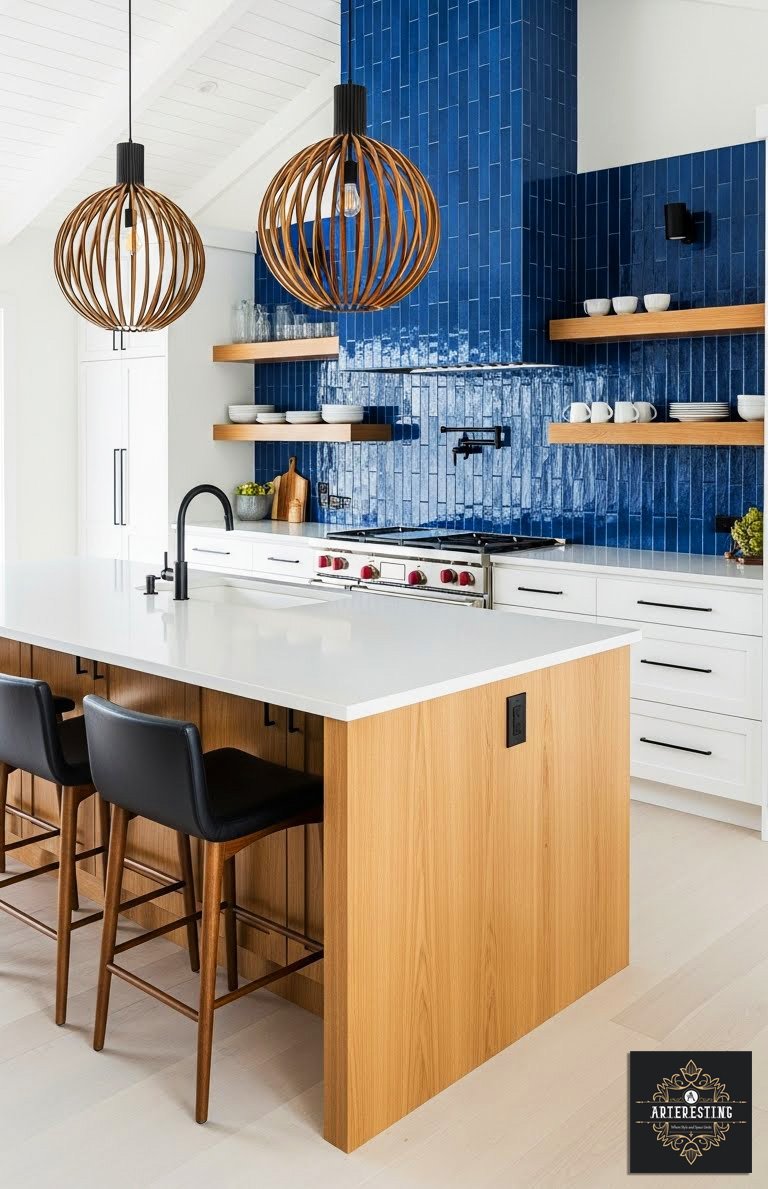
Closed kitchens offer numerous advantages that contribute to their revival. They contain cooking messes more effectively, keeping odors and clutter from permeating other living areas. This containment allows homeowners to embrace their culinary adventures without the constant pressure to maintain a pristine, open space.
Design Freedom and Privacy
One of the most exciting aspects of closed kitchens is the increased design flexibility they afford. Designers can explore bolder color palettes and intricate patterns without the need to harmonize with adjacent spaces. This independence allows for the creation of a distinct atmosphere that reflects the homeowner’s personal style.
Moreover, a closed kitchen offers privacy and a focused workspace. It creates a sanctuary where culinary enthusiasts can hone their skills without the distractions that often accompany open layouts. This private retreat enhances the cooking experience, allowing for better concentration and creativity.
Maximizing Functionality
The architectural integrity of closed kitchens also provides more wall space. This extra surface area can be utilized for cabinetry, shelving, and appliances, enhancing overall functionality. Rather than sacrificing practicality for openness, homeowners can enjoy a layout that caters to their needs.
In addition, closed kitchens can maintain the authenticity of historic homes. Preserving the original structure while updating aesthetics ensures that the character of the home remains intact. Today’s closed kitchens can embody both modern sensibilities and traditional charm.
Embracing the Closed Kitchen Trend
Choosing a closed kitchen does not mean sacrificing the inviting atmosphere often associated with open layouts. Thoughtful design strategies can seamlessly connect the closed kitchen to the rest of the home. Features like interior windows, pass-throughs, or sliding barn doors create visual links while allowing for privacy when needed.
Ultimately, the closed kitchen trend invites creativity and intentionality in design. With a focus on layout and material selection, these spaces can feel as open and inviting as their more expansive counterparts. By incorporating ample natural light and reflective surfaces, closed kitchens can be transformed into bright, welcoming spaces that serve as the heart of the home.
The Arteresting Takeaway
Simplicity enhances functionality and ensures lasting appeal in any design.