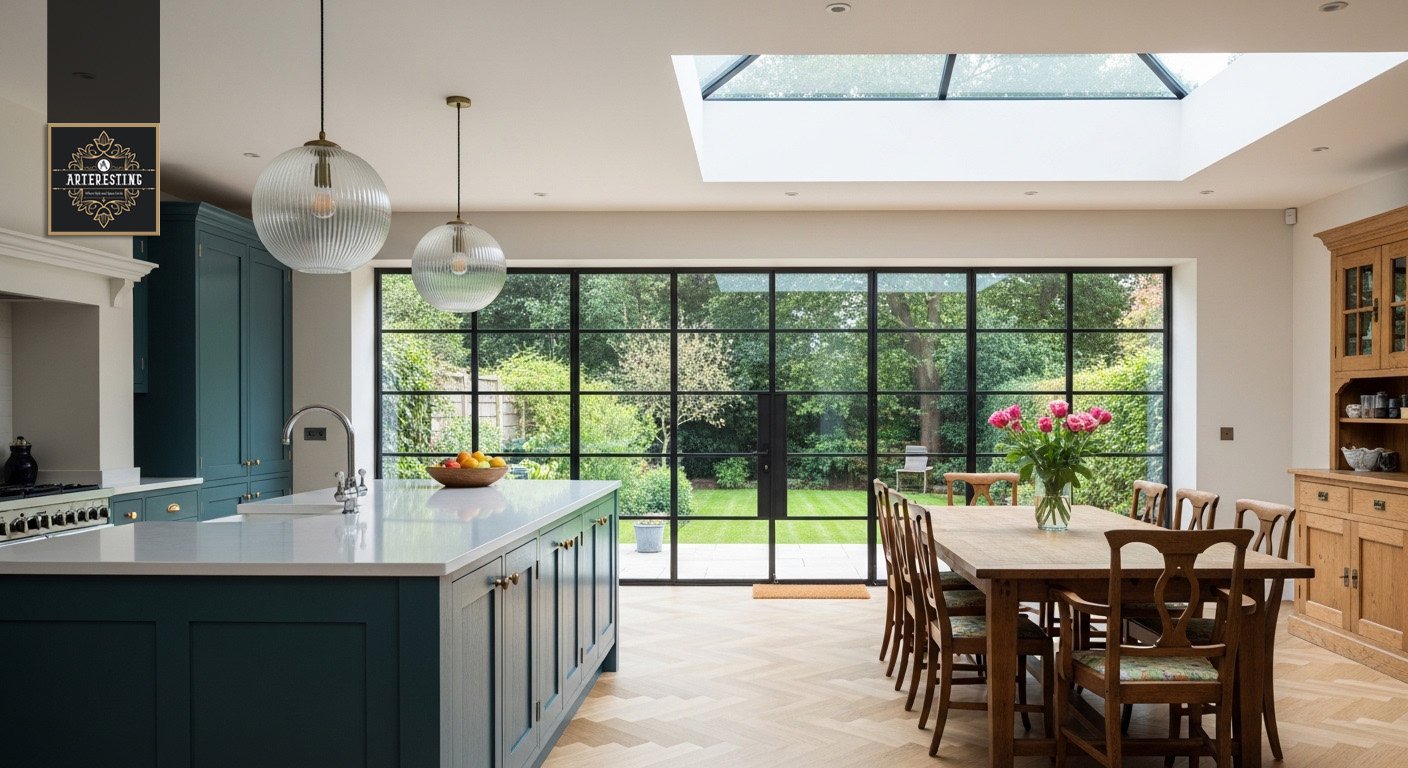
Table of Contents
Fortunately, understanding the nuances between double and triple glazing can provide clarity and lead you to a more informed decision that enhances your living space without compromising your budget.
Is Triple Glazing Better Than Double?
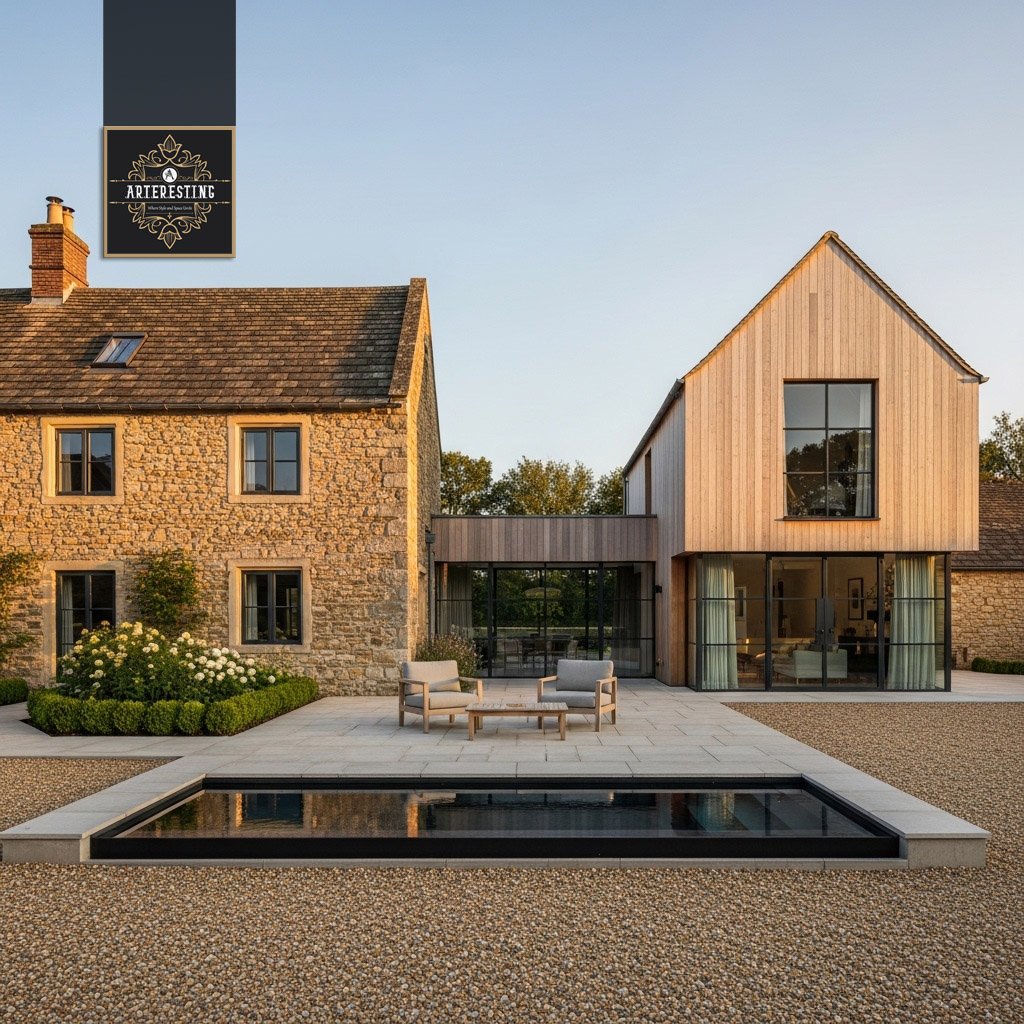
The question of whether triple glazing surpasses double glazing is not as straightforward as one might hope. According to Edward Stobart, a technical sales manager at IDSystems, the added benefits of triple glazing primarily come into play when striving for high-performance standards, such as those required by Building Regulations or for constructing a Passivhaus-standard home. While triple glazing delivers improved thermal efficiency, the leap in U-values from double to triple glazing is modest—ranging from approximately 1.4W/m2K to 1.0W/m2K—making it less compelling for many homeowners.
When considering glazing options, assess your specific climate and the architectural design of your home to make the best investment choice.

What Are the Pros and Cons of Double Glazing?
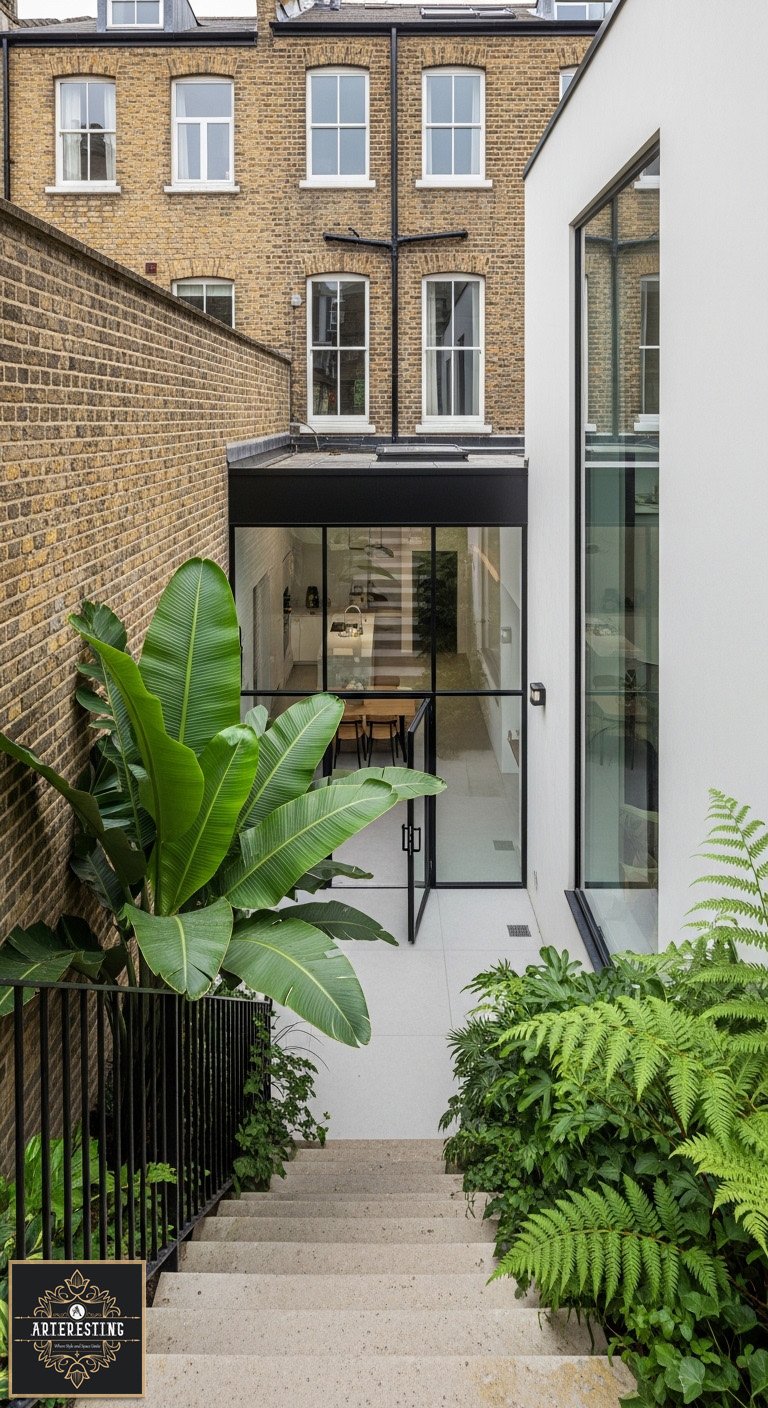
Double glazing has evolved significantly over the years, presenting itself as a highly effective solution for modern homes. The energy efficiency of double glazing provides a stark contrast to its single-pane predecessor, with U-values hovering around 1.4W/m2K compared to nearly 5.0W/m2K for single glazing. This advancement not only minimizes heat loss but also enhances the overall comfort of your space. However, while double glazing is generally more affordable and lighter, allowing for larger installations, it may not offer the same level of insulation as triple glazing, particularly in extreme weather conditions.
Consider the aesthetic impact of glazing options; double glazing can blend seamlessly with traditional homes while offering modern efficiency.
What Are the Pros and Cons of Triple Glazing?
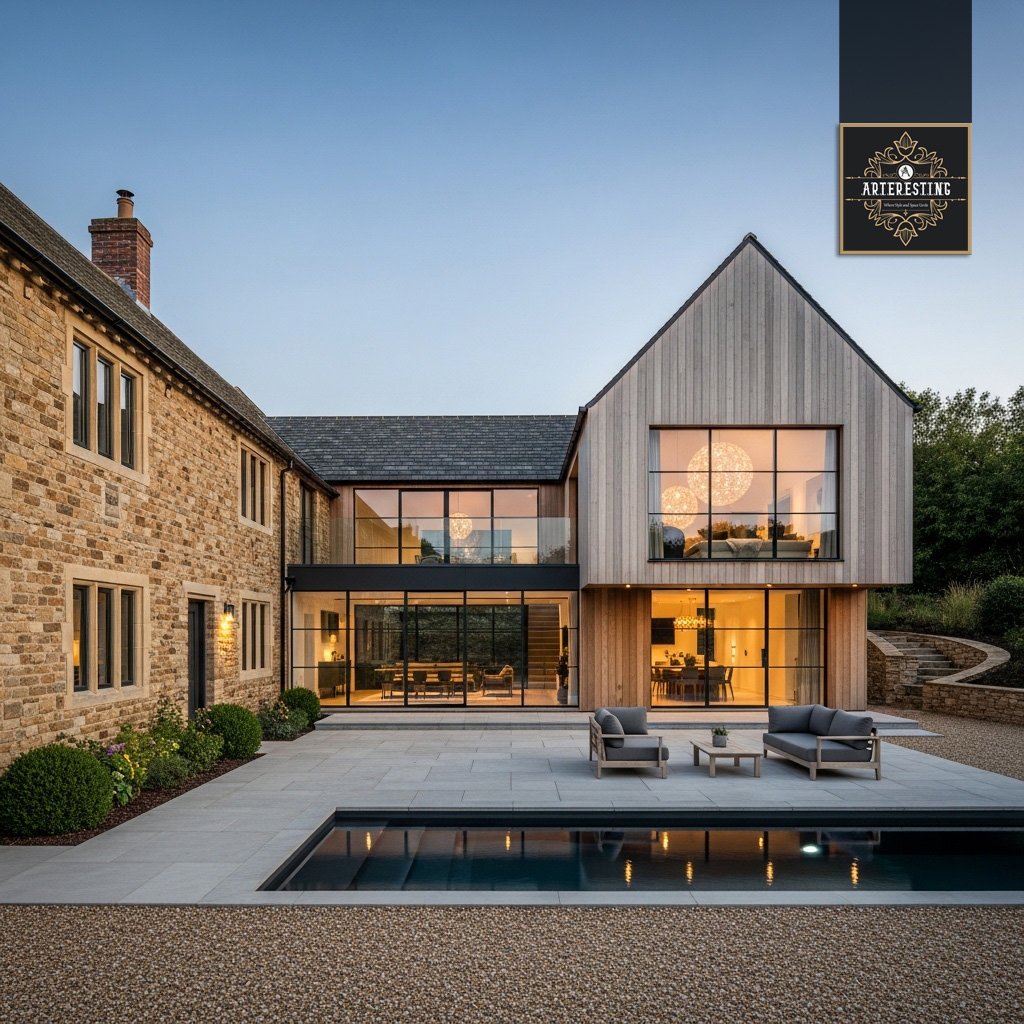
Triple glazing, with its additional pane and cavity, provides notable advantages, particularly in insulation and comfort during colder months. Homes situated in harsher climates or with expansive glass facades can greatly benefit from the improved thermal performance that triple glazing offers, effectively reducing that uncomfortable ‘cold glass’ sensation. However, this comes at a cost; triple glazing typically requires thicker frames and specialized installation, resulting in a higher price point and potential restrictions on glass sizes.
If opting for triple glazing, ensure your home can support the weight and installation demands; consider consulting with a specialist for the best results.

Which Type of Glazing Is Right for You?
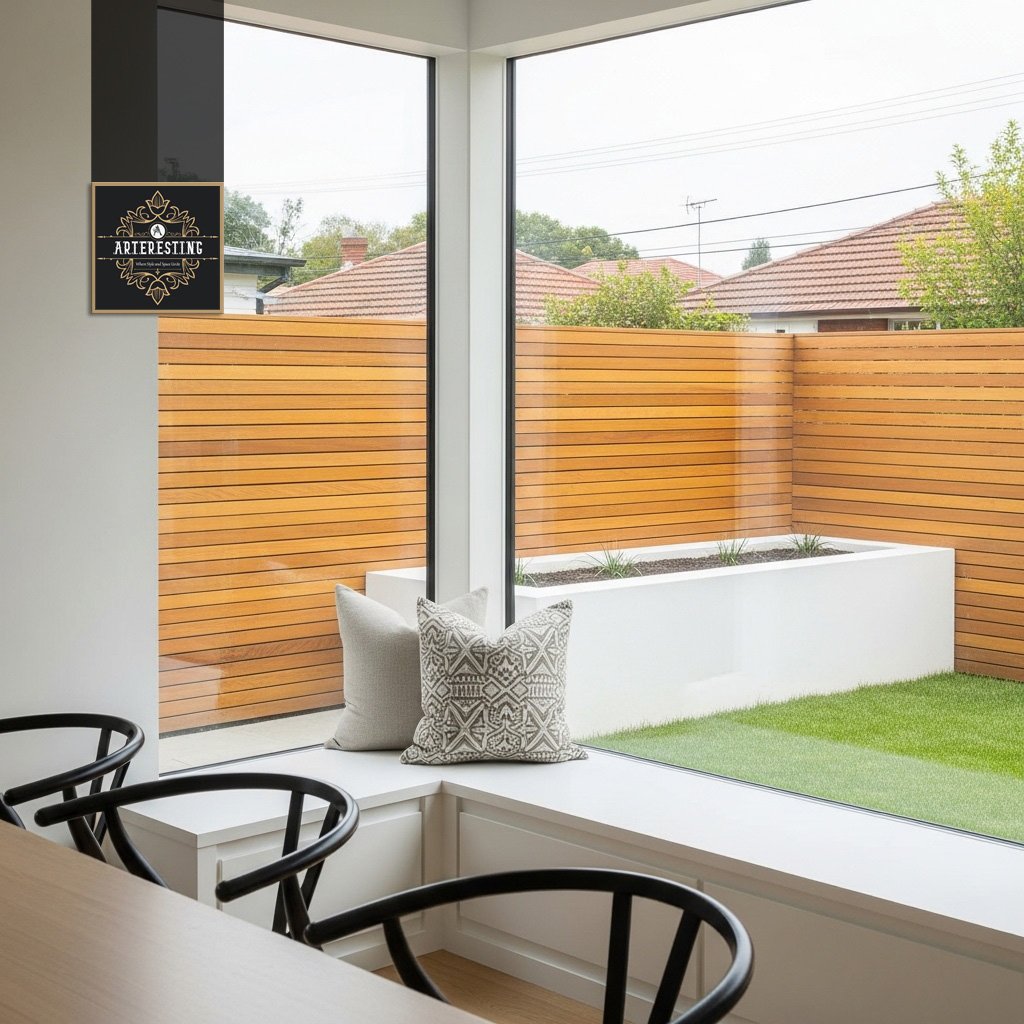
Ultimately, the choice between double and triple glazing hinges on various factors, including the type of property, its location, and your personal goals for energy efficiency. For the vast majority of homes in the UK, particularly during renovations or extensions, high-quality double glazing emerges as the most sensible and cost-effective choice. However, for properties exposed to extreme weather or designed with substantial glass elements, the investment in triple glazing may very well be justified, offering unparalleled performance where it counts the most.
Analyze your home’s specific needs and consult with professionals to ensure the best glazing choice for aesthetics and functionality.