Table of Contents
What Is a Broken Floor Plan?
The broken floor plan is a sophisticated answer to those who appreciate the openness of contemporary layouts but desire the intimacy of defined spaces. This design is not merely a compromise; it is a thoughtful arrangement that uses various elements—such as flooring transitions, color schemes, and strategic furniture placement—to create distinct zones within a largely open area. According to real estate expert Aaron Tetzlaff, this approach serves as a less expensive alternative to traditional renovations, providing homeowners with a seamless blend of style and functionality.
Incorporate area rugs to delineate spaces, enhancing both comfort and visual appeal without requiring permanent changes.
Open Floor Plan vs. Broken Floor Plan vs. Closed Floor Plan
To comprehend the unique essence of a broken floor plan, one must juxtapose it against its counterparts. Unlike an open-concept layout that typically features a continuous sightline through the primary living areas, the broken floor plan utilizes decorative elements—such as shelves, screens, and textiles—to craft separate zones while maintaining an overall sense of openness. In contrast, a closed floor plan is characterized by distinctly partitioned rooms, offering no visual connectivity between spaces. This distinction elevates the broken floor plan, making it an intriguing choice for discerning homeowners.
Consider using decorative columns or strategically placed built-in shelves to enhance the visual appeal of your broken floor plan.
Converting an Open Concept Layout
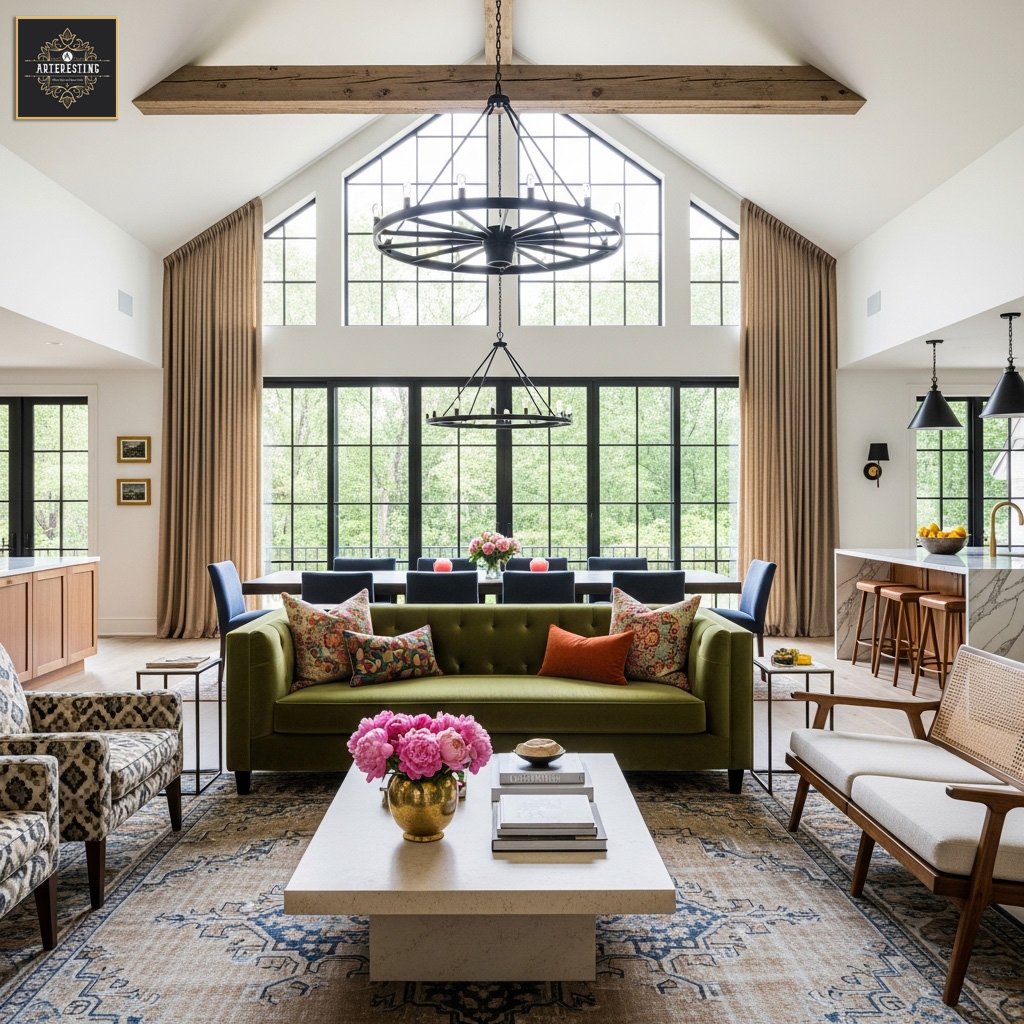
Transforming an open-concept home into a broken floor plan can be achieved with minimal effort and expense. Utilizing large area rugs can effectively distinguish different areas, lending a sense of purpose to each space without extensive renovations. Additionally, painting or wallpapering specific sections can create visual boundaries. For those considering more significant changes, implementing built-in shelving or adding decorative columns can further refine the layout. A well-placed fireplace mantel, for instance, serves as a striking focal point that anchors the room and enhances the overall aesthetic.

Use color-blocking techniques to define areas, enhancing the sense of space while maintaining a cohesive look.
The Pros of a Broken Floor Plan
The advantages of adopting a broken floor plan are manifold. This approach provides greater flexibility and visual intrigue compared to both open and closed layouts. Homeowners can tailor their spaces to reflect their unique tastes and lifestyles, while also allowing for relatively easy modifications. Moreover, as most buyers gravitate towards open floor plans, the adaptability offered by broken layouts may appeal more widely when it comes time to sell. By utilizing removable elements like screens and shelving, homeowners can create varied and inviting spaces that retain broad market appeal.
Shop The Look


Incorporate multi-functional furniture pieces that can adapt to various setups, enhancing your living experience.
The Cons of a Broken Floor Plan
While the broken floor plan offers unique advantages, it is not universally beloved. Potential buyers may remain divided on the merits of this layout, which could complicate resale efforts. The open-concept design, while polarizing, often attracts a diverse range of purchasers. Moreover, considerations such as light distribution and sound travel may pose challenges in these spaces. For optimal results, utilizing transparent or sound-absorbing materials can help mitigate these issues. Ultimately, creating a well-balanced environment that caters to both aesthetics and functionality is key.

Choose divider materials that balance aesthetics and functionality, ensuring both beauty and practicality in your space.