Table of Contents
What Exactly is Traditional Interior Design?
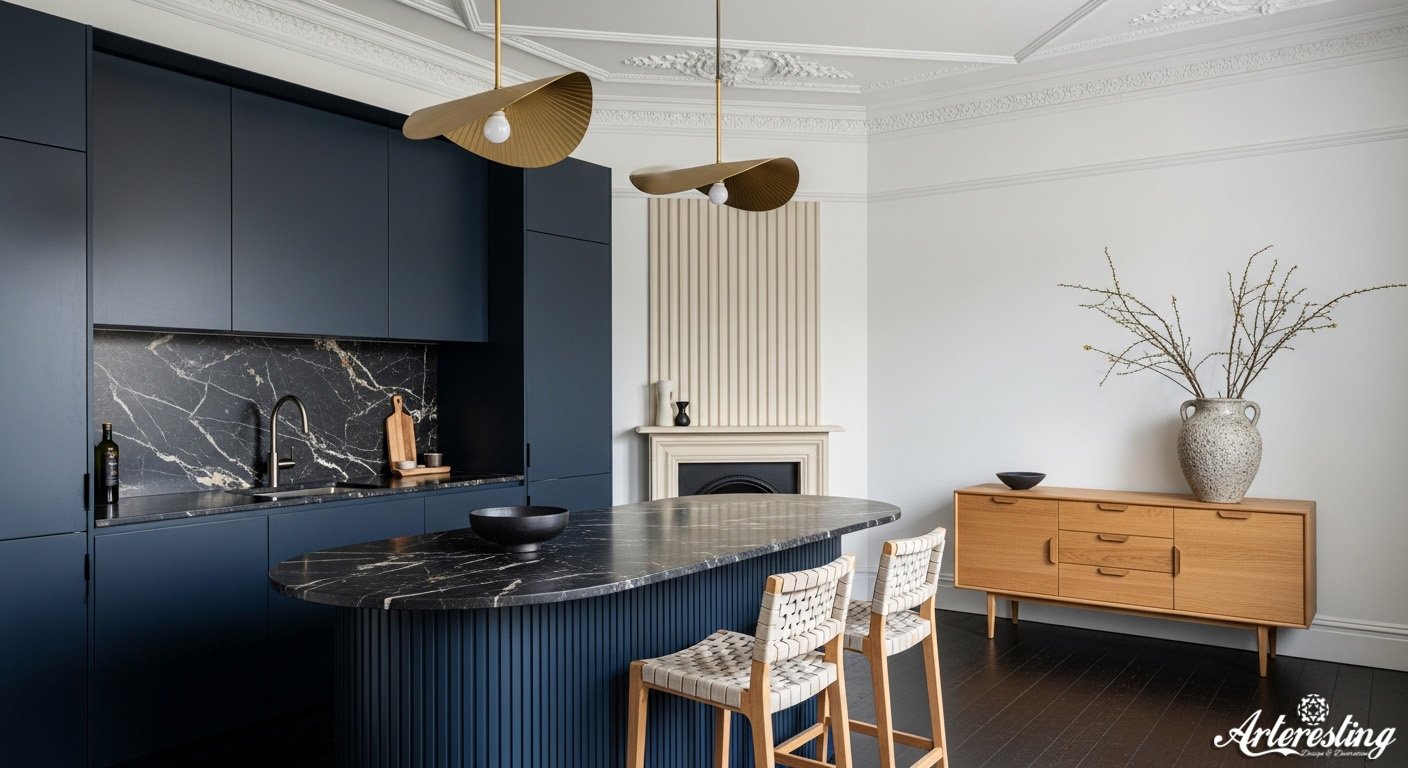
Achieving a high-end heritage look does not require a sprawling estate or an unlimited budget. Nailing traditional interior design is ultimately about finding the perfect balance between classic elegance and modern livability.
Historically, this aesthetic draws heavily from 18th and 19th-century European influences, embracing symmetry, rich textures, and distinct architectural finesse. While it may sound intimidating, the modern approach to this style focuses on honoring classic elements while keeping spaces comfortable and functional.
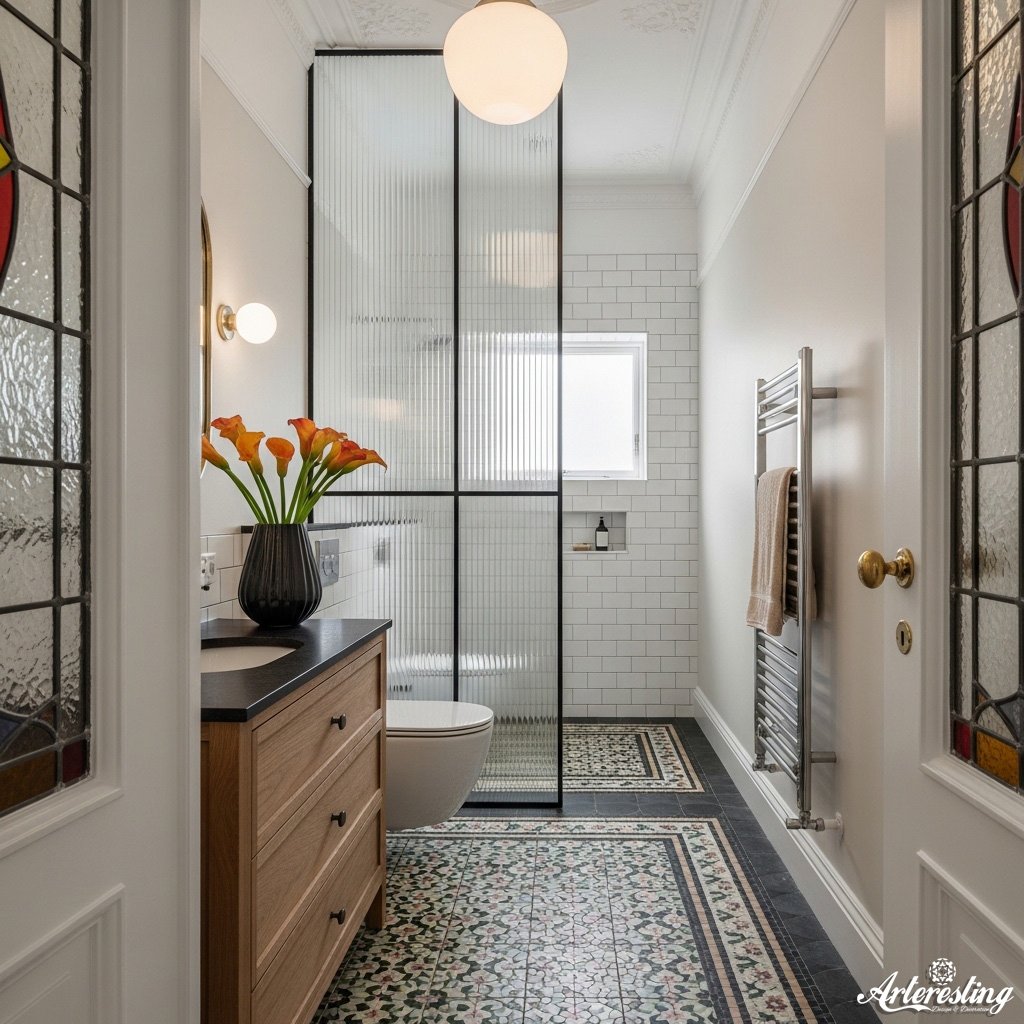
Unlike transitional style, which actively attempts to split the difference between old and new, this aesthetic roots itself deeply in historical reverence. However, capturing this timeless sophistication in a contemporary home is entirely possible through smart styling hacks and strategic sourcing.
The Core Characteristics on a Budget
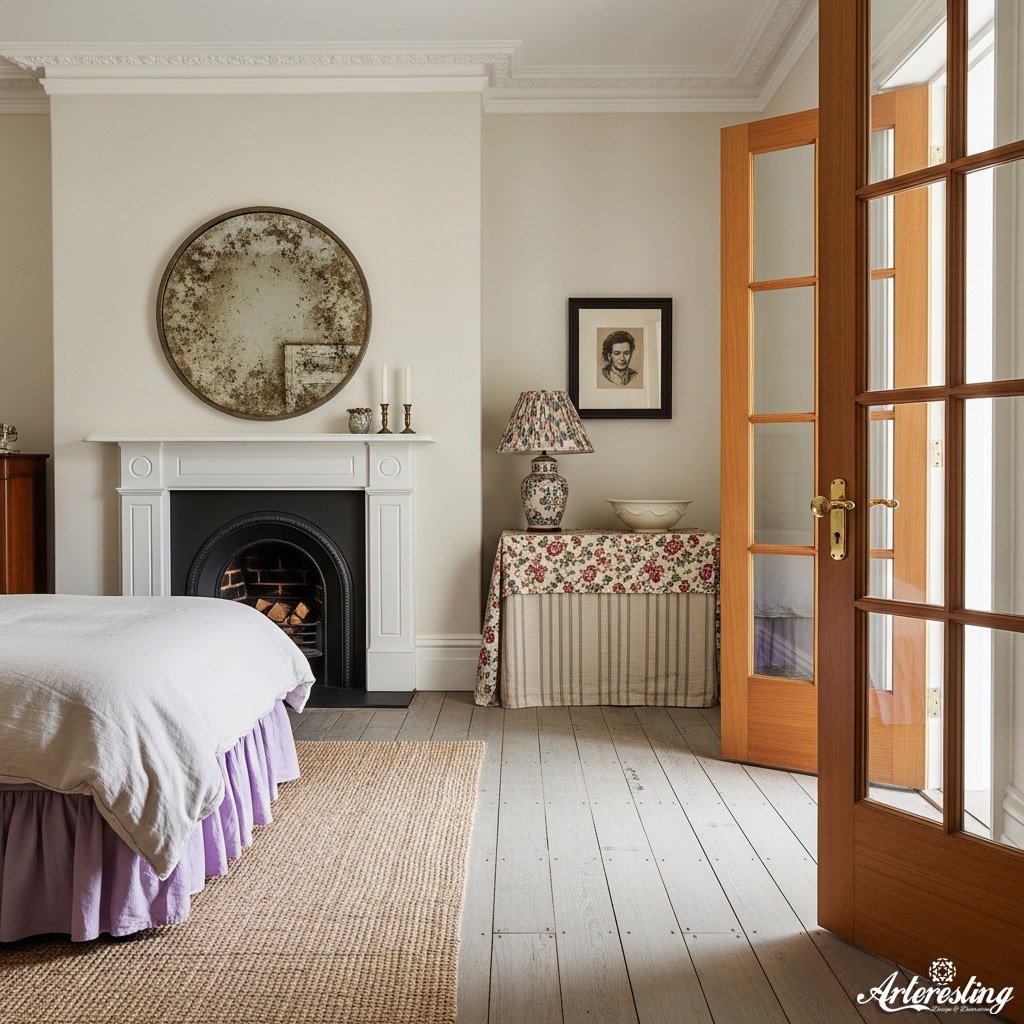
When you walk into a beautifully preserved historic home, your eyes are immediately drawn to the architectural details. Historically, these spaces featured heavy plasterwork, tessellated tiles, and intricate timber fretwork.
You can easily replicate this structural elegance without commissioning a master carpenter. Consider these accessible alternatives:
- Faux Millwork: Use affordable, paintable polyurethane trim to create picture-frame molding along your walls.
- Ceiling Upgrades: Apply lightweight, inexpensive ceiling medallions around modern light fixtures to mimic the look of historic, ornate cornices.
- Hardware Swaps: Replace generic cabinet pulls with heavy, unlacquered brass hardware sourced from online marketplaces or salvage yards.
Mastering Traditional Interior Design Color Palettes
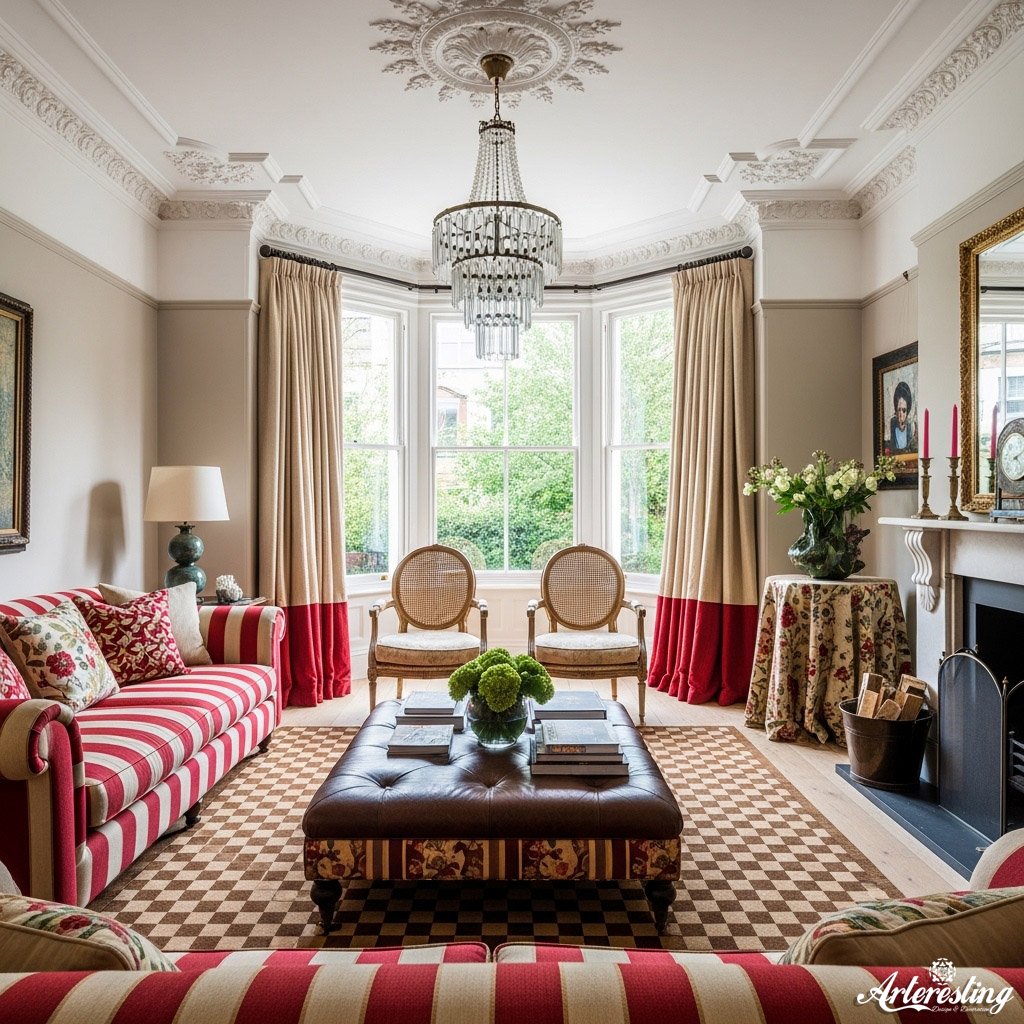
The colors found in historic homes are typically warm, inviting, and layered with visual interest. To ground a room instantly, designers often lean heavily on saturated hues and rich color palettes.
Sapphire, garnet, emerald, and deep toffee shades naturally evoke a sense of grandeur. Fortunately, paint is one of the most cost-effective ways to completely transform a room’s atmosphere.
High-End Hues Without the High Price Tag
You do not need to invest in custom silk drapery to make a room feel luxurious. Instead, focus on how you apply color and texture throughout the space.
- Color Drenching: Paint your walls, baseboards, and ceiling in a single deep gem tone to create an immediate, inexpensive sense of enveloping luxury.
- Strategic Fabrics: Hunt for vintage velvet curtains at estate sales or online auctions to add heavy, opulent texture to your windows.
- Pattern Mixing: Combine affordable, small-scale floral throw pillows with bold, striped rugs to create a curated, gathered-over-time aesthetic.
How to Bring Traditional Interior Design into a Modern Space
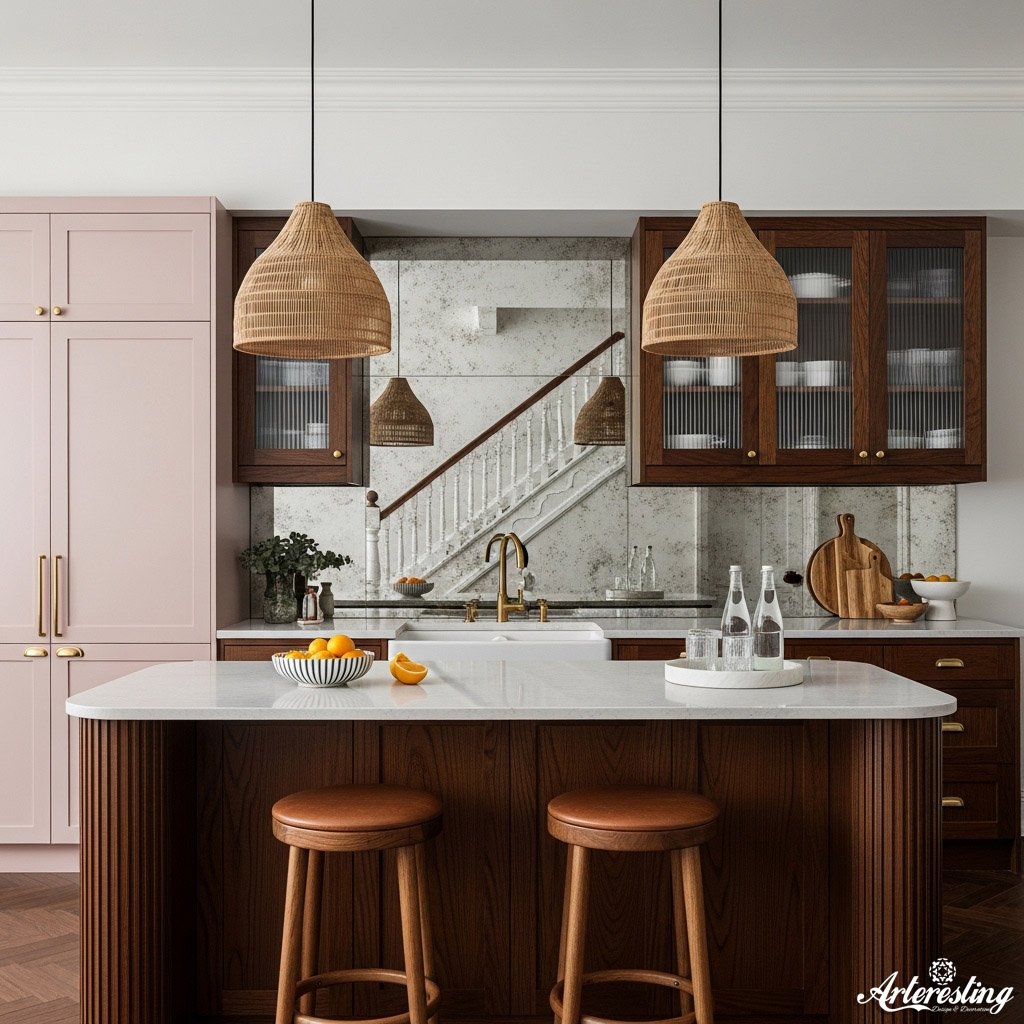
The secret to executing modern traditional style is avoiding the trap of a period pastiche. A home should feel like it has organically evolved over decades, not like a rigid museum exhibit.
This juxtaposition offers the best of both worlds: the coziness of heritage design and the crispness of contemporary living. The easiest way to achieve this is by deliberately mixing eras and leveraging budget-friendly decor.
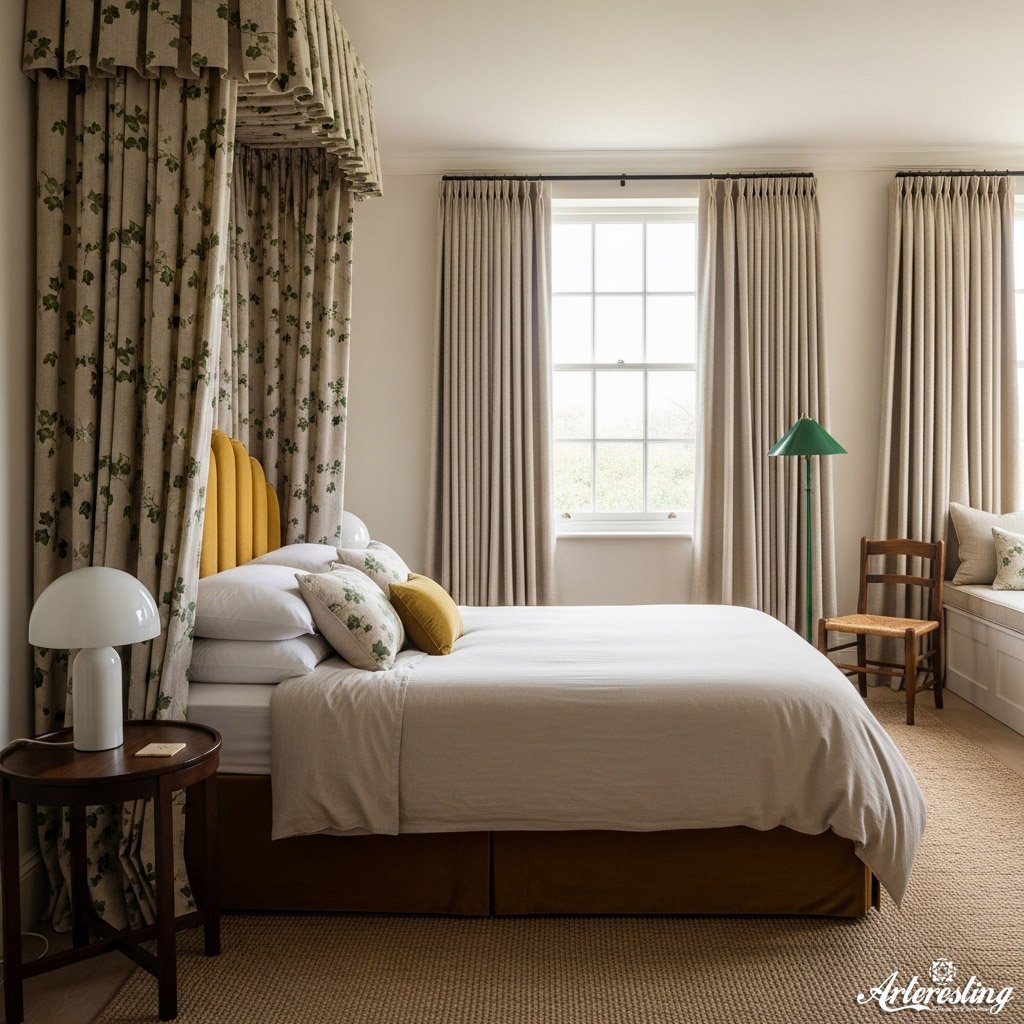
Smart Styling Hacks for Contemporary Homes
Layering is the ultimate tool for elevating a basic room into a sophisticated sanctuary. You can incorporate heavy, historic elements seamlessly by softening them with modern touches.
- Wallpaper Wonders: Use peel-and-stick vintage patterns or classic floral motifs on a single accent wall or above wainscoting for high impact at a lower cost.
- The Furniture Mix: Pair an affordable, clean-lined modern sofa with a heavily carved, thrifted walnut coffee table.
- Artful Contrast: Frame inexpensive, printable antique landscapes or botanical sketches in sleek, modern gallery frames.
Embracing this design philosophy proves that timeless sophistication transcends both eras and budgets. By focusing on accessible layers and rich textures, you can craft a home that feels both deeply rooted in history and perfectly suited for today.