Table of Contents
Certain design choices become foundational classics, while others quickly reveal their timestamp. If you are planning a renovation, identifying the outdated home decor trends 2026 will inevitably leave behind is critical for protecting your investment. The industry is currently witnessing a sharp pivot away from hyper-specific, social-media-driven aesthetics toward restrained architectural longevity.
Achieving a high-end interior requires strategic editing rather than endless accumulation. By retiring oversaturated motifs—such as wall-to-wall fluting and excessive curvature—you can cultivate spaces that rely on clean lines, structural realities, and sophisticated spatial balance. Here is exactly what is phasing out, and how to pivot your approach.
1. The Saturation of Fluted Millwork
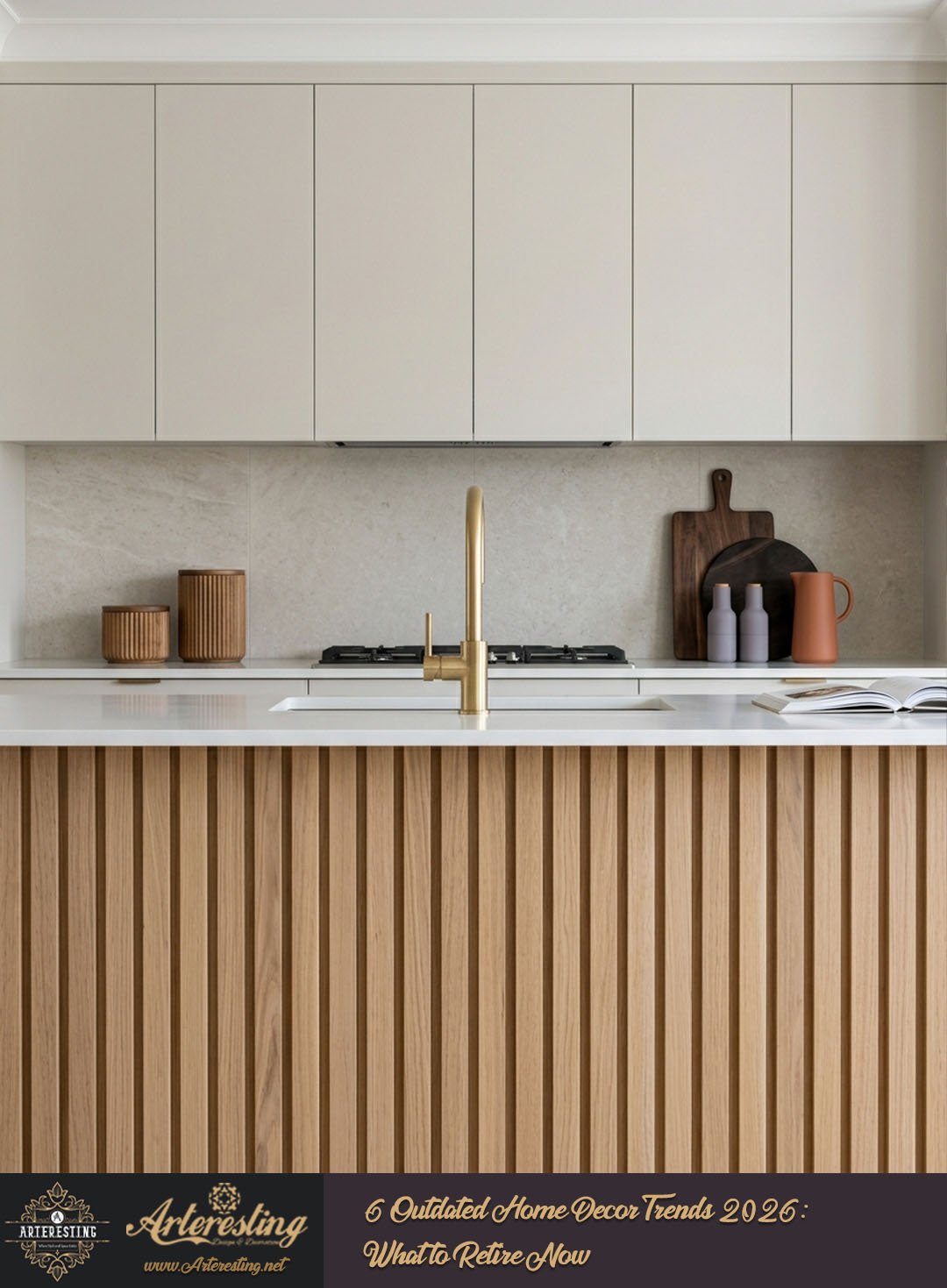
Fluted detailing experienced a massive resurgence over the past several years, applied to everything from heavy kitchen islands to custom vanities. Initially celebrated as a tactile bridge between mid-century warmth and modern linear design, this ribbed texture has officially reached peak market saturation.
The structural reality of mass-applied fluting is that it often adds unnecessary visual weight to a room while creating maintenance challenges regarding dust accumulation. For a more enduring approach to cabinetry and built-ins, transition toward refined flat-panel cabinetry or an ultra-thin Shaker profile. If you still desire that distinct ribbed texture, relegate it to highly controlled, isolated accents rather than fixed architectural features.
2. Unrestrained Cottagecore Maximalism
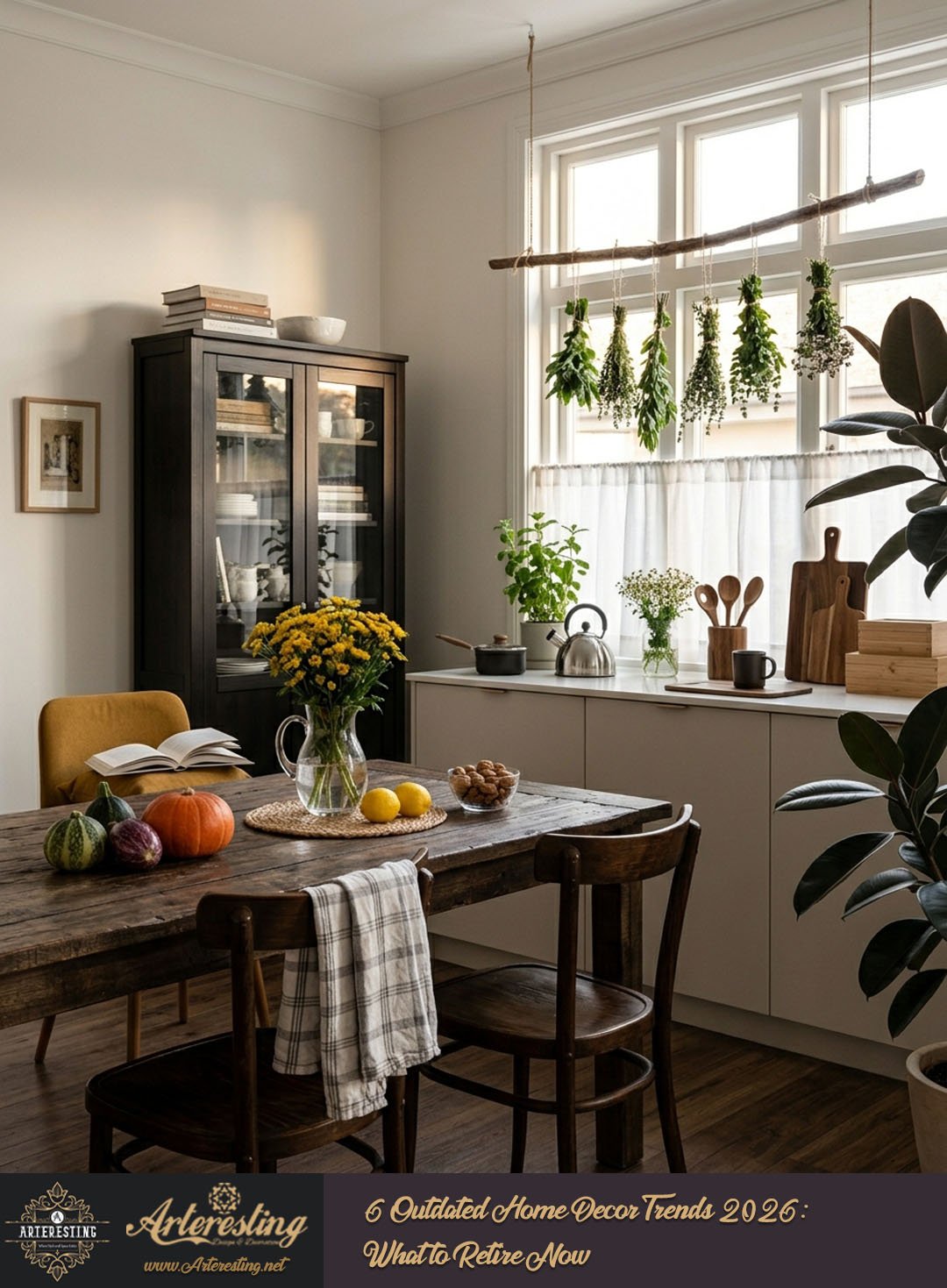
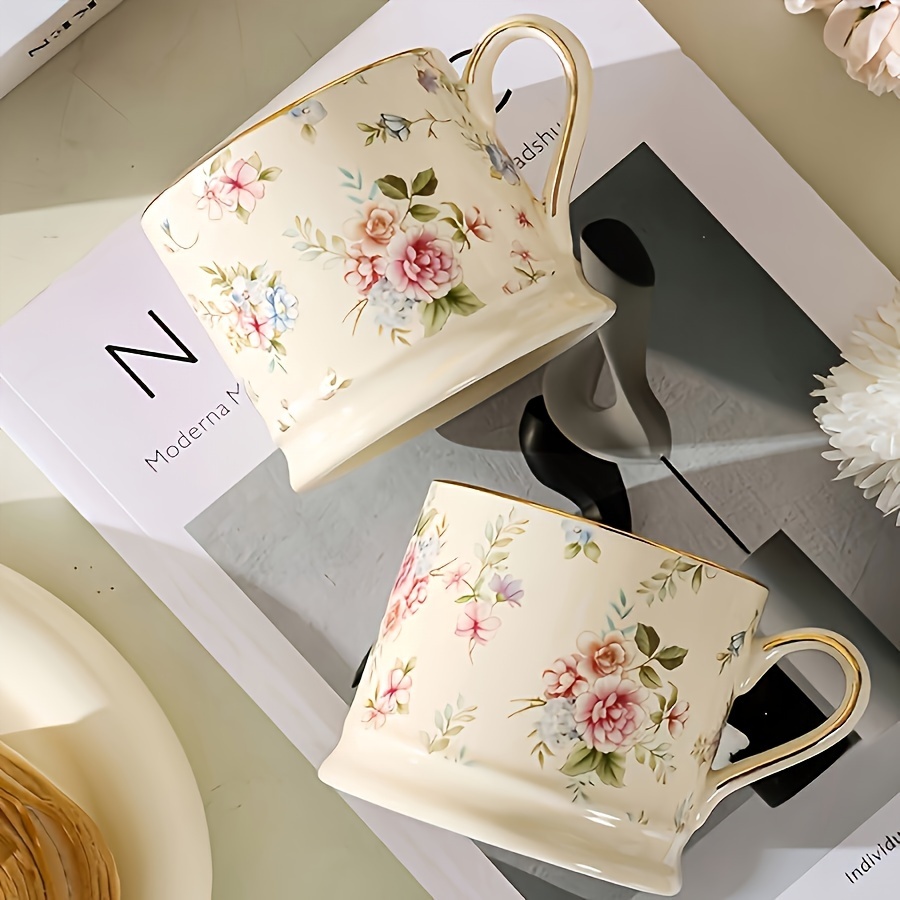
The whimsical, heavily layered Cottagecore aesthetic is rapidly approaching its expiration date. While the desire for nostalgic comfort is valid, executing this trend through ruffled upholstery, crowded gallery walls of porcelain plates, and competing floral patterns creates severe visual fatigue. A truly elevated home requires room to breathe.

To maintain a sense of organic warmth without the clutter, apply serious restraint. Edit the styling down to one or two heritage pieces—perhaps a singular vintage rug or a classic ceramic vase. Allowing negative space to surround these items highlights their craftsmanship and keeps the room feeling grounded and sophisticated.
3. The Ubiquity of Beige Zellige Tile
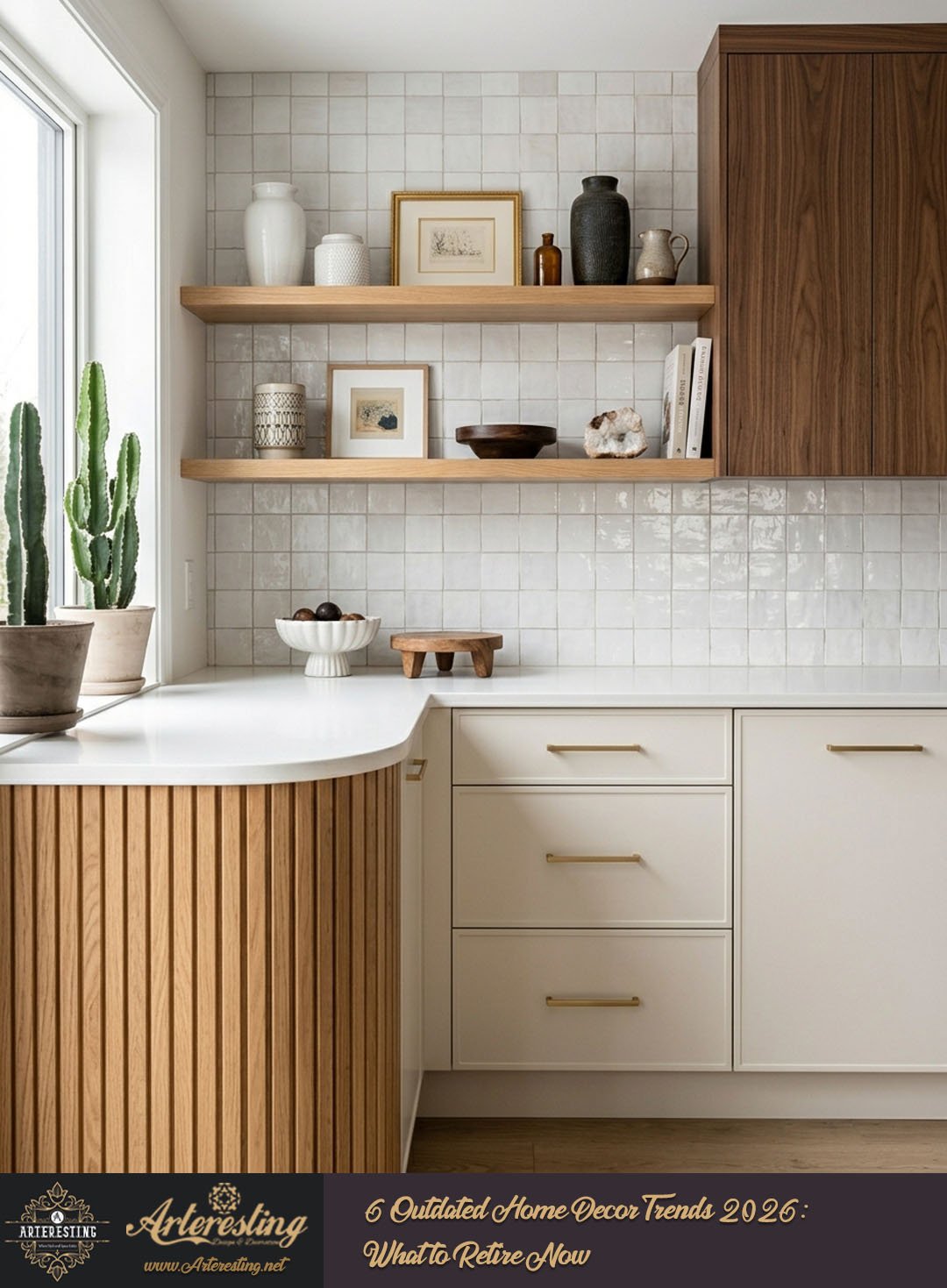
Authentic Moroccan Zellige tile is undeniably beautiful, prized for its handcrafted imperfections and glossy, light-reflecting glaze. However, its current status as the default backsplash for nearly every modern renovation has stripped the material of its unique appeal. When a specific finish becomes entirely ubiquitous, it transitions from a bespoke design choice to a mass-market formula.
Industry consensus points to neutral, beige Zellige becoming the modern equivalent of the mid-2010s “millennial gray” obsession. It remains a quality material, but relying on it as a safe neutral is a fading strategy. Consider exploring honed natural stone slabs or matte architectural tiles that offer durability without feeling overly familiar.
4. Excessive Curvature and Bulbous Furniture
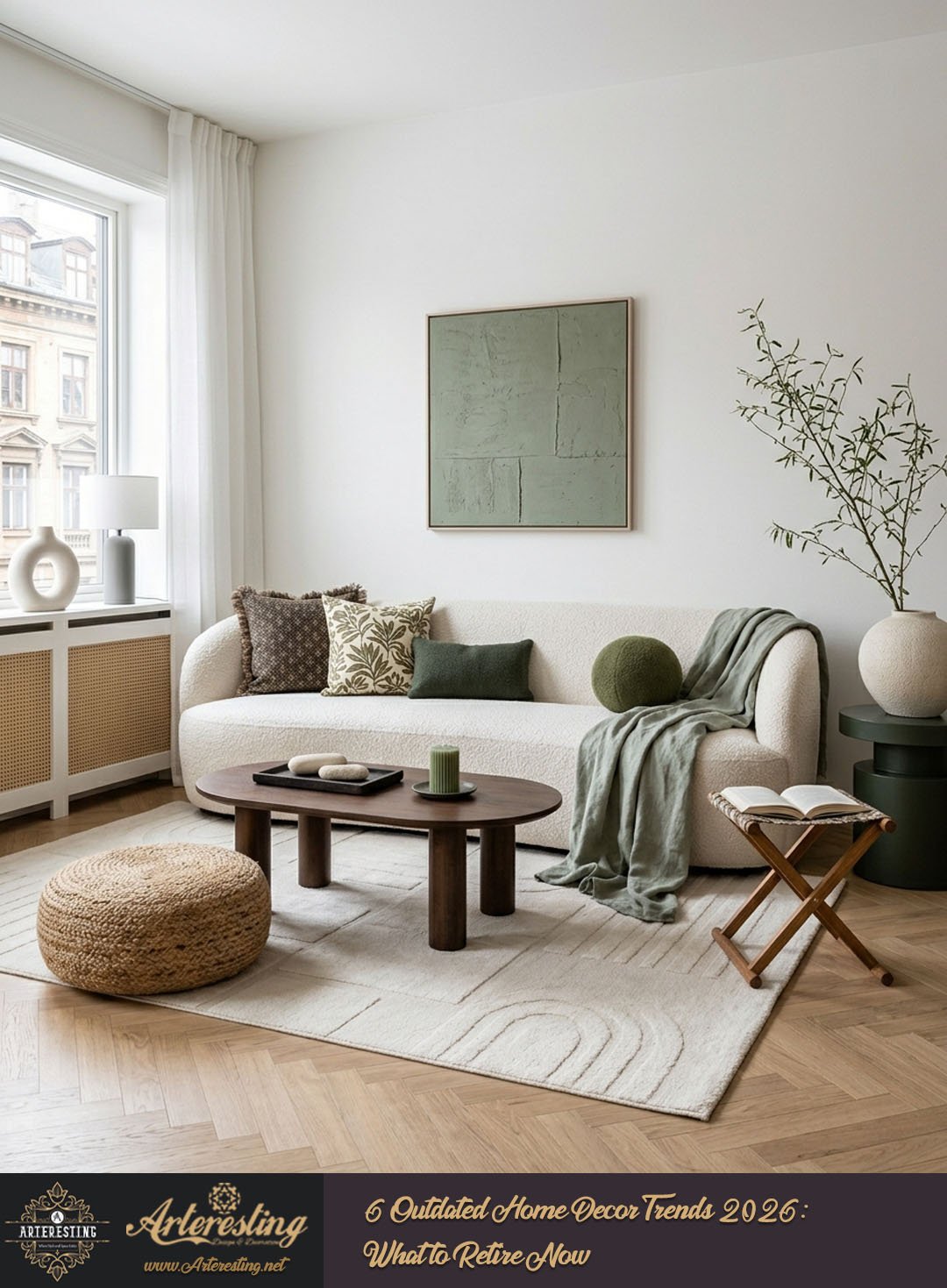
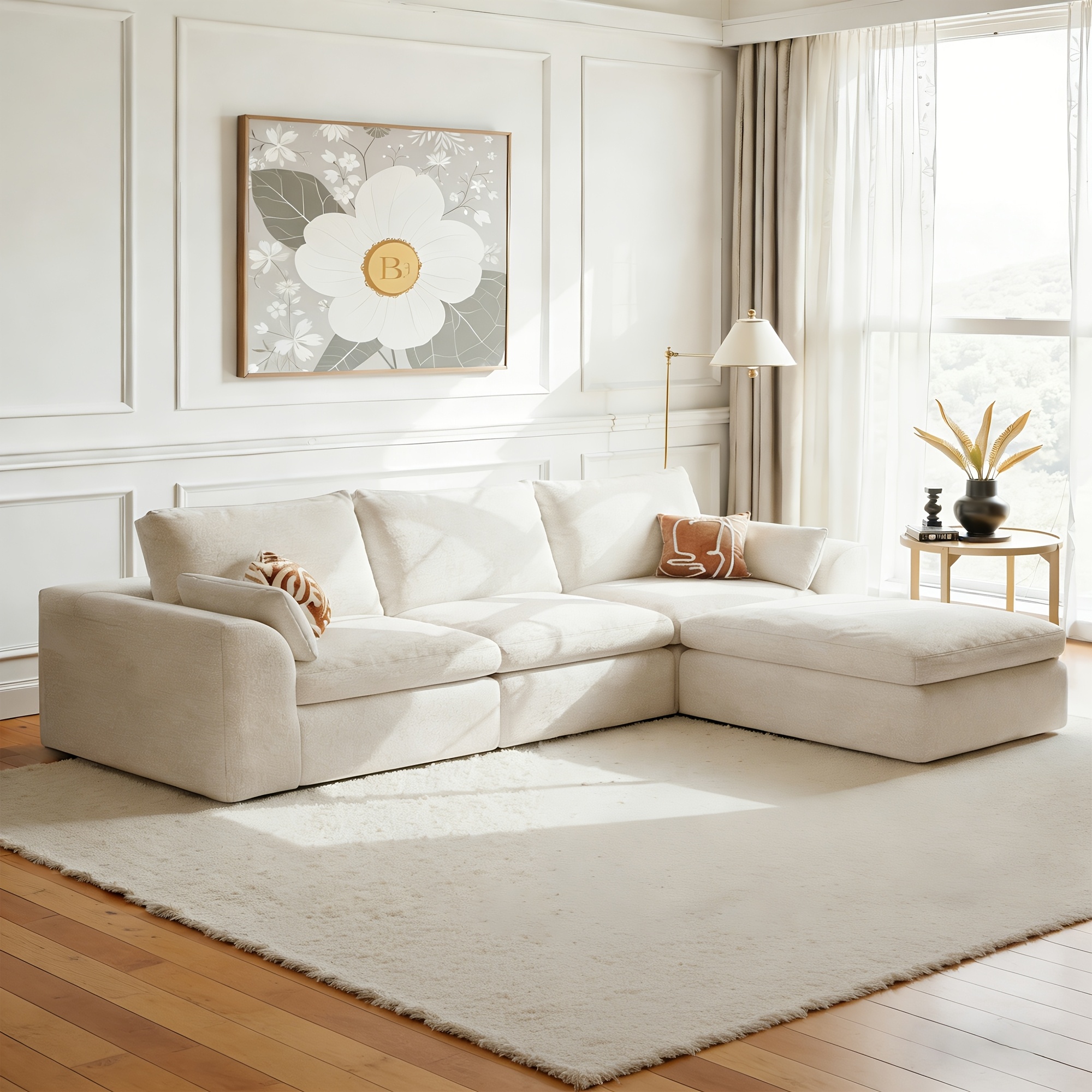
Curved furniture entered the market as a necessary antidote to stark, minimalist boxiness, introducing organic, inviting silhouettes. However, implementing curves en masse fundamentally disrupts a room’s spatial balance. When the sofa, the kitchen island, the doorways, and the accent chairs all lack hard angles, the environment loses its structural grounding.
Shop The Look
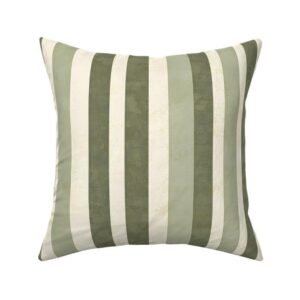
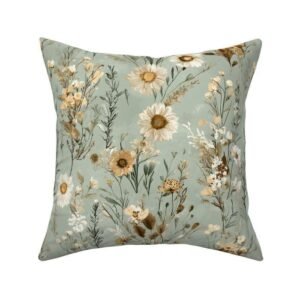
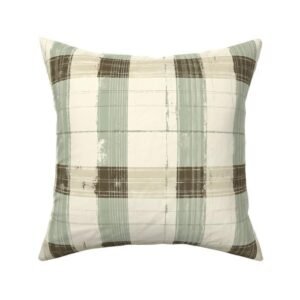
A successful interior requires tension between opposing shapes. A single curved bouclé sofa functions beautifully as a focal point, provided it is anchored by sharp, linear architectural details or a highly structured coffee table. Lean into straight lines for your foundational pieces, using curves strictly as deliberate, sparing accents.
5. Monochromatic Tone-on-Tone Neutrals
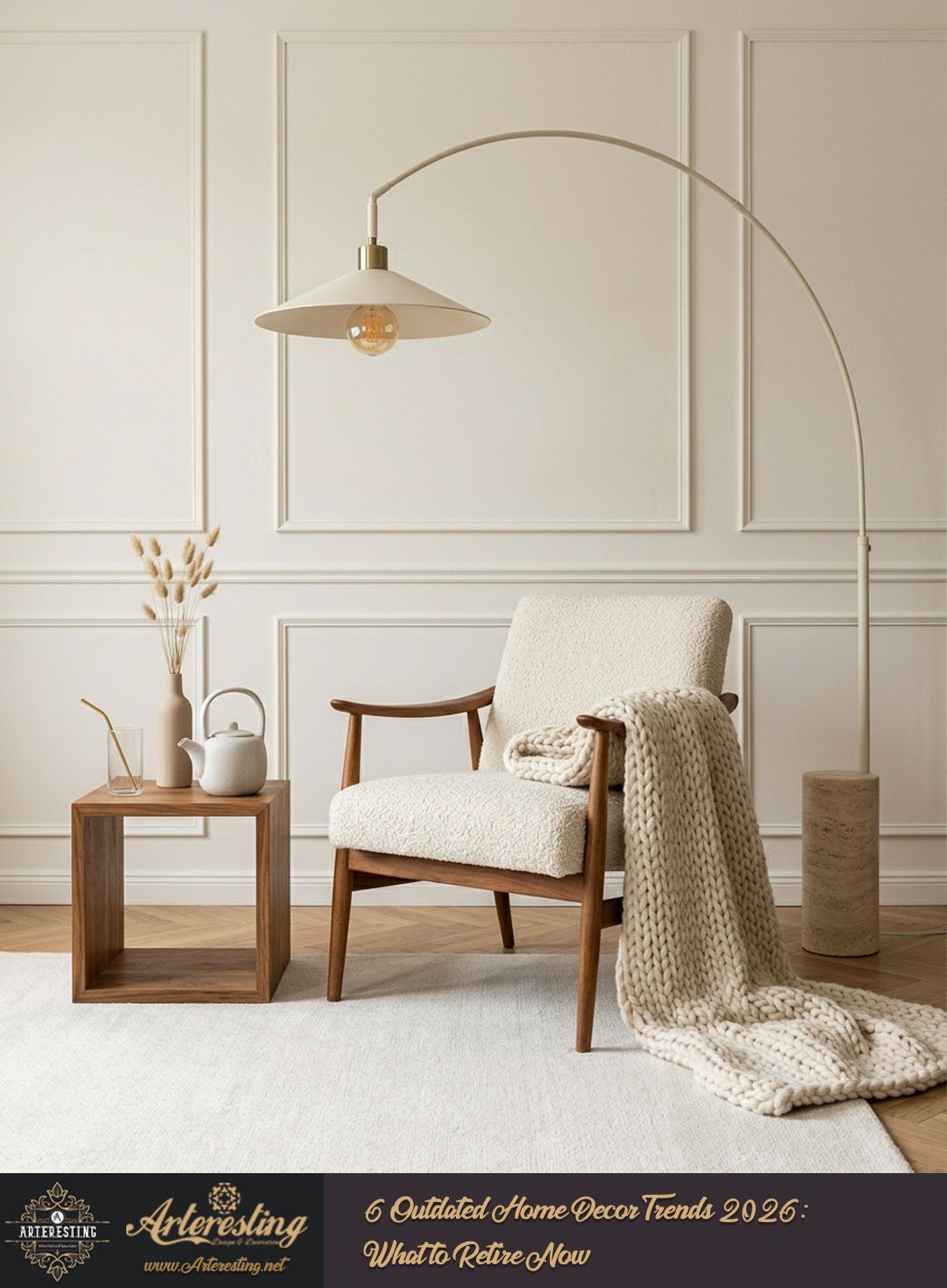
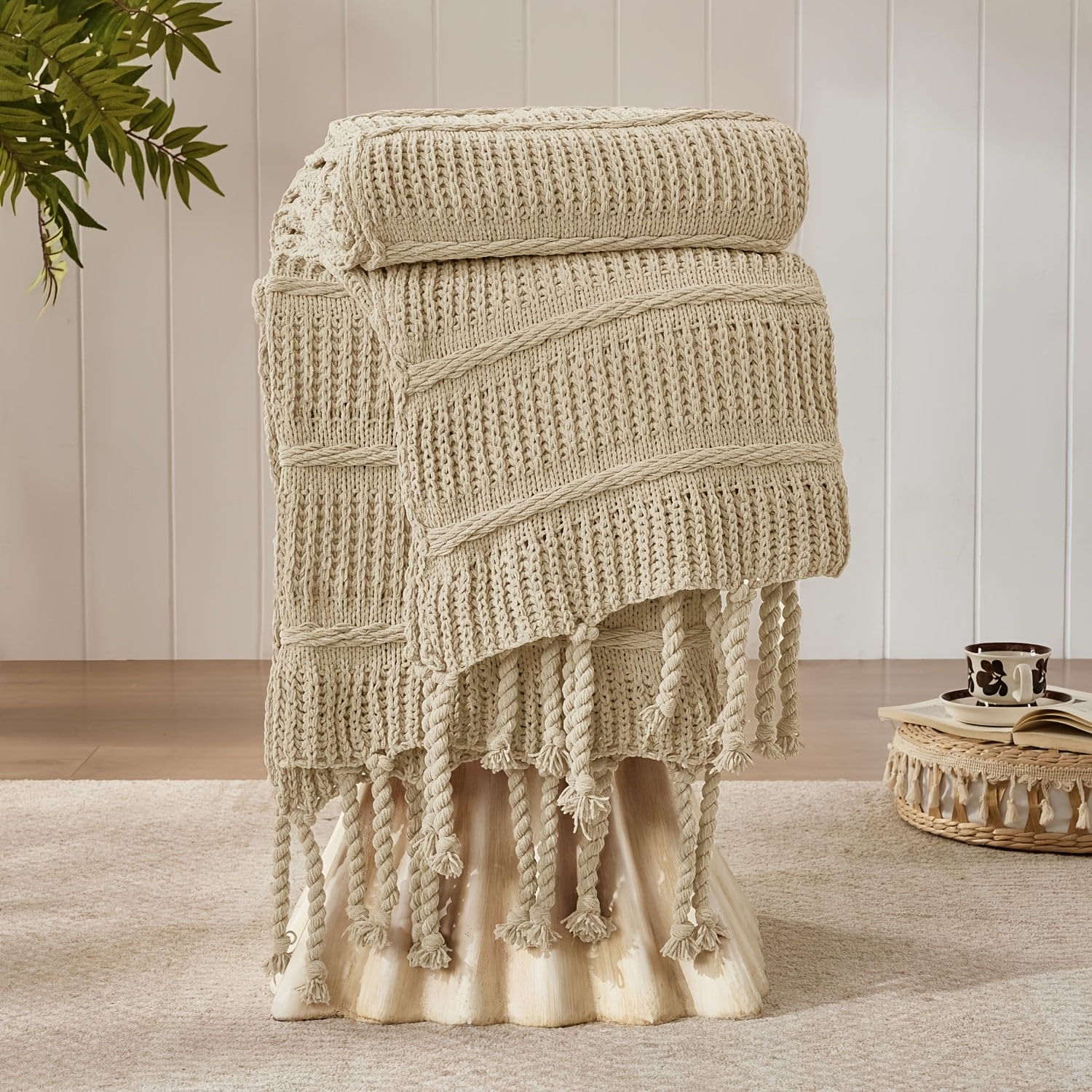
Spaces decorated entirely in unbroken shades of beige, greige, and ivory often photograph brilliantly, resembling a highly controlled movie set. In daily life, however, extreme tonal monotony produces an emotional flatline. Without varying contrast to guide the eye, a strictly neutral room quickly devolves into a visually muddy, lifeless space.
High-end styling relies on depth and dimension. If you prefer a neutral foundation, you must introduce high-contrast materials to inject vitality into the room. Incorporate blackened steel hardware, deeply veined marble, or richly stained walnut to break up the monochromatic wash and restore a sense of grounded permanence.
6. Neotenic Post-Modernism
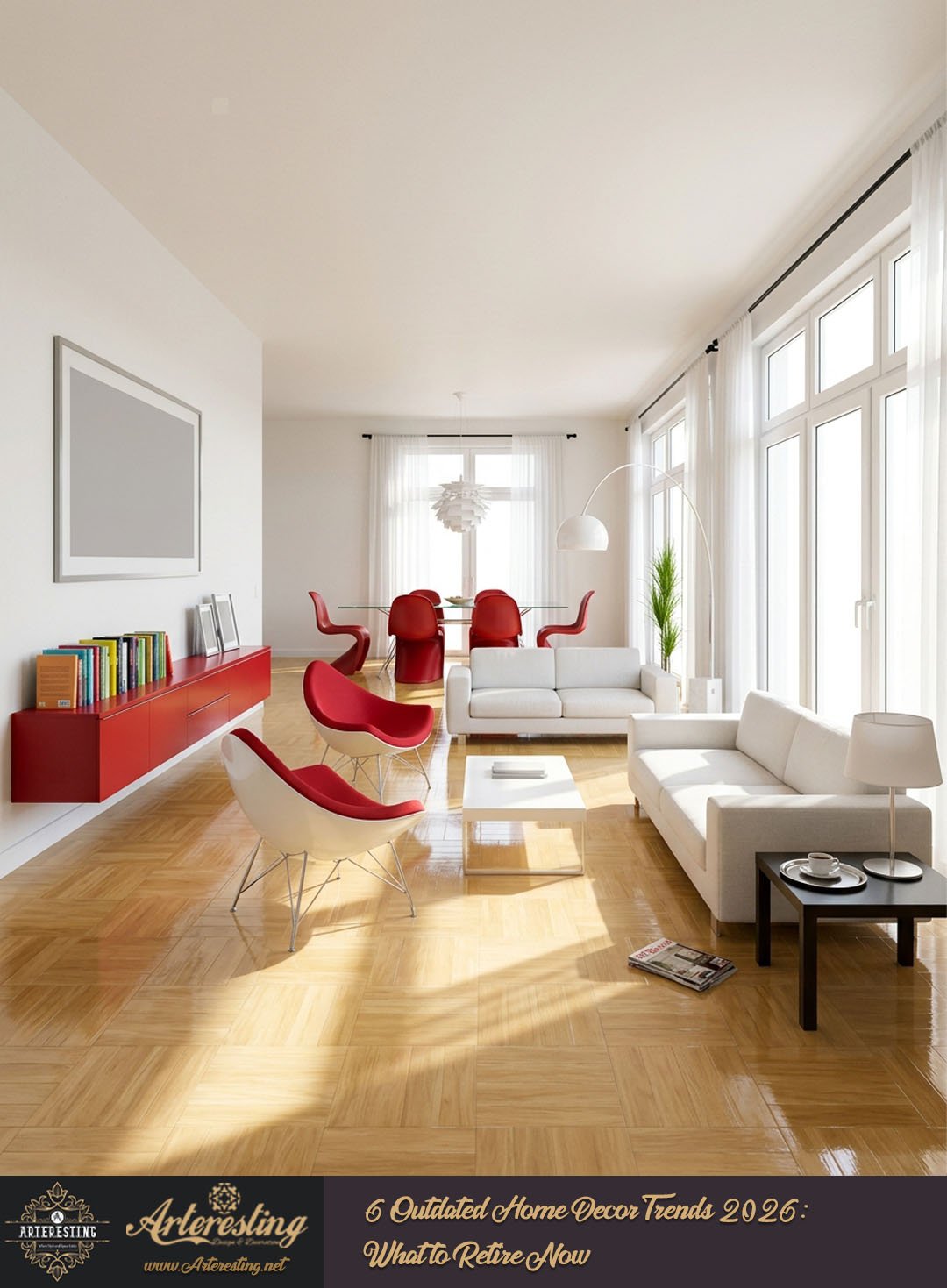
Post-modernism is defined by its loud, contrasting colors and chunky, cartoon-like furniture shapes. While this neotenic aesthetic provides an immediate, high-energy impact, it is also highly susceptible to the cyclical, unforgiving nature of trend fatigue. Spaces heavily anchored in bright primary colors and exaggerated proportions rarely age gracefully.
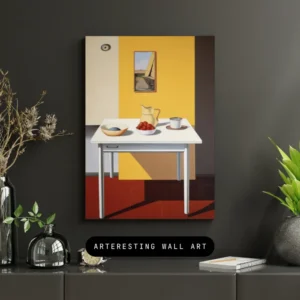
Investing capital into novelty shapes is a risky strategy for long-term design. Instead of committing to permanent post-modern fixtures, satisfy the desire for bold contrast through easily swappable elements. Utilize vibrant, avant-garde artwork or sculptural lighting fixtures that can be effortlessly rotated out when the aesthetic inevitably shifts.
Shop The Look
The primary outdated home decor trends for 2026 include overused fluted millwork, saturated Cottagecore maximalism, ubiquitous beige Zellige tile, excessive curved furniture, flat neutral tone-on-tone spaces, and stark Post-modernist shapes. Design professionals recommend replacing these fading fads with timeless flat-panel cabinetry, balanced textural accents, and restrained architectural lines to ensure spatial longevity and protect renovation investments.