Table of Contents
Designing a modern boho living room requires architectural precision and tactile restraint. We must balance organic freedom with structural elegance. Consequently, this design philosophy transforms rigid spaces into deeply personal sanctuaries. Let’s break down the spatial and material strategies required for this high-end aesthetic.
Focus on a Free-Spirited Layout for Your Modern Boho Living Room
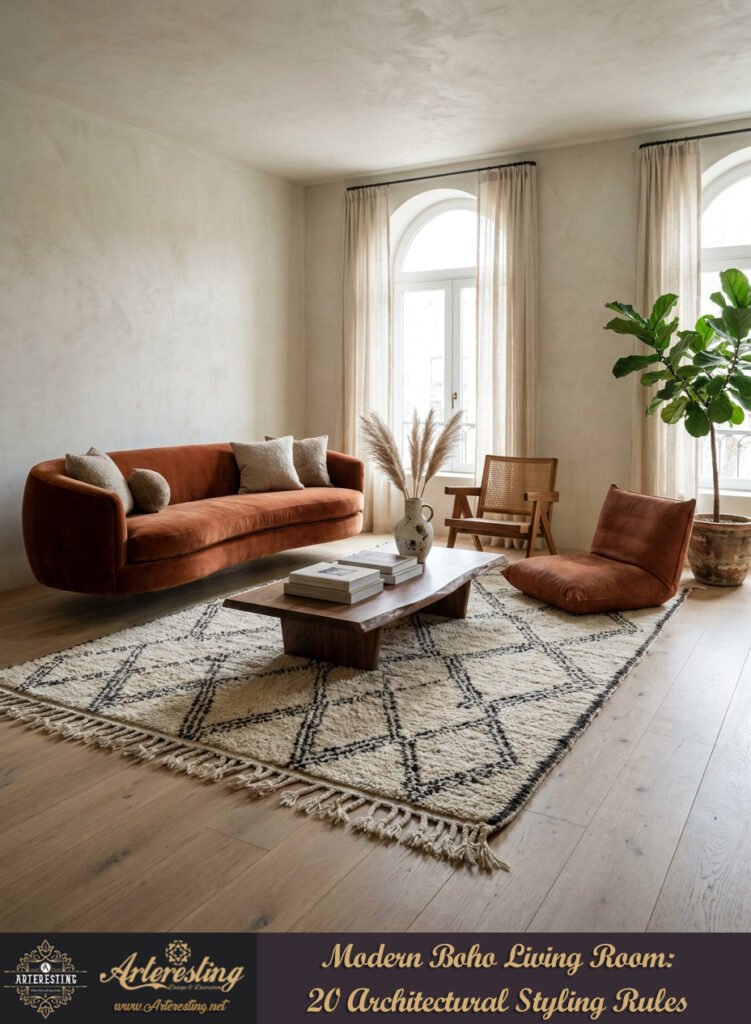
A free-spirited layout discards rigid, symmetrical furniture grids in favor of organic spatial flow. Consequently, the room breathes. By unmooring pieces from the walls, you cultivate dynamic movement. Therefore, this approach immediately fosters an inviting, high-end environment deeply attuned to human connection.
Structurally, you must abandon forced symmetry. Visually, asymmetry creates tension and architectural interest. Furthermore, pulling seating inward establishes an intimate core. We prioritize human interaction over television alignment. Thus, the space’s architecture serves its inhabitants dynamically.

Arranging Furniture for Conversation
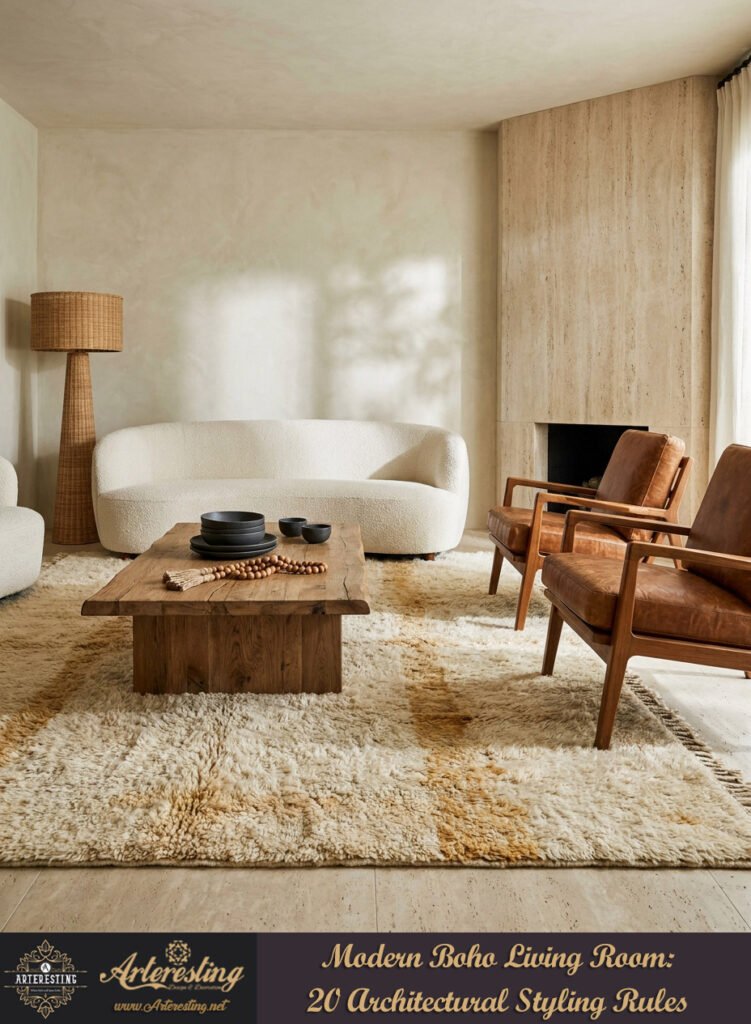
Positioning seating to face inward fundamentally alters the room’s psychological dynamics. Specifically, anchoring chairs and sofas around a central tactile focal point encourages eye contact. Consequently, the layout prioritizes intimacy and lingering dialogue over passive media consumption.
Traditional layouts push furniture against walls. However, elevated design pulls it into the center. Specifically, a low-slung coffee table acts as the spatial anchor. Next, place armchairs at slight angles. This subtle shift softens the room’s geometry. Ultimately, the space feels cultivated yet effortless.

Creating Multiple Seating Areas in a Modern Boho Living Space
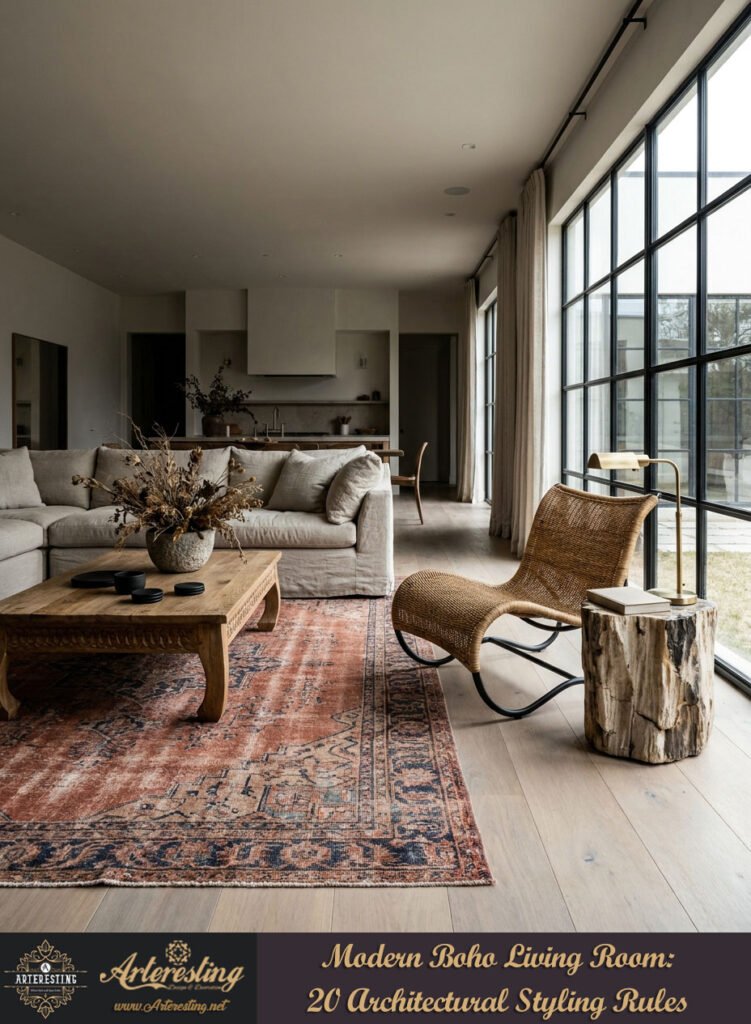
Establishing distinct zones within one room maximizes the functional footprint while adding visual depth. Crucially, delineating a primary conversational hub alongside a secondary reading nook builds architectural layers. This lets the space support varied activities at once without feeling fragmented.
Large footprints require surgical zoning. First, identify your natural light sources. Then, position a secondary vignette near a window. For example, a single sculptural chair and an artisan side table suffice. Visually, these micro-zones expand the room’s perceived scale. As a result, the environment feels expertly curated.

Incorporating Unconventional Furniture Pieces
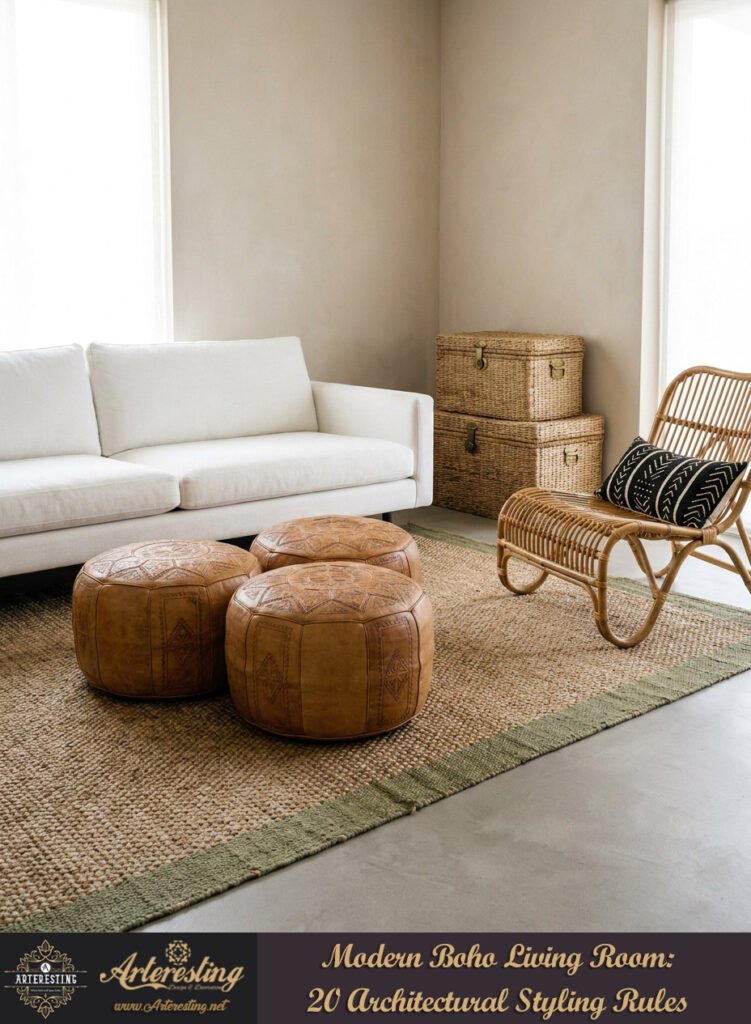
Replacing standard case goods with sculptural or low-slung alternatives injects immediate character. For instance, swapping a heavy timber coffee table for a trio of firm leather poufs introduces flexibility. Therefore, the room gains a nomadic, sophisticated fluidity essential to this aesthetic.
Conventional furniture feels heavy. Conversely, bohemian elegance demands levity. Introduce a vintage rattan lounger against a streamlined contemporary sofa. Furthermore, utilize woven trunks as concealed storage. This friction between eras and materials defines the style. Consequently, the design avoids looking catalog-bought.
The Vintage Elegance Collection
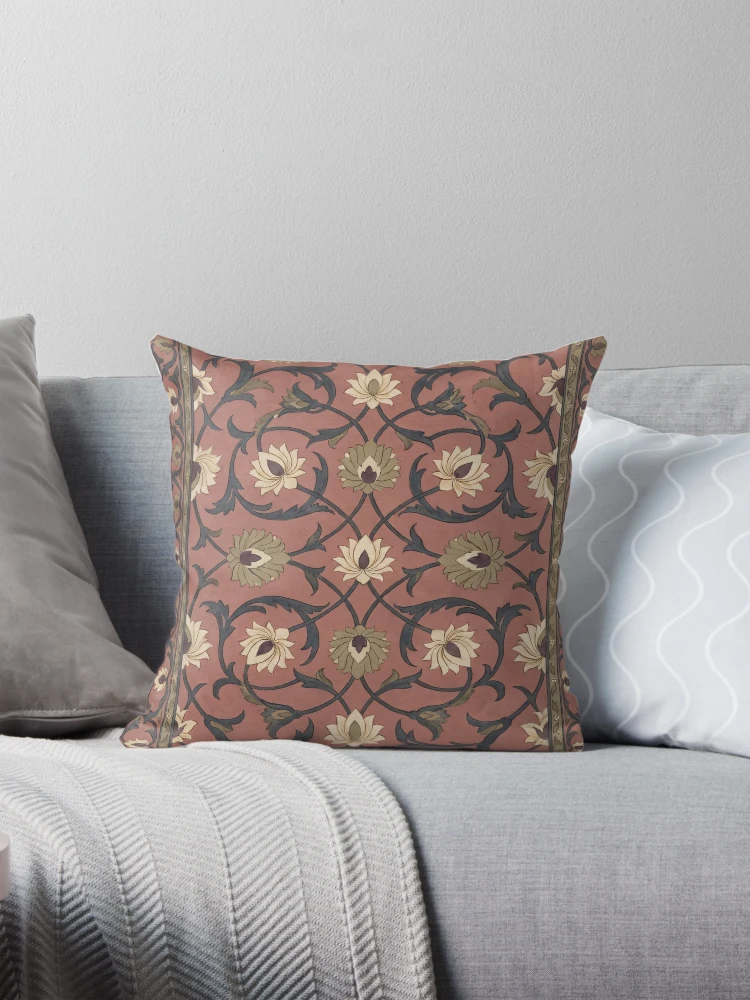
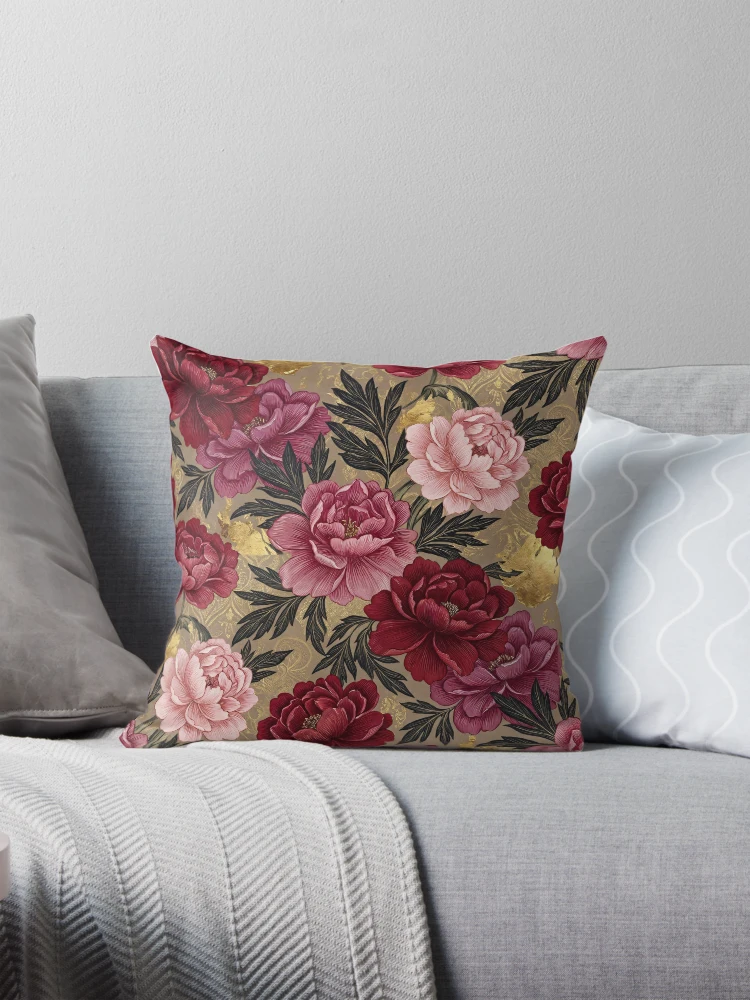
Elevate your seating with striking contrasts and timeless detail. Discover our curated throw pillows featuring bold Art Deco geometry, romantic dusty rose botanicals, and rich crimson Victorian tapestries.

Embrace Maximalism in Contemporary Bohemian Lounge Decor
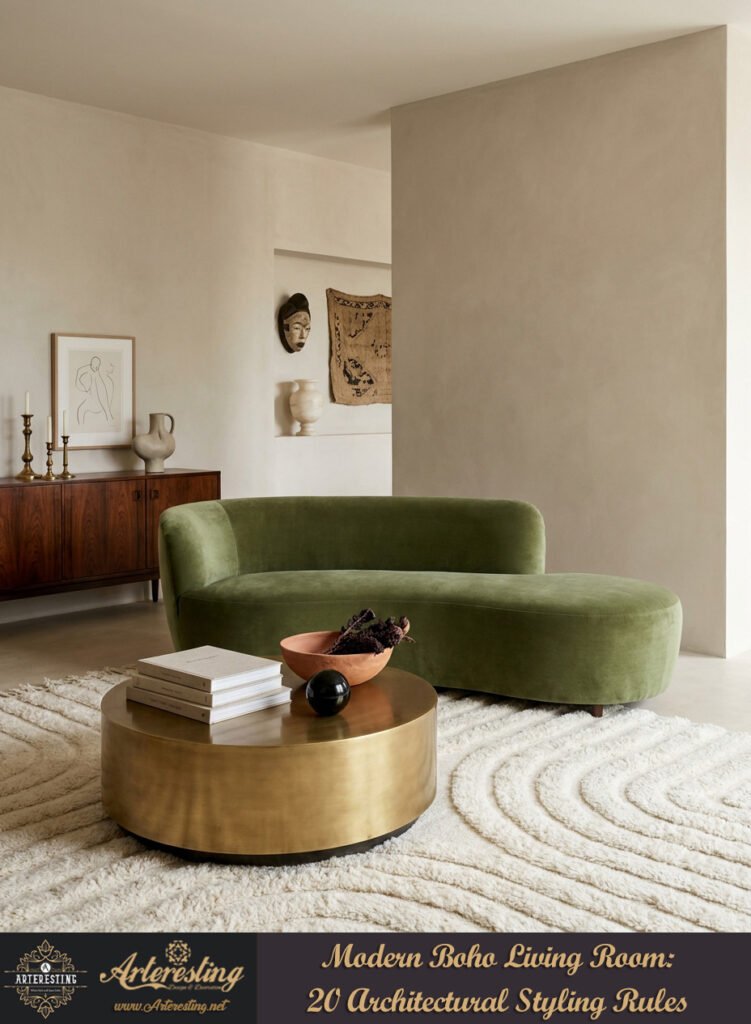
Maximalism in this context is not clutter; it is highly controlled curation. Specifically, it involves the intentional layering of diverse materials, eras, and scales. Thus, the room becomes a rich, tactile narrative rather than a chaotic storage space.
We must approach maximalism mathematically. First, establish a quiet, neutral architectural envelope. Then, introduce bold elements deliberately. Visually, negative space remains crucial. We layer density only in specific zones. Therefore, the eye travels purposefully across the design.
Layering Patterns and Textures
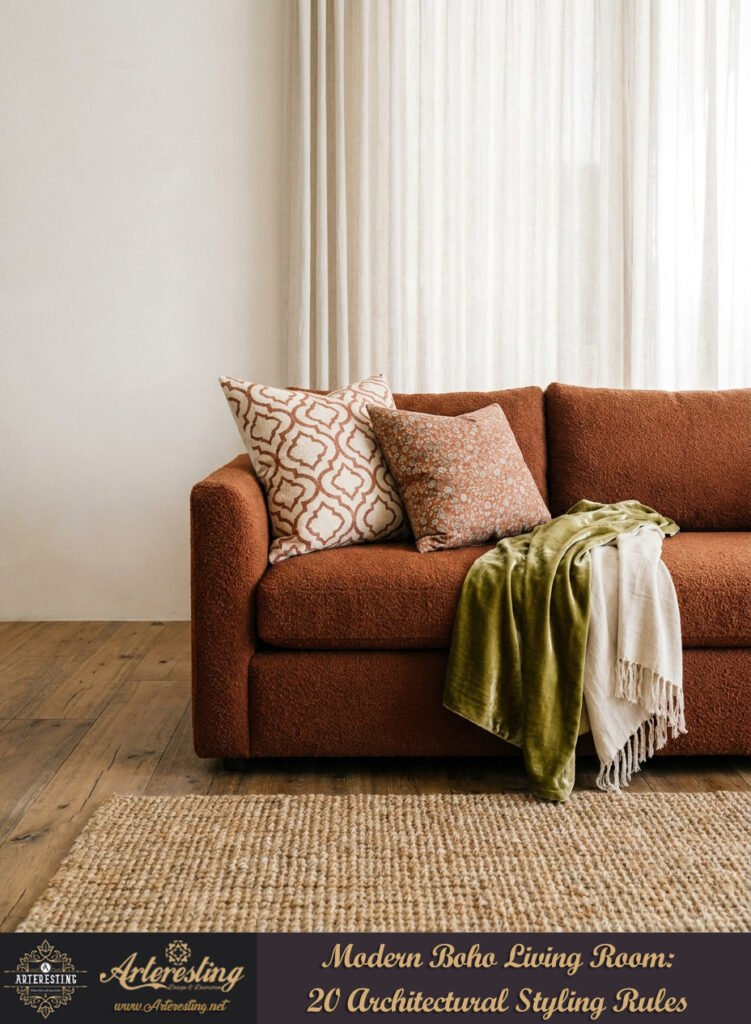
Fusing contrasting textures creates necessary visual friction. Specifically, marrying raw elements like jute with refined textiles like silk velvet deepens the spatial experience. Consequently, this tactile diversity prevents the room from reading as flat or clinically modern.
Texture dictates the mood. Initially, start with a heavy foundational fabric. Next, drape a lightweight linen. Furthermore, pattern mixing requires a unifying color thread. Crucially, scale matters immensely. Pair a large geometric print with a micro-floral. Thus, the juxtaposition feels intentional, never accidental.
The Artisan Throw Collection
Refresh your seating with a touch of global artistry. Discover our curated throw pillows featuring rustic summer wildflowers, earthy boho tribal stripes, and classic Mediterranean tiles.


Displaying Collections and Curios
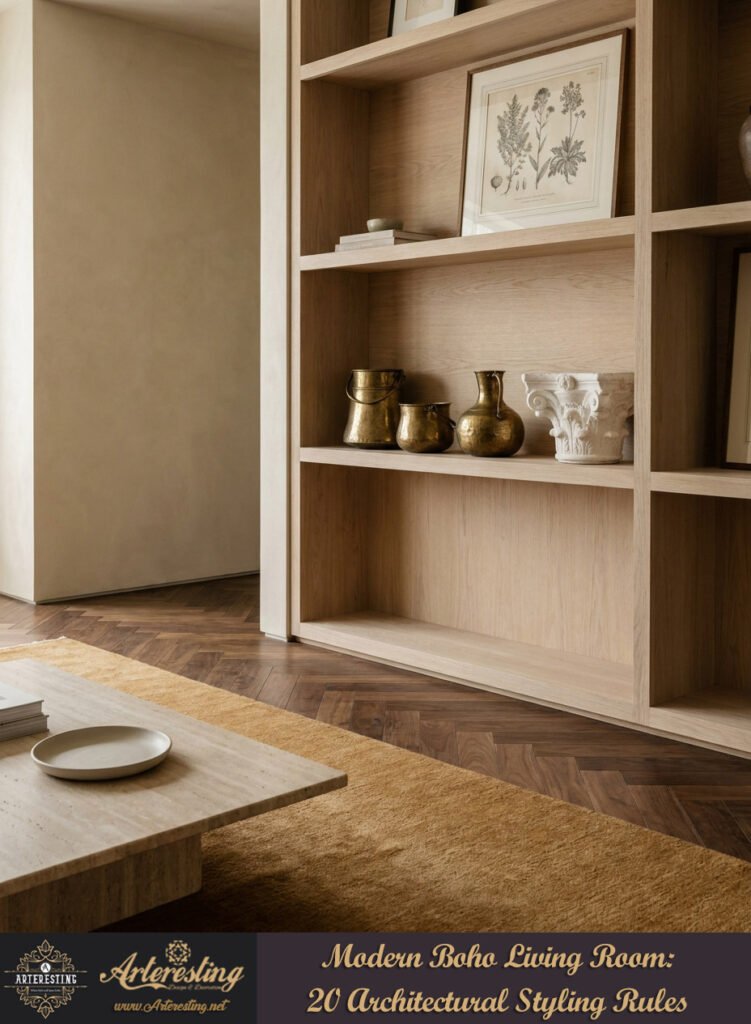
Curating personal artifacts transforms a generic space into a biographical environment. Specifically, grouping vintage objects, travel finds, or architectural salvage on open shelving provides focal interest. Therefore, the room projects authenticity and refined worldly sophistication.
Displaying items requires discipline. First, group objects by color or material. Visually, odd numbers work best. Moreover, utilize negative space on shelves to frame important pieces. Avoid scattered placement. Consequently, your collections read as art gallery exhibits.

Blend Indoor and Outdoor Elements in Your Modern Boho Living Room
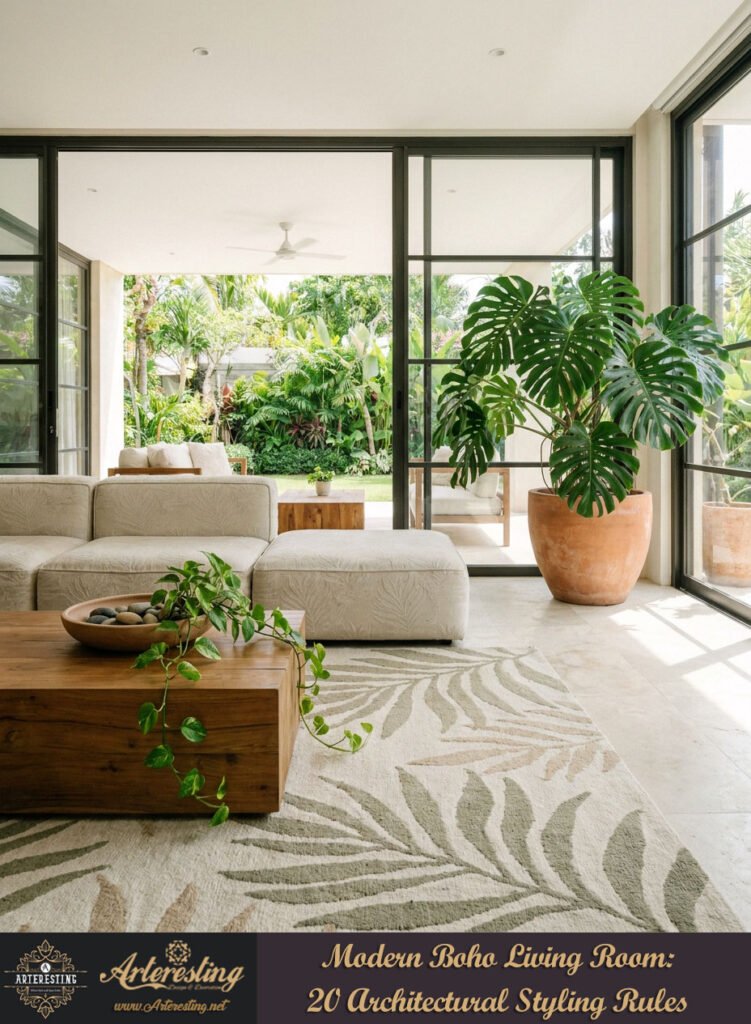
Erasing the boundary between exterior and interior environments is fundamental. Specifically, introducing organic materials and living botanicals breathes life into static architecture. Thus, the space benefits from enhanced air quality and a dynamic, biophilic energy.
Modern life disconnects us from nature. Therefore, we must deliberately reintroduce it. First, maximize window exposures. Next, pull natural motifs into the upholstery. Visually, this creates a seamless transition. Consequently, the room feels expansive and grounded.
The Cottage Floral Collection
Bring the beauty of a countryside garden indoors. Discover our curated throw pillows featuring airy spring watercolors, vintage botanical blossoms, and classic midnight romantic florals.


Using Natural Materials Like Bamboo or Rattan
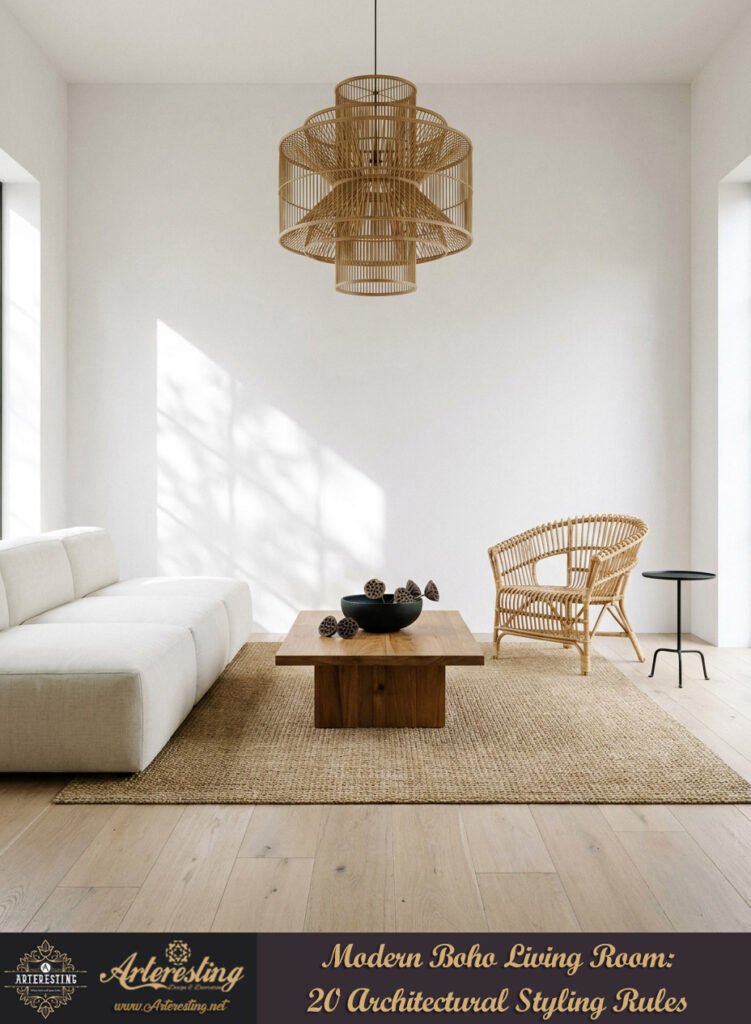
Integrating structurally robust yet visually lightweight materials like rattan grounds the design in nature. Specifically, these elements introduce complex woven textures that catch natural light beautifully. Consequently, the room gains architectural warmth without heavy visual bulk.
Rattan provides necessary structural contrast. For instance, a bamboo pendant light draws the eye upward. Furthermore, these materials boast sustainable credentials. Visually, their organic warmth softens stark drywall. Thus, they serve as essential connective tissue.
The Color Edit
This viral corduroy sectional comes in three stunning shades. Whether you want a light and airy cloud look or a moody, grounded aesthetic, there is a perfect match for your space.
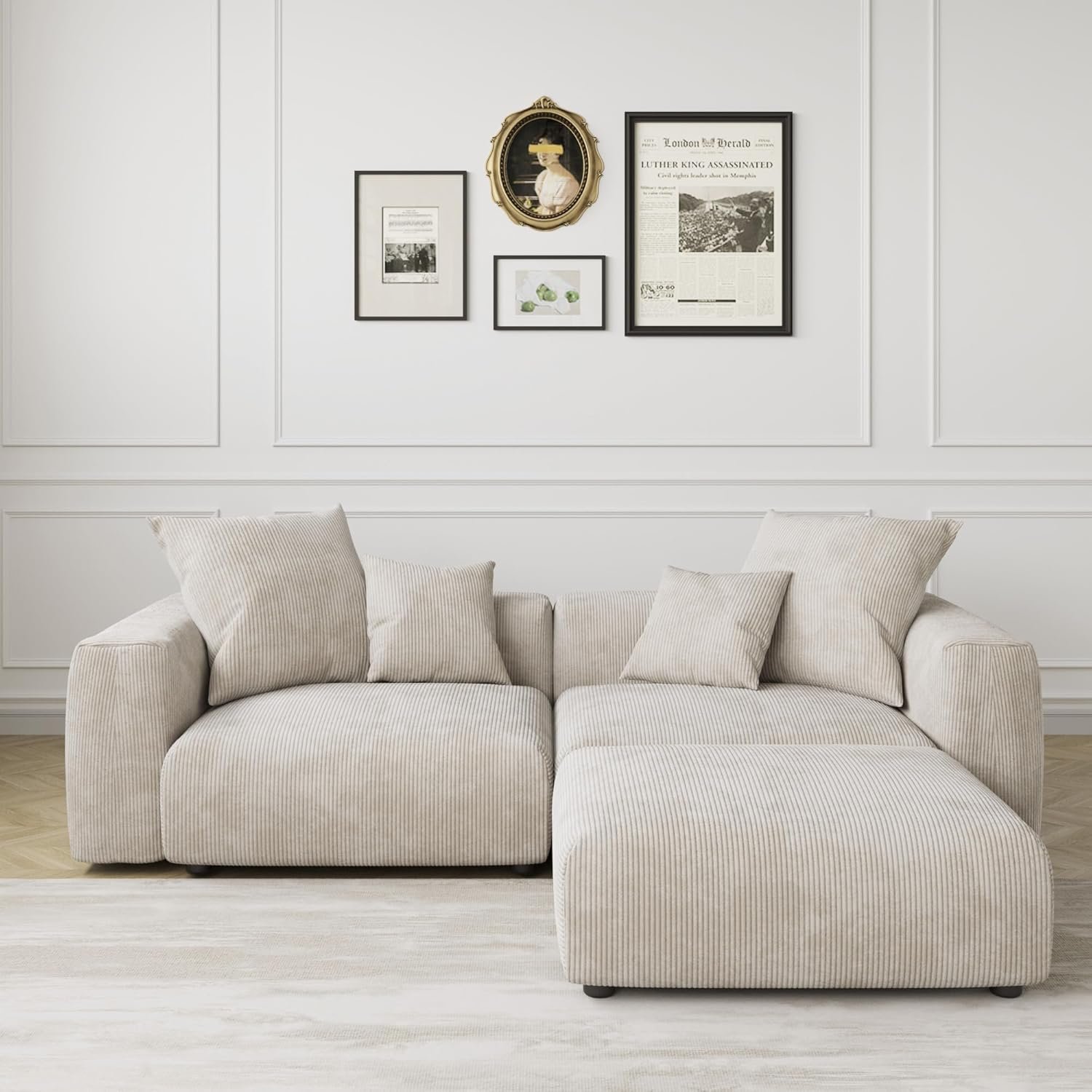
Creamy Beige
The ultimate “cloud” look. This warm, neutral tone opens up small spaces and pairs perfectly with organic wood textures and soft lighting.
View on Amazon →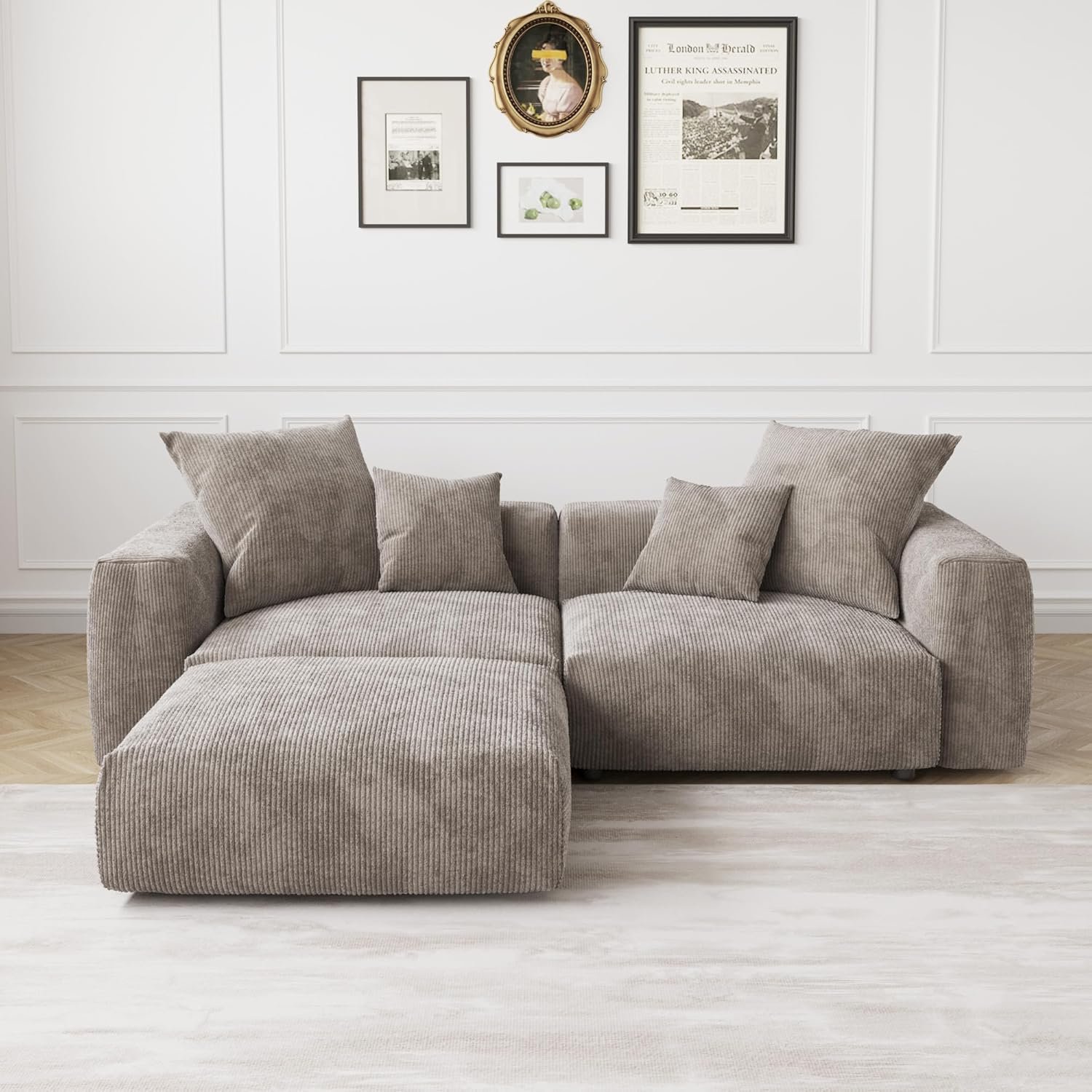
Dark Grey
Sleek, versatile, and forgiving. This cool-toned grey anchors the room and hides everyday wear better than lighter fabrics.
View on Amazon →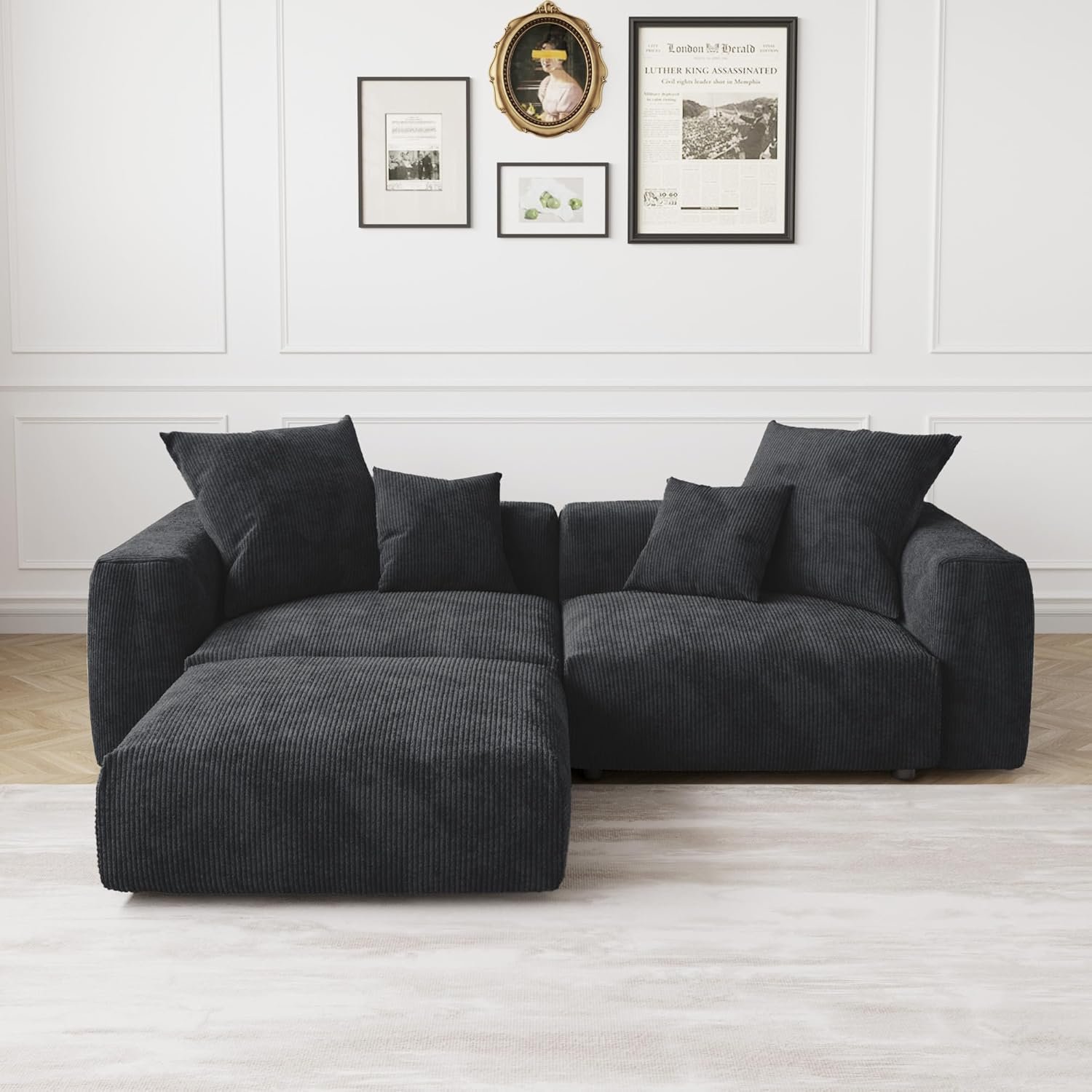
Midnight Black
Moody and sophisticated. A black corduroy sofa creates an instant focal point and adds a touch of luxury industrial edge to your living area.
View on Amazon →Incorporating Bold Wallpaper or Accent Walls
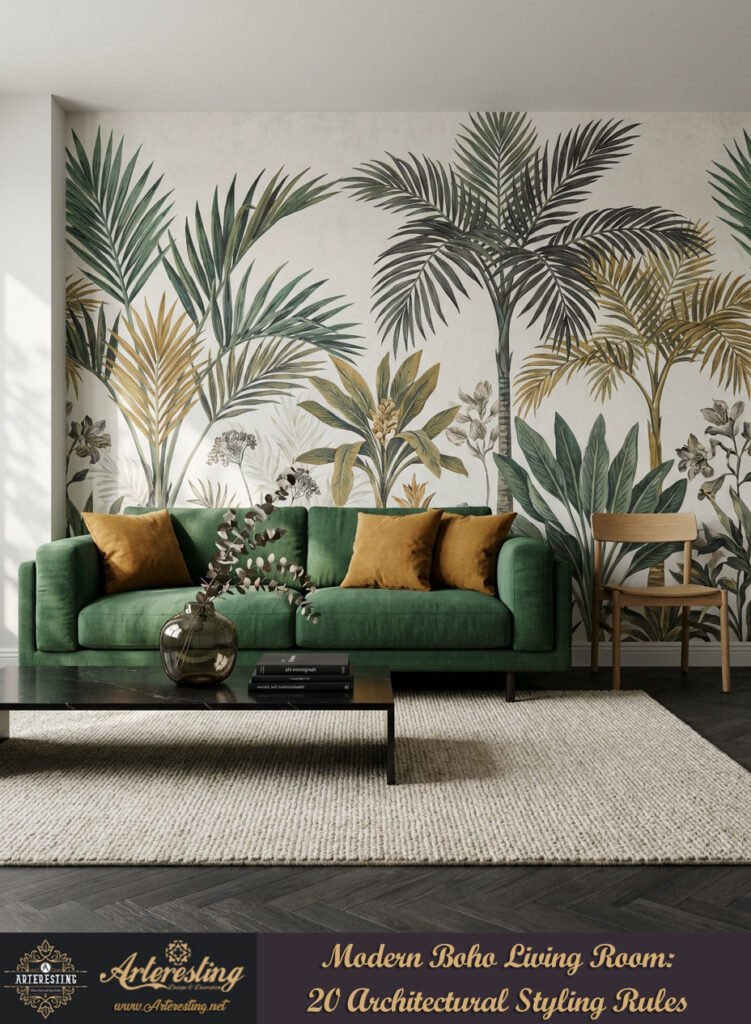
Deploying a highly saturated or deeply patterned wall treatment establishes an immediate anchor. Specifically, a botanical or geometric wallpaper dictates the room’s chromatic palette. Therefore, it provides a strong backdrop that elevates simpler furniture silhouettes.
Plain white walls often lack depth. However, a bold accent wall transforms spatial perception. First, select a wall with natural framing. Next, pull your textile colors directly from this print. Consequently, the entire room feels cohesive and deeply intentional.
The Vintage Charm Collection
Bring a sense of history and romance to your walls. Discover our exclusive collection of custom-printed wallpapers featuring fine art Art Nouveau patterns and enchanting mid-century floral bird motifs.


Adding Nature-Inspired Artwork to a Boho Chic Living Area
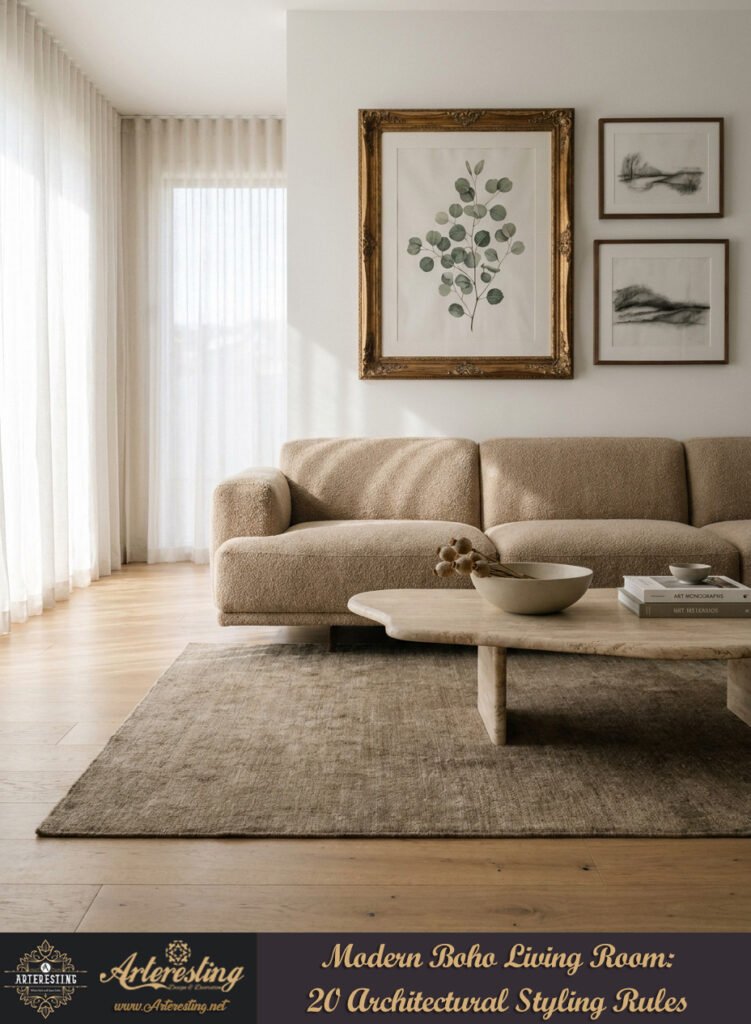
Hanging art that references botanical forms or landscape horizons reinforces the biophilic narrative. Specifically, engaging the senses through visual representations of nature lowers psychological stress. Thus, the artwork acts as a quiet, grounding force within the vibrant room.
Art selection demands intention. Specifically, focus on organic line work. Moreover, mix framing styles for an evolved look. Visually, large-scale botanical prints anchor floating furniture. Therefore, the walls actively participate in the room’s natural storytelling.
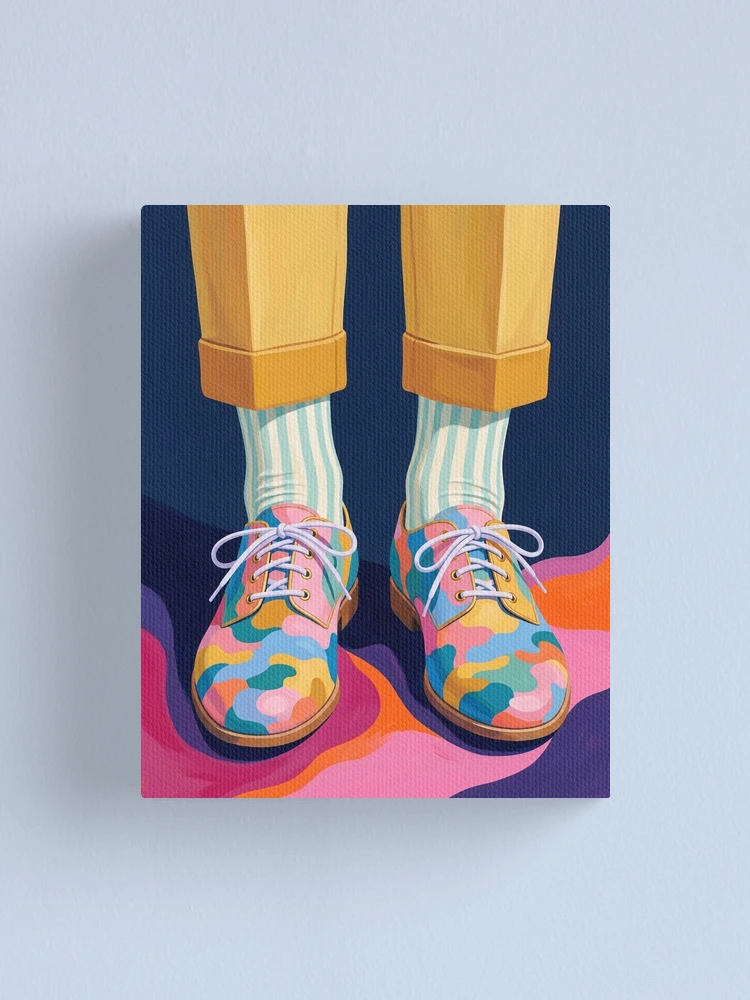
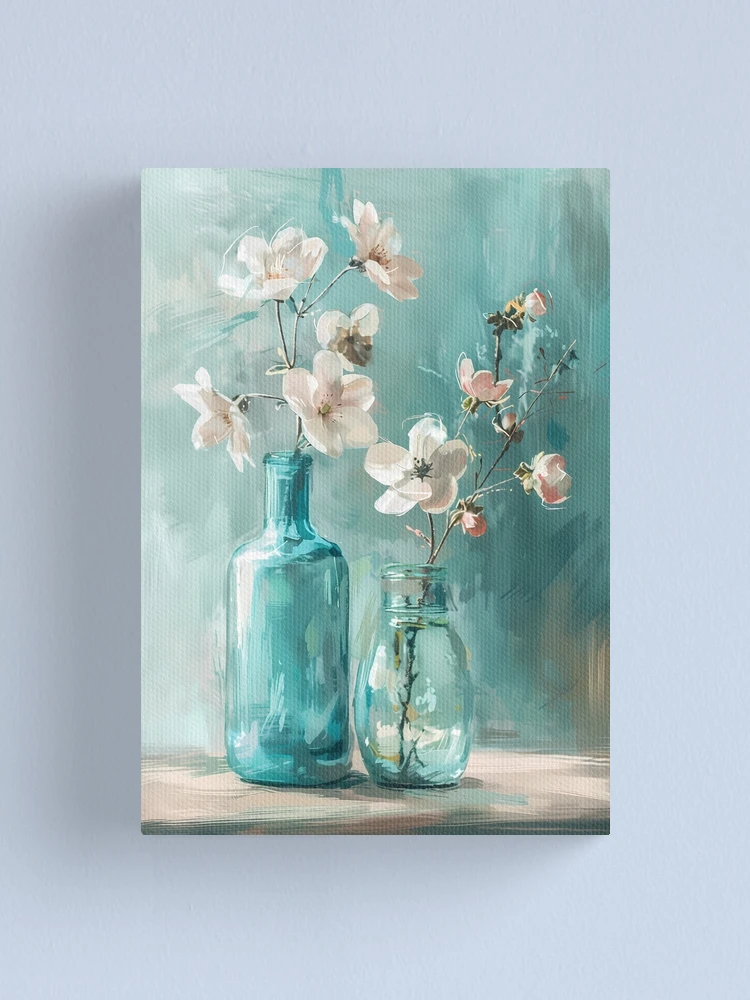
The Canvas Gallery Collection
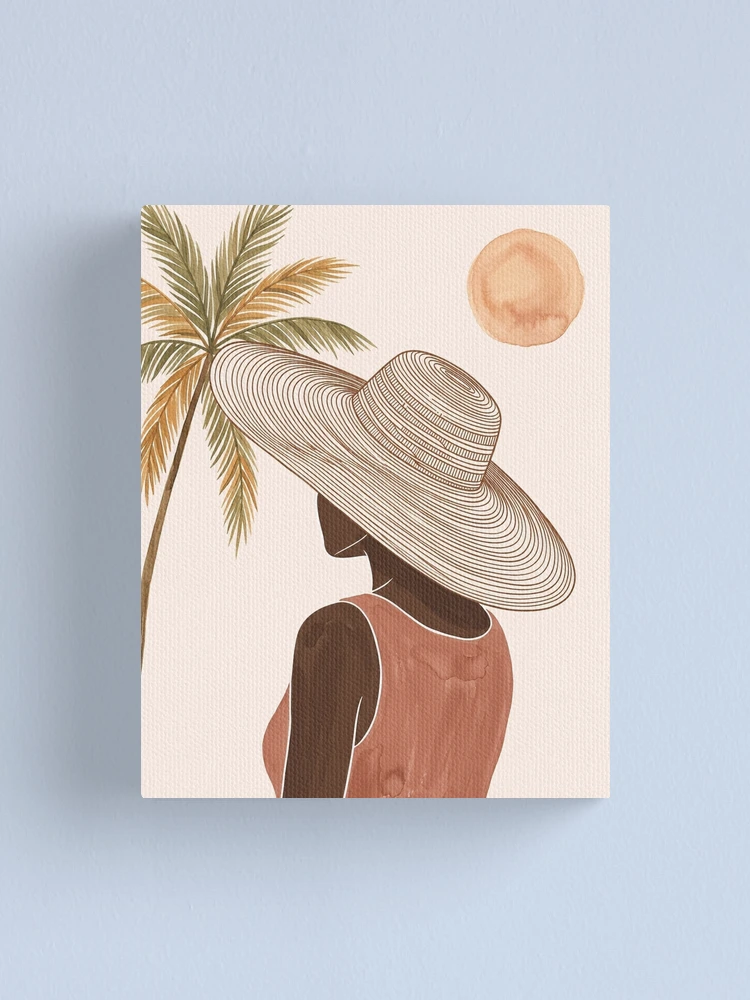
Transform your space with gallery-quality artwork. Discover our vibrant collection featuring retro pop art, serene botanical vases, and sunlit coastal scenes printed on premium canvas.
Create a Relaxed Ambiance with Soft Furnishings
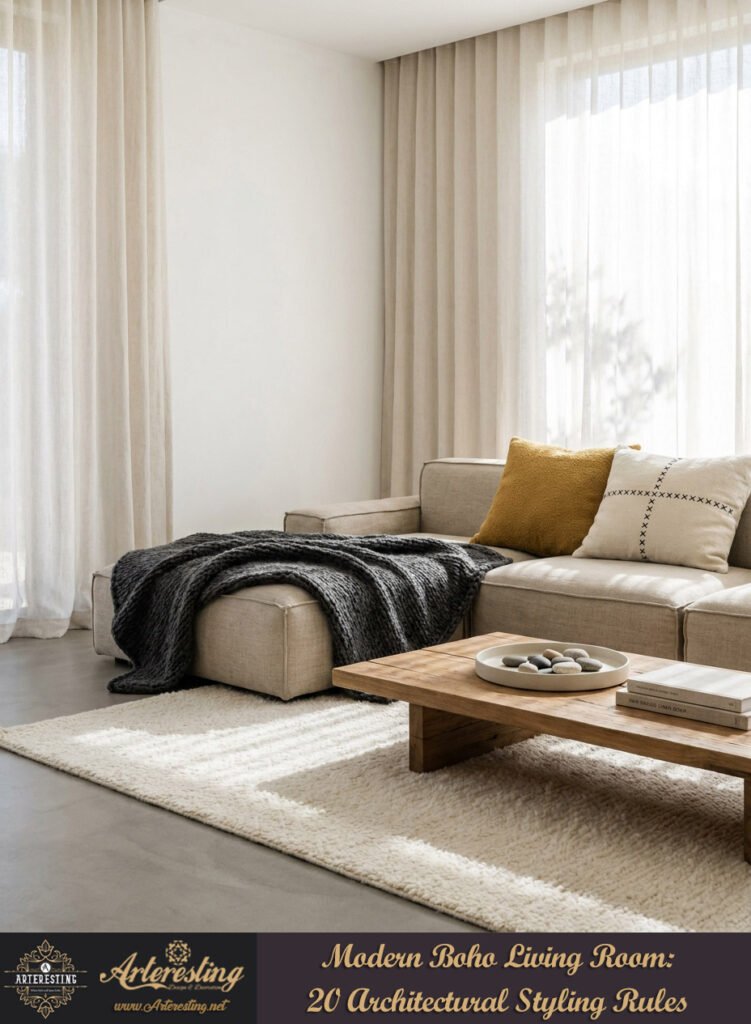
Deploying strategic textiles softens the hard edges of modern architecture. Specifically, layering plush elements physically dampens acoustics while visually warming the space. Consequently, the environment immediately signals comfort, inviting occupants to decompress fully.
Architecture provides the bones. However, soft furnishings provide the soul. First, focus on touch. Rough linens and soft wools create necessary contrast. Furthermore, these elements are easily interchangeable. Thus, you can adapt the room’s mood seasonally.
The Global Boho Collection
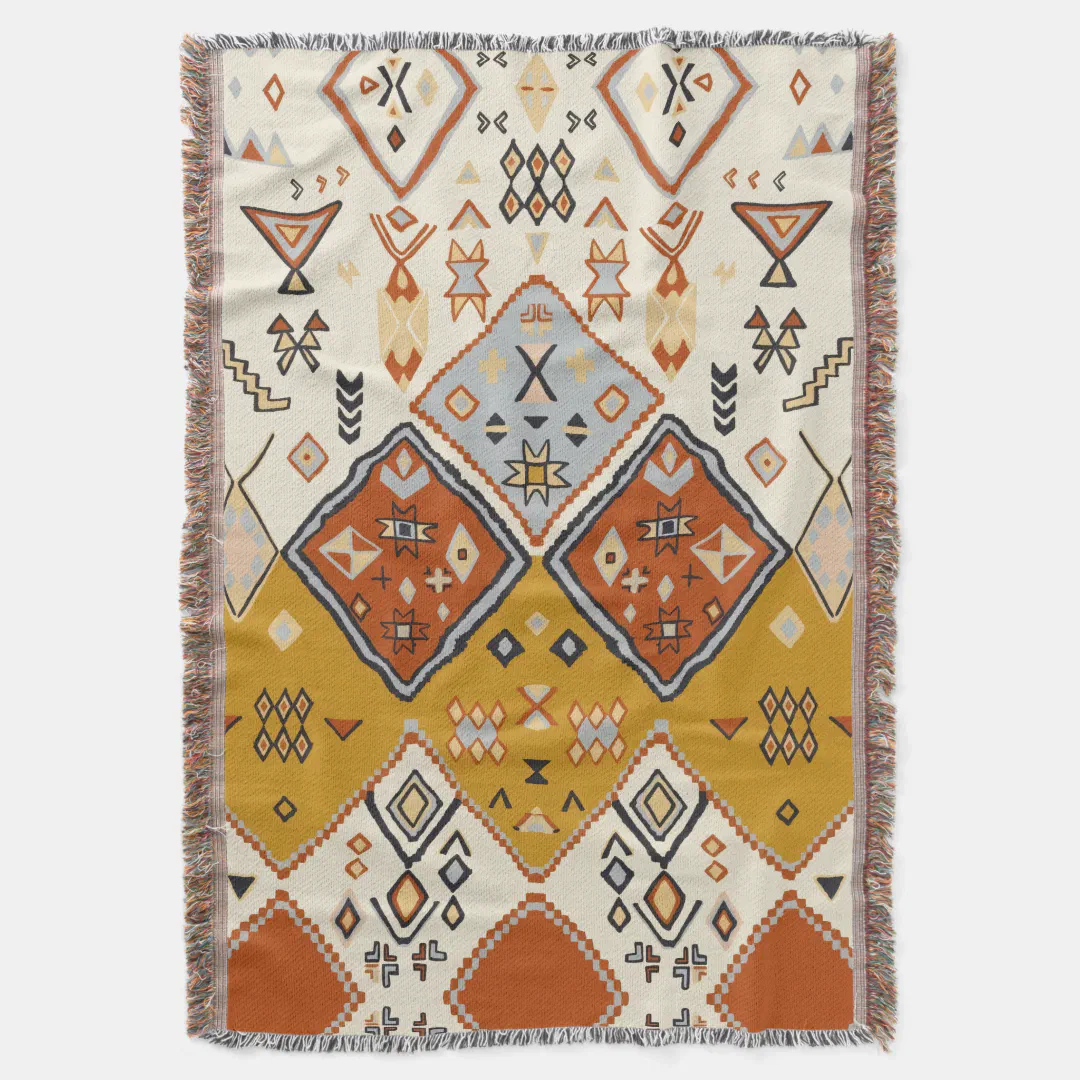
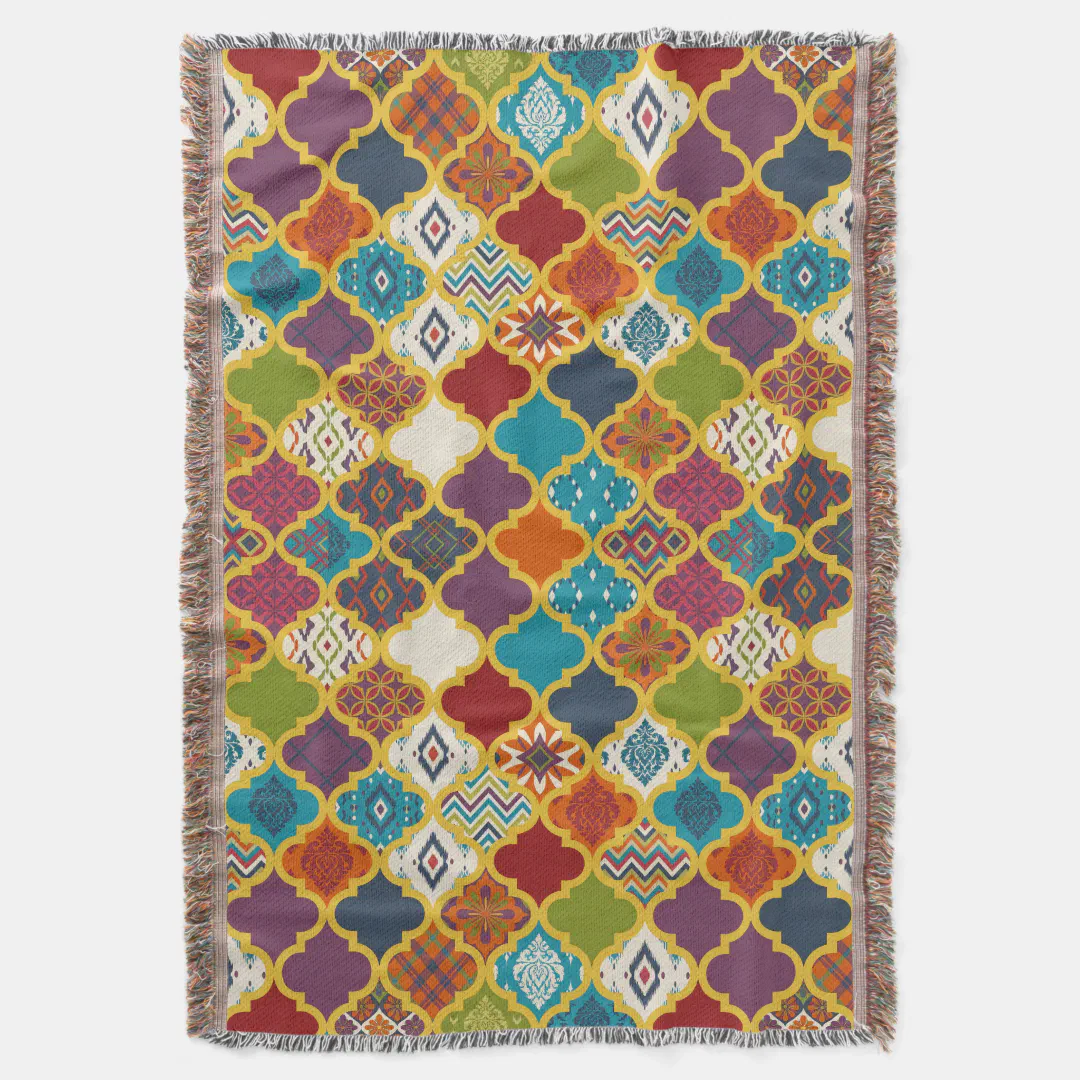
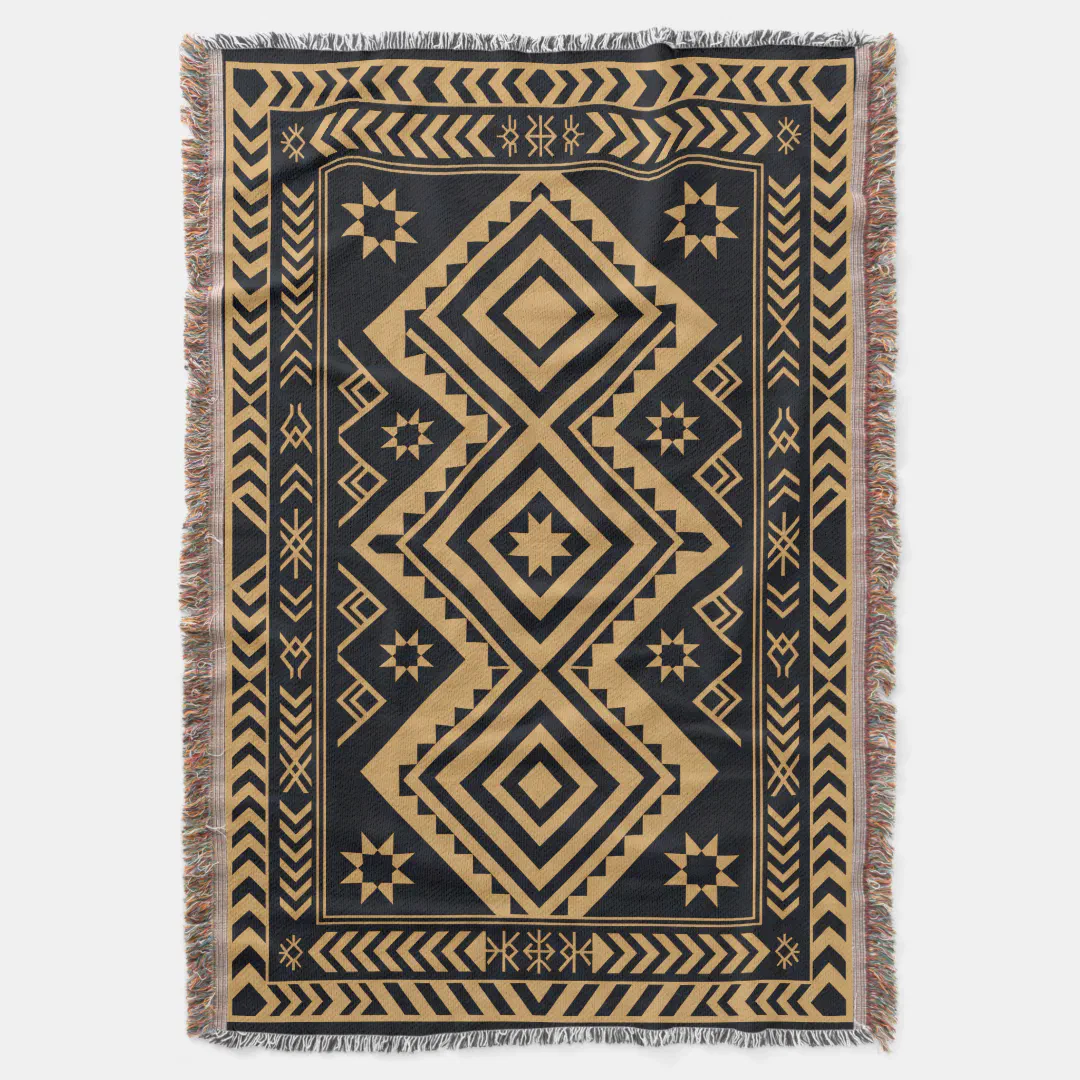
Wrap yourself in rich, cultural artistry. Discover our curated collection of ultra-soft throw blankets featuring Moroccan tribal geometry, vibrant boho patchwork tiles, and striking black and gold abstracts.
Using Oversized Floor Pillows and Poufs
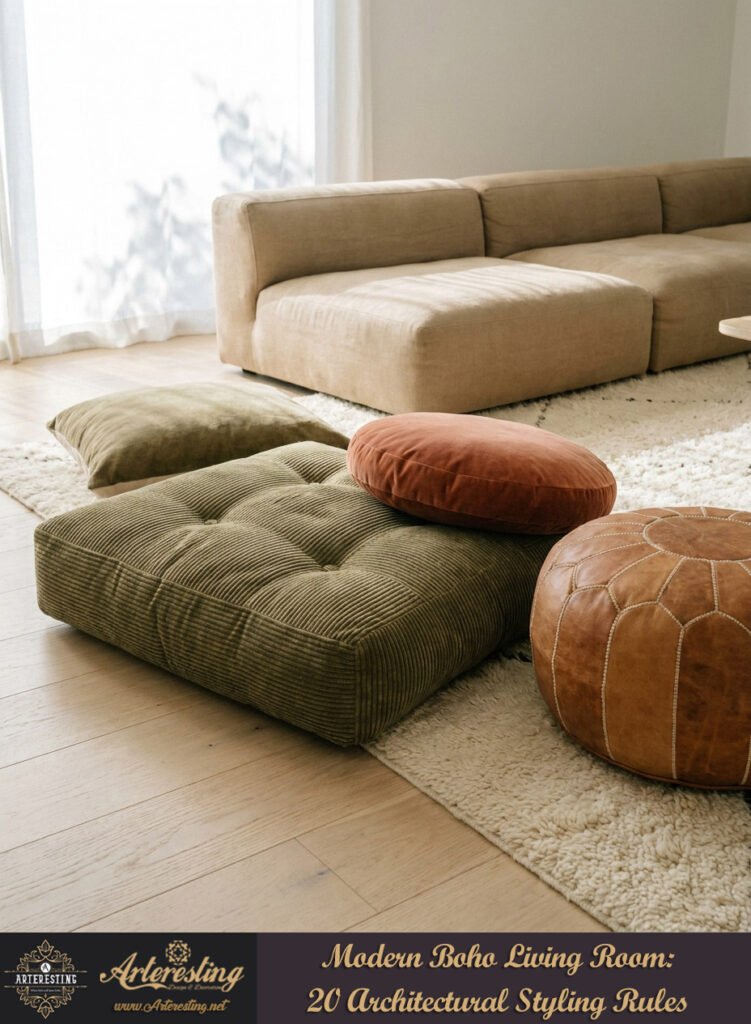
Introducing floor-level seating fundamentally lowers the room’s center of gravity. Specifically, oversized cushions break formal seating conventions, encouraging a nomadic, relaxed posture. Therefore, the space accommodates larger gatherings with an effortless, lounge-like intimacy.
Traditional seating. dictates rigid posture. Conversely, floor pillows invite sprawling. Visually, they bridge the gap between rug and sofa. Moreover, tufted corduroy adds immense tactile value. Consequently, the room embraces a highly adaptable, welcoming geometry.
The Blush Elegance Collection
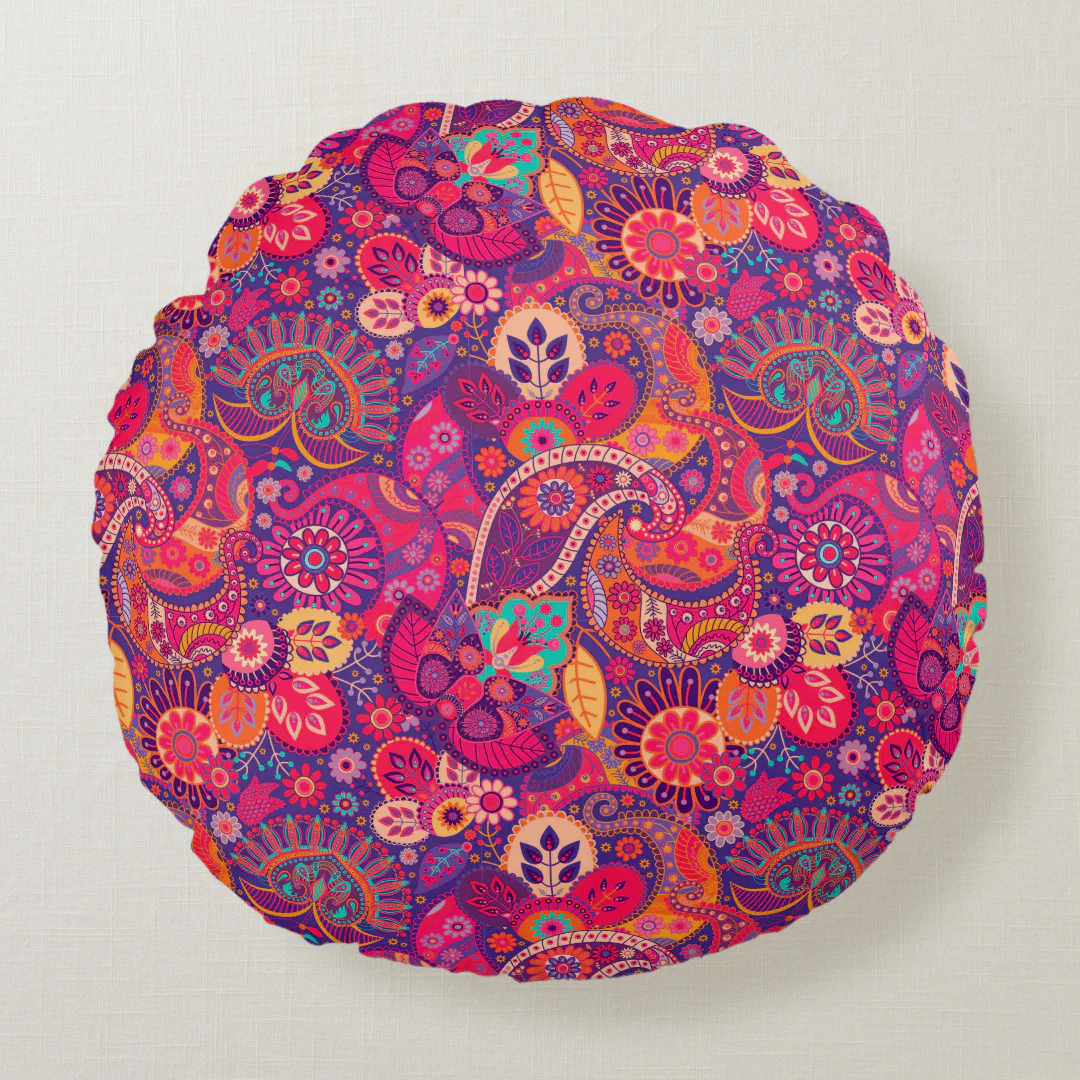
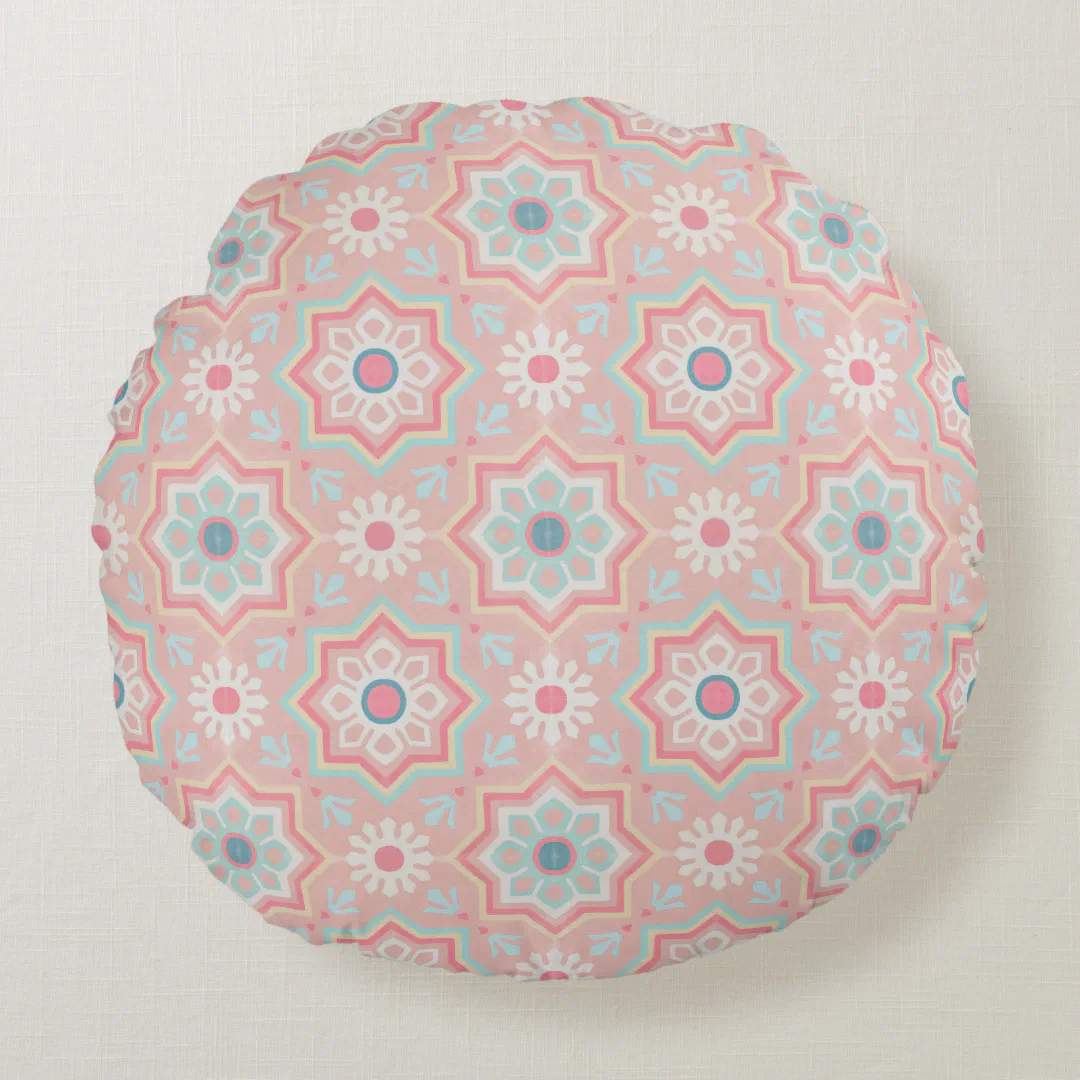
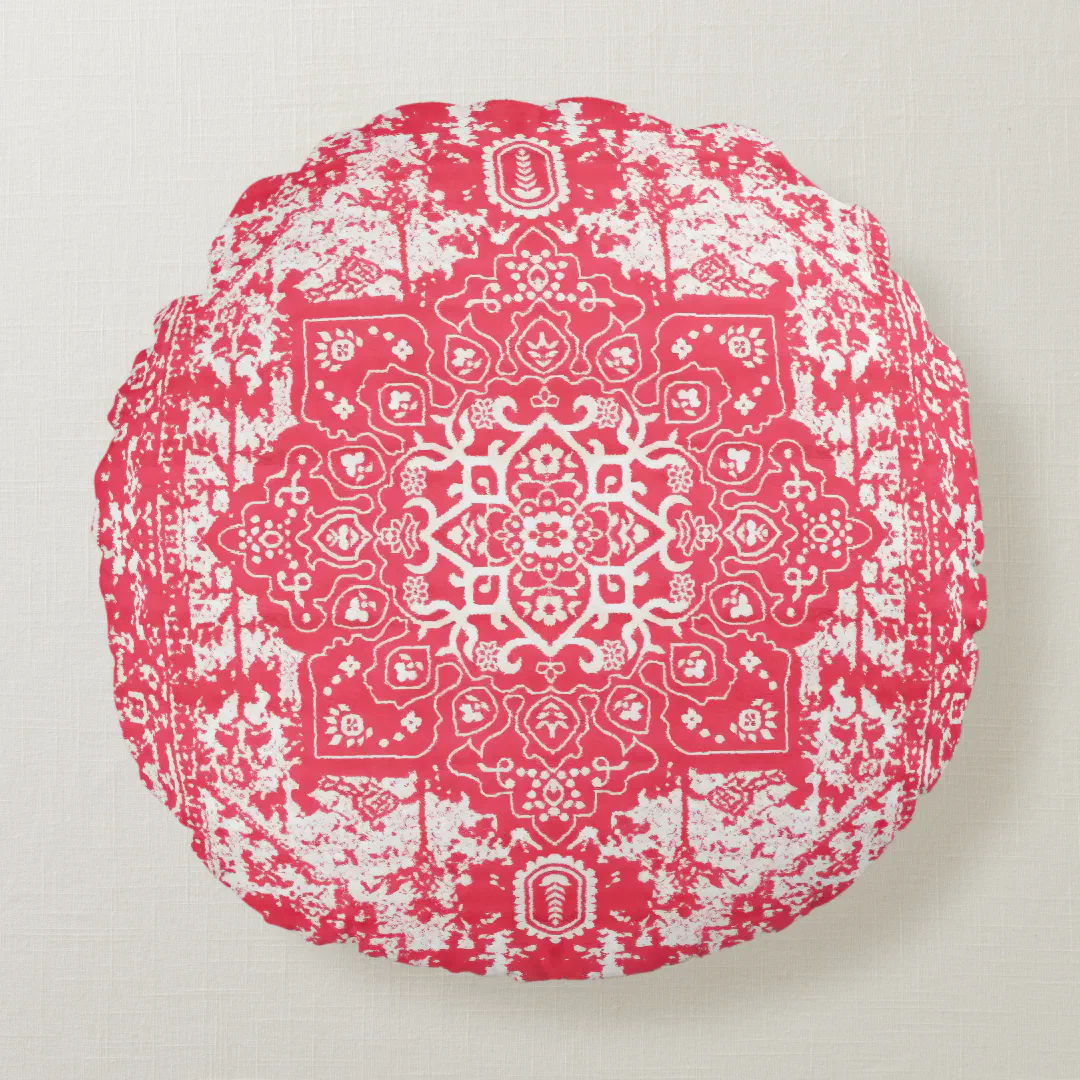
Add a touch of soft romance and global charm to your space. Discover our curated collection of round throw pillows featuring delicate pink garden blooms, vibrant kilim motifs, and elegant Andalusian patterns.
Incorporating Cozy Throw Blankets in a Modern Boho Living Room
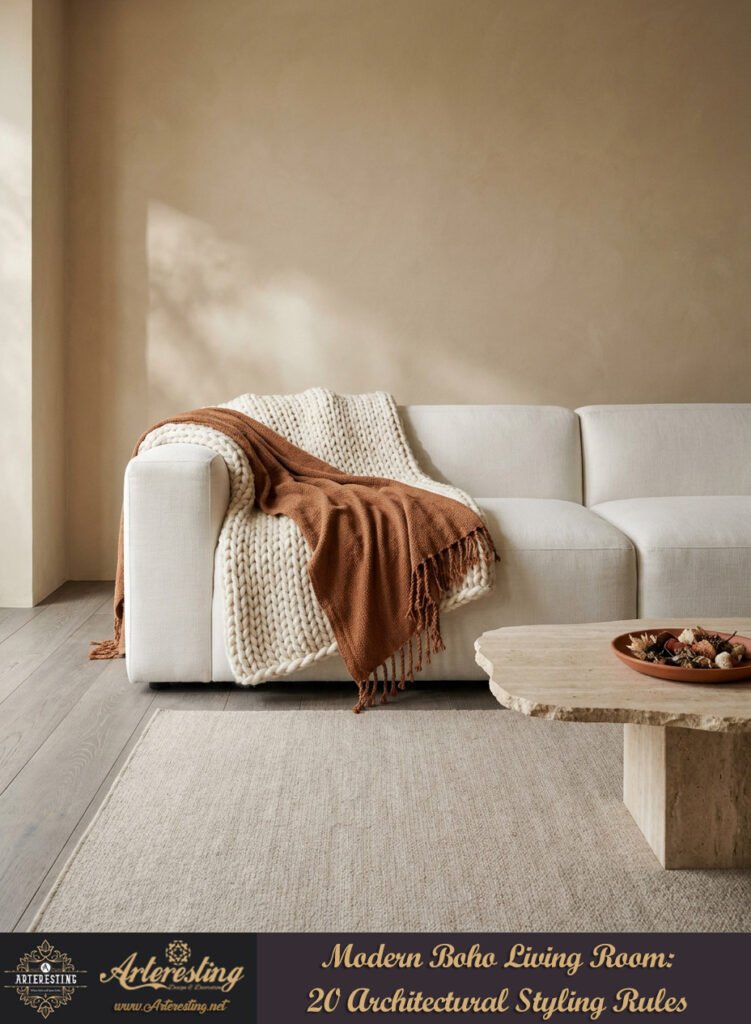
Draping heavily textured throws across seating introduces necessary casual elegance. Specifically, a chunky knit or fringed cotton blanket breaks the sterile lines of contemporary upholstery. Thus, it adds a functional layer of warmth and a crucial visual softening effect.
A bare sofa looks unfinished. Therefore, throws act as the final styling layer. First, choose natural fibers. Visually, drape them asymmetrically. Furthermore, allow the fringe to trail near the floor. Consequently, the styling feels intentional yet beautifully undone.
Adding Plush Area Rugs
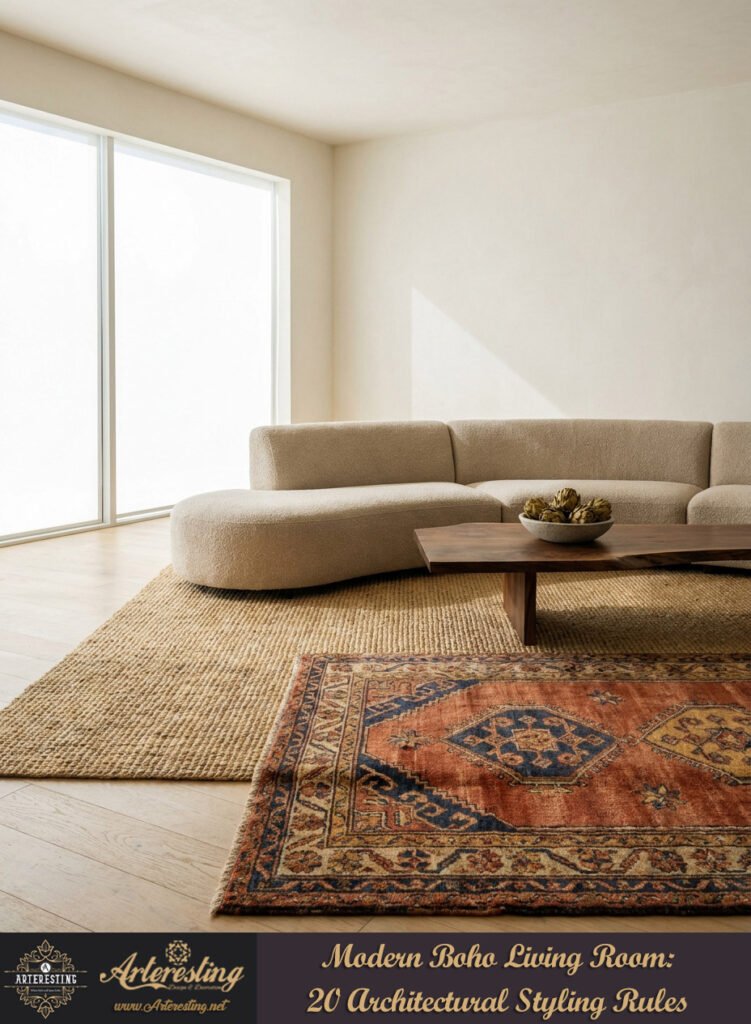
Anchoring the furniture on heavily textured or layered rugs defines the spatial boundaries. Specifically, placing a vibrant vintage rug over a larger, neutral sisal base creates a rich foundation. Therefore, the floor becomes an active design element.
Hardwood floors echo. Consequently, rugs control acoustics. First, ensure the primary rug touches all seating legs. Next, angle a smaller accent rug on top. Visually, this disrupts expected grids. Thus, the foundation of the room feels rich and curated.

How Can I Give My Living Room a Bohemian Flair?
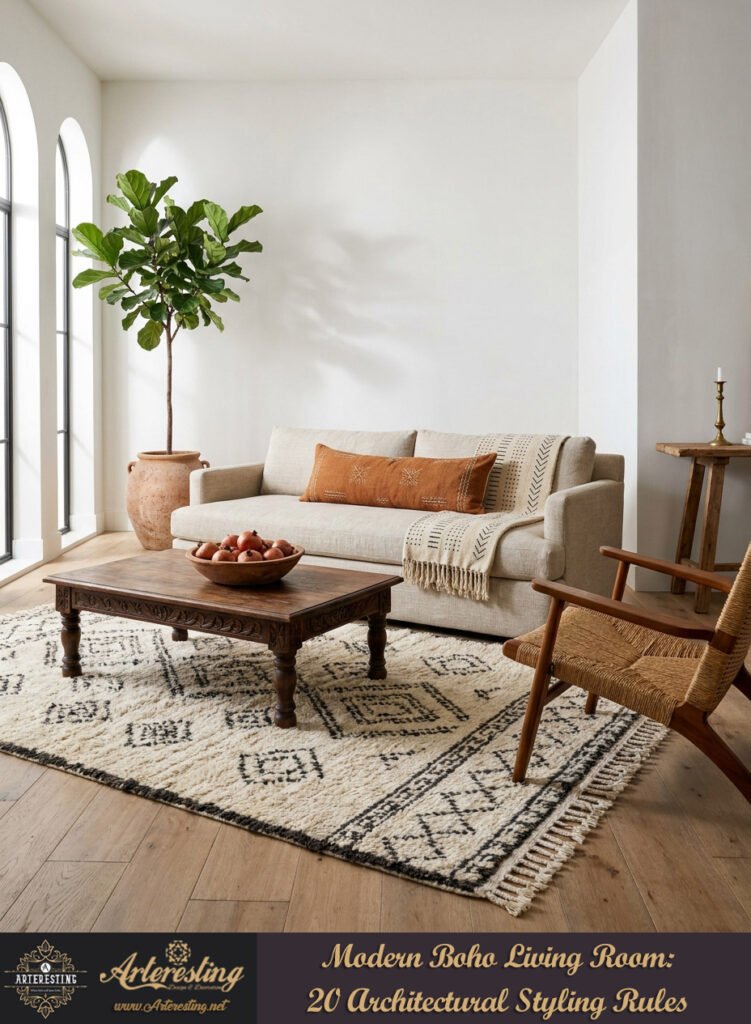
To inject bohemian flair, shift your focus from matched sets to curated contrasts. Specifically, anchor the space with a warm, neutral palette, then layer highly tactile, globally inspired textiles. Therefore, the room immediately transitions from rigid to relaxed.
Start with your foundational palette. Next, introduce vintage silhouettes. Furthermore, bring in significant living greenery. Visually, avoid matching your wood tones. Consequently, this friction creates the sought-after authentic vibe.
The Earthy Boho Lumbar Collection
Add a layer of textured warmth and global charm to your seating. Discover our beautifully curated lumbar throw pillows featuring earthy mandala patchwork, terracotta Art Nouveau fans, and rich saffron Moroccan motifs.


Tips for Combining Modern and Bohemian Styles
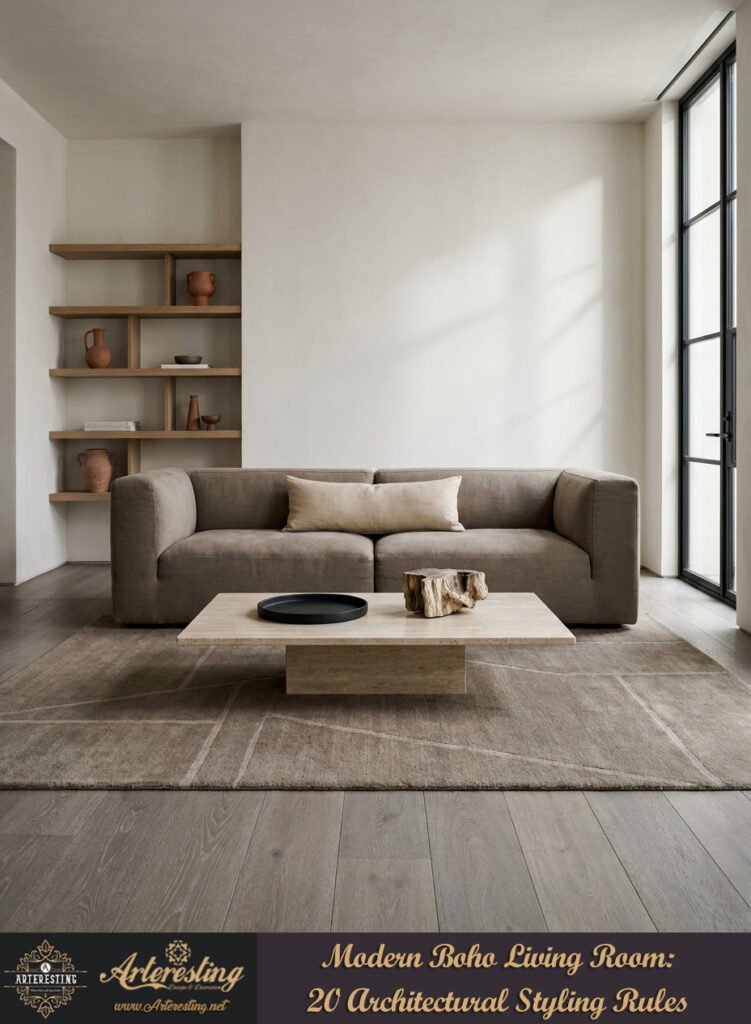
Fusing these styles requires balancing sleek modern lines with organic bohemian textures. Specifically, pair a highly structured, contemporary sofa with raw timber or vintage accents. Thus, the crisp architecture highlights the warmth of the natural materials.
Contrast is your greatest tool. First, use clean-lined seating. Then, drape it in heavy textiles. Furthermore, introduce geometric metal lighting alongside woven baskets. Visually, the modern elements prevent the boho pieces from looking messy. Therefore, harmony is achieved.

What Defines the Modern Bohemian Style?
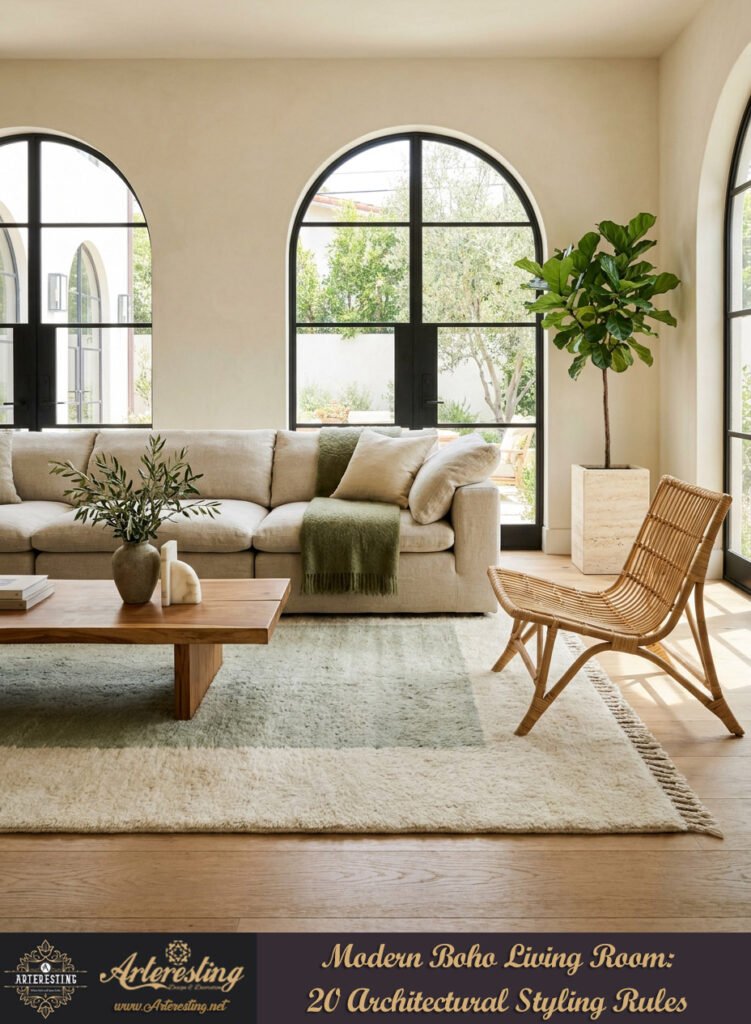
This specific aesthetic marries the strict structural restraint of modernism with the textural abundance of bohemian design. Crucially, it prioritizes clean architectural envelopes while celebrating organic materials, rich layering, and global artifacts. Consequently, it feels simultaneously polished and effortlessly lived-in.
Traditional boho can feel chaotic. However, the modern iteration is highly disciplined. Specifically, negative space is maintained. Furthermore, color palettes lean earthy and muted. Visually, it is an exercise in restraint. Thus, it appeals to sophisticated sensibilities.

Is Modern Boho Living Room Decor Still Fashionable in 2026?
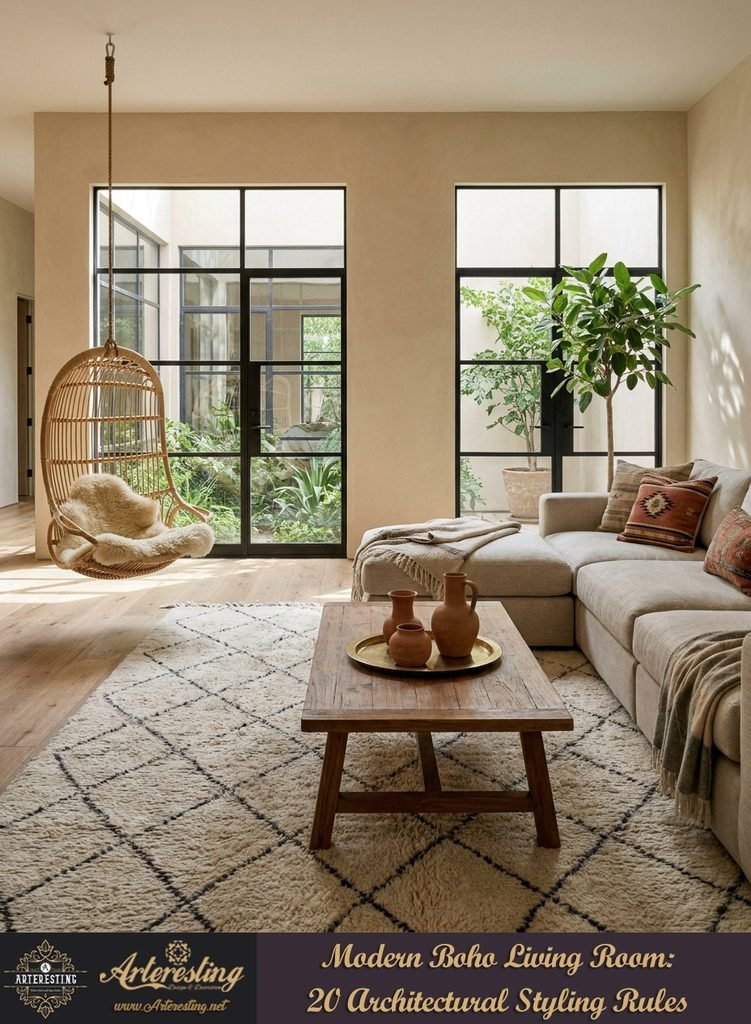
Yes, the modern boho aesthetic remains highly relevant because it fundamentally prioritizes human comfort and biophilic design. Specifically, as digital fatigue increases, the demand for tactile, nature-connected interior spaces continues to surge. Therefore, it is a timeless psychological response to modern life.
Trends fade quickly. However, comfort is permanent. Furthermore, this style adapts easily to new color trends. Visually, its reliance on natural materials ensures longevity. Consequently, investing in these foundational pieces remains architecturally sound.
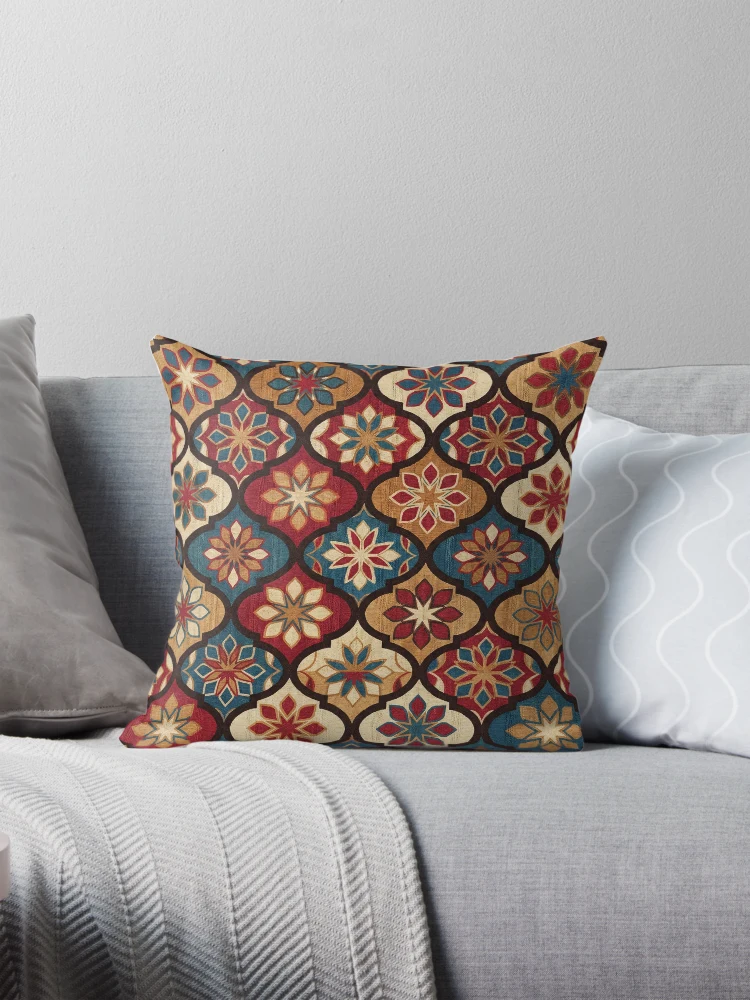
The Bohemian Moroccan Collection
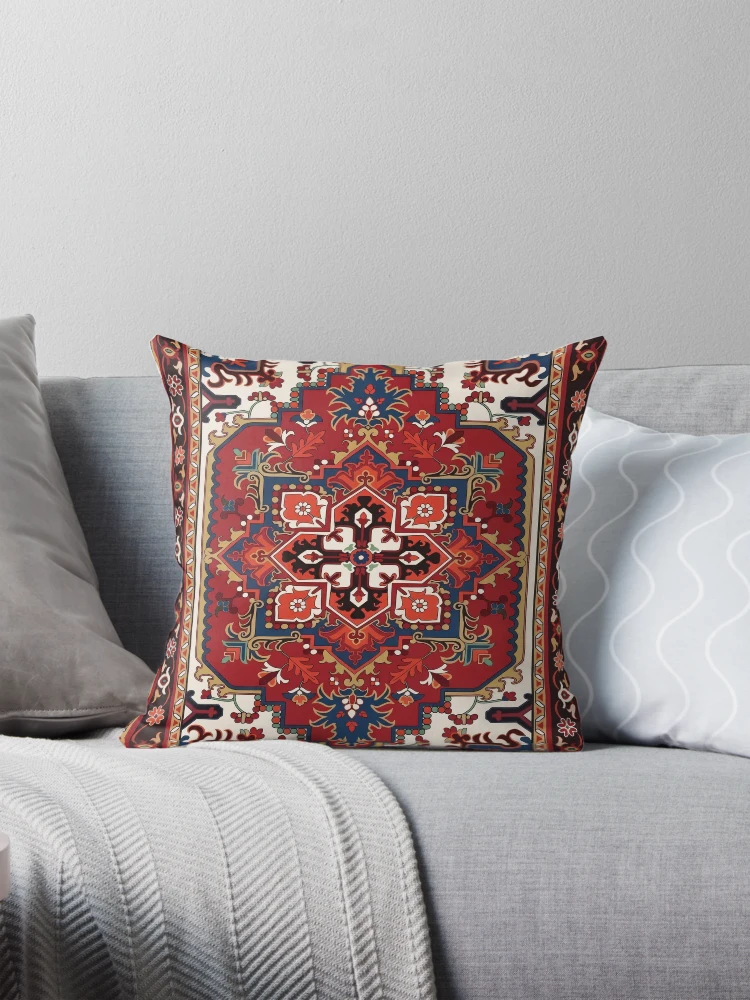
Infuse your living space with vibrant, global elegance. Discover our beautifully curated throw pillows featuring vintage Moroccan ogee florals, intricate crimson medallions, and bold bohemian diamond art.

How Can I Achieve a Minimalist Boho Style?
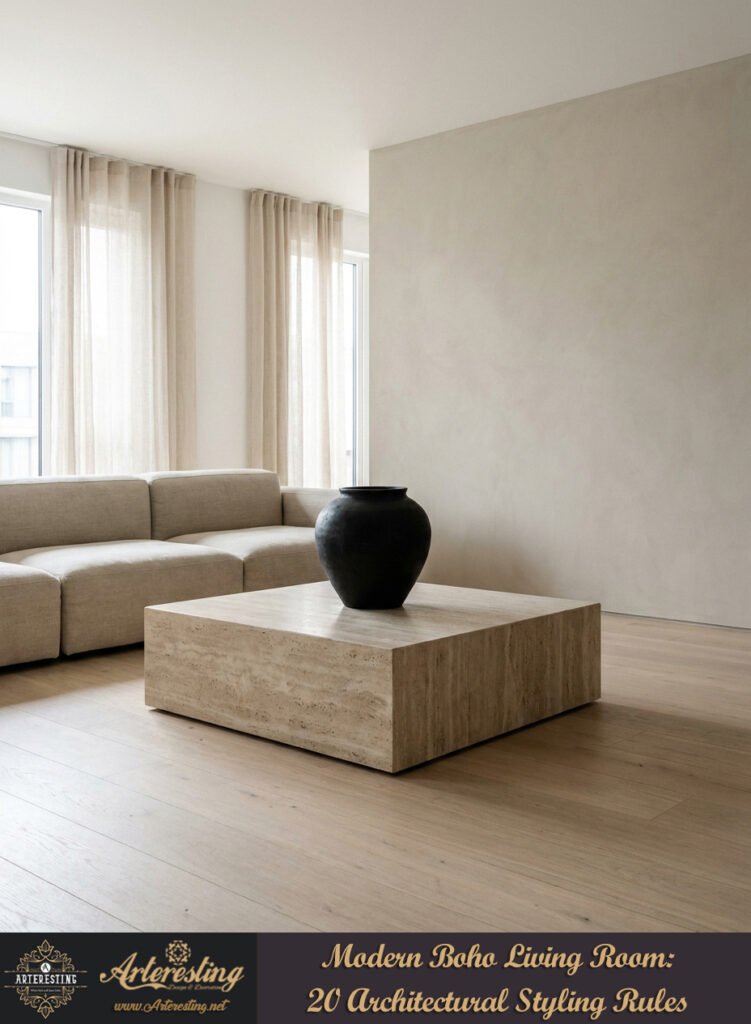
Achieving minimal boho requires radical editing while preserving natural textures. Specifically, restrict the color palette strictly to warm neutrals and limit decorative objects to a few large-scale, high-impact natural pieces. Thus, the room breathes freely without losing its organic warmth.
Minimalism demands strict discipline. First, eliminate small clutter. Next, rely entirely on texture, not color, for interest. Furthermore, use negative space as a primary design element. Ultimately, a successful modern boho living room thrives on this deliberate, quiet sophistication.
The Rustic Ceramic Collection
Elevate your surfaces with organic textures and minimalist silhouettes. Discover our curated selection of farmhouse ceramic vases, perfect for striking centerpieces and elegant bookshelf styling.


A modern boho living room blends contemporary architectural lines with organic, highly textured materials. Key elements include low-slung furniture, biophilic design integrations, and intentional layering of vintage patterns over neutral foundations. This aesthetic prioritizes conversational layouts and tactile warmth over rigid symmetry.