Table of Contents
Mastering warm bedroom lighting requires precise architectural strategy. As seasons shift, optimizing interior illumination becomes vital. Therefore, replacing stark overheads with a deliberate glow fundamentally alters spatial psychology. Specifically, structured layering prevents a cold environment. Fundamentally, this guide translates expert principles into actionable parameters. As a result, you will understand how to adjust Kelvin temperatures. Let us examine the mechanics of restorative illumination.
The Eclectic Sheet Collection
Transform your bedroom into a curated sanctuary. Discover our premium sheet sets featuring rich Victorian tapestries, striking geometric folk art, and elegant abstract swirls.


1. Buy the Right Bulbs for Warm Bedroom Lighting
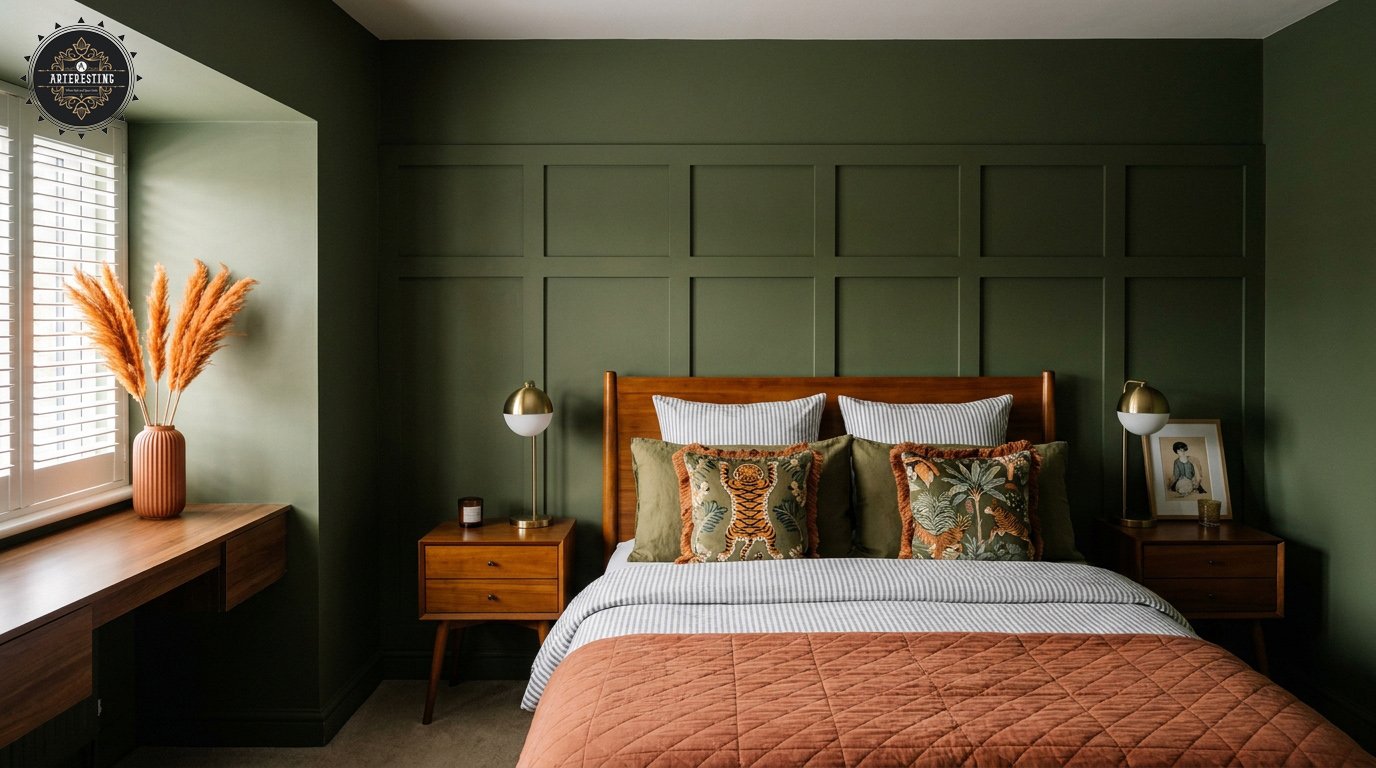
Selecting the right color temperature permanently shapes the room’s overall atmosphere. Crucially, architectural lighting experts mandate staying strictly below 2700K for all general fixtures. Next, use 2400K for bedside lamps to create the amber glow needed for deep relaxation.
Visually, a stark white bulb instantly ruins a curated room. Furthermore, incorrect wattage physically disrupts sleep quality. Experts emphasize measuring light color in Kelvins. Specifically, 2700K to 3000K provides a soft baseline. Conversely, blue-toned bulbs suppress natural melatonin production. Therefore, specify energy-efficient LEDs in the 2400K range. These eco-friendly options also integrate seamlessly with dimming systems. Ultimately, prioritizing warmer tones fundamentally anchors the structural aesthetic. Achieving warm bedroom lighting starts at the socket.
The Bamboo Lighting Collection
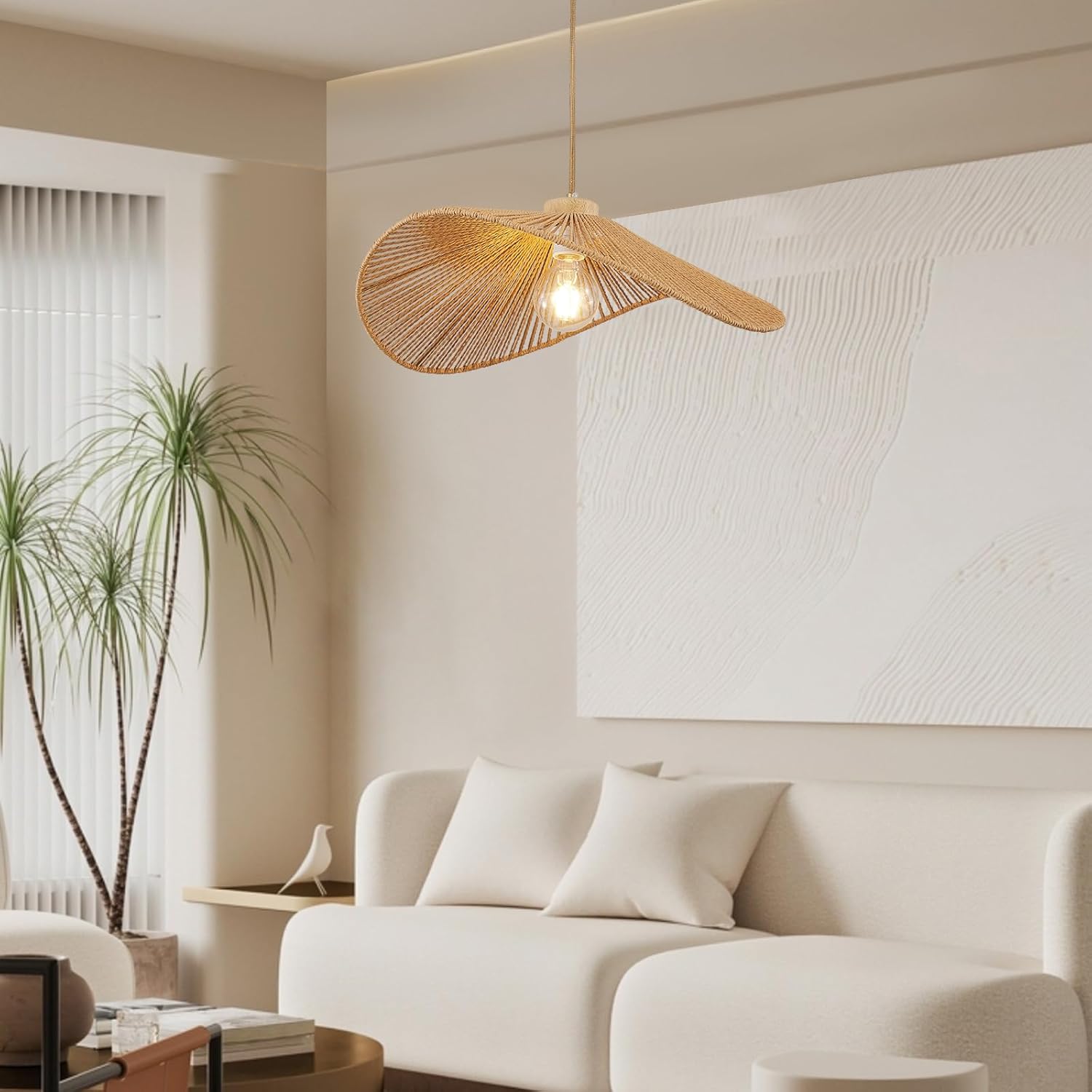
Infuse your space with airy, coastal warmth. Discover our curated selection of hand-woven bamboo pendants and chandeliers that bring natural, organic texture into any room.


2. Layer Your Ambient Bedroom Lighting
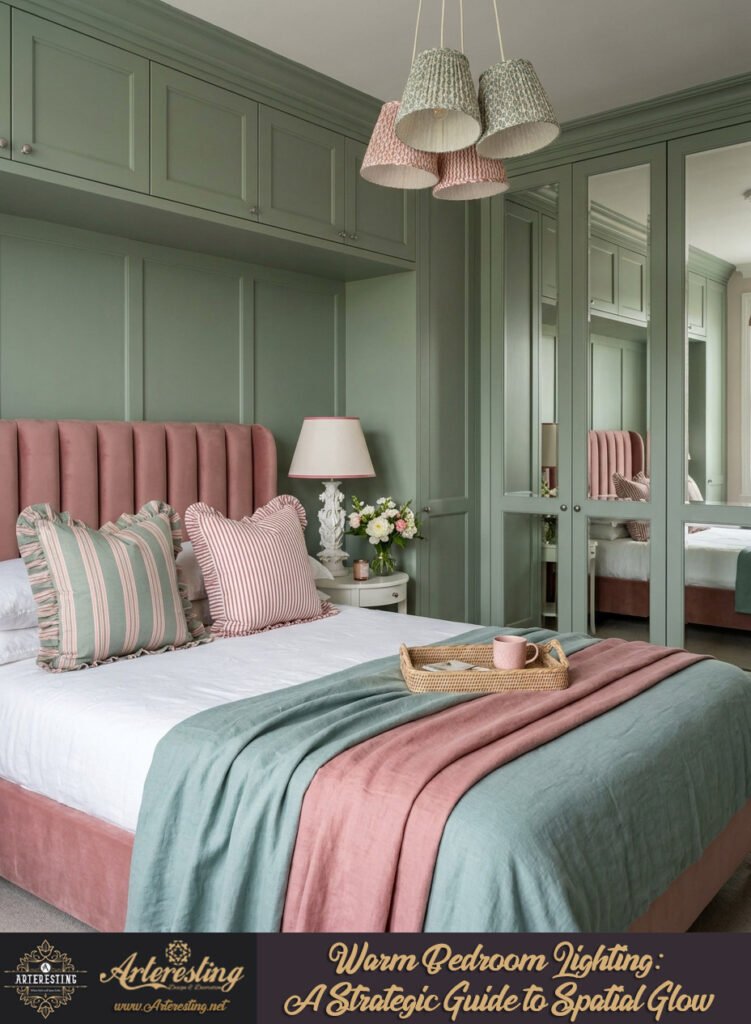
Relying on a singular overhead fixture creates flat, uninspiring spaces. Instead, successful spatial styling requires combining ambient, task, and accent fixtures. Visually, layering structural pendants, wall sconces, and table lamps builds a multi-dimensional environment that accommodates both function and rest.
Structurally, multiple light sources construct a dynamic visual hierarchy. For example, ambient up-lighting bounces soft light off cabinetry. Simultaneously, directional reading lamps provide focused utility. Furthermore, this deliberate combination prevents harsh shadowing. Crucially, assigning specific fixtures to activities ensures maximum utility. You might use the ceiling fixture for wardrobes. Subsequently, low-level lamps facilitate evening reading. Therefore, building this tiered scheme redefines the room’s geometry.
The Eclectic Sham Collection
Add the perfect finishing touch to your layered bedding setup. Mix and match our exclusive Euro pillow shams featuring moody Victorian florals, exotic animal prints, and muted textured stripes.


3. Do Not Dismiss Dimmers
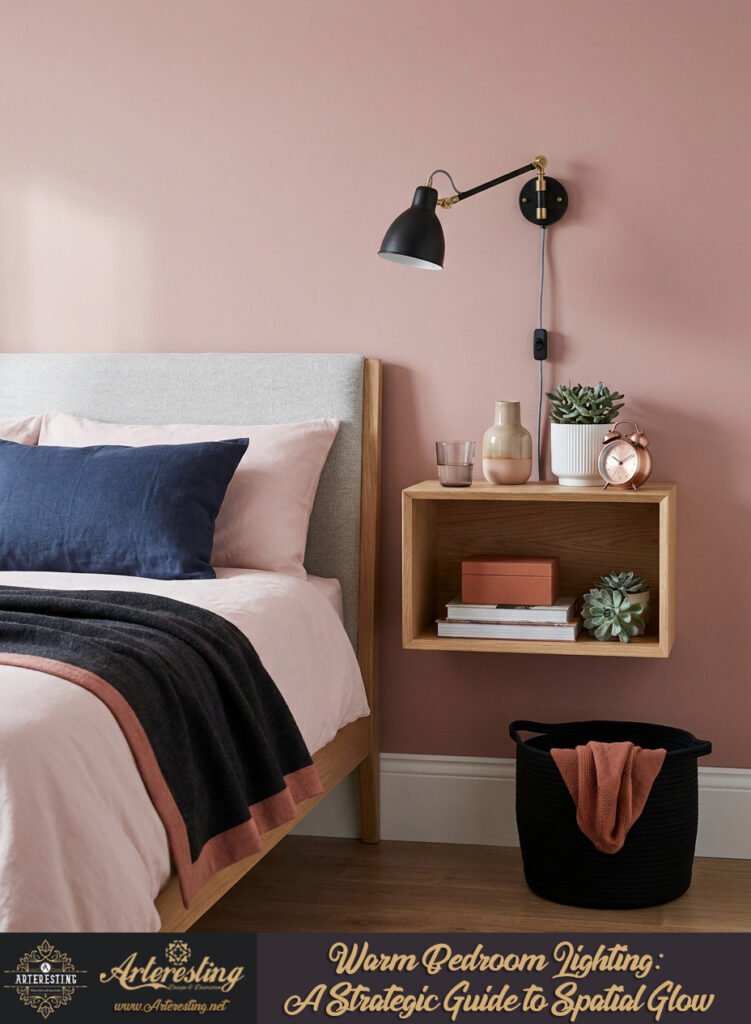
High-quality dimmer switches function as the ultimate control mechanism for spatial mood. Structurally, they allow a single fixture to transition smoothly across intensities. Notably, retrofitting advanced dimmers offers a highly effective, low-friction upgrade for instant environmental control and versatility.
Fundamentally, static lighting limits a room’s versatility. Therefore, installing dimmers empowers you to curate visual intensity. Visually, lowering the output creates intimate pools of light. Furthermore, dimmers act as an essential tool for decompression. Specifically, designers view them as non-negotiable hardware. Consequently, this simple modification instantly maximizes your existing fixtures. Ultimately, controlled dimming guarantees the environment remains highly responsive.
The Woven Storage Collection
Organize your space beautifully. Discover our favorite hand-woven jute and cotton rope baskets that perfectly blend functional storage with warm, organic texture.



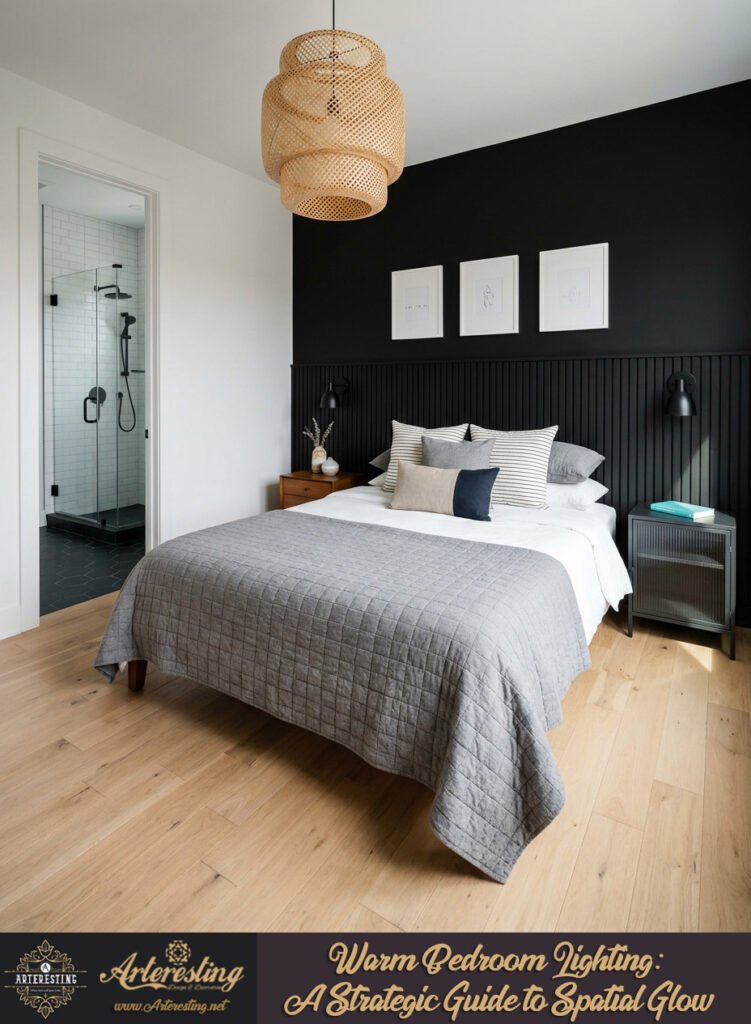
4. Welcome Architectural Wall Lights
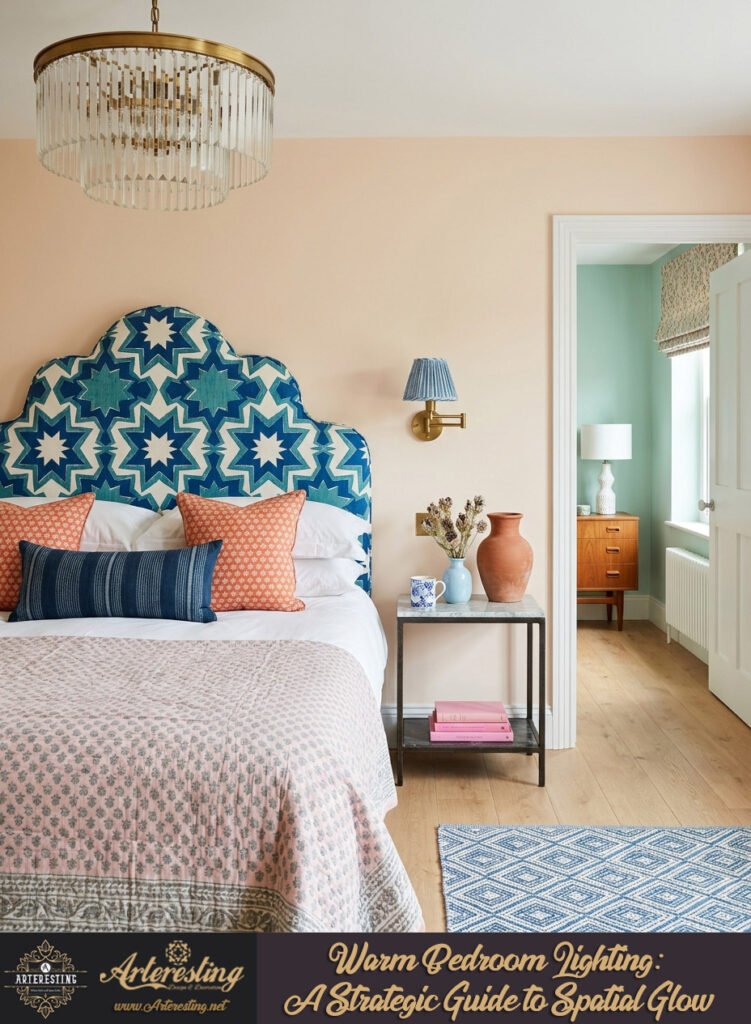
Wall-mounted fixtures dramatically refine bedside styling while preserving critical surface space. Specifically, directional swing-arm sconces deliver concentrated task lighting seamlessly. Visually, anchoring these specific fixtures beside the bed constructs a permanent, highly sophisticated architectural symmetry within the sleep space.
Structurally, wall lights function as functional sculpture. Furthermore, they liberate small nightstands from bulky bases. Crucially, utilizing soft materials around the bulb ensures gentle diffusion. For instance, opaque linen shields the eye from direct glare. Conversely, clear glass fixtures project harsh shadows. Additionally, swing-arm sconces grant precise control over direction. Therefore, integrating wall lighting physically streamlines the layout. Ultimately, it introduces enduring sophistication.
The Throw Blanket Collection
Layer your living space with warmth and artistry. Discover our exclusive collection of ultra-soft throw blankets featuring rich Moroccan tribal motifs, Andalusian geometry, and bold boho abstracts.



5. Look Up to a Ceiling Light
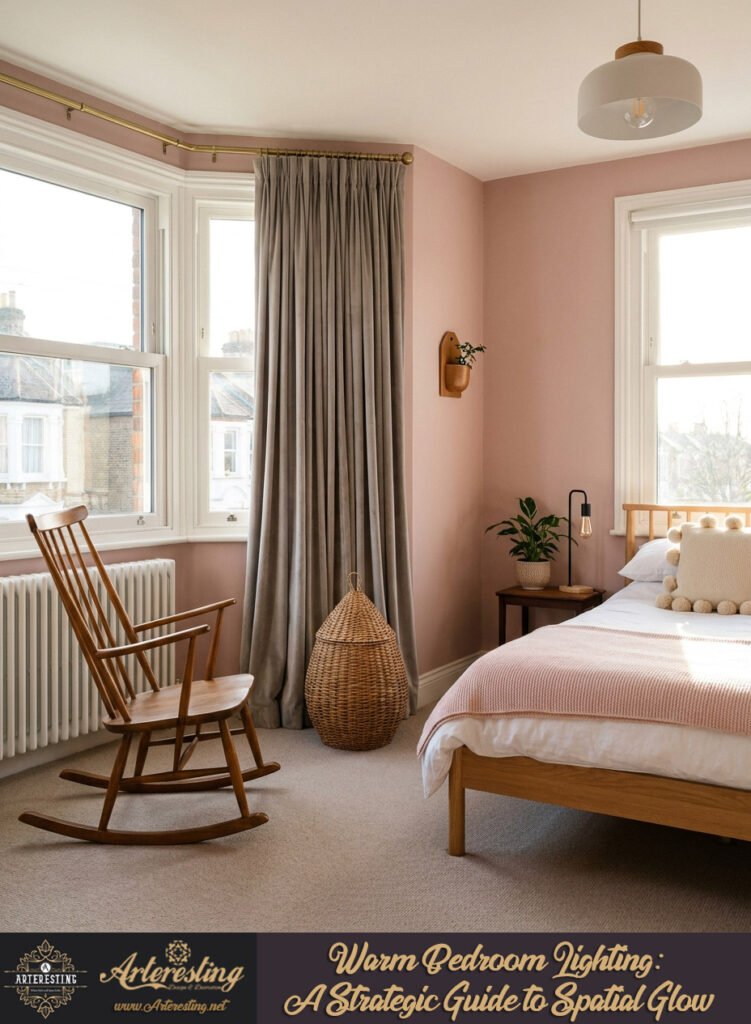
Overhead fixtures remain structurally necessary despite their persistent reputation for harshness. Crucially, pairing central ceiling pendants with softer secondary light sources neutralizes clinical effects. Visually, a bold, well-placed chandelier acts as the room’s architectural crown, casting a foundational glow.
Naturally, ceiling lighting provides essential general illumination. Specifically, you need this output for dressing routines. However, relying solely on overheads flattens visual depth. Therefore, designers always pair them with low-level lamps. Furthermore, directional downlights should reflect off wardrobes. Consequently, individual circuit controls prevent blinding glare from the bed. Ultimately, coordinating your overhead fixture with matching lamps unifies the design language.
The Moroccan Boho Duvet Collection
Transform your bedroom into a vibrant sanctuary. Discover our exclusive duvet covers featuring intricate Moroccan mosaics, bold boho textiles, and soft watercolor arabesque tiles.


6. Select a Sumptuous Shade
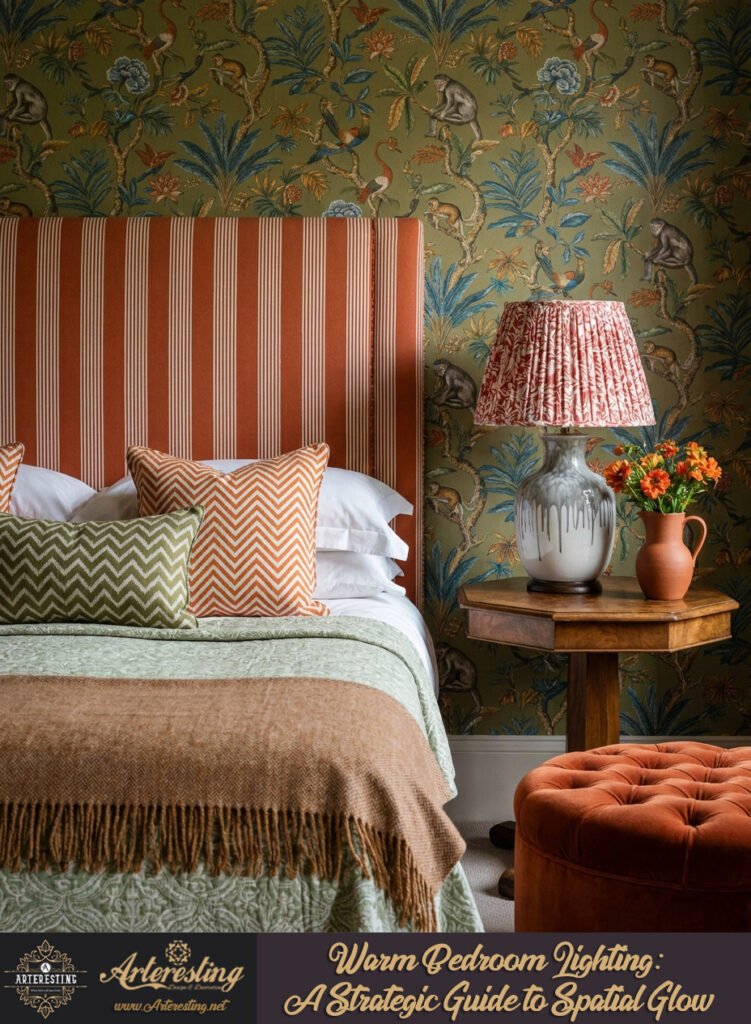
The physical material of a lampshade directly manipulates localized light dispersion. Specifically, natural textiles like heavy linen soften harsh bulb output into a gentle gradient. Crucially, opaque materials actively filter the light, dictating the room’s final color temperature.
Visually, a naked bulb emits aggressive, directional beams. Therefore, selecting the correct shade acts as a filtration system. Furthermore, interior lining dictates how light diffuses outward. Specifically, warm-toned fabrics inject subtle amber hues. Additionally, the fixture’s intrinsic material matters heavily. For example, amber glass pendants project a softer atmosphere than clear alternatives. Consequently, precise material selection guarantees a restorative environment.
The Art Nouveau & Victorian Collection
Elevate your walls with timeless elegance. Discover our peel-and-stick wallpapers featuring moody botanical prints, rich floral tapestries, and intricate Art Nouveau motifs.


7. Tailor Cosy Bedroom Illumination to Your Space
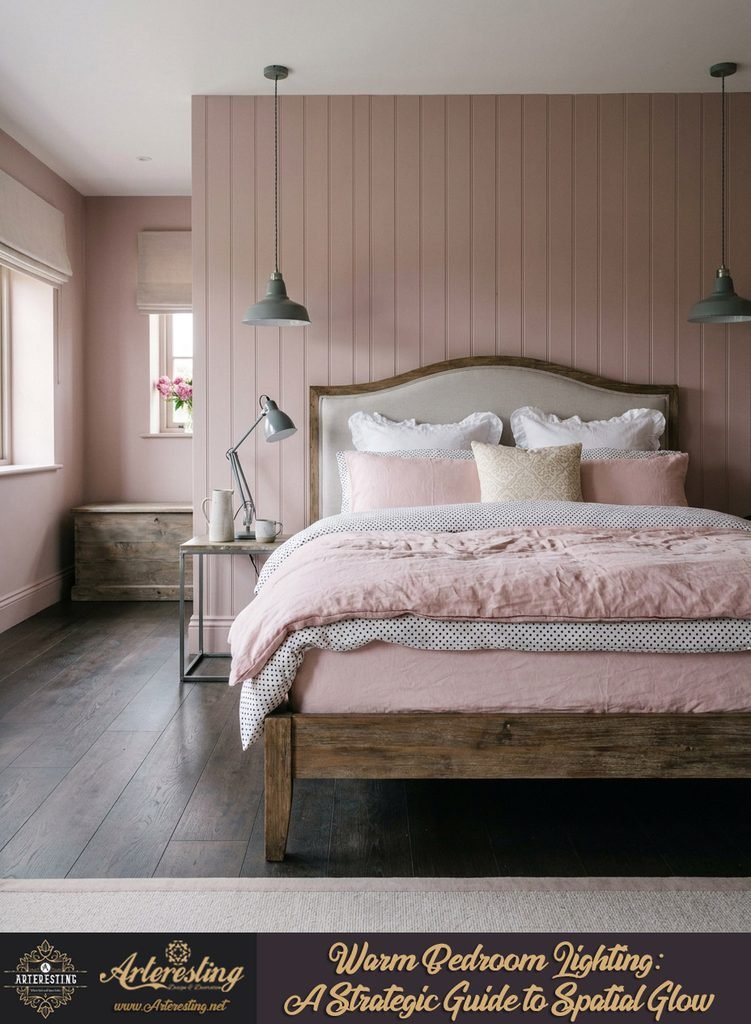
Every room demands a unique configuration based on its architectural layout. Structurally, integrating hidden LED strips under heavy furniture introduces sophisticated, low-level illumination. Crucially, placing distinct light types in dedicated functional zones maximizes both spatial aesthetics and daily utility.
Fundamentally, bespoke placement upgrades the entire scheme. For instance, vanity zones require bright LEDs for accuracy. Conversely, relaxing zones benefit from concealed sources. Furthermore, running LED strips beneath the bedframe creates a cinematic effect. Specifically, this method avoids disruptive glare entirely. Additionally, introducing a freestanding floor lamp fills dark corners. Therefore, auditing your daily routine dictates precise fixture placement. Ultimately, this strategic execution finalizes your warm bedroom lighting architecture.
In summary, implementing warm bedroom lighting requires calculated structural decisions rather than arbitrary purchases. Consequently, prioritizing low-Kelvin bulbs establishes the foundational baseline. Furthermore, utilizing dimmers and diffusive shades guarantees environmental control. Therefore, apply these spatial metrics to engineer a genuinely restorative sanctuary.
The Eclectic Duvet Collection
Anchor your bedroom with striking, artisan-inspired patterns. Discover our curated duvet covers featuring indigo shibori, rich terracotta florals, and striking geometric tapestries.


To achieve warm bedroom lighting, implement a layered scheme using 2700K bulbs for overhead fixtures and 2400K for bedside lamps. Combine ambient ceiling pendants with directional task sconces, utilizing linen shades to diffuse harsh glare. Dimmer switches and hidden LED strips further calibrate the spatial glow to support circadian rhythms and spatial flow.