Table of Contents
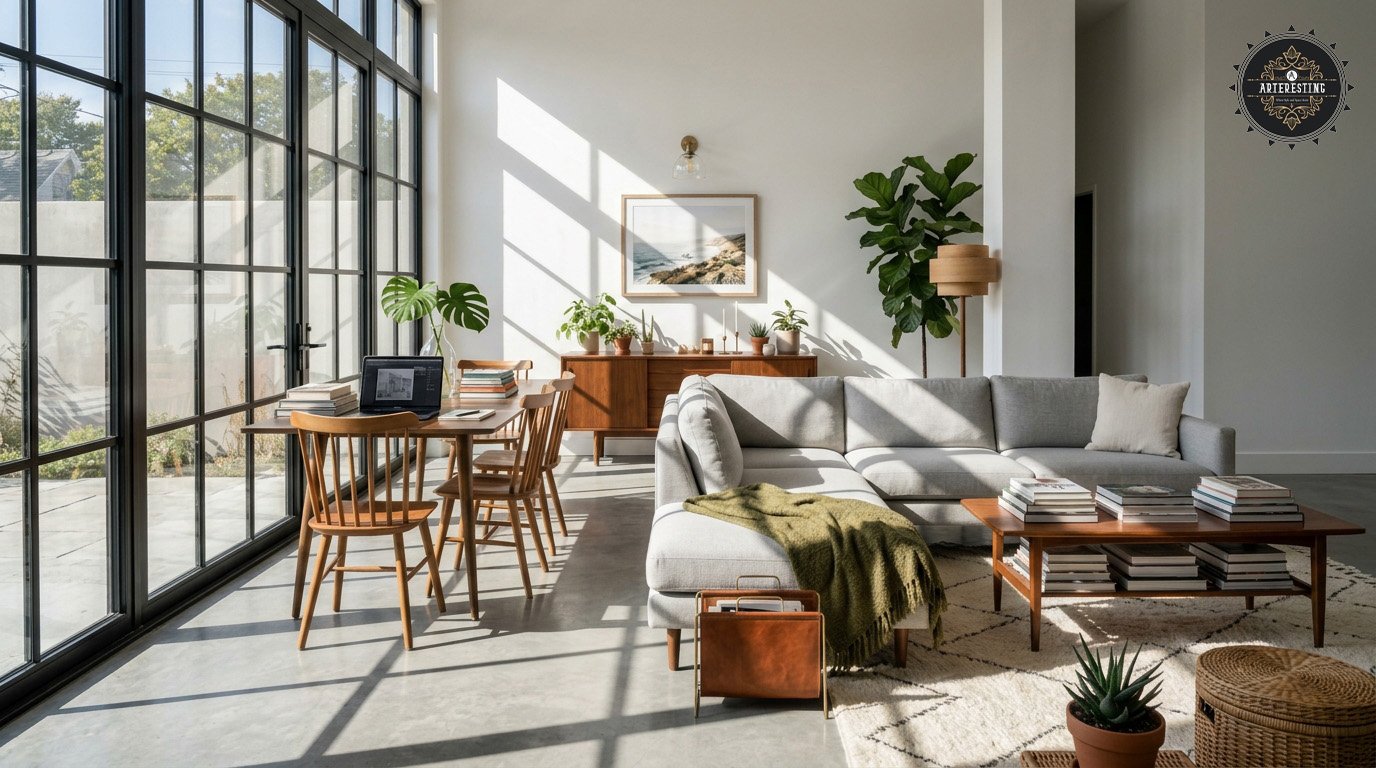
To make a home look expensive, you must shift your focus from budget volume to spatial strategy. Elite designers rely on specific structural rules to transform standard rooms into bespoke environments. Furthermore, executing a high-end vision requires immense precision and restraint. Ultimately, manipulating scale, light, and texture changes everything.
1. Splurge Wisely for High-End Home Decor
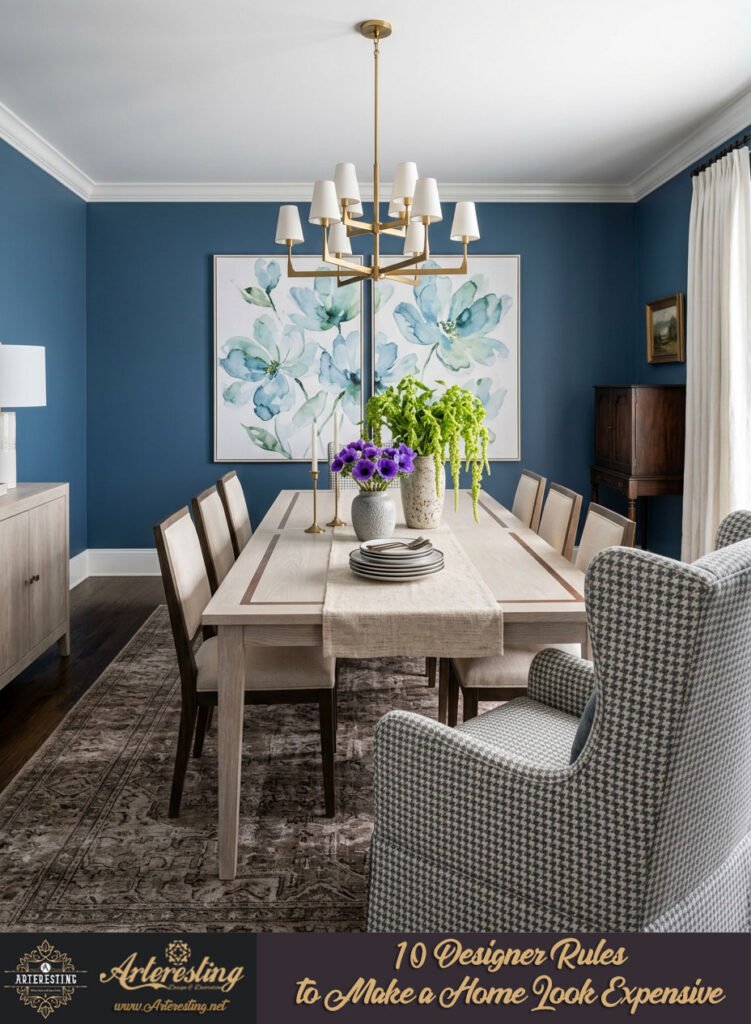
Investing heavily in one or two anchor pieces immediately lifts the perceived value of surrounding budget items. Consequently, this strategic spending creates a hierarchy of quality that defines elevated interiors.
For instance, integrating custom seating at a dining table anchors the room effectively. You can save capital on side chairs while maintaining strict structural integrity. Crucially, as elite architectural publications like Architectural Digest highlight, balance governs this entire rule.
2. Establish a Spatial Focal Point
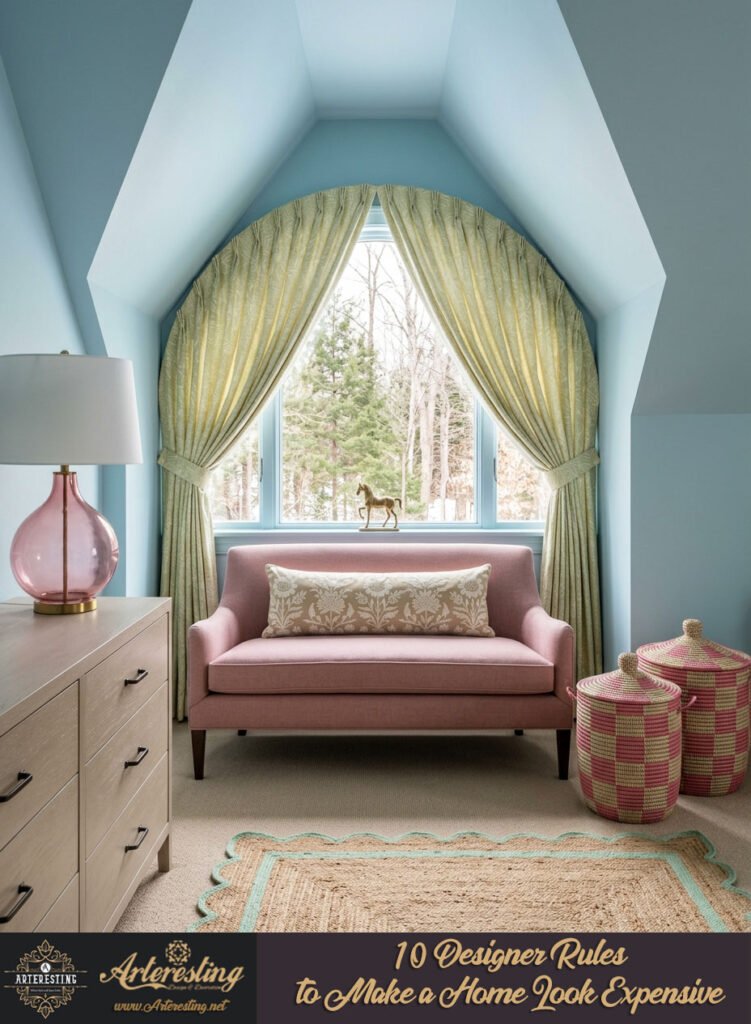
Directing visual attention to a singular architectural or decorative element prevents a chaotic spatial flow. By concentrating resources on this focal point, secondary areas can rest visually.
A primary arched window or a massive stone fireplace commands attention naturally. Rather than scattering small decor items, cluster your design weight here. Visually, the room feels deliberate and grounded.

3. Scale Organic Statement Greenery
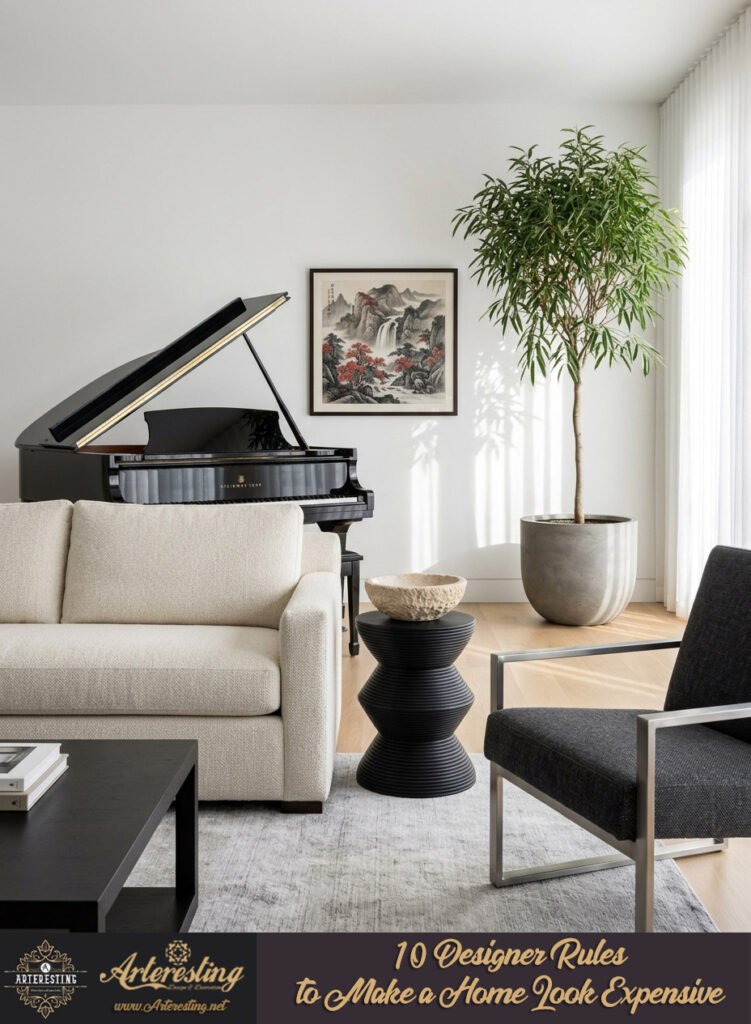
Introducing tall, structured plants adds immediate verticality and organic shape to rigid architectural lines. Moreover, statement greenery bridges the gap between the chaotic outdoors and curated interiors.
Position a large faux olive tree in a heavyweight ceramic planter. Specifically, this placement manipulates the natural line of sight upward. Therefore, tall plants resolve empty corners beautifully.
The Indoor Oasis Collection
Bring the outdoors in without the maintenance. Discover our favorite hyper-realistic faux olive and bamboo trees to instantly add scale, texture, and organic modern warmth to any room.


4. Install Statement Lighting to Make a Home Look Expensive
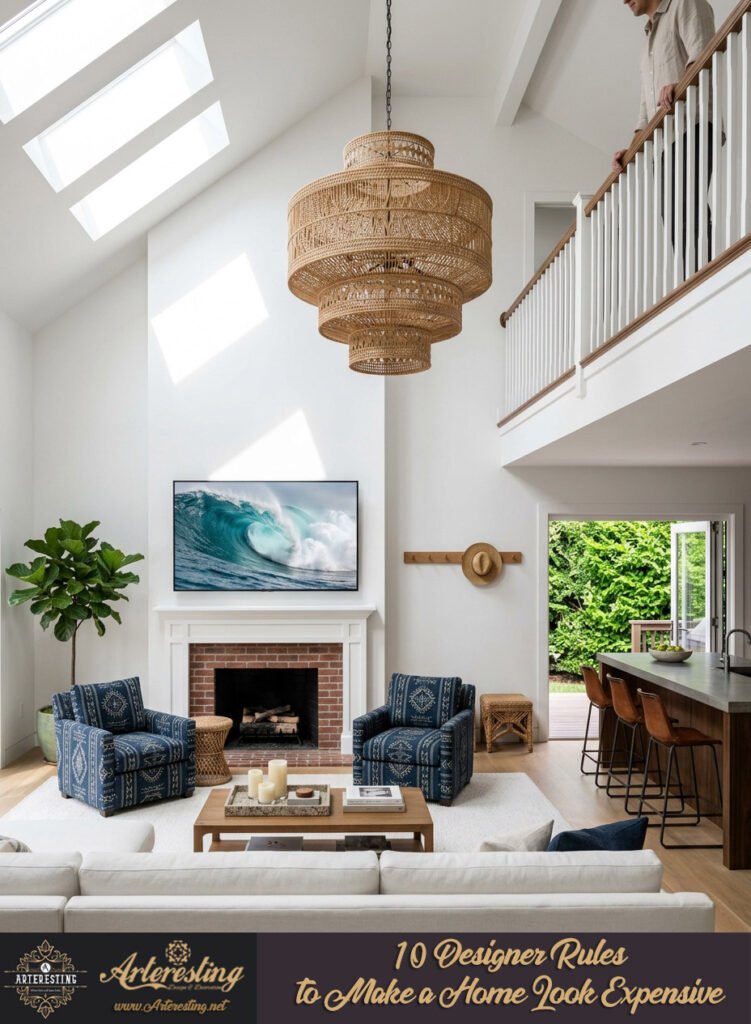
Architectural lighting acts as the structural jewelry of a room, providing functional illumination and sculptural presence. Thus, upgrading standard fixtures instantly helps make a home look expensive.
Choose oversized modern floor lamps or dynamic, multi-tier chandeliers. Naturally, these fixtures serve as brilliant visual centerpieces. Above all, ensure the bulb temperature matches the room’s intended mood.
The Woven Lighting Collection
Elevate your space with warm, organic textures. Discover our favorite hand-woven rattan chandeliers and bohemian pendant lights to cast the perfect ambient glow.


5. Curate and Frame Meaningful Art
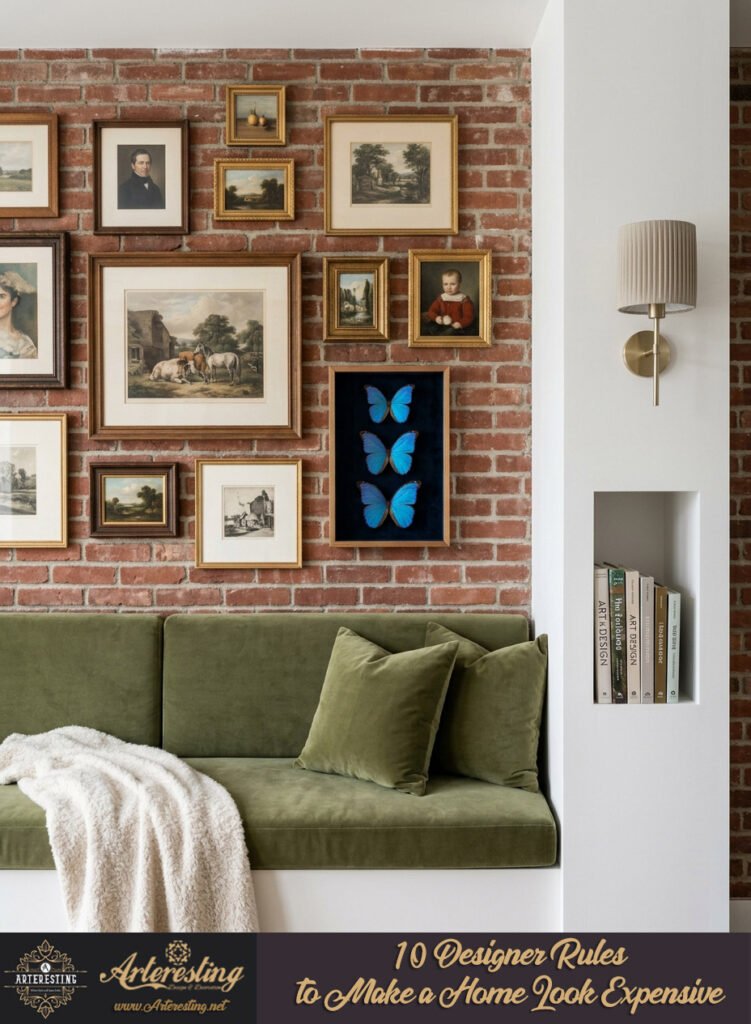
Displaying uniquely framed, personal artifacts creates an atmosphere of collected history rather than mass-produced styling. Ultimately, professional custom framing upgrades even the simplest sketches into gallery-worthy exhibits.
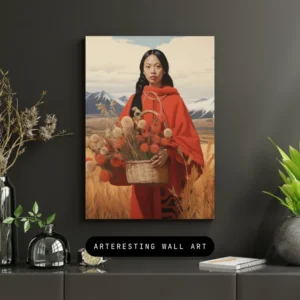
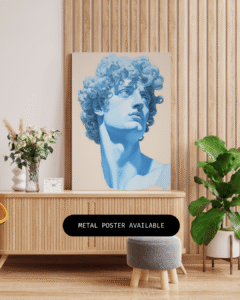
Frame a vintage book page, custom jewelry, or an original watercolor using an online service like Framebridge. Specifically, use oversized mats and anti-reflective glass. Consequently, the framing dictates the art’s perceived value, making your curated Redbubble framed canvas prints look incredibly bespoke.
6. Layer Rich Textures for Luxury Space Styling
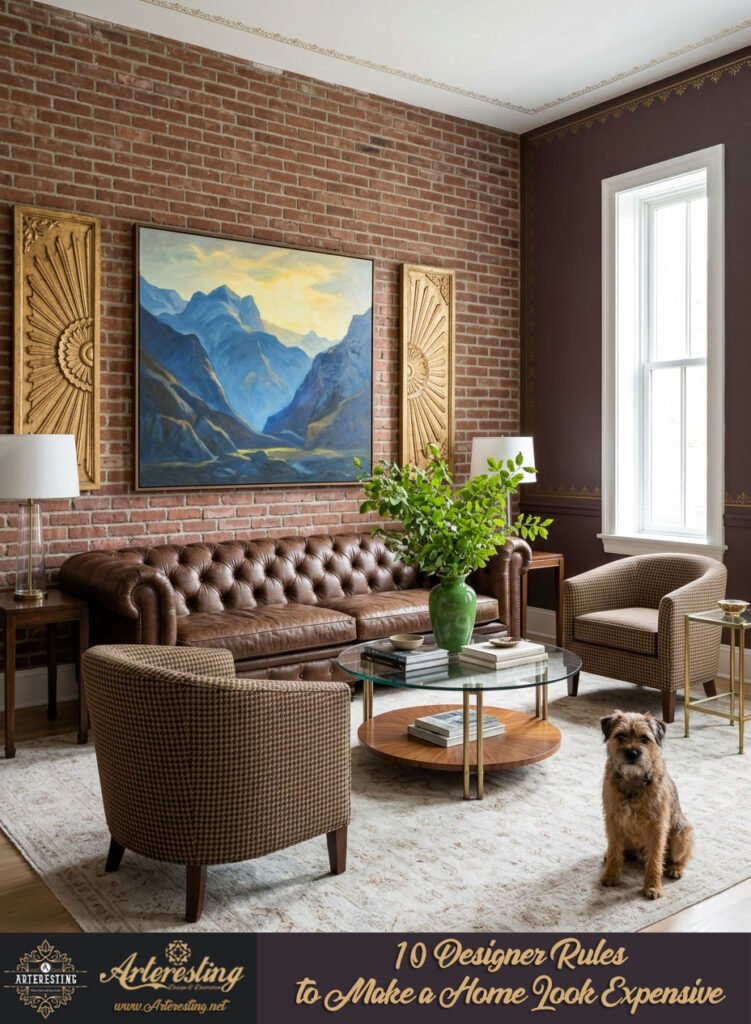
Combining contrasting tactile materials builds deep visual weight and undeniable character within any room. In short, layering glossy, rough, and soft finishes forces the eye to engage directly with the environment.
Pair a distressed leather sofa with a highly lacquered table against raw brick. Visually, each element stands distinct but connected. This tension generates a truly elevated atmosphere.
Shop The Look
7. Mount Custom Window Treatments High and Wide
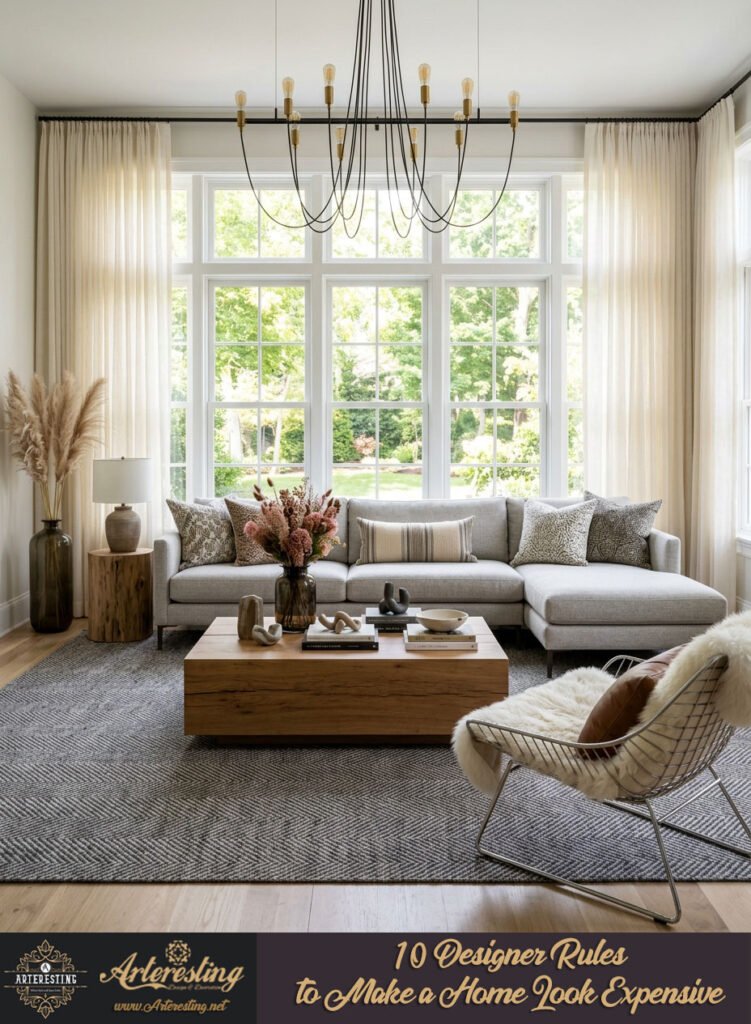
Hanging curtains above the window trim and extending past the frame creates an optical illusion of grander architecture. Consequently, this simple geometry helps make a home look expensive by expanding the perceived volume.
Invest in custom pleating and heavily weighted hems. Specifically, choose mid-weight linens for luxurious, controlled draping. Therefore, sourcing bespoke textile patterns from premium hubs like Spoonflower ensures the windows gain significant architectural prominence instantly.
Shop The Look
8. Balance Pattern and Texture
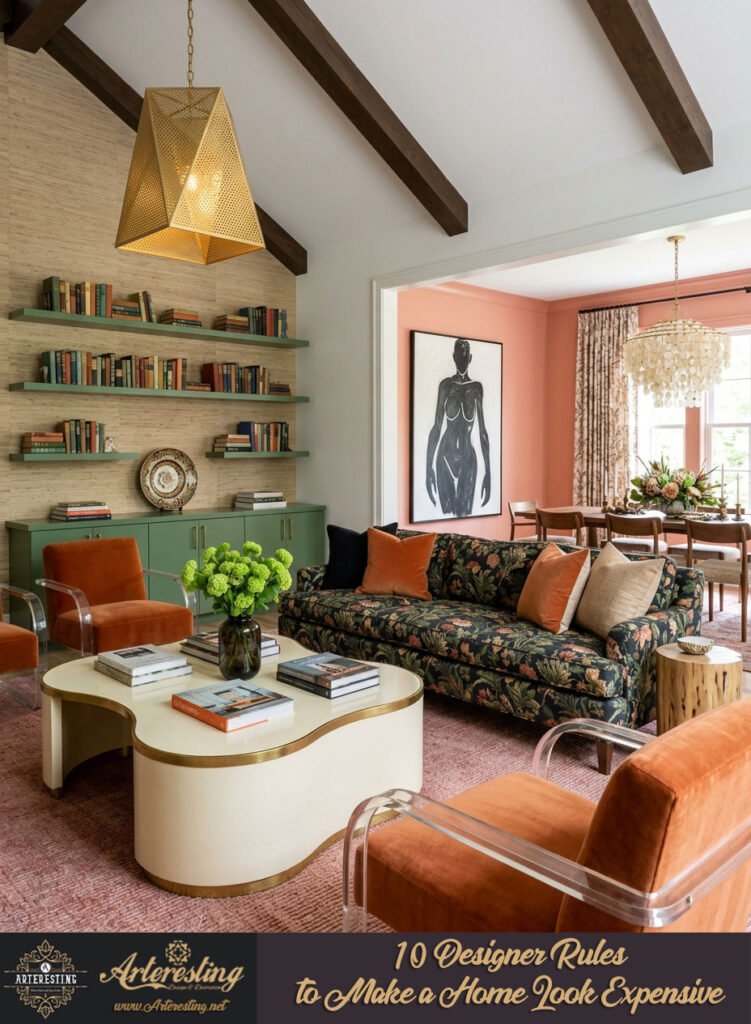
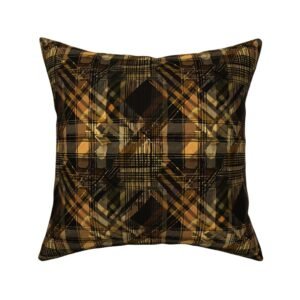
Integrating mixed patterns alongside varied textures prevents a room from feeling flat or highly sterile. Consequently, merging vintage textiles with modern weaves builds authentic, lived-in character.
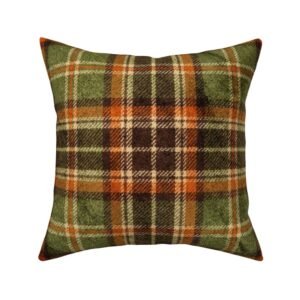
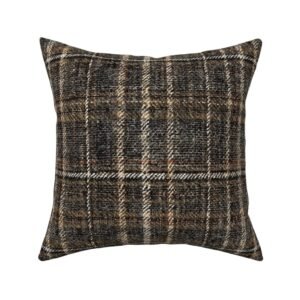
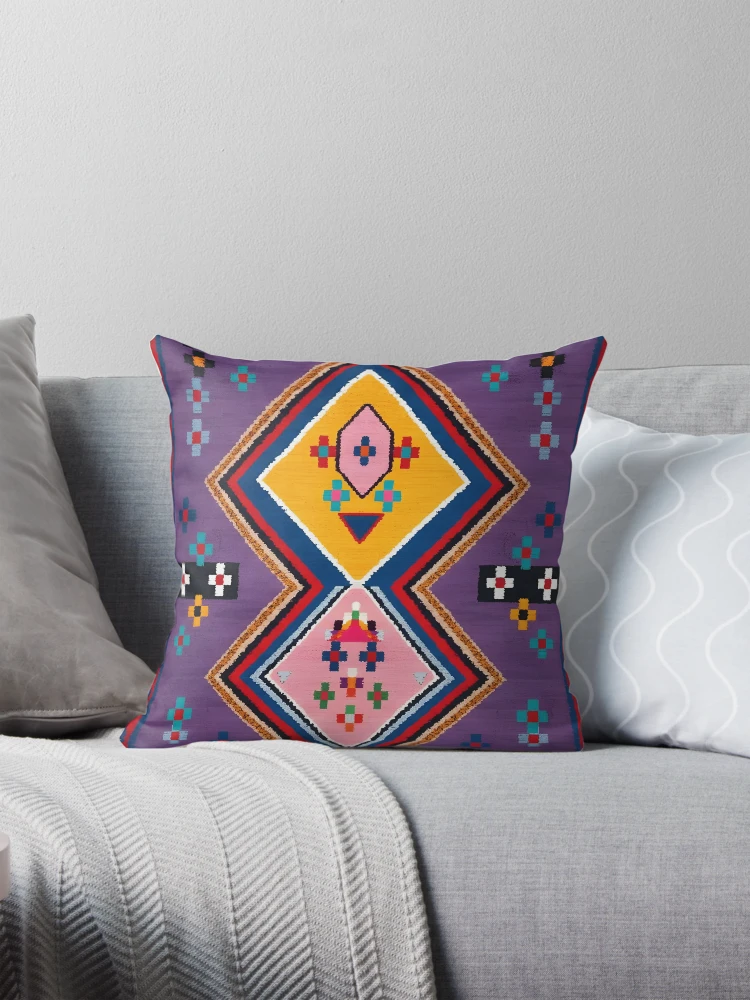
Introduce densely patterned throw pillows against a solid, heavy-knit blanket. Furthermore, mix eras confidently without hesitation. Vintage rugs ground highly contemporary furniture beautifully.
The Vintage Fabric Collection
Bring your DIY and interior design projects to life. Discover our exclusive collection of custom-printed fabrics spanning Cottagecore botanicals, Art Deco geometrics, and Victorian tapestries.


9. Master Furniture Scale and Proportion
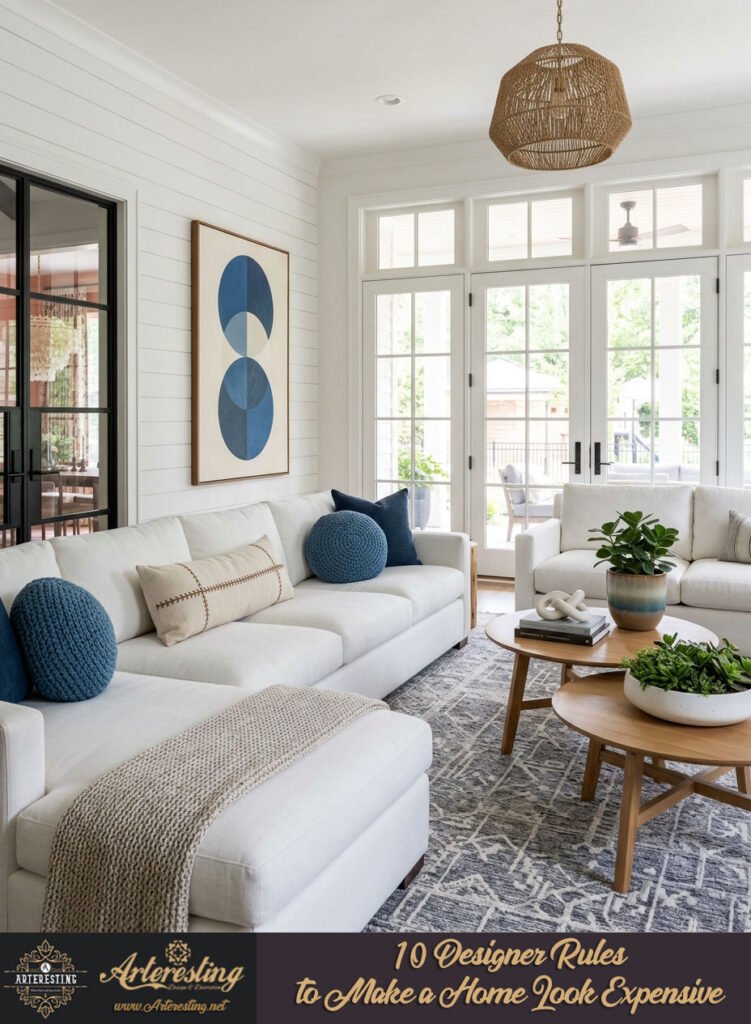
Selecting furniture that directly aligns with a room’s volume ensures harmonious spatial psychology. Ultimately, oversized items choke a space, while undersized pieces create a disconnected, floating effect.
Measure your floor plan strictly before placing any seating. Specifically, leave adequate negative space for natural traffic flow. Therefore, the room feels welcoming and highly deliberate.
The Farmhouse Window Collection
Frame your view with the timeless charm of the countryside. Discover our exclusive collection of custom-printed curtains featuring vintage botanicals and rustic floral patterns.


10. Unify Hardware to Elevate Your Interior
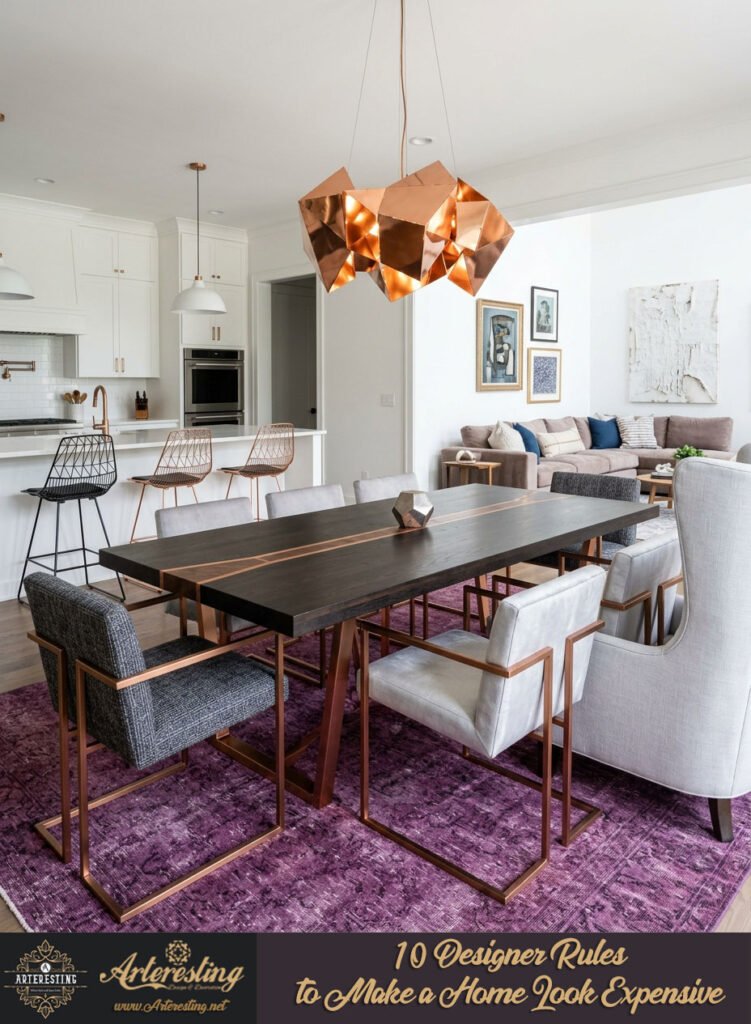
Synchronizing metal finishes across lighting, cabinetry, and furniture establishes an invisible thread of cohesion. Thus, matched hardware acts as a subtle but powerful unifier for luxury interiors.
Select premium unlacquered brass, copper, or rose gold tones. Consistently weave these exact metals through bar stools, light fixtures, and door handles. Visually, the space feels fiercely customized.
Executing these precise spatial strategies will successfully make a home look expensive. Ultimately, mastering scale, lighting, and texture consistently outpaces massive budgets. Furthermore, thoughtful restraint always defines elite design.
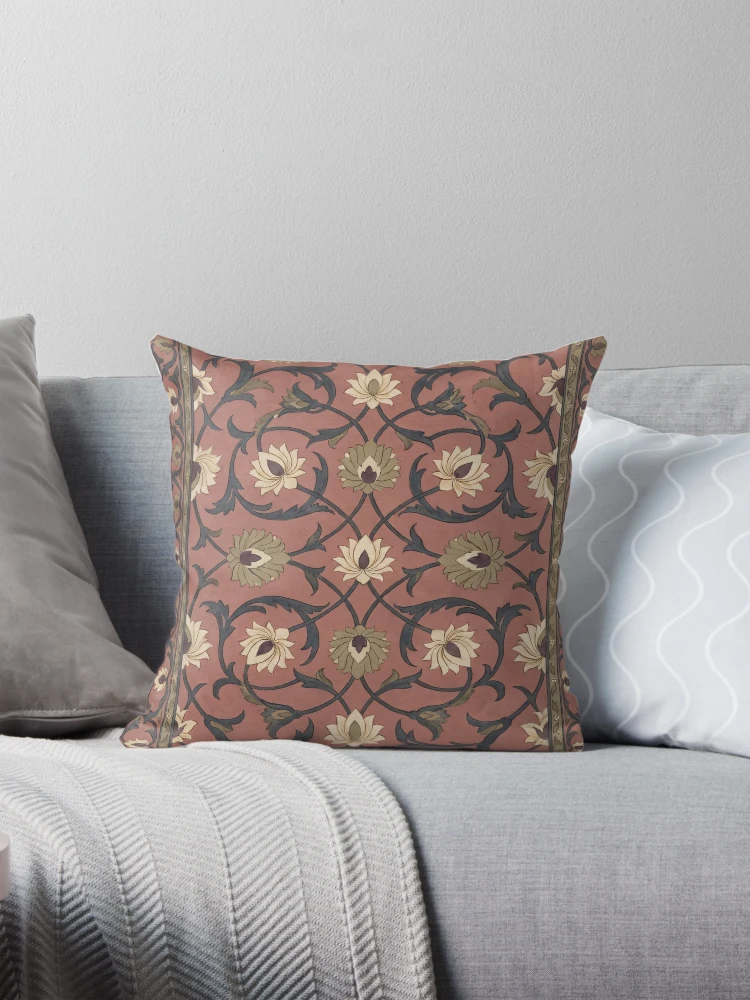
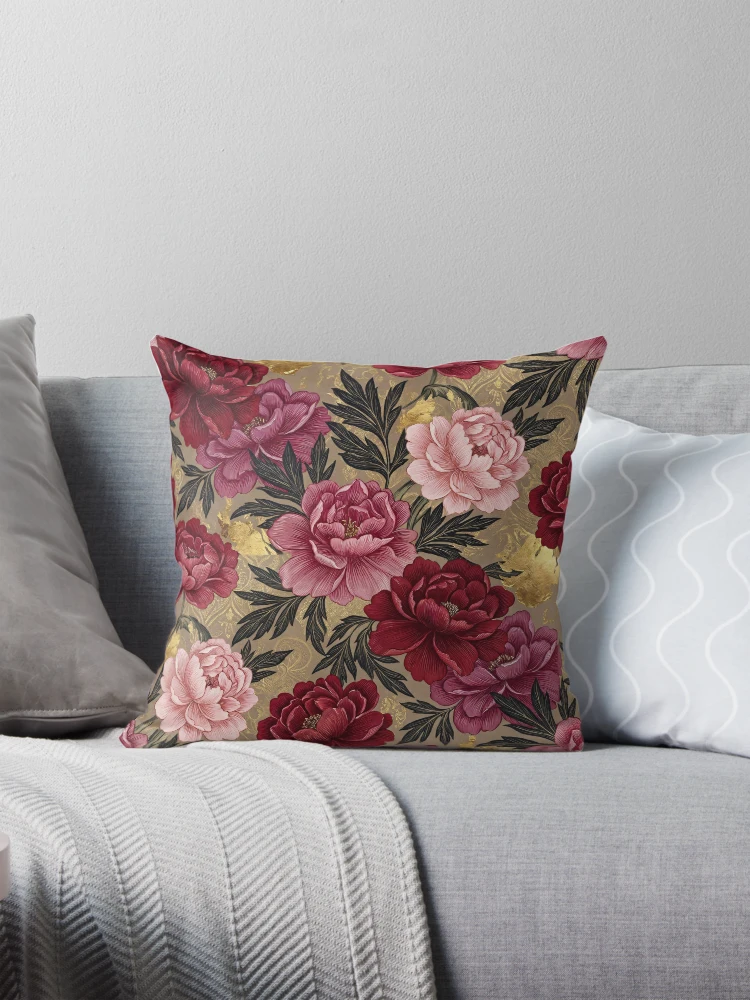
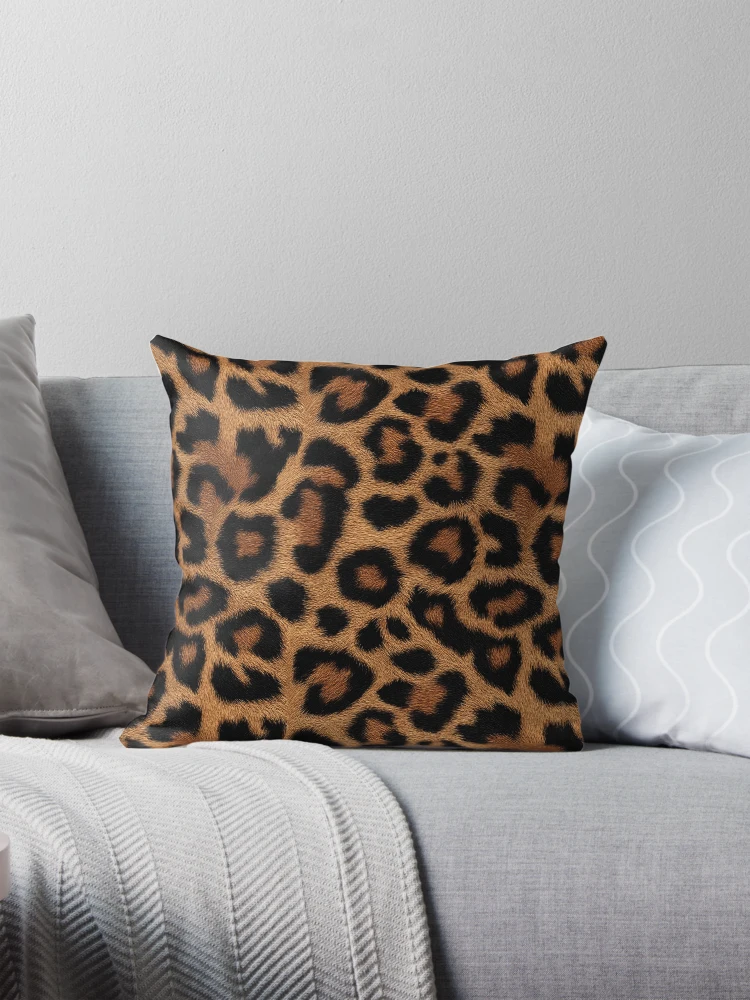
The Eclectic Pillow Collection
Curate a living space that tells a story. Mix and match our exclusive throw pillows, featuring everything from rich Victorian tapestries and folk art medallions to warm Moroccan kilims and exotic prints.


To make a home look expensive, designers prioritize structural balance, scale, and focal points over sheer budget. Key strategies include layering rich textures, installing oversized custom window treatments, scaling furniture to the room’s proportions, and integrating statement lighting. Creating visual hierarchy through selective splurges elevates the entire interior.