Table of Contents
For too long, bedroom carpets have been treated as an afterthought. They are often just a soft layer tossed down at the last minute to match existing decor, rather than a deliberate choice that shapes how the room functions.
In 2026, the best bedroom rug ideas start at the very beginning of the design process. Strategic rug selection establishes the correct proportions, defines layout zones, and addresses spatial issues that make a room feel incomplete.
Instead of acting as a mere decorative filler, the floor is now a primary decision point.
The right rug can completely transform your space without requiring new furniture or structural changes. By mastering bedroom rug placement, you can rebalance room scale, connect disparate materials, and provide vital structure.
Here are the precise strategies that use rugs to quietly fix what most layouts get wrong.
Structural and Aesthetic Bedroom Flooring Solutions
The following concepts move beyond basic decor. They demonstrate how strategic rug choices manipulate perceived space, light, and symmetry.
Anchor Warm Wood with Vintage Patterns
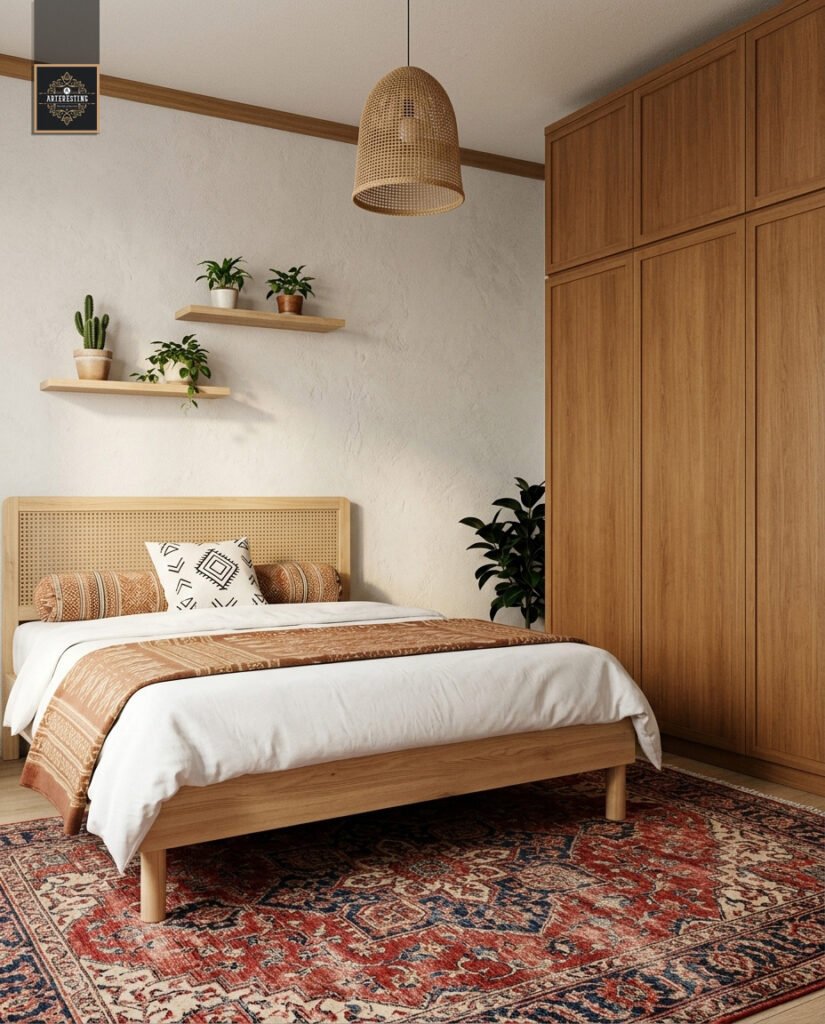
A dense, traditional pattern effortlessly grounds a bedroom heavily featuring warm wood cabinetry and trim. Utilizing red tones creates crucial contrast beneath a neutral bed.
This strategy gives the space a solid base, preventing the furniture from feeling like it is floating. The pattern maintains a low visual profile, allowing the natural textures of wood, rattan, and linen to shine.
Shop The Look
Maintain Lightness with Soft Geometrics
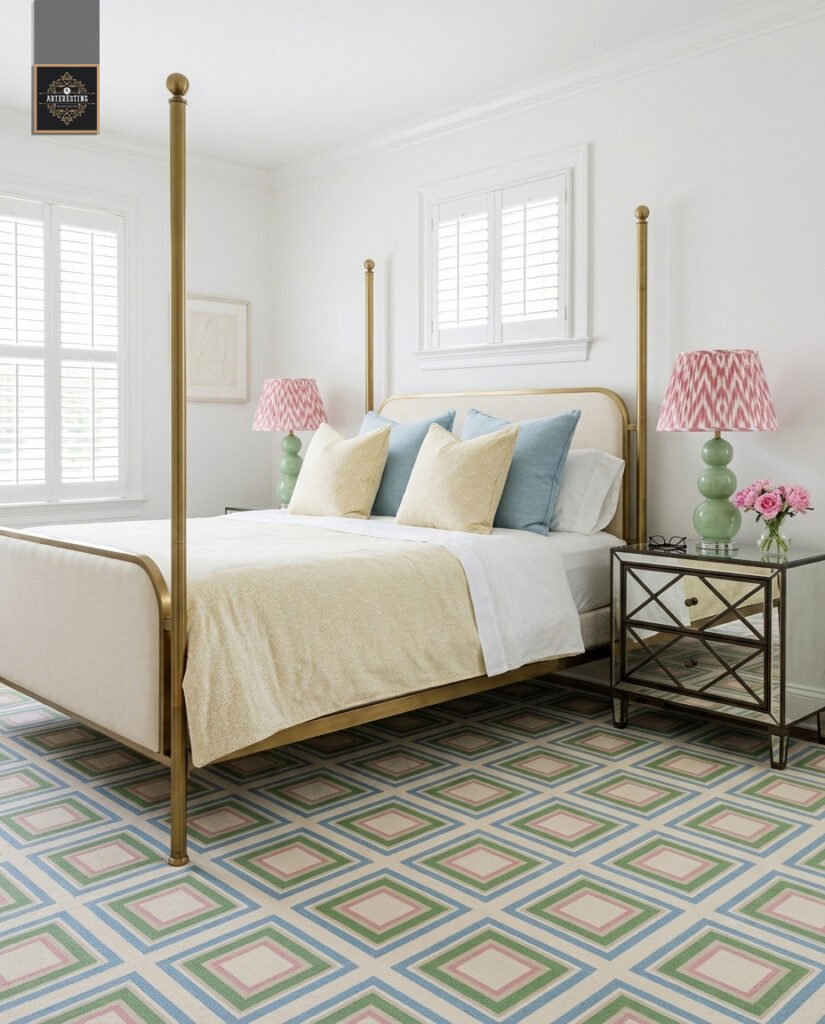
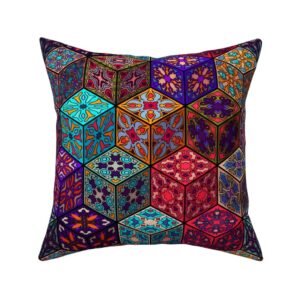
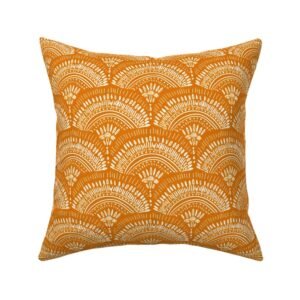
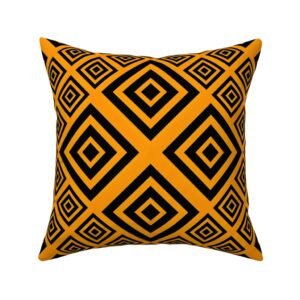
Repeating geometric patterns in muted tones keeps a room feeling soft while supplying necessary structure across the floor. Match the palette to your bedding and lamps to forge a consistent color story.
This eliminates harsh contrasts, ensuring the bedroom remains cohesive and calm. Rather than commanding attention, the rug subtly reinforces your overall bedroom layout.
Shop The Look

Expand Space with a Large Neutral Rug
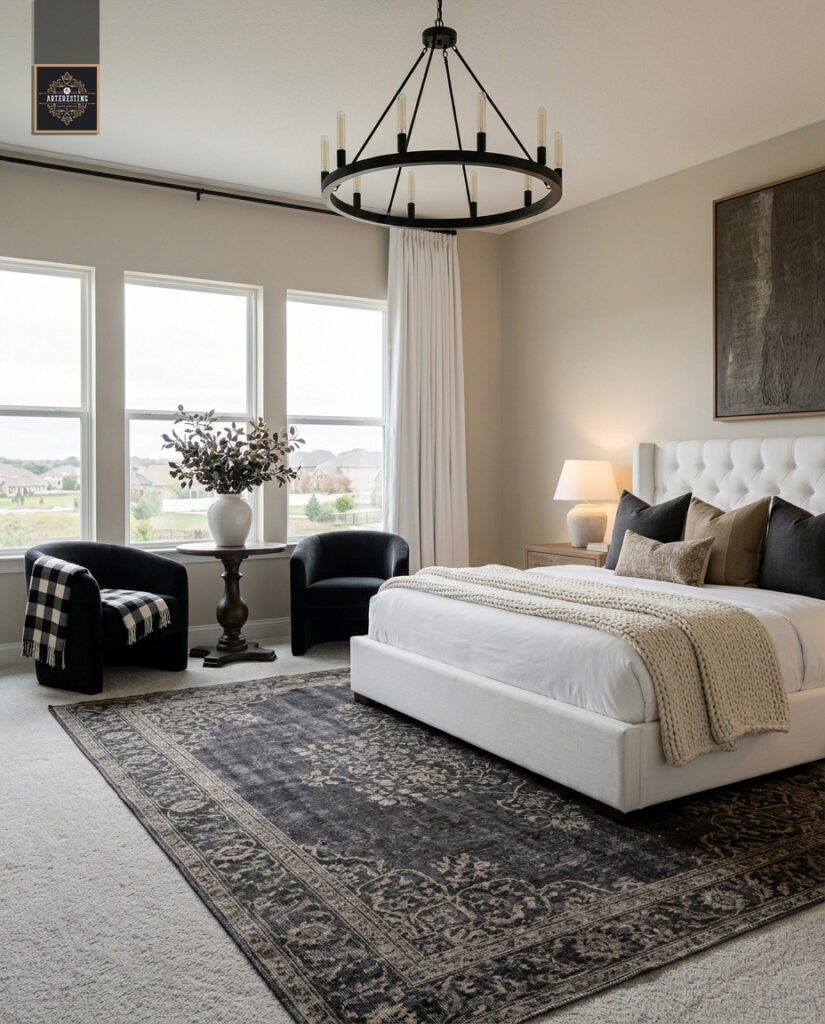
A massive neutral rug spreading across the entire sleeping area visually pushes the walls outward. It seamlessly connects the bed with adjacent seating zones.
This is one of the most effective interior design trends for open layouts. The subtle pattern adds necessary texture while defining functional zones without breaking the visual flow.

Create Contrast with Deep Blue Tones
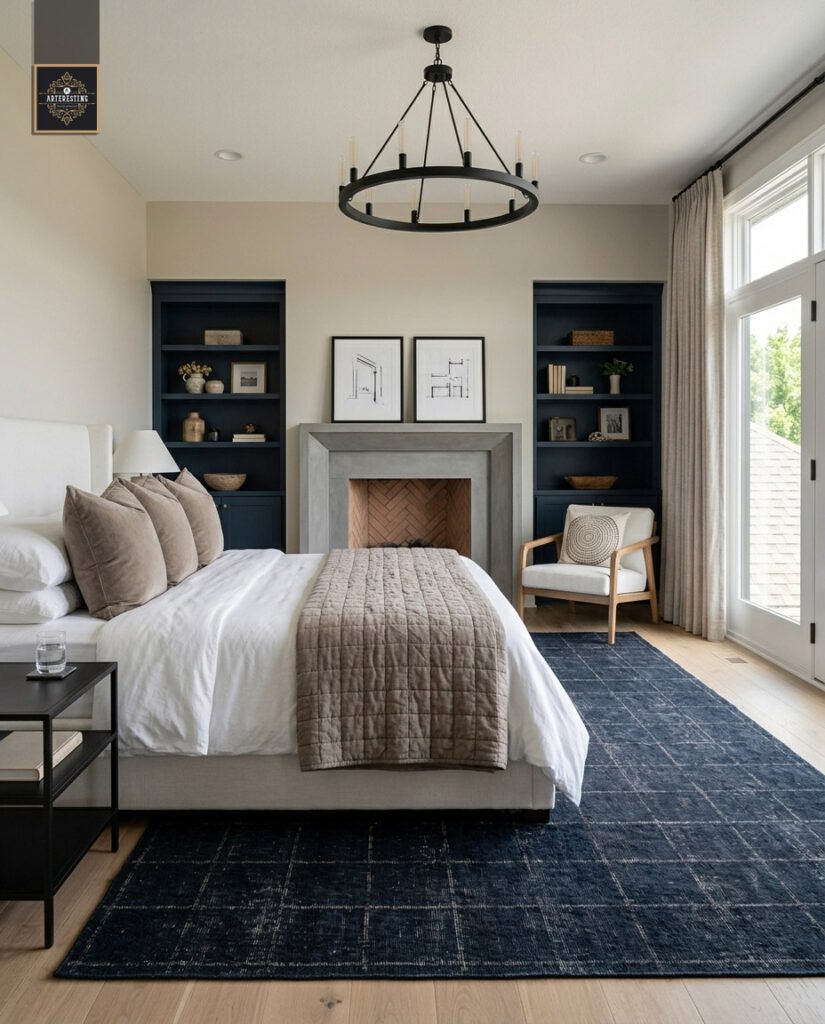
Introduce a rich blue area rug under a light bed for immediate, sophisticated contrast. It provides a highly layered aesthetic without relying on bulky, bold furniture.
The heavy texture ensures the floor does not read as flat. This deep color effectively grounds the bed while allowing intricate architectural details to remain the focal point.

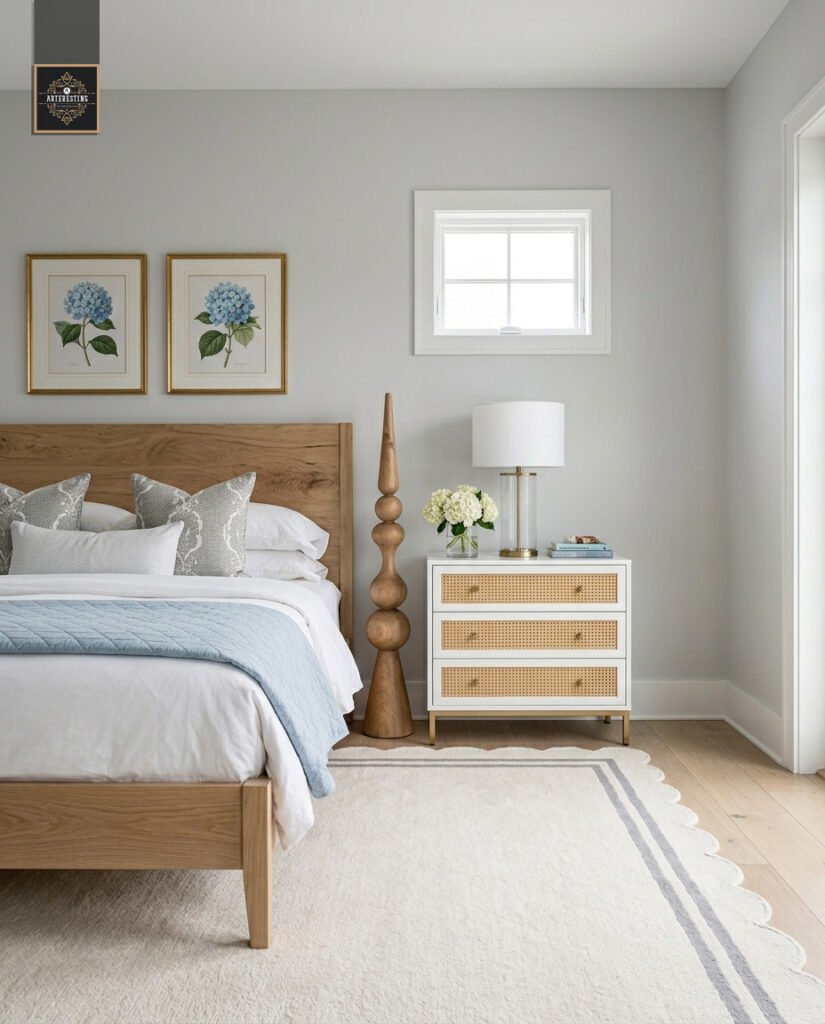
Soften Layouts with Scalloped Edges
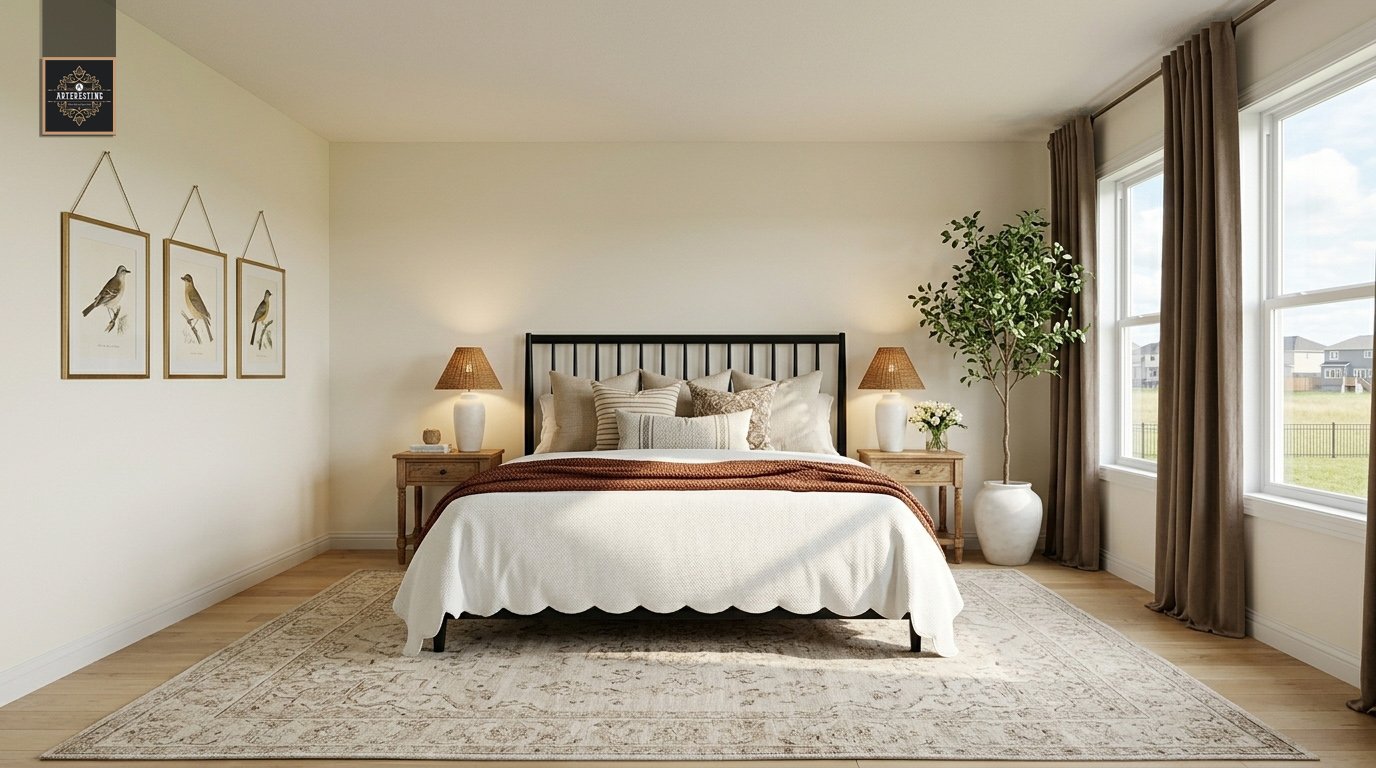
Break away from rigid geometry by utilizing a rug with scalloped edges. This echoes soft, organic shapes throughout the room, while a neutral palette keeps the focus entirely on form.
This custom edge detail shatters the typical rectangular outline. It makes the rug feel intentionally integrated into the architecture rather than simply placed there.
Shop The Look
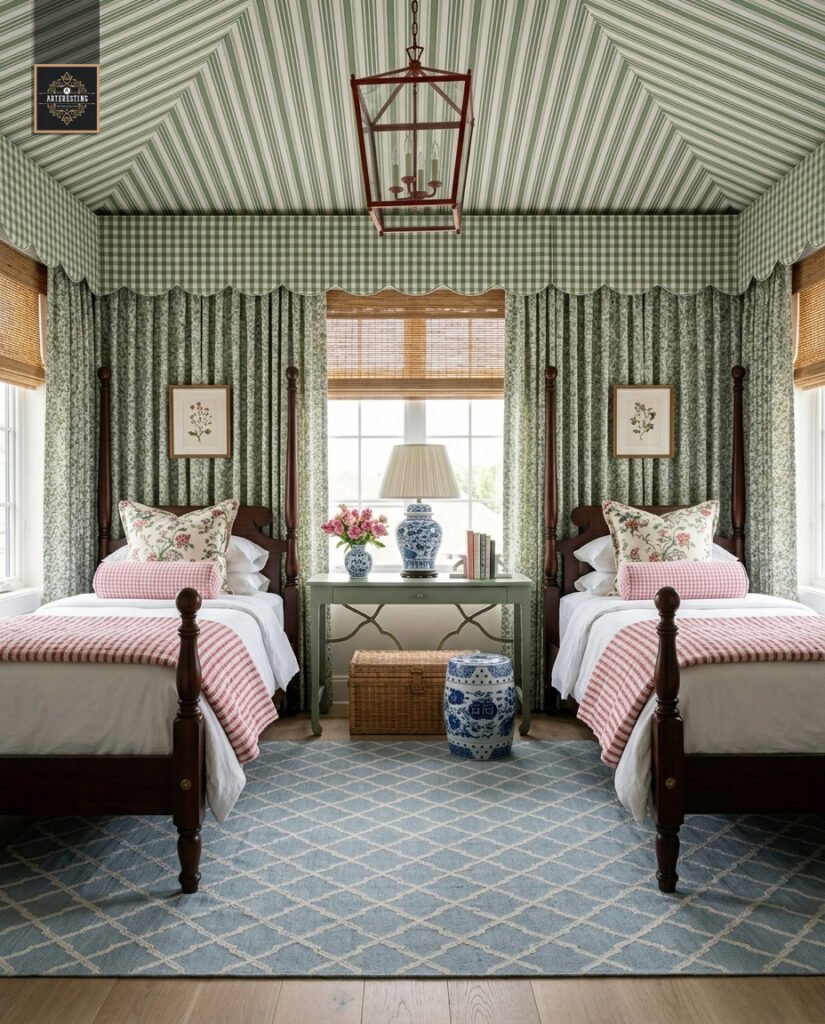
Reinforce Symmetry Between Twin Beds
Centering a patterned rug between two twin beds instantly reinforces structure and absolute symmetry. The specific design should tie together existing curtains, bedding, and wall art.
The rug acts as a visual anchor, holding both sides of the room in perfect harmony. It establishes complete balance without cluttering the space with extra decor.
Shop The Look
Mastering Area Rug Placement Under the Bed
How a rug interacts with your furniture dictates the success of the room. These ideas focus on material harmony and strategic grounding.
Highlight Materials with Minimalist Rugs
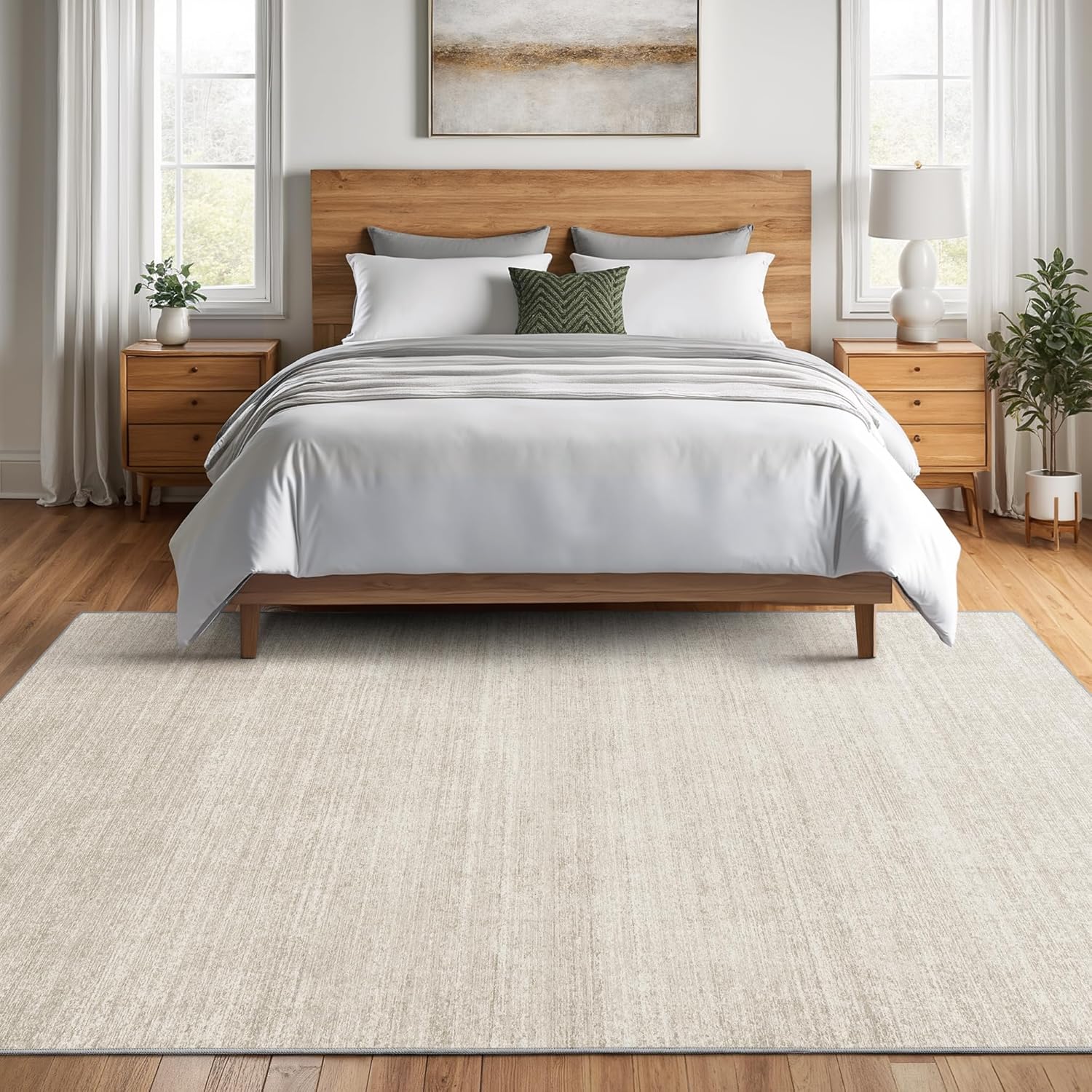
A quiet, soft-toned rug perfectly complements light wood furniture. It delivers underfoot comfort without injecting unnecessary visual noise into the environment.
This deliberate simplicity allows high-quality materials to take center stage. The room feels meticulously clean and controlled.
Soften Structured Walls with Heavy Texture
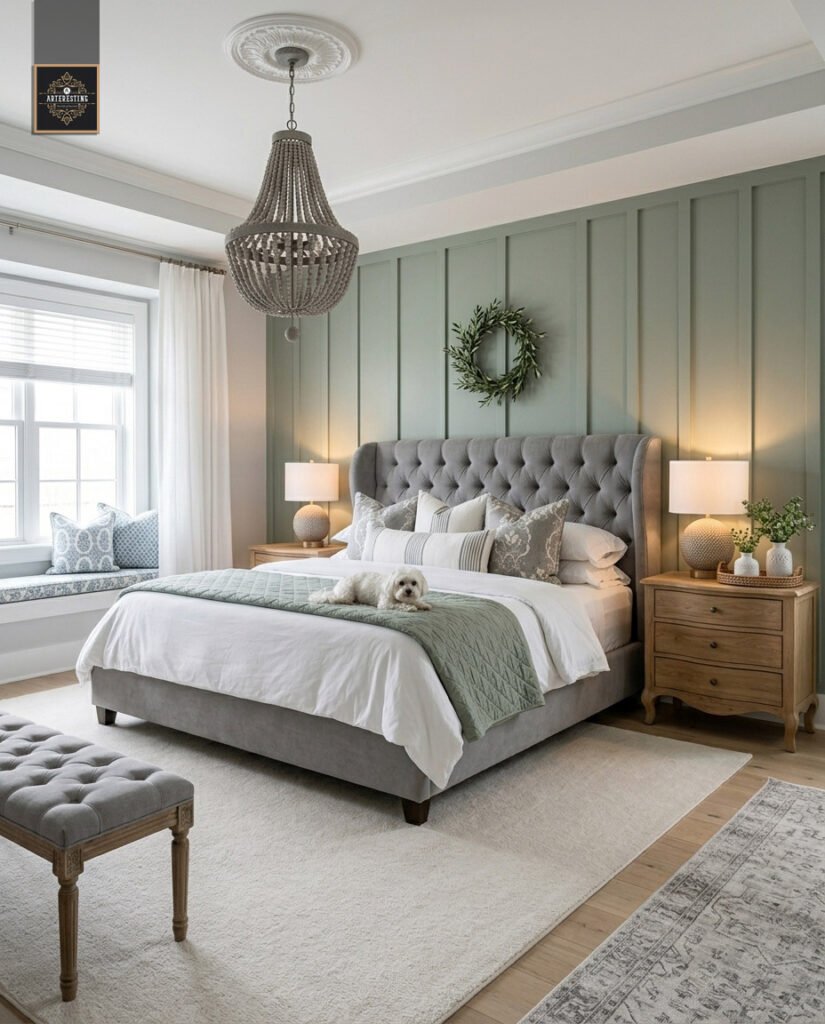
Introduce aggressive softness beneath a room dominated by structured paneling and rigid furniture. A highly textured rug provides immediate contrast against clean wall grids.
This precise application prevents modern spaces from feeling sterile or uninviting. It balances architectural structure with residential comfort.

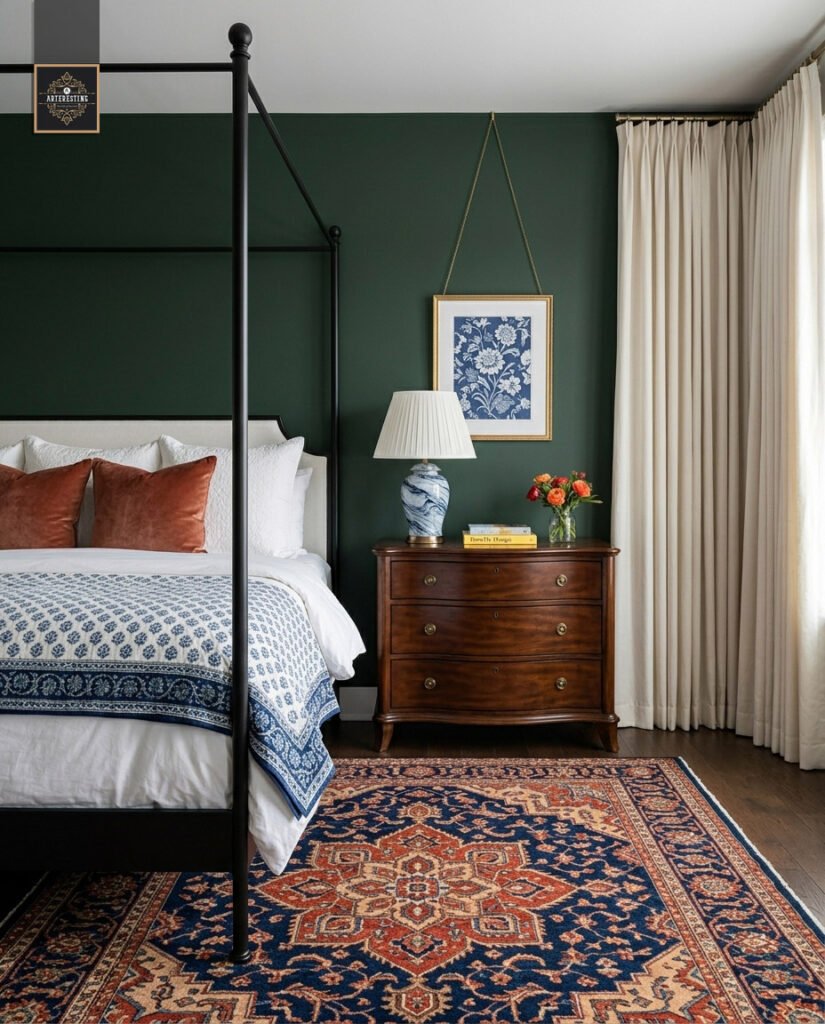
Break Dark Furniture Contrast with Accent Rugs
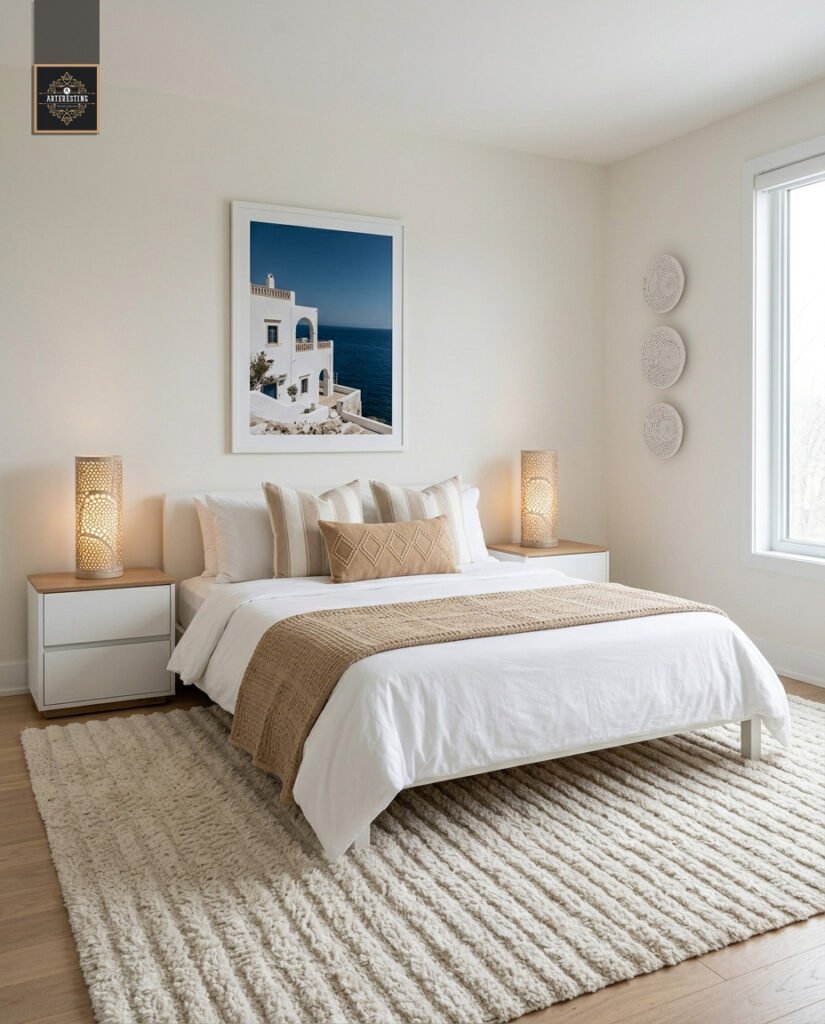
Use a smaller, vividly toned accent rug next to darker furniture pieces. This creates intense, deliberate contrast within a tightly controlled zone.
Rather than blanketing the entire floor, it crafts a focused, high-impact design moment. This is highly effective for grounding furniture in rooms with overwhelmingly dark elements.

Maximize Warmth with Wall-to-Wall Plush
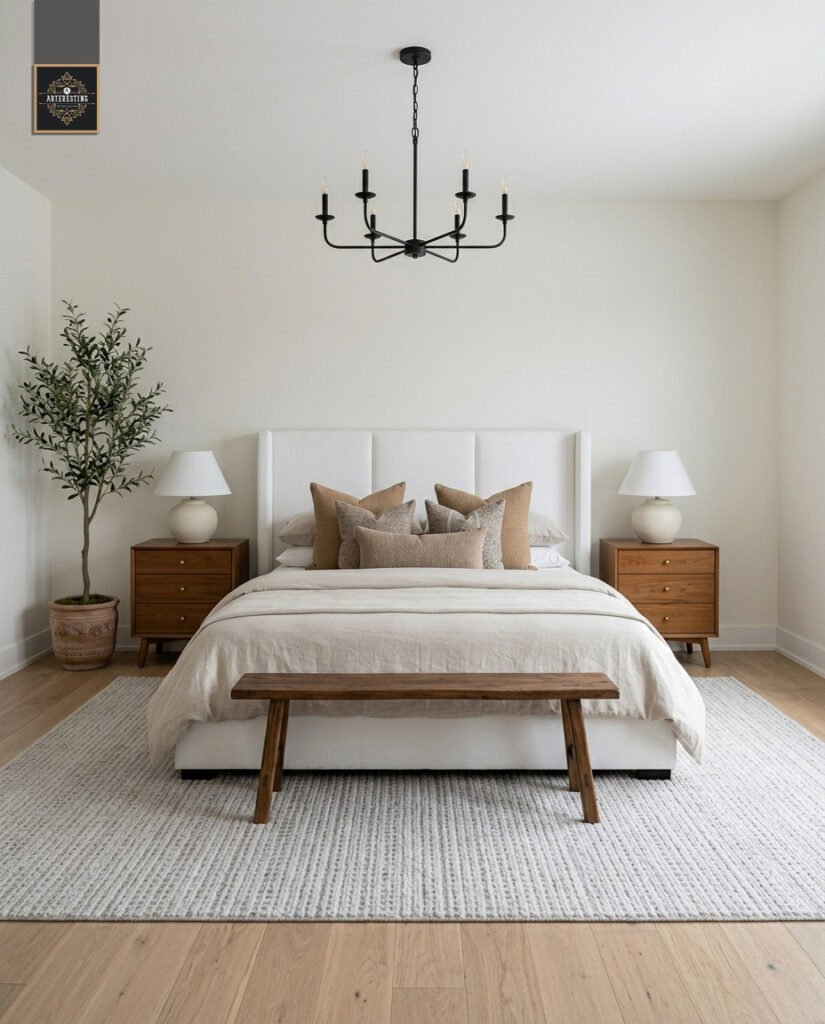
Extend a plush rug across the majority of the floor to saturate the room in warmth. Choose a tone that perfectly blends with the bedding and walls for an uninterrupted, seamless aesthetic.
This eliminates harsh floor transitions. The master bedroom carpet becomes an atmospheric foundation rather than an isolated feature.

Match Wall Geometry with Structured Patterns
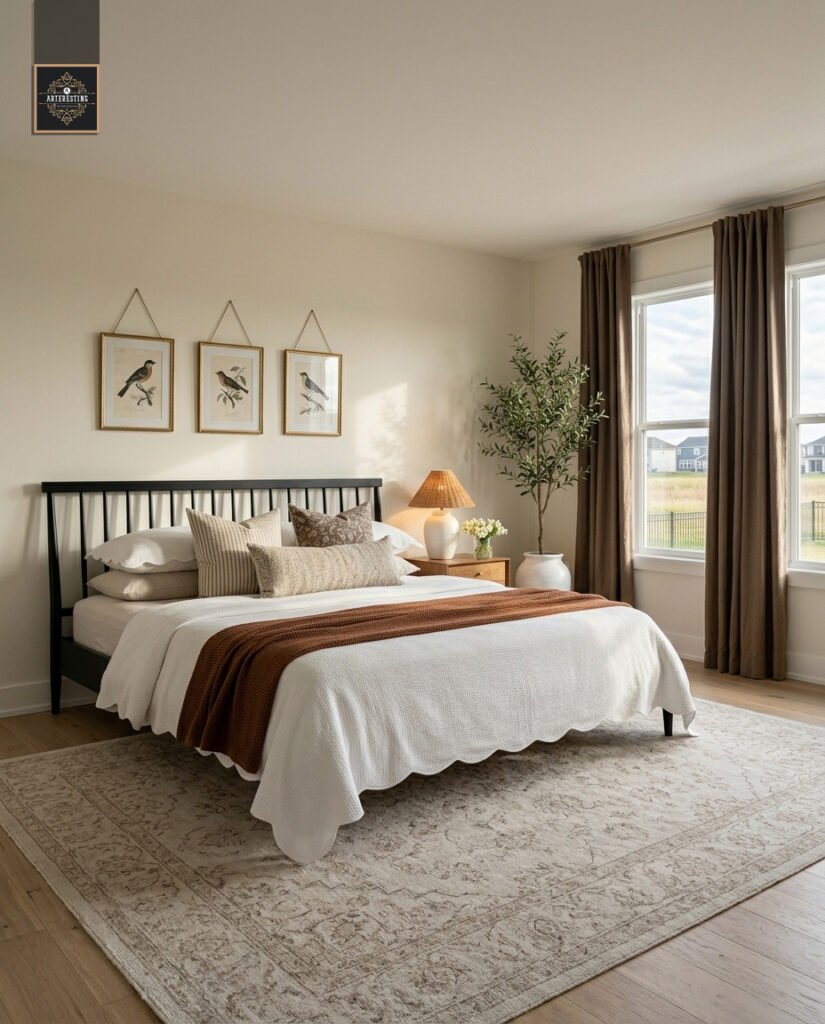
Select a rug featuring a subtle pattern that directly aligns with existing wall molding or specific furniture placement. This precise alignment reinforces the room’s overarching geometry.
This creates extreme visual order, ensuring every element speaks to the next. The composition is strengthened invisibly.
Shop The Look
Advanced Strategies for Light and Movement
The final tier of bedroom design utilizes rugs to manipulate lighting and visual flow, proving the floor is your most versatile canvas.
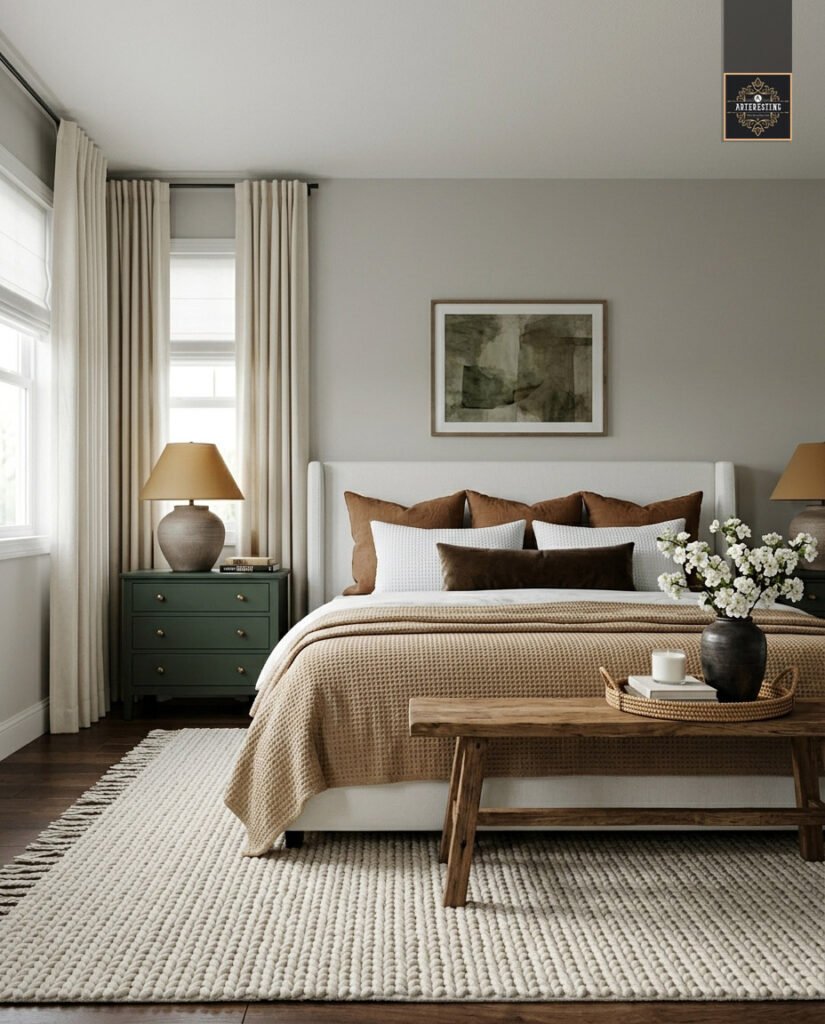
Reflect Natural Light with Warm Neutrals
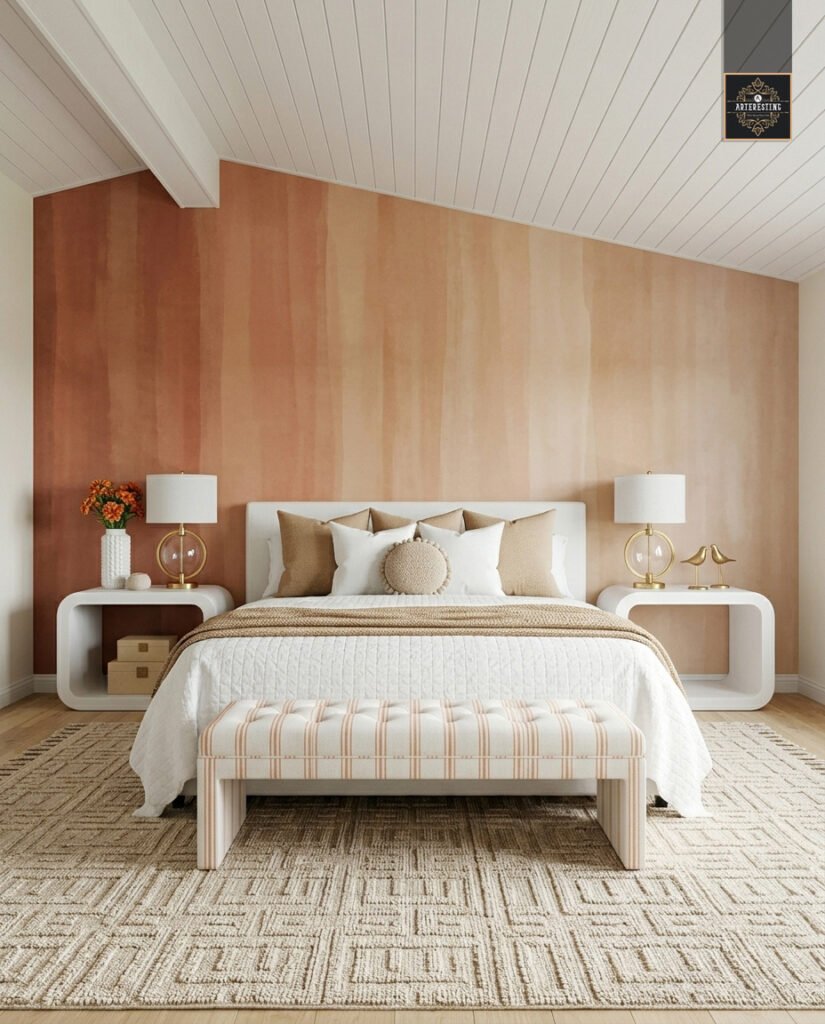
A carefully chosen neutral rug will reflect natural daylight and enhance ambient wood tones. Ensure its color family mimics the bedding and window treatments.
This results in a highly balanced space where disparate materials finally cooperate. It wraps the room into one exceptionally consistent palette.

Support Full-Wall Features with Oversized Carpets
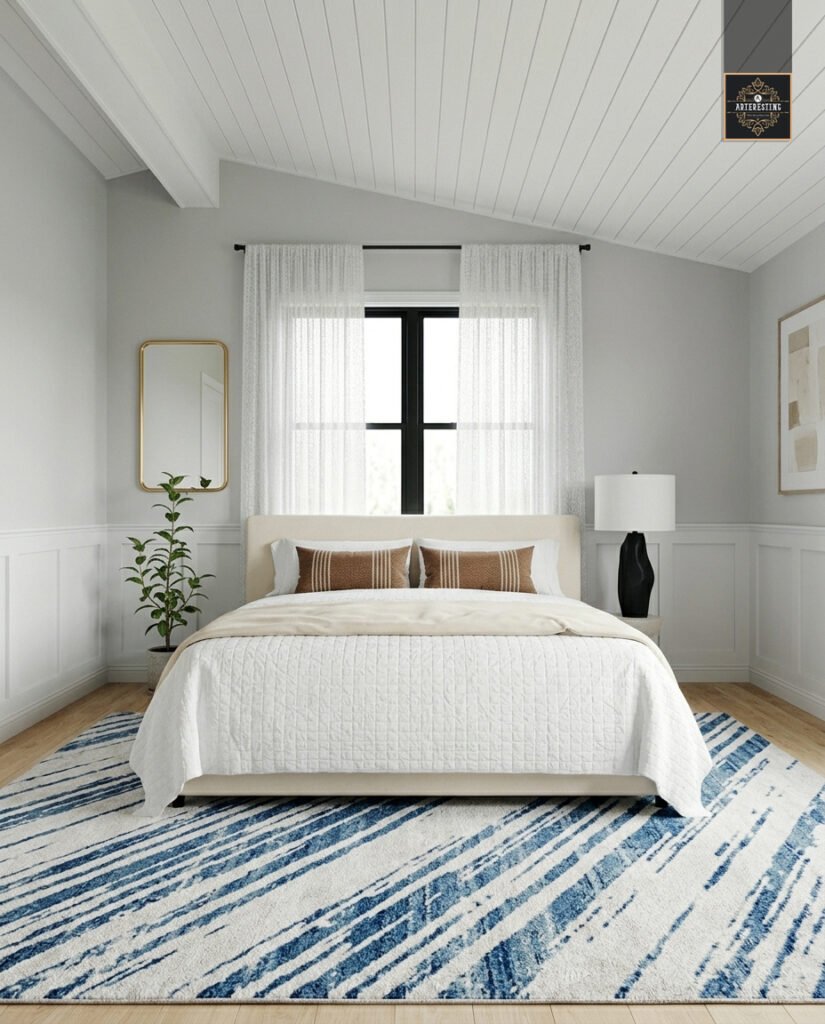
Stretch a massive carpet across the room to visually support a heavy, full-wall design behind the headboard. Heavy texture adds necessary depth while keeping the colors muted.
This strategy forces the wall and floor to work in tandem. It reinforces the massive scale of the feature wall without cluttering the floor space.
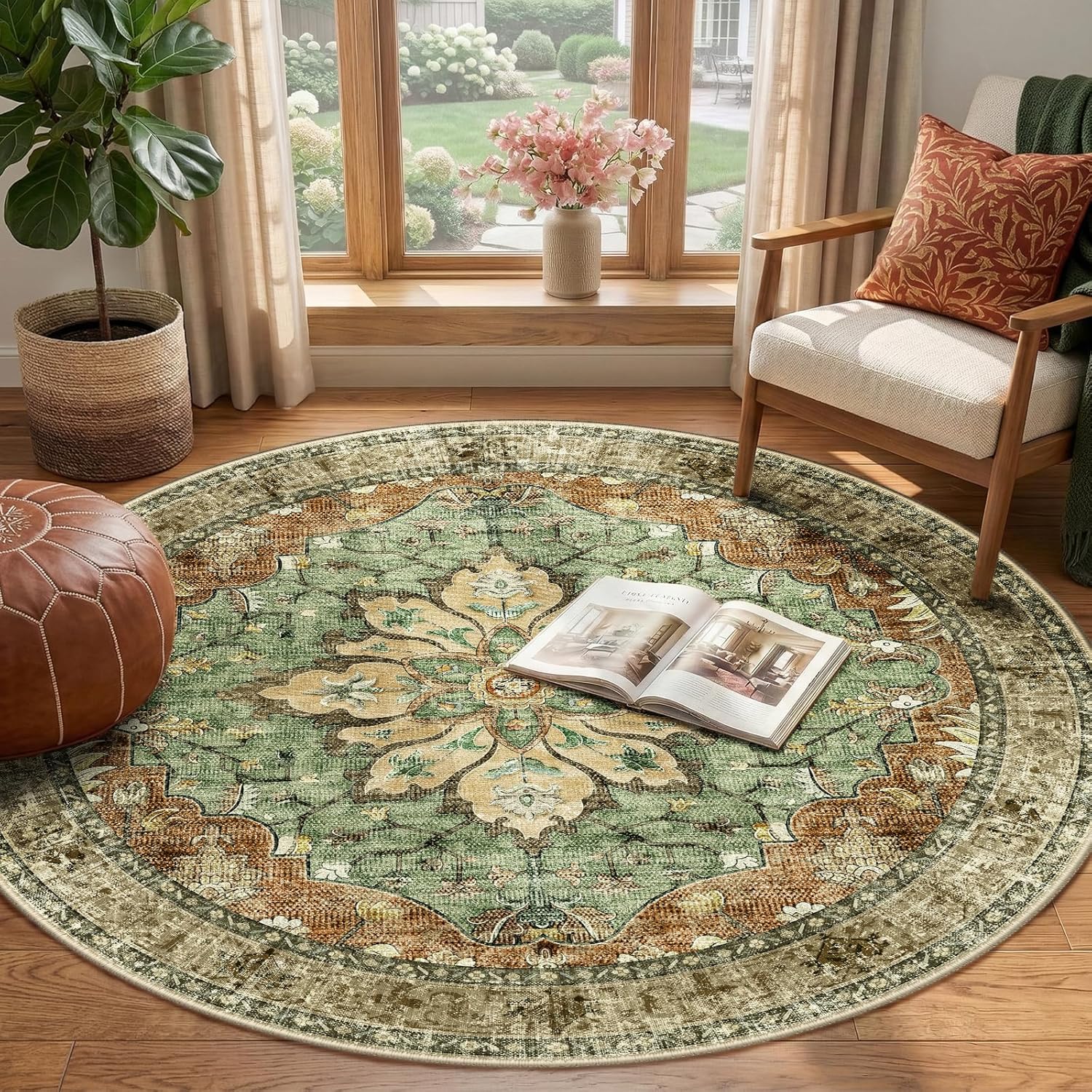
Add Subtle Movement with Soft Patterns
Run a gentle, flowing pattern across the floor to inject movement into a stagnant room. Keep the color contrast incredibly low to maintain a calming atmosphere.
This technique is essential for spaces where softness and tranquility are the primary goals. It supplies visual interest without hijacking your attention.

Let Lighting Dominate with Faded Neutrals
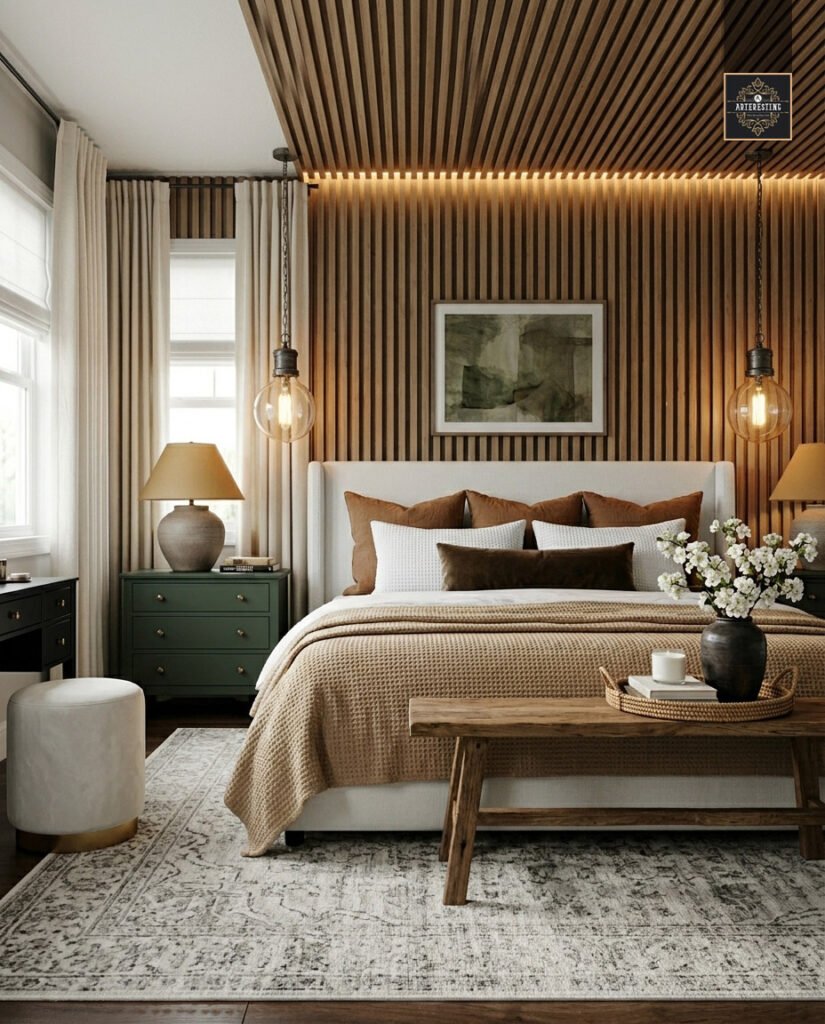
Keep the floor intentionally quiet by utilizing a faded, low-contrast rug that essentially melts into the existing floor. This prevents the rug from competing with dramatic vertical elements, like wood slat walls or complex ambient lighting.
The success of this strategy relies entirely on restraint. By stepping back, the rug supports the composition, softening the floor without interrupting the room’s atmospheric glow.
Shop The Look