Table of Contents
Spatial limitations demand absolute precision. Consequently, styling the area behind a sofa in a small living room demands strict intentionality. Pushing furniture tightly against walls instinctively feels correct, but floating your seating actually establishes essential breathing room. Furthermore, this deliberate separation unlocks vital functional real estate for structural storage and layered lighting.
1. Deploying a Narrow Console Table
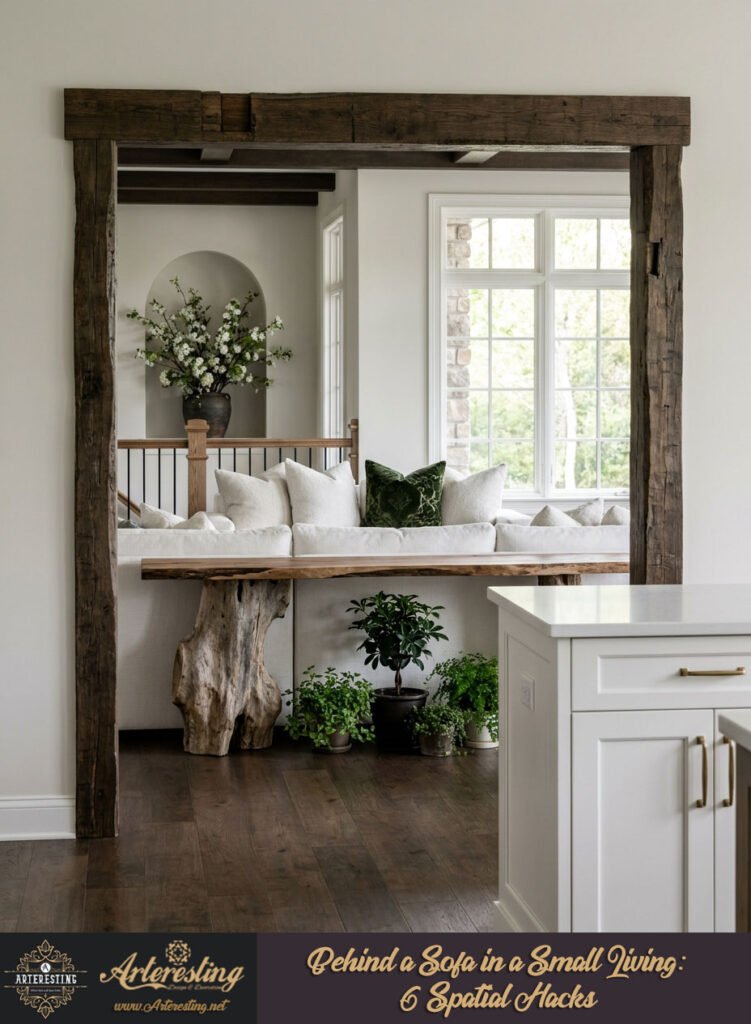
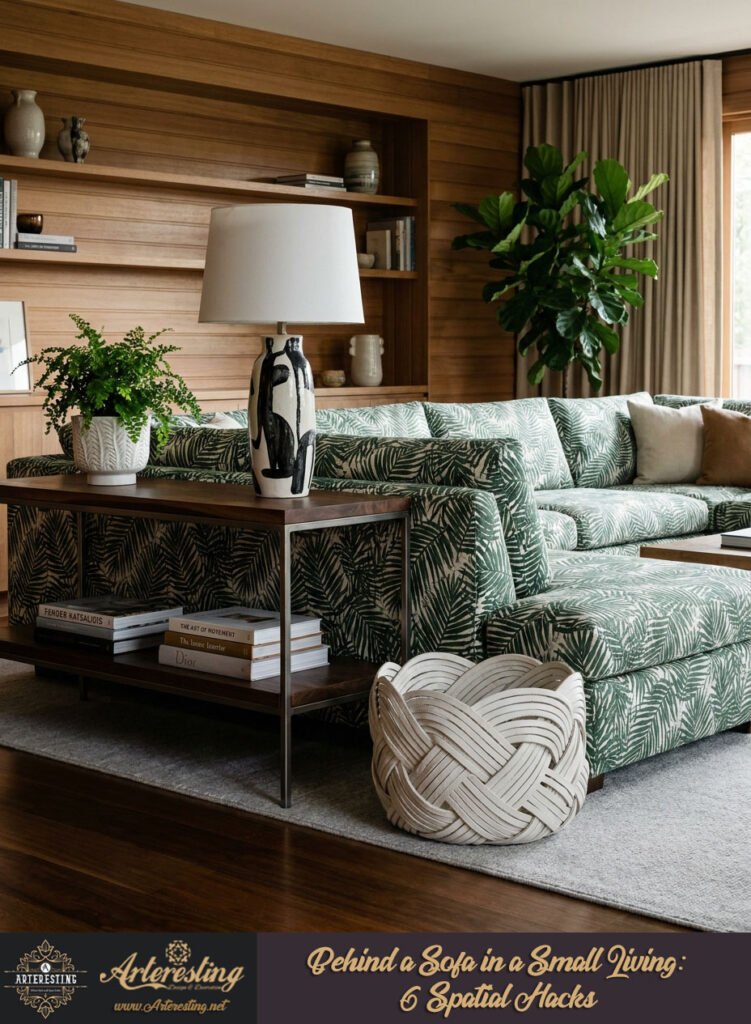
A slender console table acts as the ultimate structural drop zone. By matching the console height precisely to the seating back, you create a seamless horizontal plane. Consequently, this surface holds lighting and decorative objects while immediately eliminating visual clutter from central coffee tables.
Proportions dictate success in compact interiors. Therefore, a bulky unit immediately disrupts the spatial flow. Instead, select a narrow, custom-profiled table crafted from dark oak or travertine. Visually, this grounds the arrangement and provides the necessary surface area. Furthermore, it defines the seating perimeter without ever encroaching on essential walkways.

2. Layering Light with an Overarching Floor Lamp
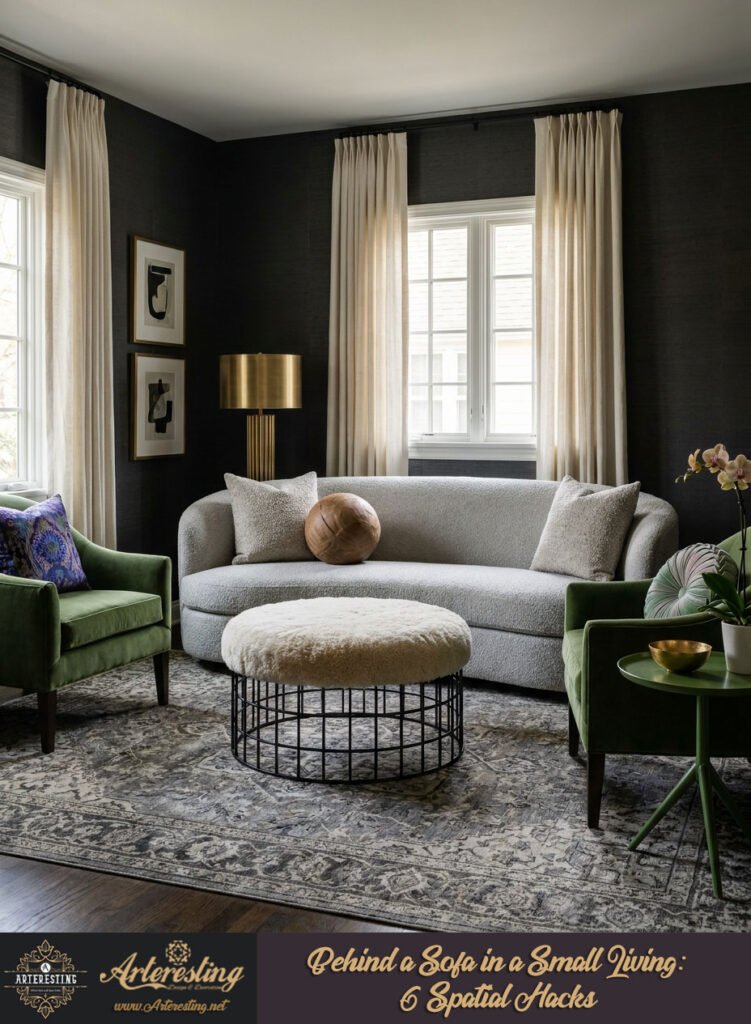
Utilizing the gap behind seating for a curved floor lamp introduces crucial verticality and ambient glow. This specific placement eliminates the need for bulky end tables. Simultaneously, it casts direct task lighting precisely over the seating zone for evening reading.
Illumination fundamentally shifts spatial perception. If you lack the footprint for side tables, a heavy-based lamp with an expansive, overarching arm solves the structural issue. Crucially, it forcefully draws the eye upward. This vertical movement makes ceiling heights appear significantly grander. Architecturally, it softens the rigid, horizontal lines of modern seating arrangements.
Shop The Look
3. Introducing Organic Balance with Indoor Trees
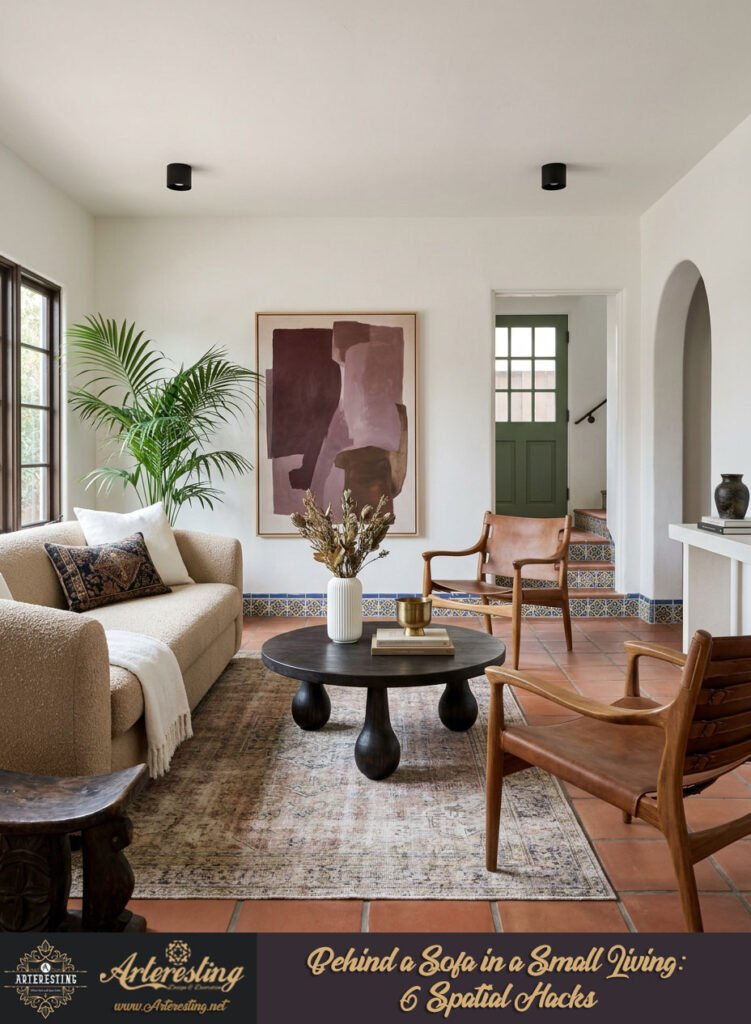
Situating tall, architectural greenery in the structural void behind a sofa in a small living room introduces refined organic modernism. The natural asymmetry of branches breaks up rigid furniture geometry. Consequently, the foliage injects texture and life without consuming valuable central floor traffic zones.
Plants operate as living sculptures. Specifically, an indoor olive tree or an overarching Ficus Audrey successfully bridges the gap between low upholstery and bare walls. Visually, this strategy blurs harsh corners. Furthermore, grouping varied planter heights builds a graduated, highly textured background. Ultimately, the foliage acts as an organic room divider.
4. Engineering Hidden Storage Behind a Sofa in a Small Living Room
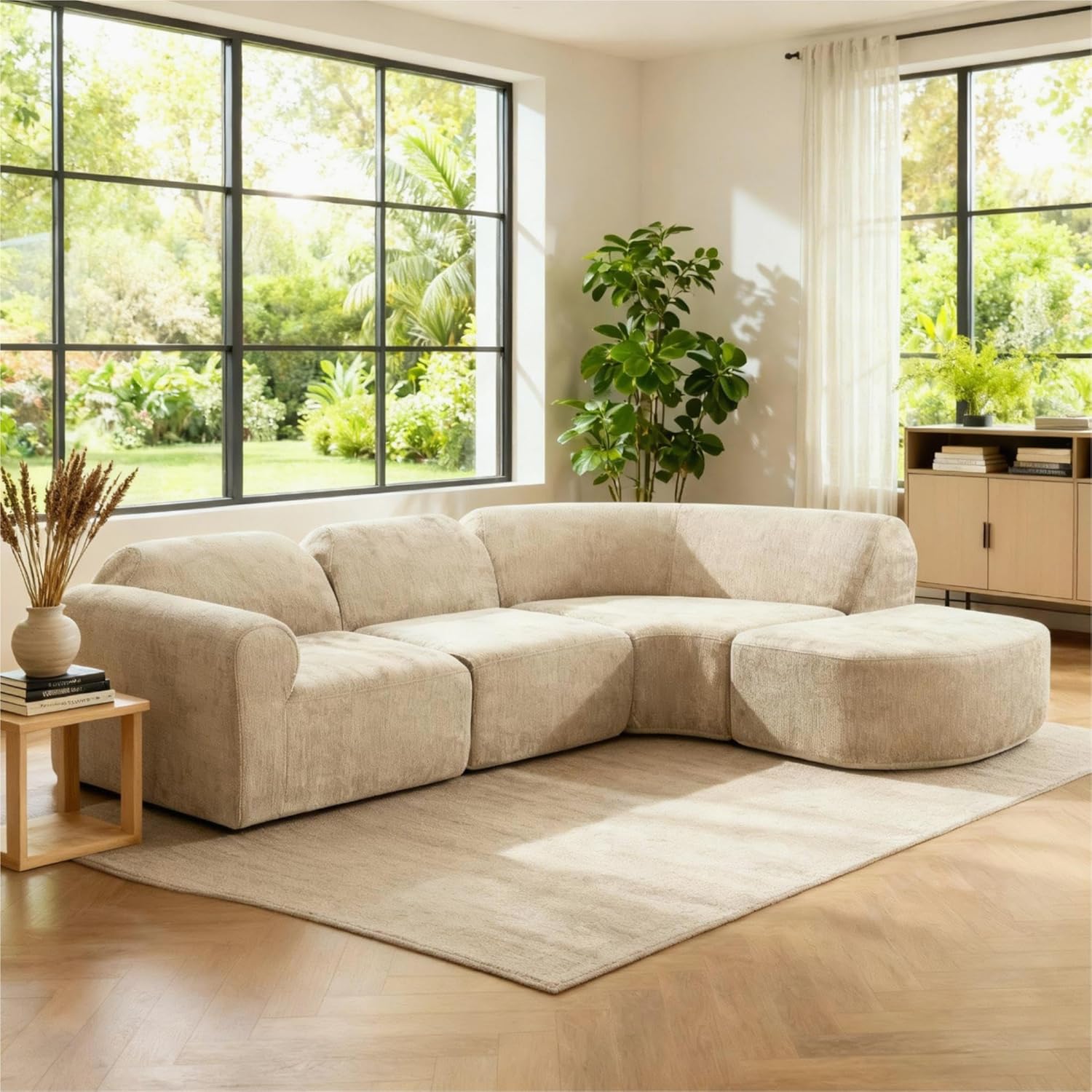
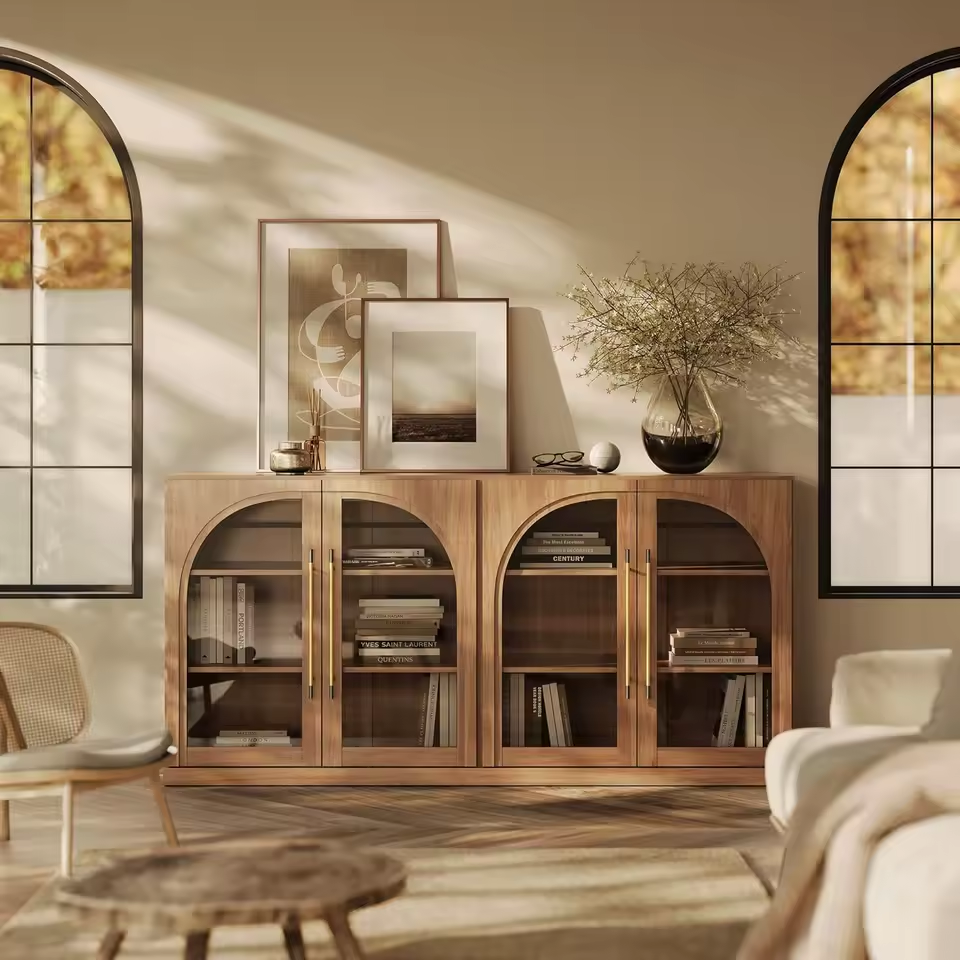
Integrating shallow, built-in cabinetry or a sleek credenza directly behind floating seating maximizes square footage utility. This concealed storage deliberately hides everyday objects, electronics, and heavy textiles. Consequently, the room maintains the minimalist, tightly curated atmosphere essential for compact living quarters.
Clutter rapidly suffocates tight footprints. Therefore, leveraging this exact zone for discrete containment becomes absolutely critical. If your layout fully exposes the sofa back, align a low-profile ribbed wood credenza against it. Conversely, if positioned near a wall, install seamless custom millwork. This strict containment strategy preserves a highly organized interior landscape.
5. Integrating Ottomans into the Small Living Room Sofa Gap
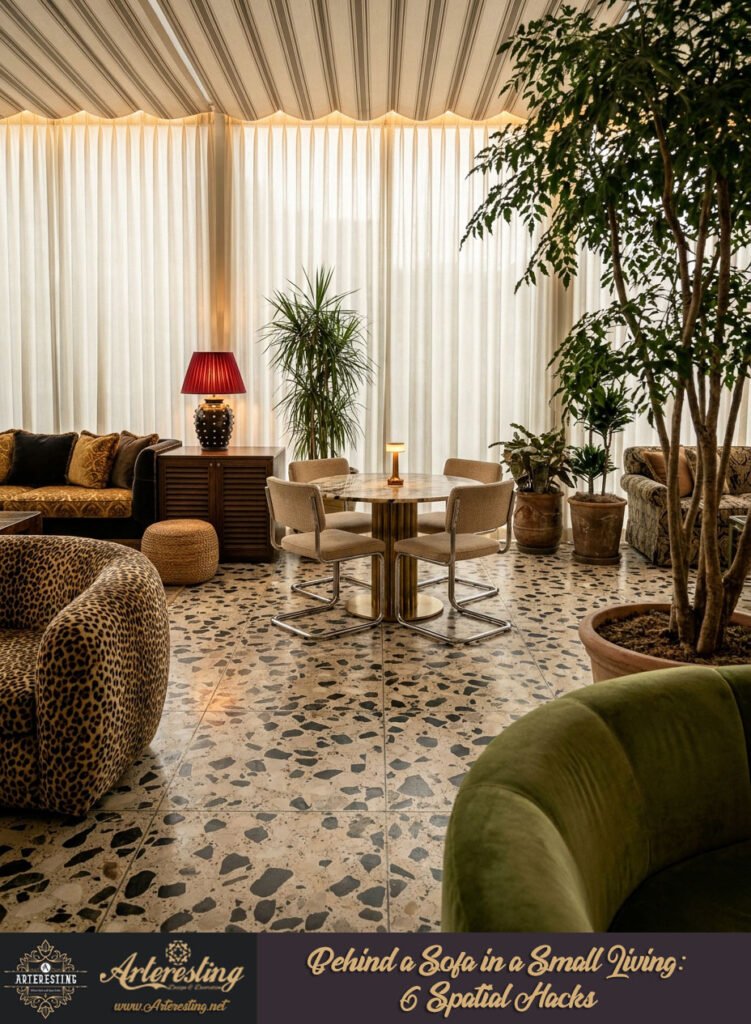
Stowing compact ottomans or structural poufs beneath a rear console table reclaims central floor space immediately. This calculated placement keeps auxiliary seating easily accessible for visiting guests. Simultaneously, it prevents these secondary furniture pieces from crowding primary walking paths during daily routines.
Flexibility remains paramount in highly limited footprints. Leaving Ottomans adrift in the center of the room obstructs essential traffic flow. Instead, nestle them deliberately under a tall rear console. Visually, this adds a much-needed layer of rich textile or leather texture. Furthermore, selecting hollow ottomans introduces an additional tier of covert storage.

6. Amplifying Proportions with Floor-to-Ceiling Mirrors
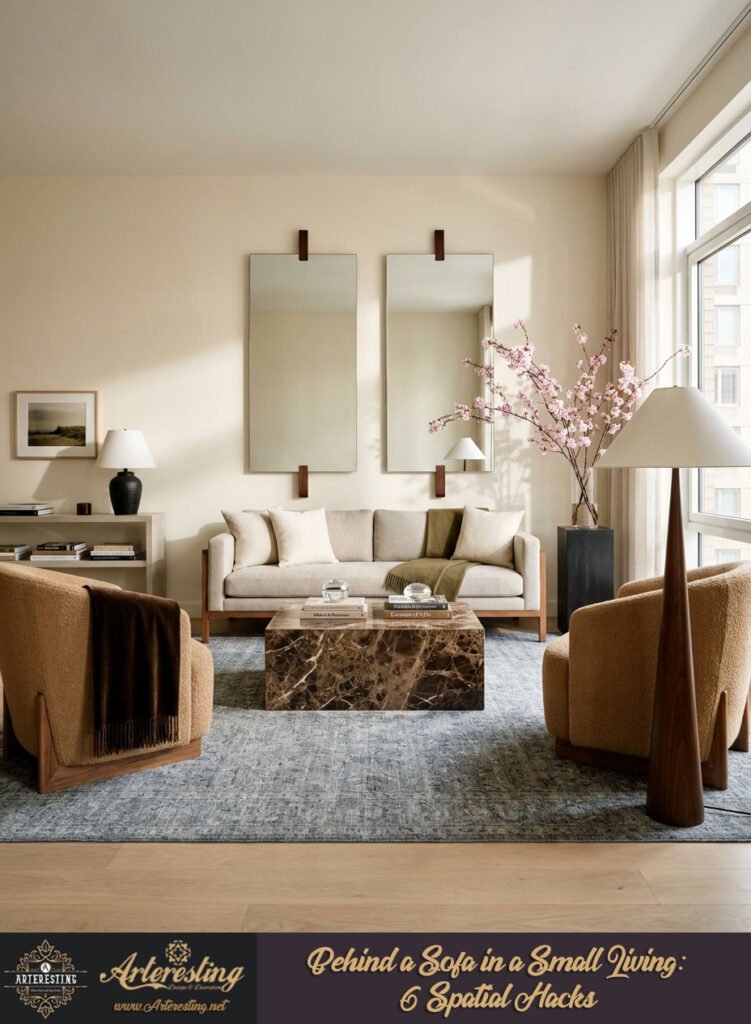
Positioning expansive mirrors directly behind the primary seating arrangement doubles the perceived depth of the environment. The reflective surface captures available natural light and continuously bounces it across the room. Consequently, the restrictive physical boundaries of the structural walls visually dissolve.
Light dictates the mood of any tight environment. If you battle a severe lack of windows, a monolithic mirror serves as a virtual window. Crucially, leaning a massive, heavy-framed mirror directly against the rear wall anchors the entire design. Therefore, this reflective boundary expands the sightline indefinitely. It ensures the space feels expansive, rather than confining.
Treating the structural voids of your home with architectural respect transforms how you live. Specifically, activating the layout behind a sofa in a small living room shifts it from a dead zone into a highly functional asset. Ultimately, the strategic layering of light, natural textures, and precise cabinetry ensures every single square inch performs flawlessly.
Shop The Look
The most effective ways to utilize the space behind a sofa in a small living room include positioning a narrow console table for drop-zone storage, layering a curved floor lamp for ambient lighting, or installing shallow built-in cabinetry. Floating the sofa a few inches away from the wall immediately creates a spatial illusion that makes tight rooms feel more expansive.