Table of Contents
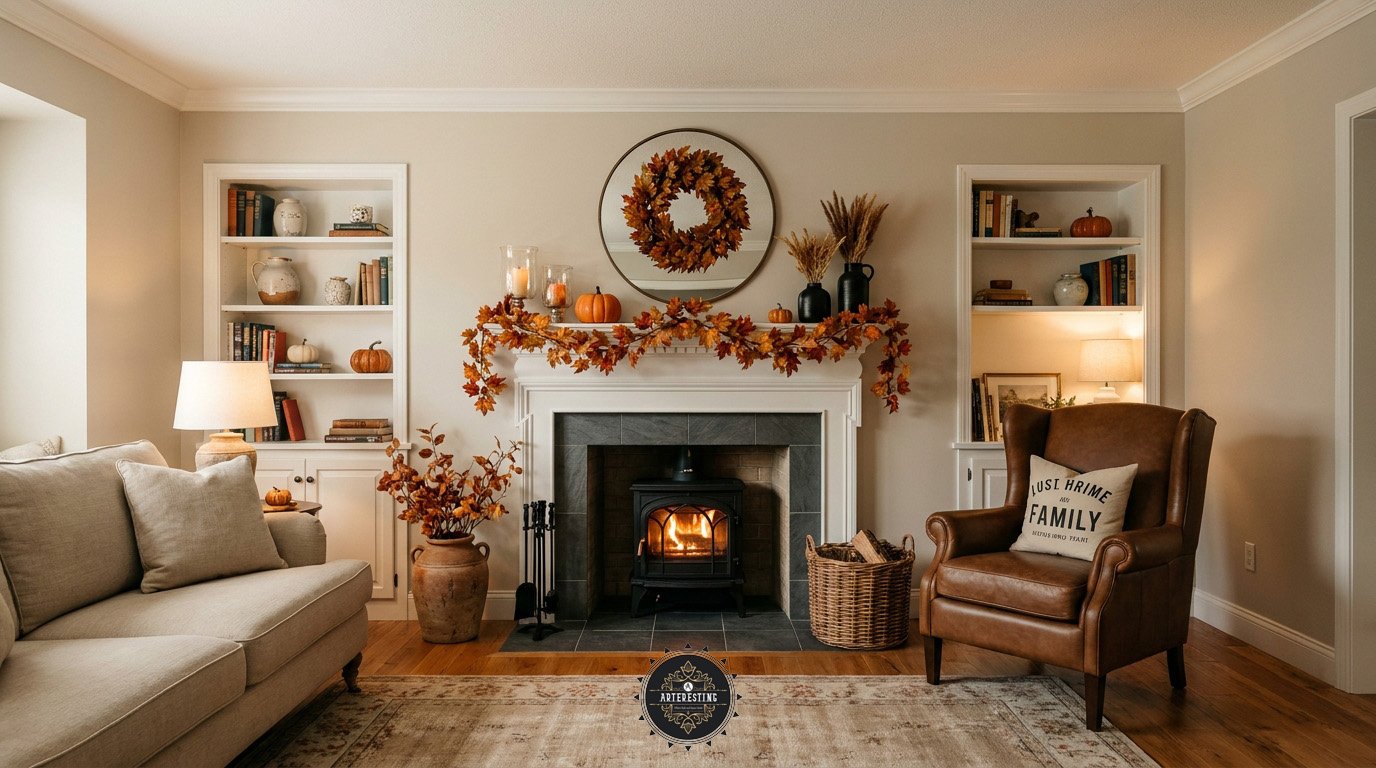
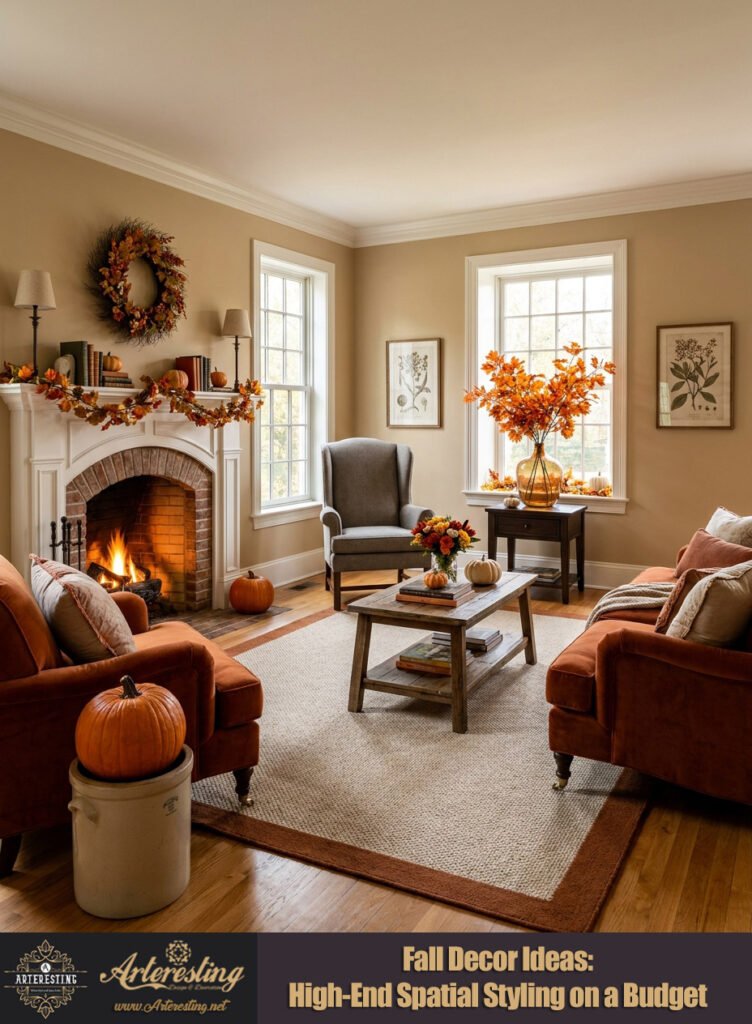
Implementing sophisticated fall decor ideas requires structural precision and an understanding of spatial psychology. Consequently, transitioning a space for autumn involves altering visual weight and thermal perception. Properly executed, these seasonal modifications ground the interior geometry while enhancing natural comfort.
1. The Foundational Shift of Fall Decor Ideas
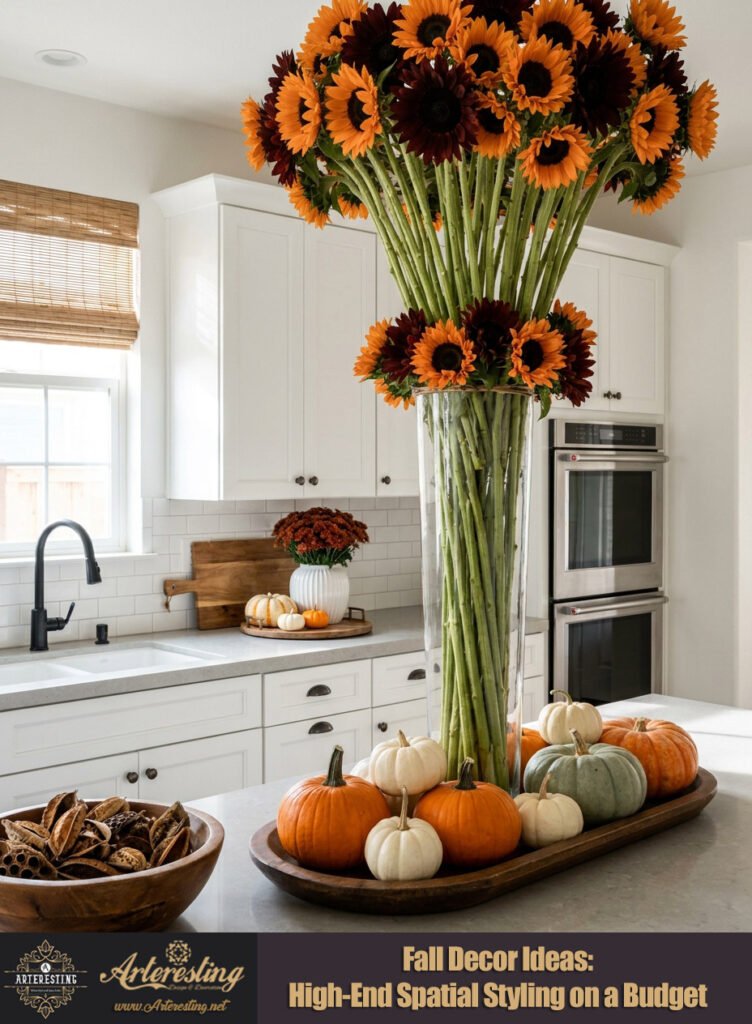
Successful autumn transformations require balancing visual warmth with structural restraint. Specifically, integrating organic materials and strategic lighting reduces visual clutter while maximizing sensory comfort. Therefore, achieving an inviting seasonal environment depends on intentional placement rather than sheer volume.
Visually, a room shifts when ambient temperatures drop. Inhabitants instinctively seek tactile layering to offset cold architectural lines. Furthermore, this seasonal recalibration does not require immense capital. Thrifting organic objects introduces historic patina. Consequently, these elements ground modern spaces effectively.
Classic Fall Botanicals
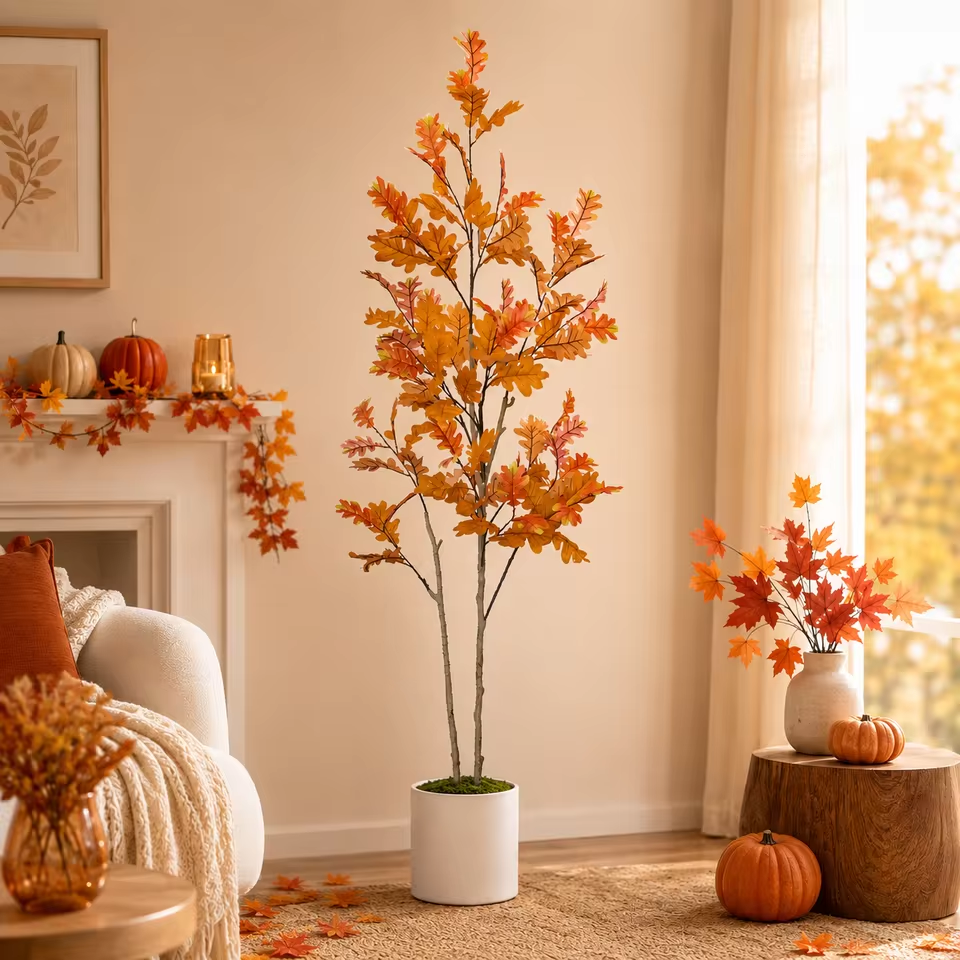
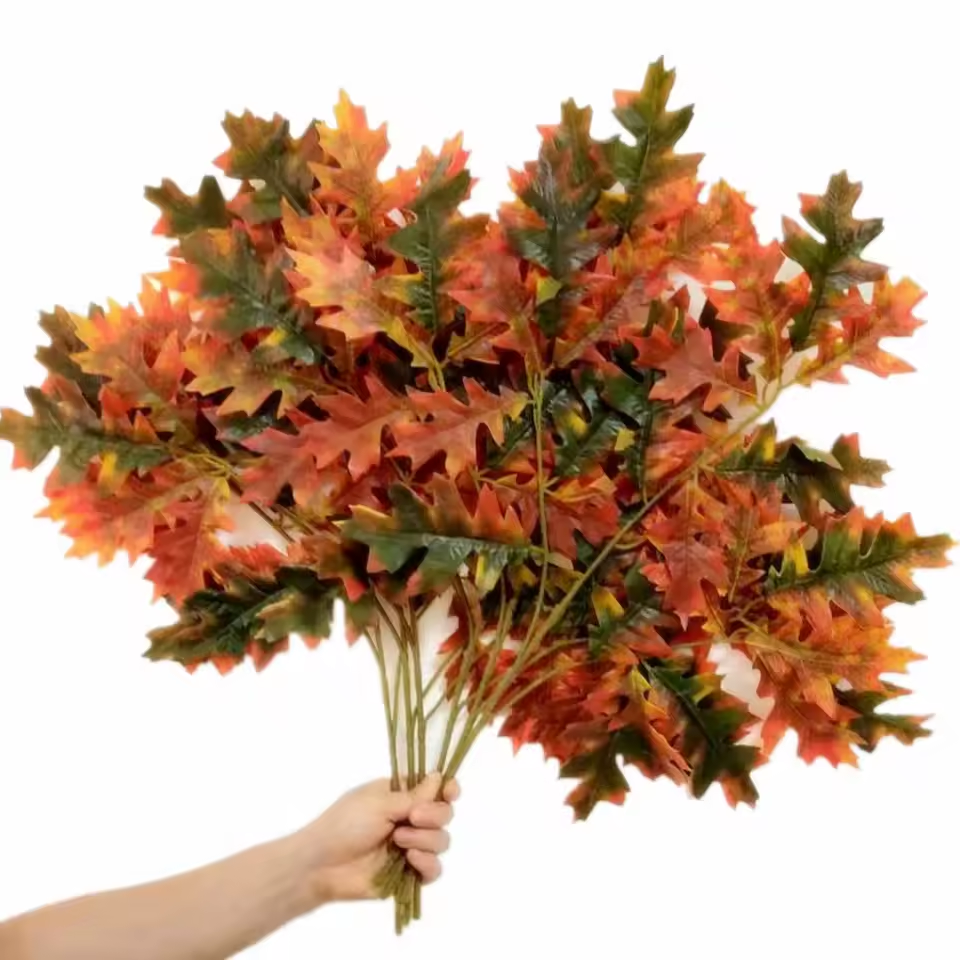
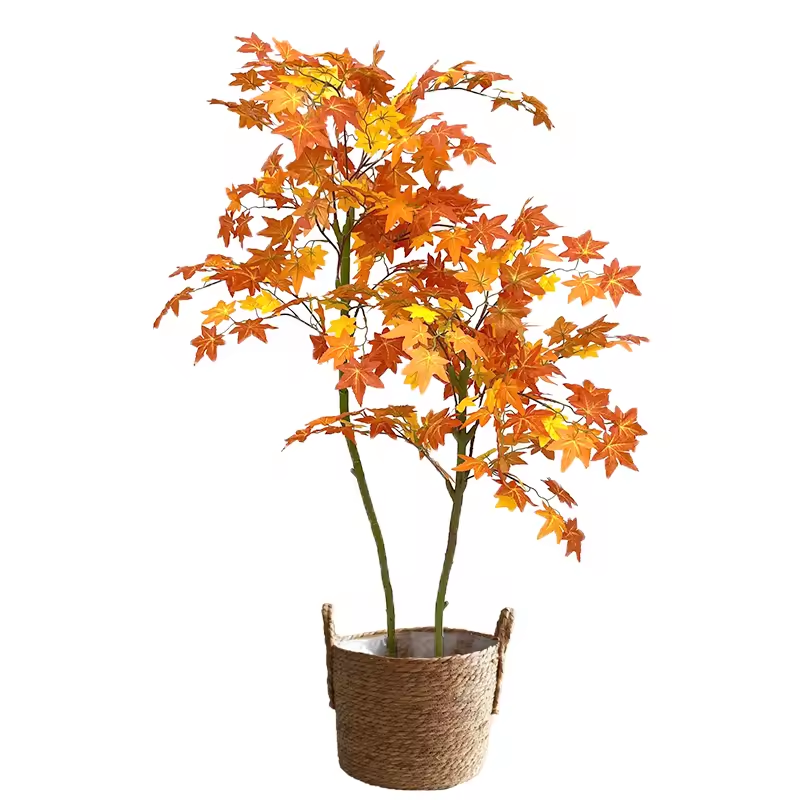
Bring the warmth of the autumn season indoors with our curated selection of ultra-realistic faux foliage and architectural trees.
2. Understanding Your Space for Autumn Interior Styling
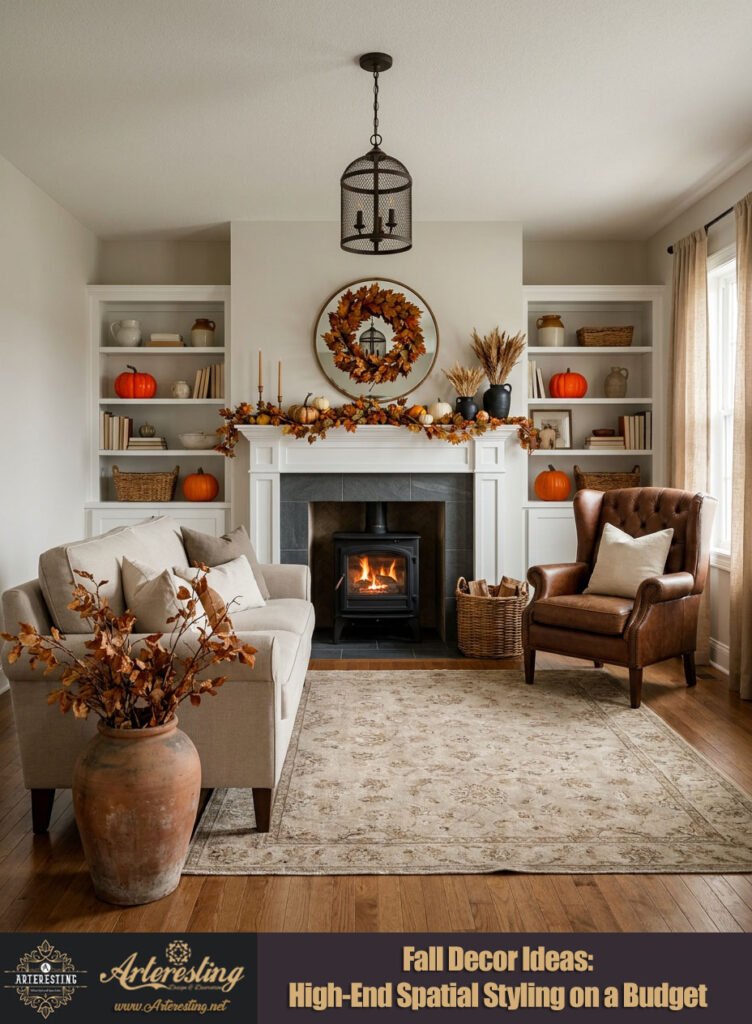
Assessing room dimensions and natural light paths dictates the scale of seasonal modifications. Crucially, smaller footprints demand localized styling to preserve traffic flow, whereas expansive layouts can support heavy, layered focal points without feeling visually oppressive.
Spatial flow dictates design success. Large rooms absorb dark, heavy textiles easily. Conversely, compact spaces require strict editing. Furthermore, analyzing sunlight trajectory remains essential. Autumn light strikes rooms at lower angles, highlighting fabric textures. Therefore, place reflective objects intentionally to maximize this changing light. Properly positioned elements enhance overall spatial perception.
Classic Fall Wreaths
Welcome the autumn season to your doorstep with our curated selection of artisanal wreaths, featuring rich harvest colors, pumpkins, and faux maple leaves.



3. Incorporating Natural Elements
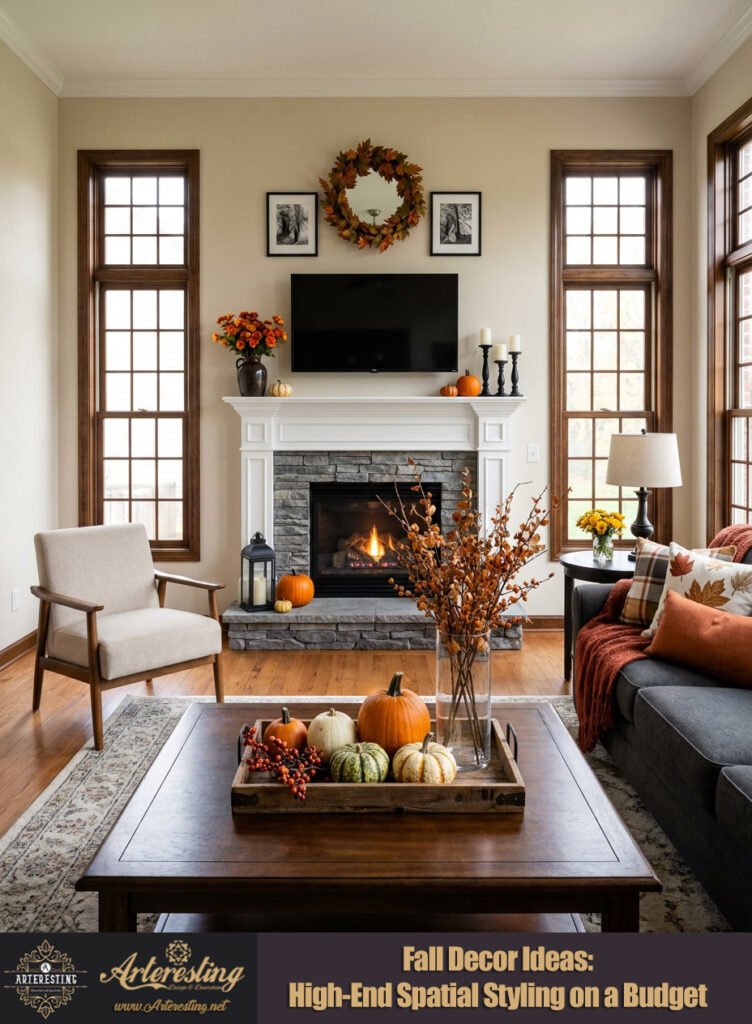
Introducing raw, forged, and foraged organic matter bridges the boundary between interior architecture and the external environment. Notably, using unrefined pinecones, bare branches, and oxidized leaves introduces complex geometries that soften rigid structural boundaries and absorb sound.
Nature provides superior structural aesthetics. Foraged branches add height without visual bulk. Consequently, this draws the eye upward, emphasizing ceiling height. Pinecones introduce heavy, grounding texture at the base level. Furthermore, dried botanical arrangements introduce fragile, organic lines against solid walls. This contrast creates necessary tension.
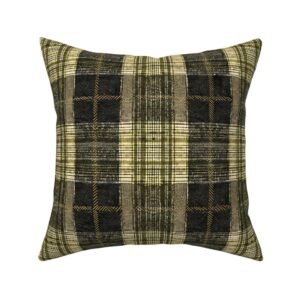
The Autumn Cabin Collection
Cozy up your living space with our exclusive selection of vintage farmhouse plaids, warm earth-toned tartans, and rustic fall botanicals.


4. Structural Integrity of DIY Fall Decorations
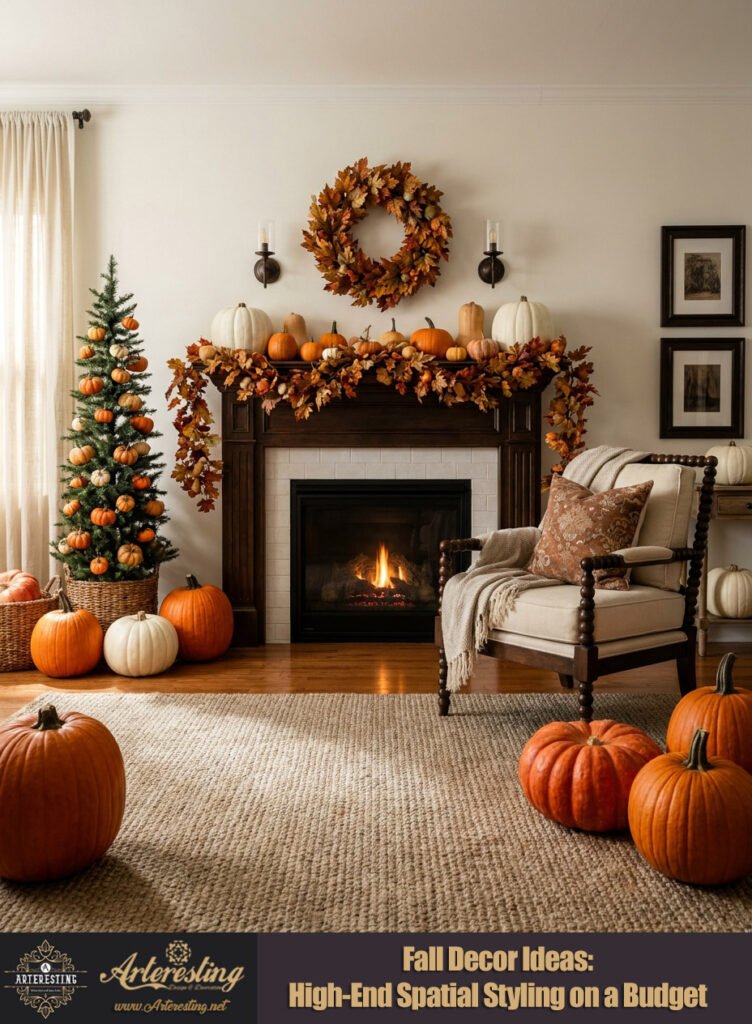
Custom seasonal creations guarantee exact scale and proportional alignment with existing furniture. Specifically, hand-forged or customized arrangements bypass the generic dimensions of commercial goods. Therefore, constructing bespoke items ensures precise color matching and spatial harmony within strict parameters.
Commercial objects often disrupt established room scales. Conversely, custom creations respect room proportions. For instance, shaping a localized leaf garland fits an exact mantle length. Furthermore, painting natural gourds ensures exact palette alignment. Visually, this creates a seamless transition between permanent fixtures and temporary accents.
Autumn Ambiance & Decor
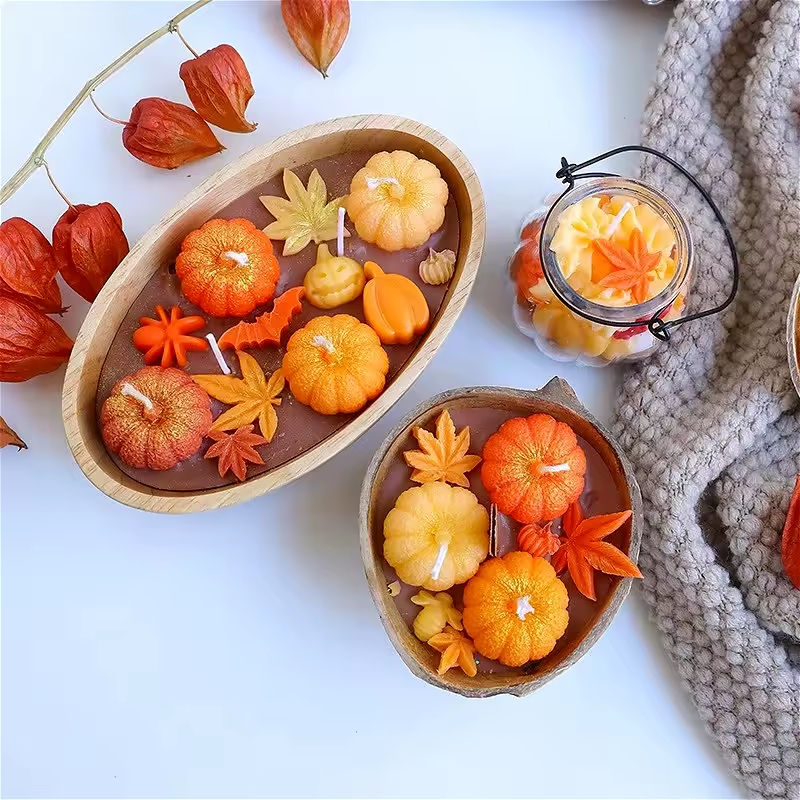
Fill your home with the sights and scents of the season. Discover our curated selection of harvest decor sets, faux pumpkins, and handmade aromatherapy candles.


5. Budget-Friendly Finds for Seasonal Home Updates
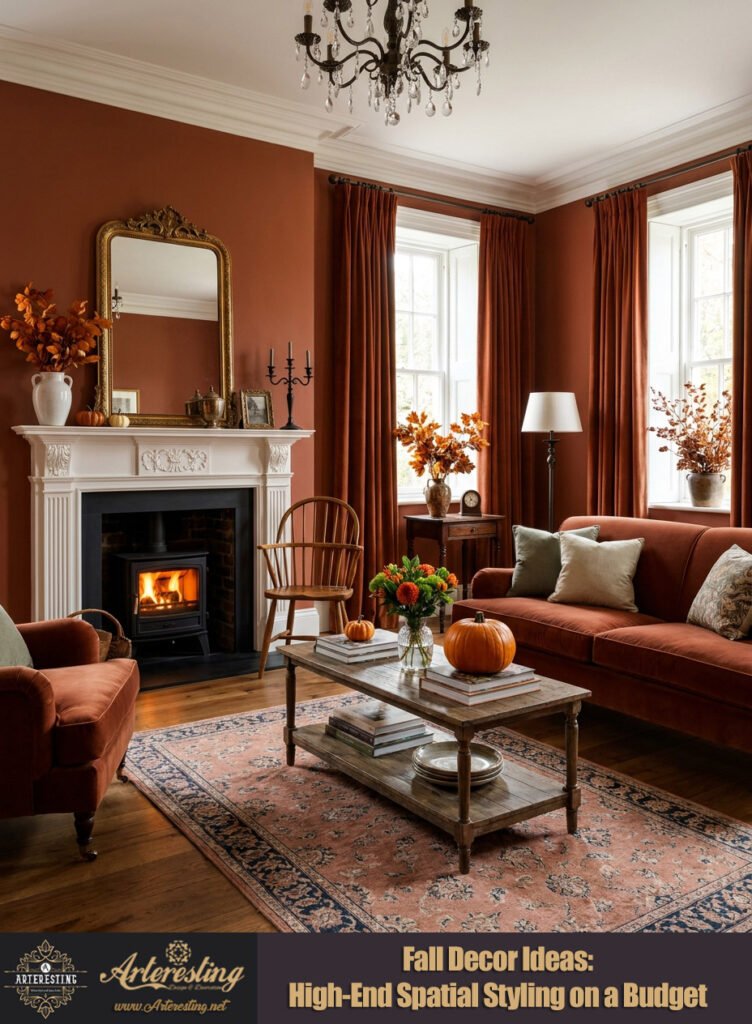
Secondary markets provide access to high-quality, dense materials like cast iron, heavy brass, and solid wood. Consequently, thrifting allows designers to acquire pieces with authentic historical patina, introducing necessary visual weight without incurring premium retail costs.
High-end design prioritizes authentic materials. Vintage stores excel at providing heavy, aged items. Specifically, tarnished brass adds warm, reflective properties. Furthermore, aged wood introduces irreplaceable grain textures. Integrating these historical pieces anchors a room dynamically. Therefore, affordable sourcing maintains strict design integrity.
The Autumn Window Collection
Frame your view with the warm colors of the season. Discover our exclusive collection of custom-printed curtains featuring golden autumn leaves and romantic fall florals.


6. Color Psychology and Schemes for Fall
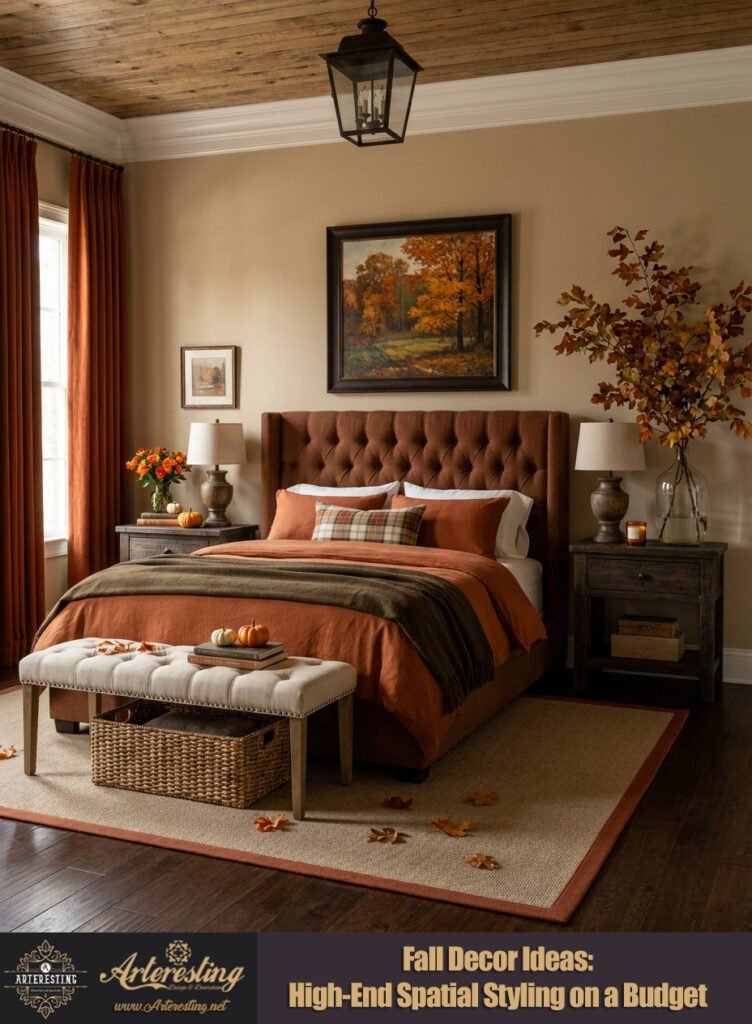
Implementing an autumn palette shifts the psychological temperature of a room. Crucially, integrating deep ochres, burnt siennas, and muted moss greens lowers the perceived ambient temperature, fostering a grounded, internalized sense of comfort and a sense of protective shelter.
Color inherently manipulates spatial perception. Warm tones advance visually, making large rooms feel intimate. Conversely, earthy greens recede, offering visual rest. Furthermore, layering these specific pigments against neutral walls creates striking contrast. Therefore, selecting precise color values dictates the inhabitant’s emotional response.
The Autumn Bedding Collection
Transform your bedroom into a cozy seasonal retreat. Discover our exclusive collection of custom-printed duvet covers featuring warm autumn leaves, blooms, and rustic patterns.


7. Lighting and Atmospheric Fall Decor Ideas
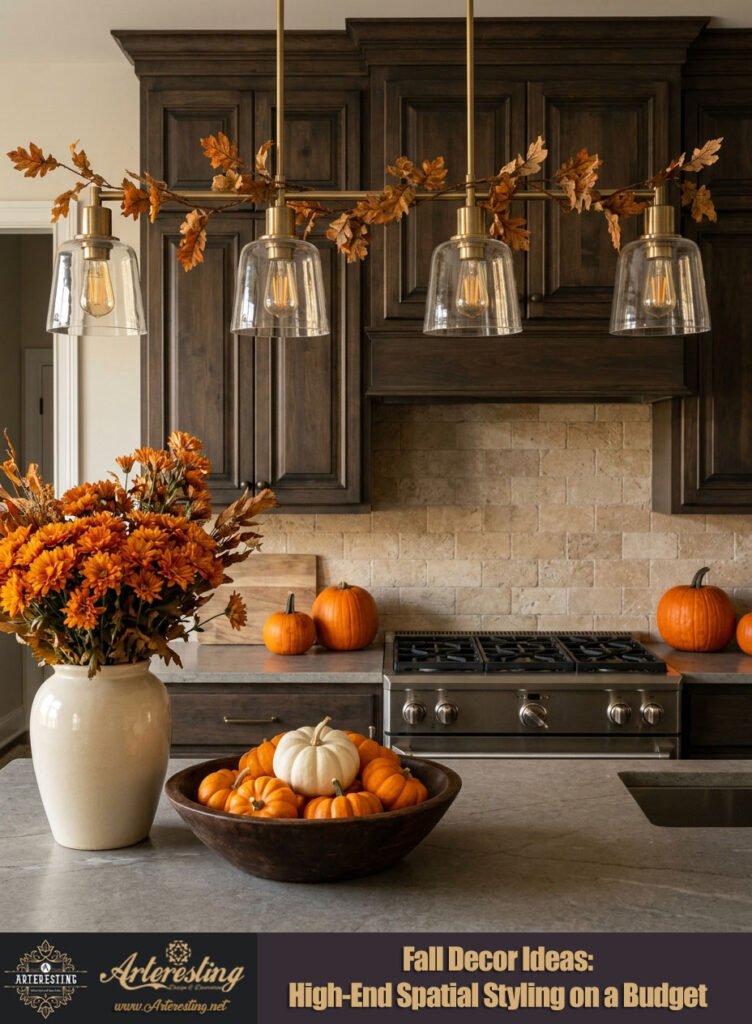
Modifying light temperature from cool to warm dramatically alters texture perception and spatial depth. Specifically, incorporating low-level ambient sources and amber-tinted candlelight softens harsh architectural shadows, creating a protective, intimate envelope within the living space.
Overhead lighting flattens interior features. Therefore, relying on localized, lower-level illumination remains vital. Amber-hued bulbs cast long, warm shadows. Furthermore, open flames introduce kinetic lighting. This movement animates static objects. Implementing these localized fall decor ideas maximizes shadow play. Consequently, shifting the lighting design completely alters evening spatial dynamics.
8. Soft Furnishings Update
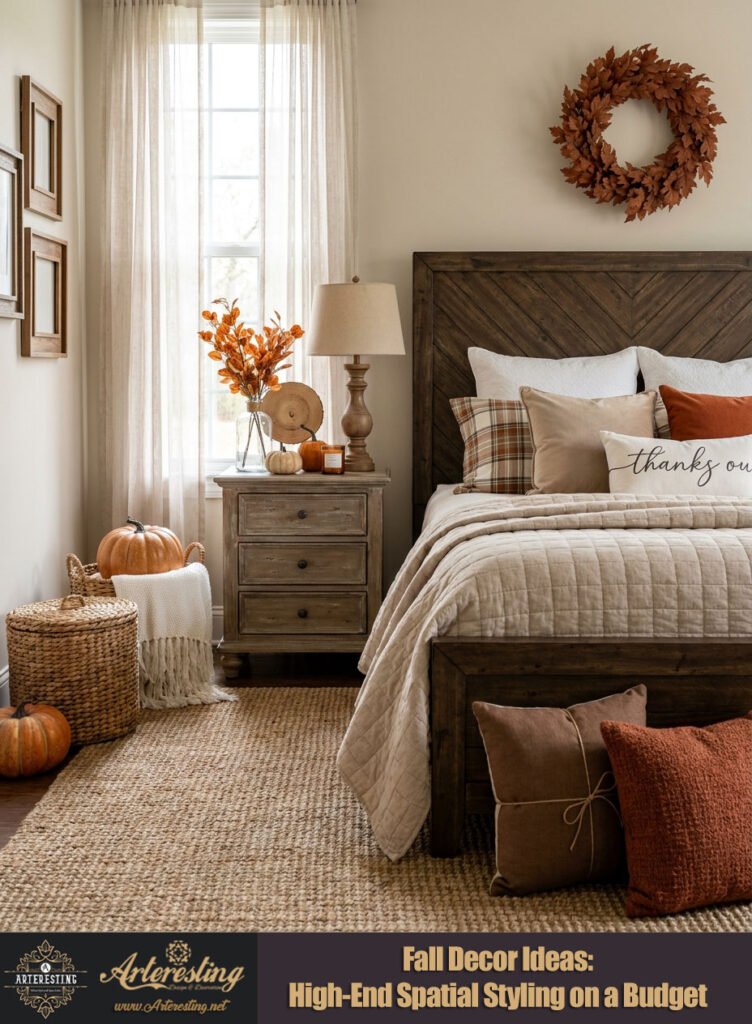
Replacing lightweight summer textiles with dense, heavy-weave fabrics physically alters the acoustic and thermal properties of a room. Notably, introducing wool, velvet, or heavy linen absorbs echoing sound waves while physically blocking perimeter drafts from exterior windows.
Tactile weight changes everything. Heavy curtains anchor window frames visually. Furthermore, dense fabrics absorb ambient noise. This creates a muffled, intimate acoustic environment. Visually, rich velvets absorb light rather than reflecting it. Consequently, this absorption adds necessary depth to seating areas.
Shop The Look
9. Utilizing Outdoor Inspiration
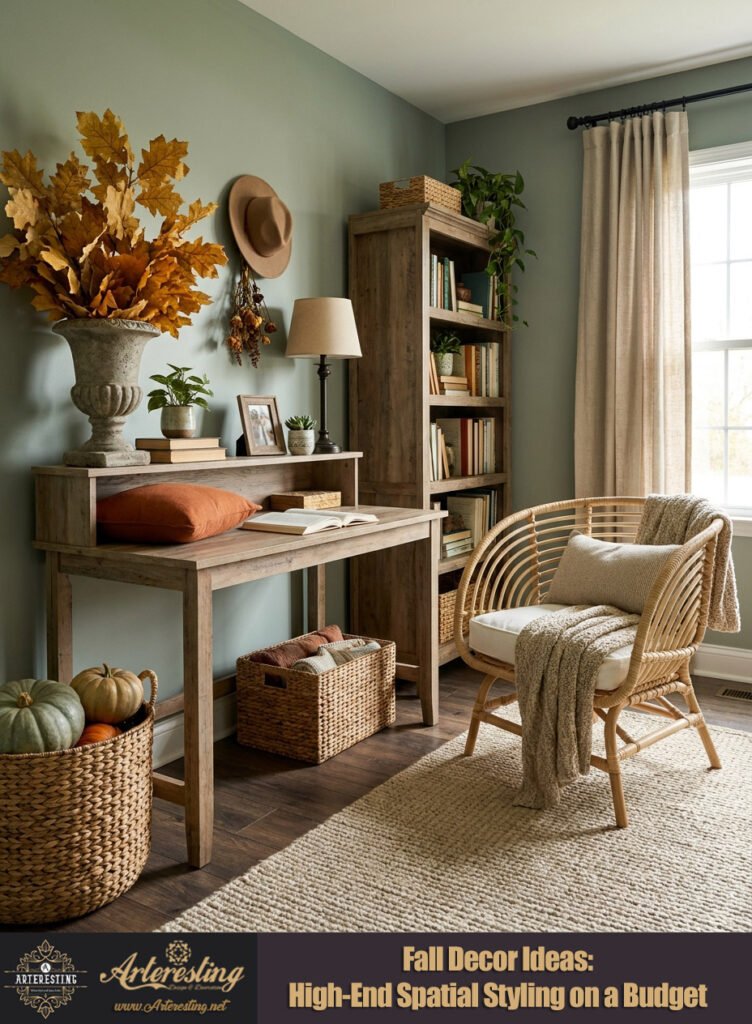
Importing exterior environmental cues aligns the interior atmosphere with the biological shift of the season. Specifically, translating the colors, textures, and forms found immediately outside the home creates a seamless psychological transition between structural boundaries.
Interior design must acknowledge the exterior climate. Foraging local foliage grounds the home in its specific geography. Furthermore, drying late-season flora preserves regional character. This method avoids generic, out-of-place aesthetics. Ultimately, honoring the immediate environment creates authentic spatial styling.
The Autumn Blanket Collection
Wrap yourself in the timeless elegance of vintage Art Nouveau botanicals and Boho Suzani prints. Discover our exclusive collection of ultra-cozy throw blankets designed for the harvest season.


10. Crafting Cozy Corners
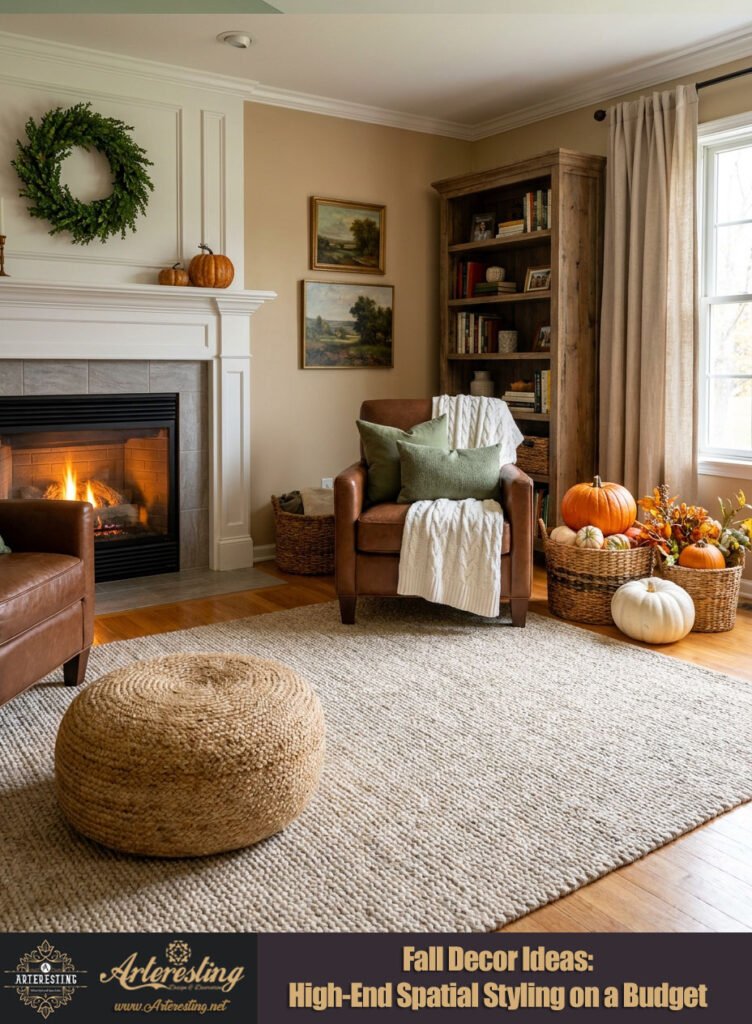
Establishing localized micro-environments within larger rooms satisfies the human psychological need for shelter. Crucially, defining a small, textured seating area with directional lighting and dense fabrics provides a secure, intimate refuge against expansive interior architecture.
Open floor plans often feel exposed. Therefore, creating defined nooks remains essential. A heavy chair placed near a directed light source establishes strict boundaries. Furthermore, adding dense throws increases the tactile security of the zone. Visually, these defined corners break up monotonous spatial flow.
Halloween Glowing Lanterns
Illuminate your porch, garden, and living spaces. Discover our curated selection of atmospheric LED jack-o’-lanterns and handcrafted pumpkin decor to set the perfect spooky mood.



11. Early Fall Room Transformations
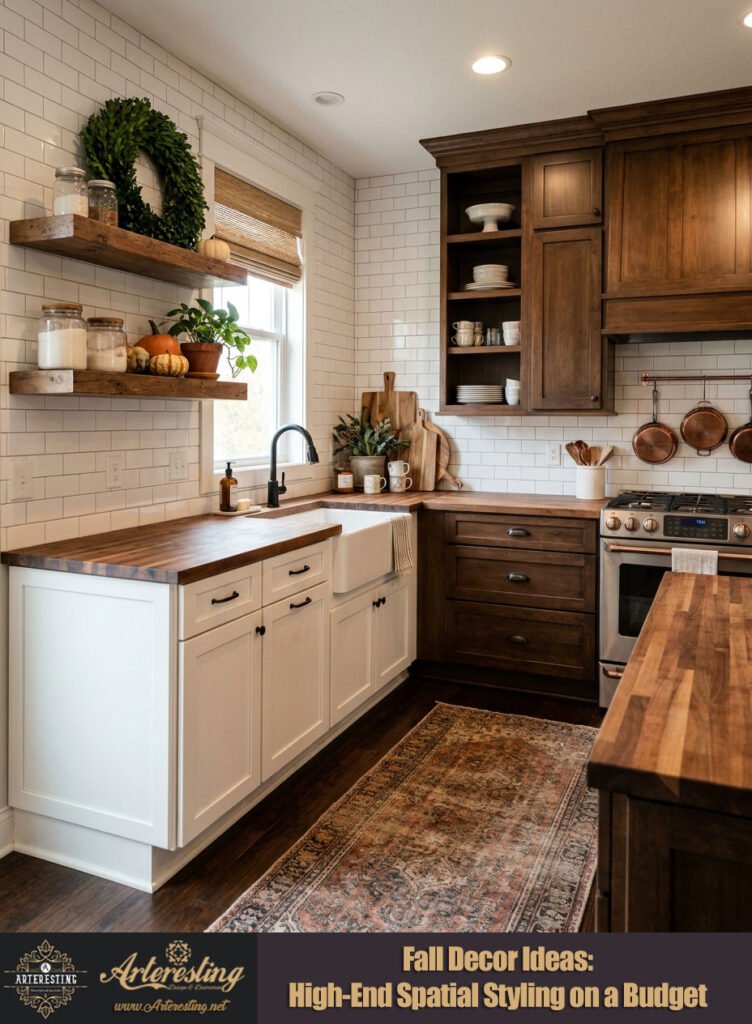
Initiating seasonal changes gradually prevents visual shock and respects the fading summer environment. Notably, introducing subtle textural shifts—such as swapping linens for light wools—prepares the interior geometry for heavier winter styling without premature visual weight.
Abrupt design shifts disrupt visual harmony. Consequently, a phased approach works best. Swapping bright pillows for muted, earthy tones signals transition. Furthermore, introducing complex, spicy aromas alters perception invisibly. Exploring these early fall decor ideas establishes a foundation. Ultimately, this prepares the space effectively.
The Autumn Dining Collection
Dress your table for the harvest season. Discover our exclusive collection of custom-printed table runners featuring warm autumn leaves, golden petals, and pumpkin spice motifs.


12. Creative and Easy-to-Make DIY Fall Crafts
Constructing bespoke organic accents allows for strict quality control over materials and scale. Specifically, hand-shaping moss, bark, or dried florals ensures the resulting objects complement the precise geometric requirements and color palettes of the existing architecture.
Precision matters in luxury styling. Hand-crafted objects bypass synthetic commercial finishes. Furthermore, assembling natural elements requires minimal structural manipulation. Coating found objects in matte, earthy finishes unifies their appearance. Therefore, crafting ensures absolute control over the final visual narrative.
Shop The Look
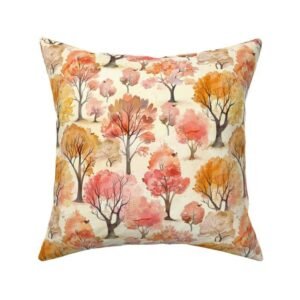
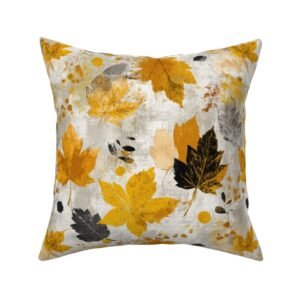
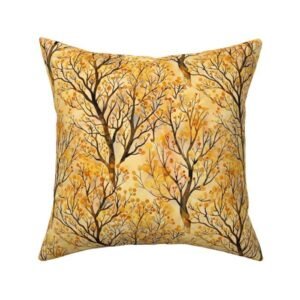
13. Wrapping Up with Warmth
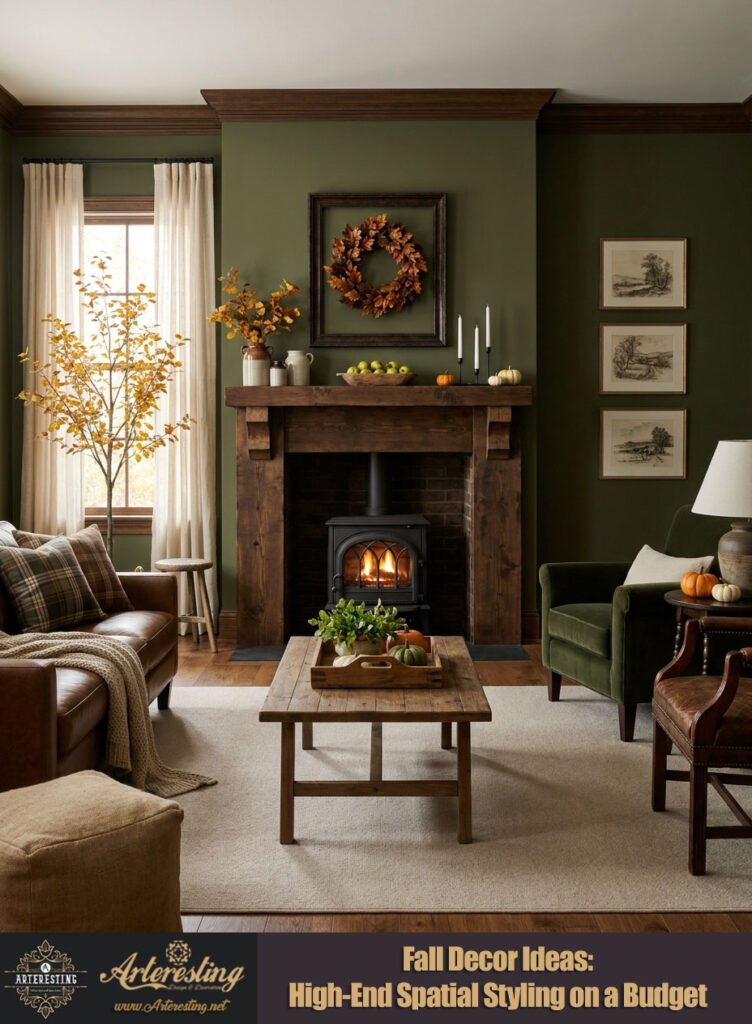
Finalizing the seasonal transition requires stepping back to evaluate visual balance and tactile distribution. Crucially, verifying that lighting, textiles, and organic elements work cohesively ensures the space remains structurally sound, visually grounded, and emotionally secure for the colder months.
Cohesion defines successful design. Every added element must justify its spatial footprint. Furthermore, evaluating the contrast between hard architecture and soft textiles guarantees balance. Successful execution relies on strict editing. Ultimately, deploying these sophisticated fall decor ideas ensures a highly functional, emotionally resonant interior environment.
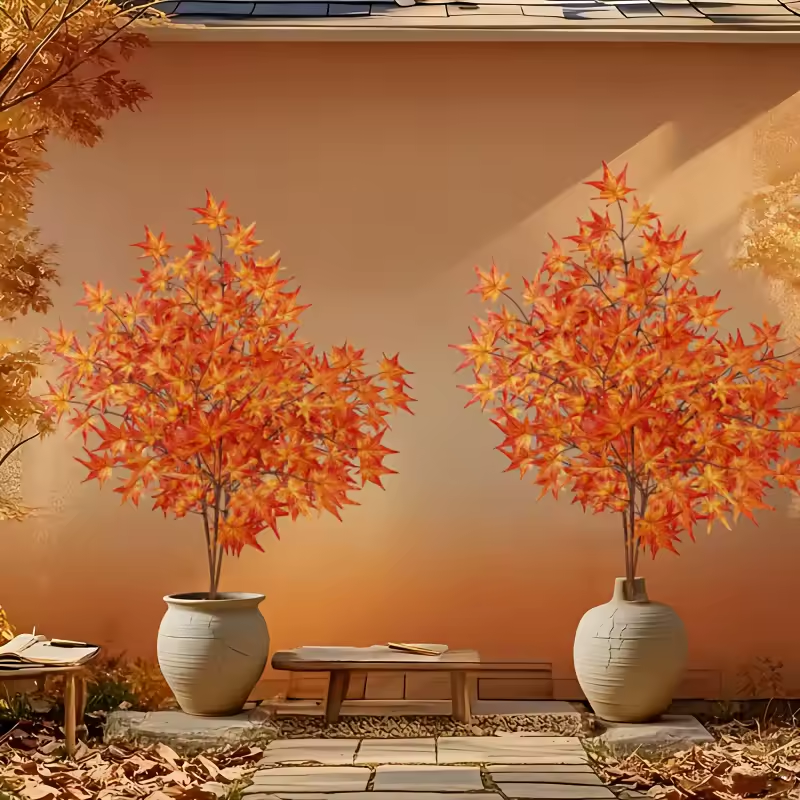
Autumn Foliage & Trees
Bring the warmth of the autumn season indoors with our curated selection of ultra-realistic faux foliage and large architectural maple trees.
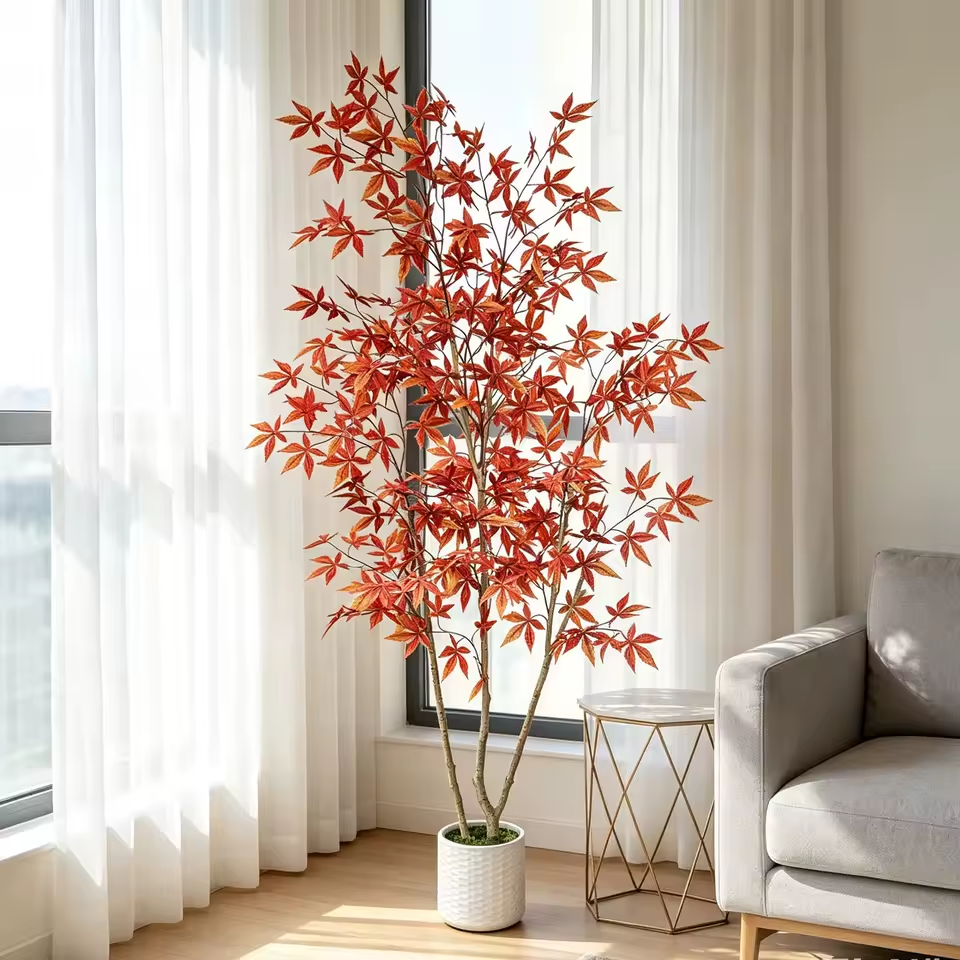
Thoughtful fall decor ideas rely on introducing organic textures, strategic ambient lighting, and rich earth tones into an existing layout. Utilizing foraged botanical elements and layered textiles alters the room’s visual weight and thermal comfort. Consequently, these structural updates create an inviting, seasonally aligned atmosphere without compromising interior architecture.