Table of Contents
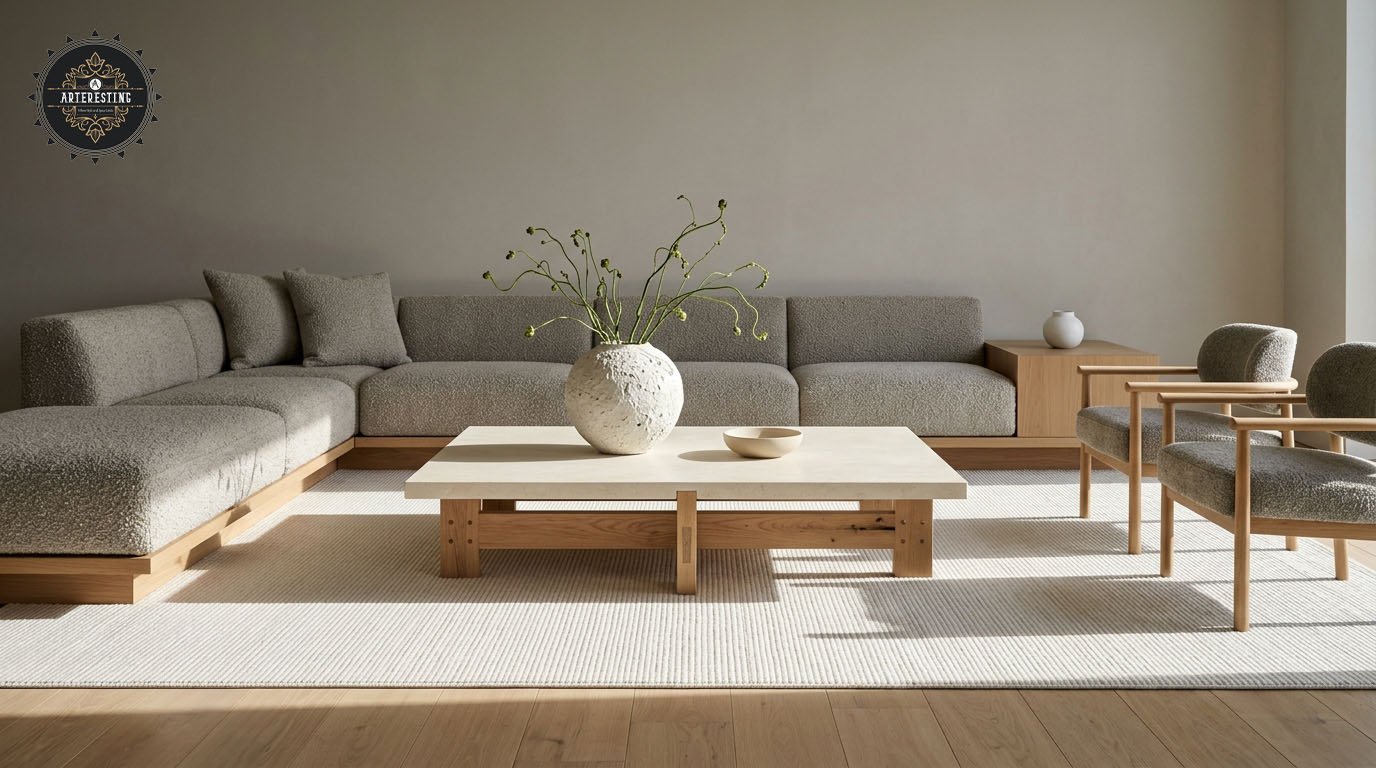
Few global aesthetics possess the same effortless sense of calm as modern Nordic interiors. Achieving an authentic look requires meticulous spatial curation rather than mere minimalism. True calming Scandinavian home design relies on subtle architectural details and honest materiality to soothe the human nervous system.
Furthermore, creating this serene atmosphere involves a precise understanding of how light, texture, and structural weight interact within a room. When these elements align, your living space transforms completely. Specifically, design experts point to nine non-negotiable features that establish this unparalleled domestic tranquility.
1. Layered Lighting
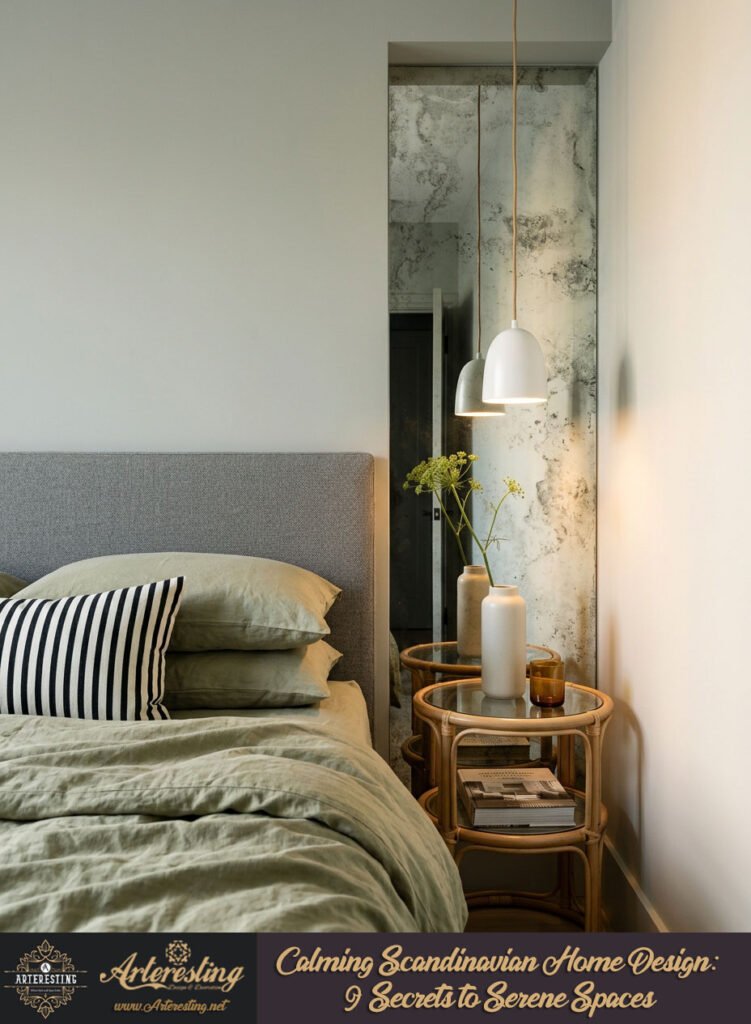
To eliminate spatial anxiety, position multiple light sources at varying heights throughout the room to eliminate harsh overhead shadows. This technique creates intimate pockets of warmth. Consequently, the room feels instantly softer, more inviting, and visually balanced.
Orchestrating Shadow and Warmth
Standard modern properties rely heavily on uniform overhead downlights. Visually, this creates a sterile, clinical environment that triggers alertness rather than relaxation. In contrast, authentic northern homes treat illumination as an architectural layer.
Therefore, you should avoid single central fixtures entirely. Instead, combine sculptural wall sconces with low-level rice paper floor lamps. Adding woven rattan pendants provides directional warmth. Crucially, this varied distribution mimics the soft behavior of natural twilight.
Shop The Look
2. Tactile Materials
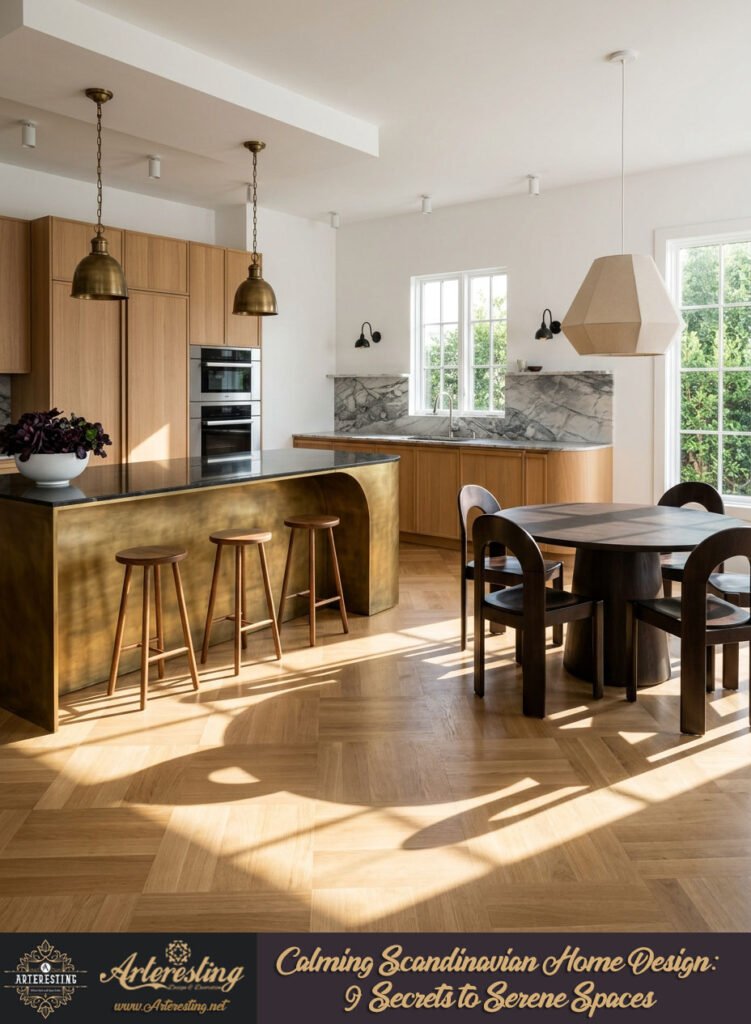
Incorporate raw, varied textures to satisfy the human desire for sensory richness and physical comfort. Material honesty allows elements like limestone and unrefined wool to age beautifully over time. As a result, the interior feels grounded rather than artificially perfected.
The Power of Material Honesty
Flat, perfectly smooth drywall surfaces offer zero visual engagement. Alternatively, mixing deeply textured finishes introduces structural character without requiring loud colors. For instance, pairing a raw plaster kitchen wall with slatted timber living room paneling instantly creates visual depth.
Furthermore, tactile contrast alters the acoustic properties of a space. Specifically, materials such as clay, boucle upholstery, and high-pile rugs help absorb harsh echoes. Therefore, the physical atmosphere shifts, becoming noticeably quieter and more relaxing to inhabit.

3. Furniture With Visual “Weightlessness”
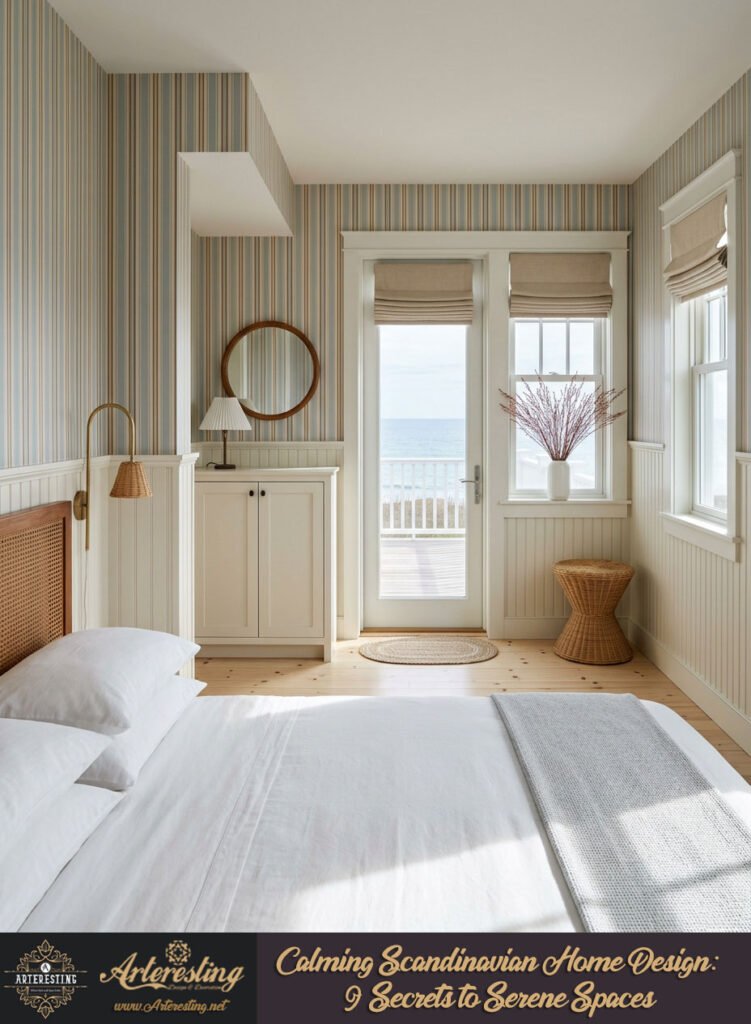
Select furnishings with clean, streamlined silhouettes and open woodwork to permit light and air to circulate freely. This structural choice prevents the layout from feeling restrictive or crowded. Therefore, the entire room maintains a breathable, tranquil quality.
Emphasizing Breathable Silhouettes
Heavy, oversized furniture pieces block natural pathways and absorb incoming light. Conversely, peaceful Nordic interiors prioritize delicate profiles that elevate the floor plan. Consider swapping a massive upholstered headboard for a lightweight wooden spindle alternative.
Additionally, this spatial philosophy extends directly to your bedroom styling choices. Specifically, bypass tightly tucked sheets in favor of loosely draped, washed linens in muted earth tones. This relaxed fabric behavior introduces an organic texture that immediately eases the mind.

4. Tonal Color Palettes
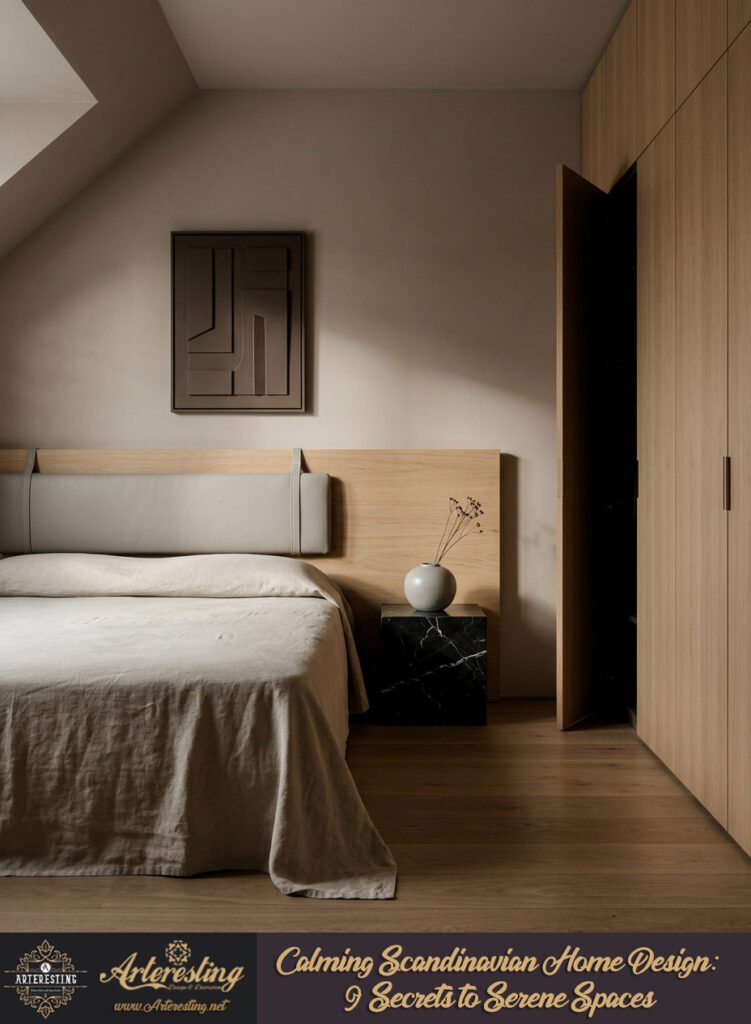
Implement low-contrast color schemes based on warm whites, sandy beiges, and soft grays to minimize visual stimulation. These subtle tonal shifts evoke the natural world. Thus, the mind processes the environment with minimal cognitive effort.
Mastering Low-Contrast Transitions
Strong color contrasts force the eye to jump aggressively from one object to another. To counteract this, master the art of the monochromatic scheme. Specifically, layer different saturations and intensities of the same grounding color.
Moreover, if you desire color, choose muted, desaturated tones like sage or dusty clay. These choices add distinct personality while preserving the core benefits of a calming Scandinavian home design. Visually, the room remains unified, expansive, and deeply restorative.
Shop The Look
5. Open Shelving with Curated Objects
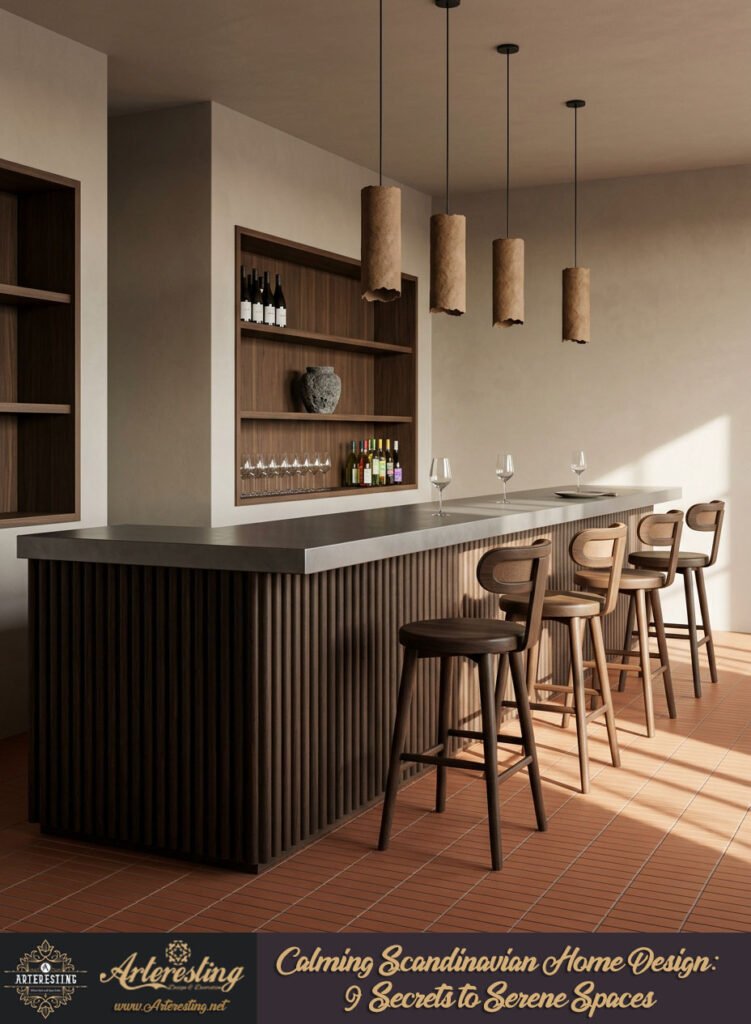
Utilize open shelving as an intentional showcase for meaningful, handmade artifacts rather than mass-produced clutter. By leaving ample negative space between each piece, you highlight their unique sculptural forms. Consequently, the display feels artistic rather than messy.
Balancing Minimal Scandi Decor and Negative Space
Maximalism often causes subconscious stress, yet empty walls can feel clinical. The ideal balance lies in thoughtful curation along your primary eyeline. Specifically, choose a few handmade ceramic vessels, textured books, or sculptural stones.
Crucially, treat the negative space around an object with the same importance as the object itself. Therefore, you prevent the shelf from becoming a visual distraction. This meticulous restraint honors the true spirit of calming Scandinavian home design.

6. Layers of Natural Textiles
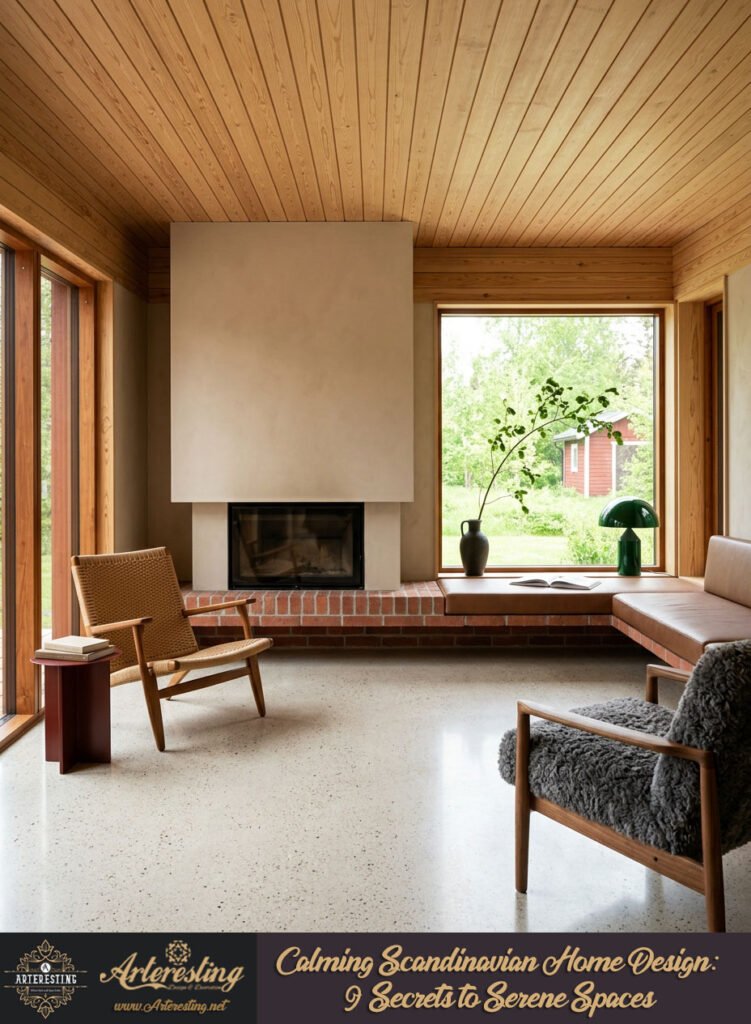
Stack high-quality organic fabrics like pure wool, heavy linen, and soft bouclé to inject sensory warmth into minimal layouts. These textiles soften the sharp geometric lines of modern architecture. Ultimately, they transform cold surfaces into inviting tactile experiences.
Elevating Comfort Through Soft Textures
Hardwood floors and stone countertops require soft counterpoints to feel genuinely livable. Therefore, drape thick woolen blankets over seating and introduce plush rugs underfoot. These layers soften the room physically and visually.
Infusing Warmth into Culinary Spaces
Kitchens frequently suffer from cold, hyper-minimal styling that feels sterile. To resolve this, introduce bespoke timber kitchen cabinetry showing fine, organic grains. Pair this woodwork with living finishes like unlacquered brass to establish a soft, lived-in character.
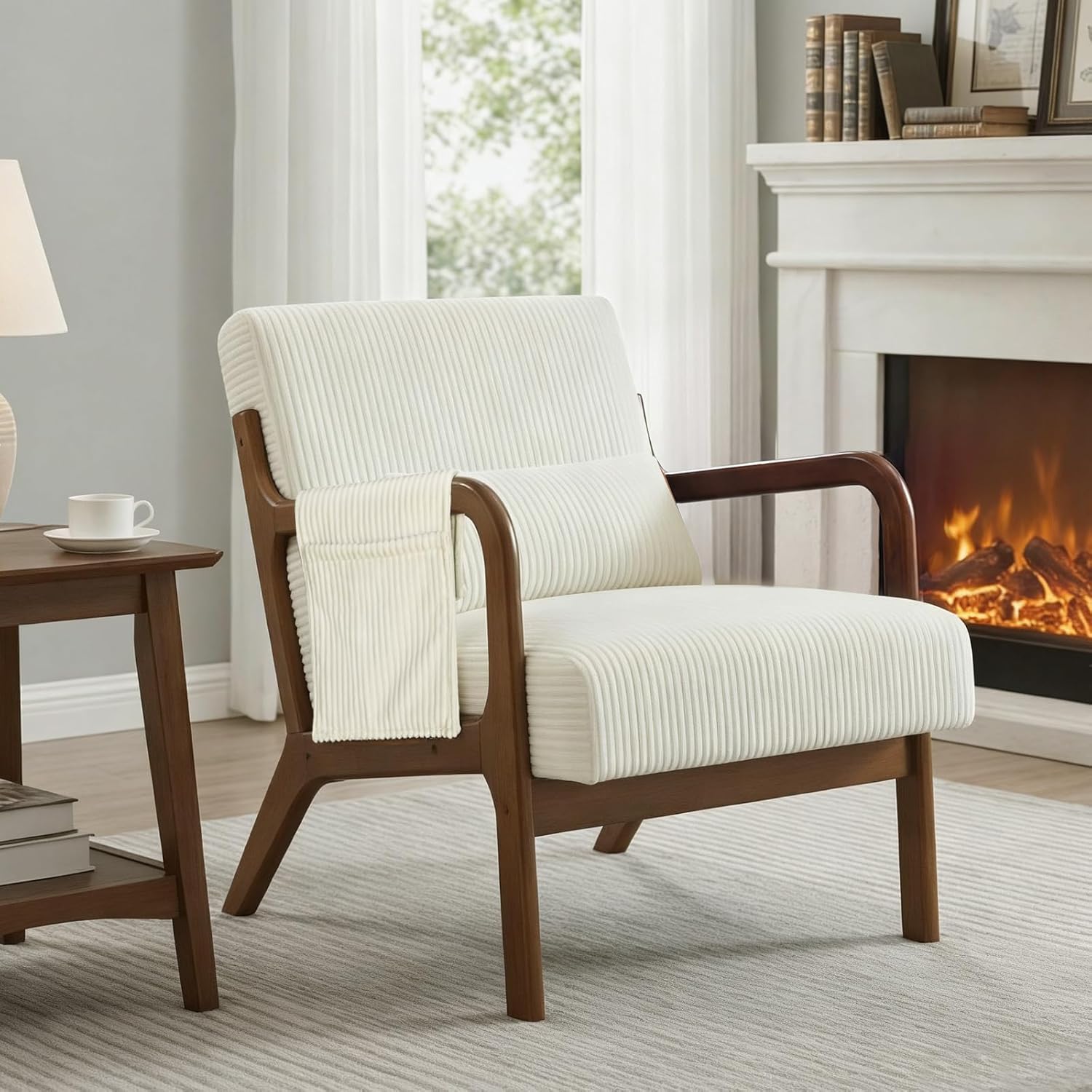
7. Quiet Storage Solutions
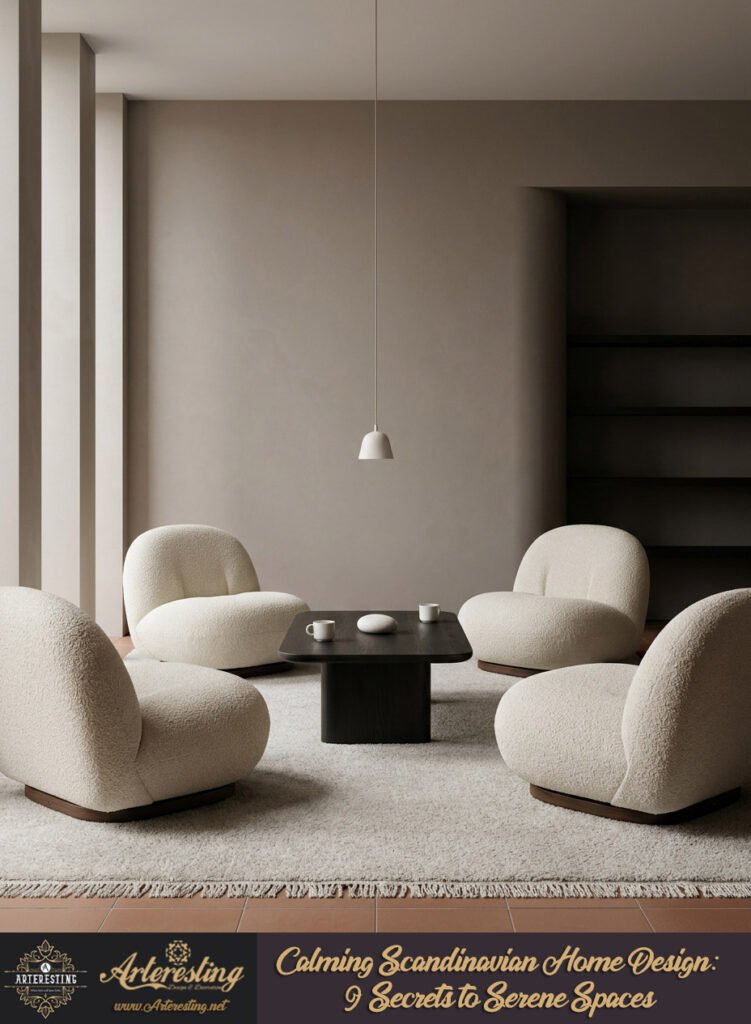
Deploy concealed cabinetry and fully integrated storage systems to eliminate daily visual noise from the home. Hiding non-essential items allows the architecture and premium materials to stand out. Thus, the home retains its architectural integrity.
Eliminating Cognitive Clutter
Clutter constantly demands active subconscious attention, which prevents true mental rest. Therefore, true northern design utilizes built-in storage that blends seamlessly into the walls. Visually, these hidden units mimic clean structural panels.
Furthermore, use multipurpose furniture to store small daily items. Specifically, choose benches, sofas, and ottomans that feature hidden internal compartments. By exiling clutter to these hidden spaces, you preserve a clean, streamlined environment.
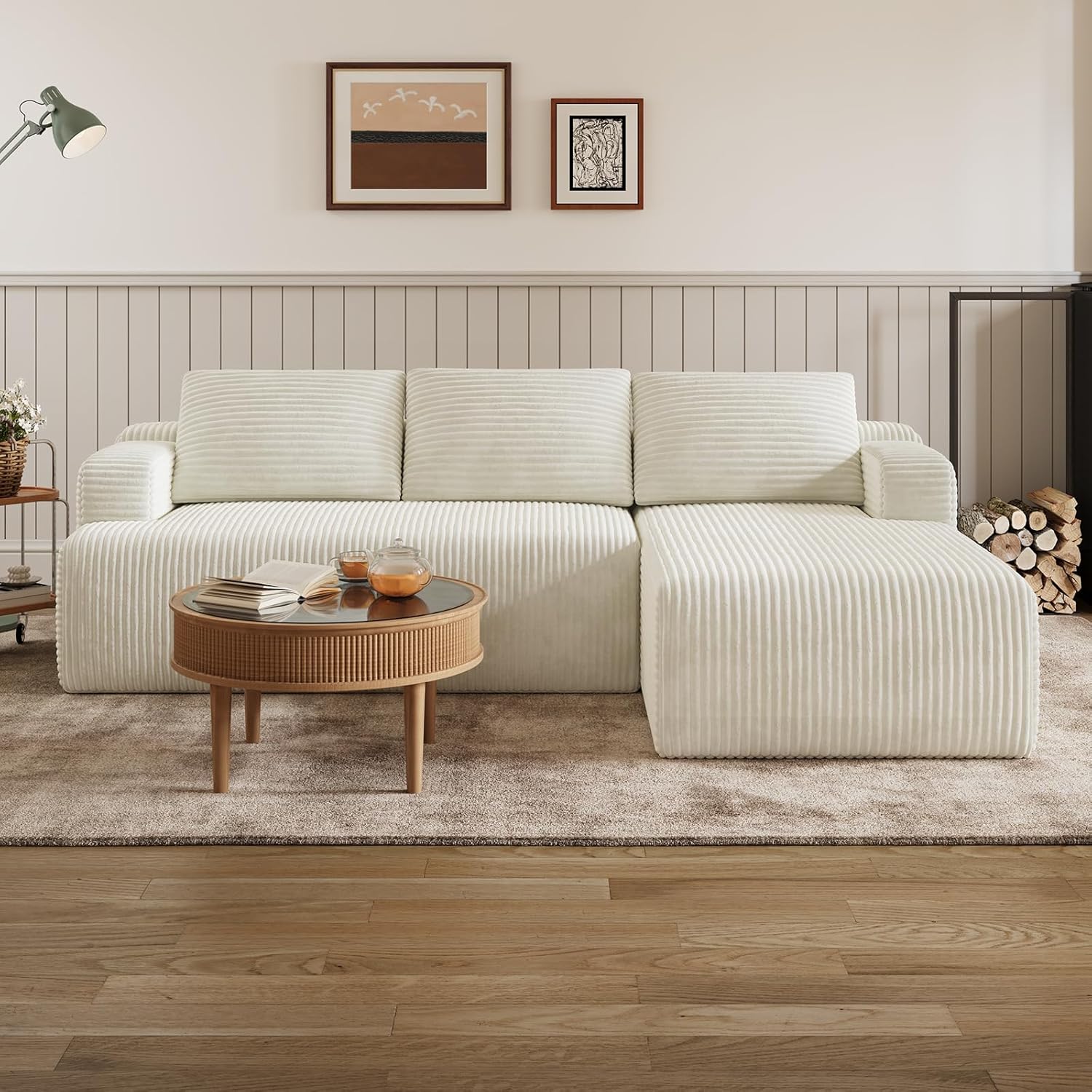
8. Biophilic Design Elements
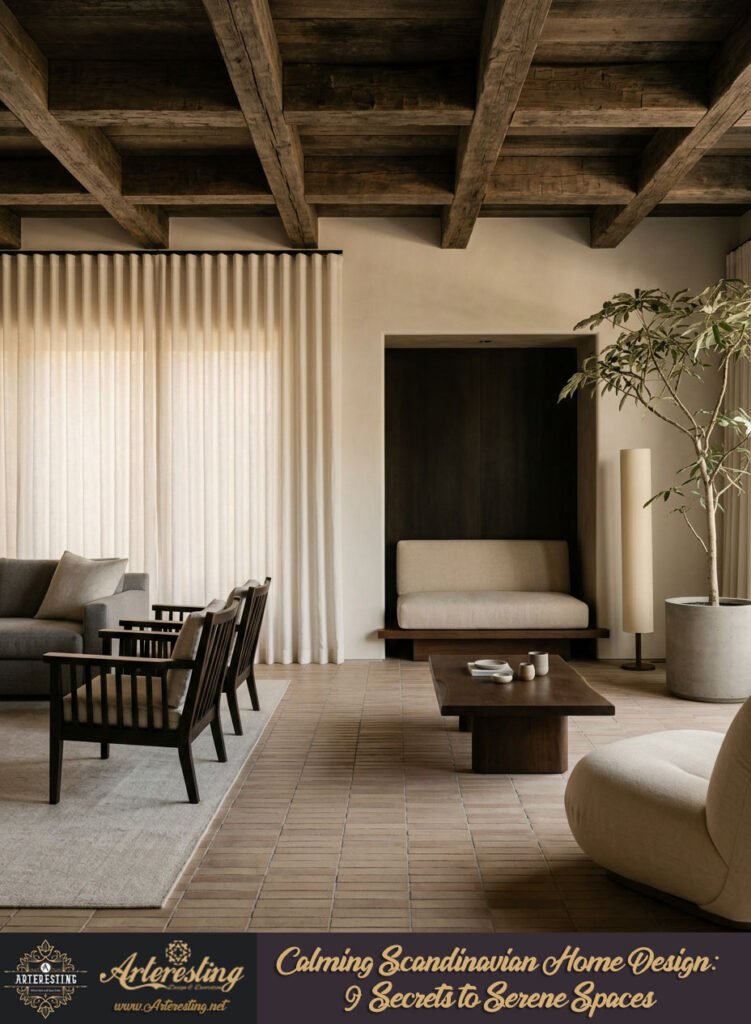
Integrate raw elements from nature, such as seasonal branches, untreated stone, and ample daylight, to lower physiological stress. Strengthening this outdoor connection improves overall emotional well-being. Consequently, the home functions as a restorative natural sanctuary.
Cultivating an Outdoor Connection
Biophilic design extends far beyond simply adding a few common houseplants. Specifically, it involves celebrating the organic imperfections found in nature. For example, display wild branches collected from a walk instead of formal floral arrangements.
Additionally, maximize incoming daylight by using sheer window treatments or leaving the glass completely unobstructed. Allowing natural light to shift throughout the day connects your indoor experience to the outdoor environment. Therefore, your circadian rhythm stabilizes naturally.
Shop The Look
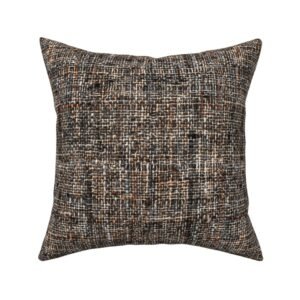
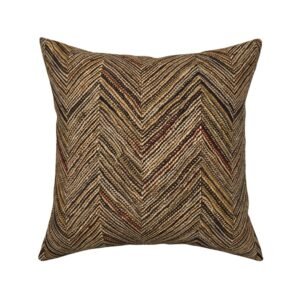
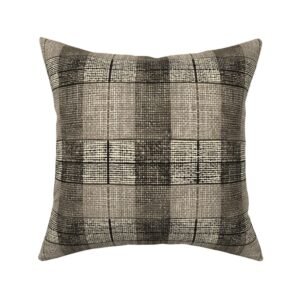
9. Spaces Designed Around Everyday Rituals
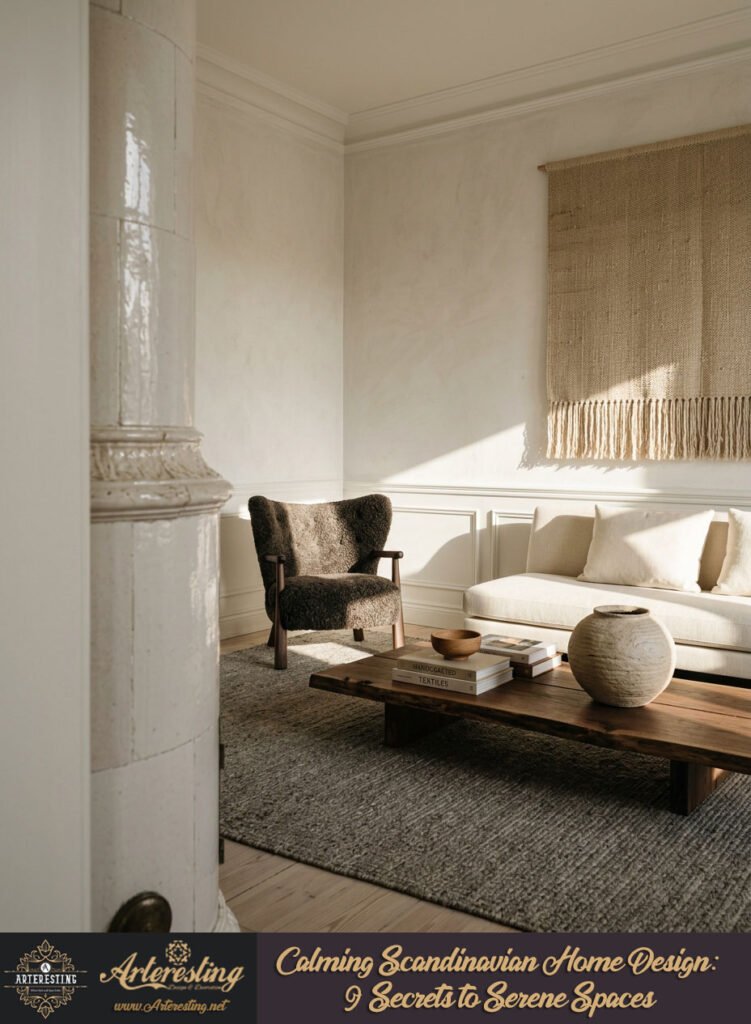
Carve out specific, dedicated spatial zones engineered to support slower, deliberate daily routines. Whether it is a sunlit reading corner or an integrated kitchen banquette, these spots invite immediate rest. Consequently, the home layout encourages a more intentional lifestyle.
Structuring Serenity into Daily Habits
Architectural layouts should actively dictate how you slow down. Therefore, position a comfortable lounge chair directly next to a low-sill window for morning coffee. This simple spatial arrangement transforms a routine task into a peaceful ritual.
Ultimately, executing a successful calming Scandinavian home design requires choosing elements with deep intention. By prioritizing honest materials, low-contrast color palettes, layered lighting, and soft textiles, you foster a slower lifestyle. The resulting space feels beautifully serene.

Calming Scandinavian home design achieves deep tranquility through architectural weightlessness, low-contrast tonal palettes, and layered, low-level lighting. By prioritizing material honesty and concealed storage, these spaces eliminate visual clutter. Incorporating biophilic elements and specialized spaces for daily rituals shifts the domestic environment from a chaotic structure into a restorative sanctuary.